
Day 1: Old Town on foot, Edinburgh Castle, a whisky tasting, Mary King's Close underground, dinner at Scotland's oldest pub. Day 2: Holyroodhouse, the climb up Arthur's Seat, Calton Hill's view, then New Town's galleries and the Scott Monument. Day 3: National Museum of Scotland, The Meadows, fish and chips, finishing at the Bow Bar. Book the Castle and Mary King's Close as one group booking, and budget roughly €125 a head for the fuller pace.
Day 1: Castle, Whisky and Old Town Pubs
Day one is the postcard day: castle, whisky tasting, an underground close, and a pub crawl through the Old Town ending at the city's oldest tavern. Book the castle and Mary King's Close before you land, especially with a group, both sell out first online.

St Mary's Episcopal Cathedral
Consecrated in 1879, this is one of three three-spired cathedrals in Britain. The twin towers, Barbara and Mary, named for the sisters who funded them, weren’t finished until 1913 to 1917. A five-minute skyline stop before the walking starts.
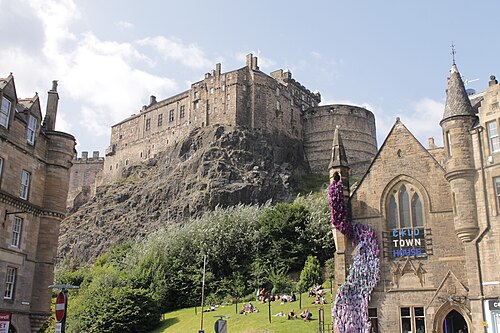
Edinburgh Castle
The castle sits on the plug of an extinct volcano that gave the city its shape, holding the Crown Jewels and the Stone of Destiny inside. Buying online skips the ticket queue, though not the gate line, so still arrive close to the 9:30 opening. Larger groups should book through Historic Environment Scotland's own group sales team rather than expect an automatic website discount.
Scotch Whisky Experience
The visit opens with a barrel-shaped ride through the malting-to-maturation process, then puts you in front of one of the world's largest whisky collections, over 3,000 bottles from one Brazilian collector. It's touristy and priced like it, worth it mainly for an easy, weatherproof hour after the castle. Put that £25 toward the real thing instead, save it for a flight at the Bow Bar on day three.

Princes Street Gardens
These gardens sit in the drained bed of the old Nor Loch, filled in between 1813 and 1820 after centuries as the city's dumping ground and, in the 1600s, a site for witch trials by drowning.
Deacon Brodie's Tavern
The tavern is named for William Brodie, a respectable cabinetmaker by day and a burglar by night, hanged on the High Street in 1788 on a gallows some say he helped design himself. His double life is widely credited as inspiration for Robert Louis Stevenson's Jekyll and Hyde. Good pub food, better story.

St Giles' Cathedral
The crown-shaped steeple overhead has topped the skyline since the 1460s, dated by tree-ring analysis of its original timbers. John Knox preached the Reformation from this pulpit in 1559, and the Thistle Chapel, finished in 1911, packs more carved detail into one small room than anywhere else in the building. Free entry, so it's an easy add if you're behind schedule.
The Real Mary King's Close
These closes were sealed in 1753 to form the foundations of the Royal Exchange above, and forgotten until workmen broke through in 2003. Guides lean into plague stories from the 1644 outbreak that hit the close hard. Book ahead, especially for groups, timed slots sell out in season and tickets are non-refundable; aim for 3-3:30pm to match this route, with a 30-minute buffer for an earlier castle queue.

Greyfriars Kirkyard
Skip rubbing Greyfriars Bobby's nose for luck, a decade of tourists doing exactly that has worn the bronze down to bare metal, and the city's asked visitors to stop. The real story is better anyway, little dog bowls and toys still turn up left as tributes near the grave he guarded. A headstone nearby reading Thomas Riddell draws Harry Potter fans, though Rowling never confirmed the link to Voldemort.

Grassmarket
This square was Edinburgh's execution ground, drawing crowds of up to 20,000. The most famous survivor is Maggie Dickson, hanged here in 1724 for concealing a pregnancy, who sat up in her coffin on the way to burial. A pub nearby still carries her name.
White Hart Inn
The cellar dates to 1516, making this Edinburgh's oldest pub, though the building above ground is 1740s. Robert Burns lodged here in 1791 and wrote Ae Fond Kiss during the stay. A fitting last stop for day one.
Day 2: Holyrood Park, Calton Hill and New Town
Day two trades the Old Town for hills and boulevards: Holyroodhouse, Arthur's Seat, Calton Hill, then New Town's galleries. Bring shoes for the climb, and split up at Bonnie & Wild if lunch causes disagreement. New Town and Stockbridge have dinner options near Charlotte Square, worth picking before 7pm.

Palace of Holyroodhouse
This is the monarch's official residence in Scotland, and Mary, Queen of Scots lived here through the darkest scene in its history: her secretary David Rizzio, stabbed 57 times in her private chambers in 1566 by a group of lords led by her own husband. The state rooms and abbey ruins fill the full 90 minutes.
Holyrood Park / Arthur's Seat
Arthur's Seat is the plug of a volcano that last erupted 350 million years ago, and the summit at around 250 metres clears every rooftop in the city for a view stretching to the Firth of Forth. The path up is steep but needs no gear, just decent shoes and a clear morning.
Calton Hill
The row of twelve columns is the National Monument, an 1820s attempt to rebuild the Parthenon as a war memorial that ran out of money after barely a quarter of the design was built. Locals call it Edinburgh's Disgrace, though most visitors find the unfinished ruin more striking than the completed version would have been. It's a real uphill walk with steps, shorter than Arthur's Seat but still a climb.

St Mary's Metropolitan Cathedral
Not to be confused with day one's Episcopal cathedral, this is the Catholic seat of the Archbishop of St Andrews and Edinburgh, raised to metropolitan status in 1886. A brief stop before lunch.
Bonnie & Wild Scottish Marketplace
This food hall inside the St James Quarter shopping centre gathers a dozen-odd Scottish vendors under one roof, from haggis to seafood to bakes, so a group with different tastes can split up and reconvene at shared tables. Easier than agreeing on one restaurant for six people.
Scott Monument
At 61 metres, this is the second-largest monument ever built to a writer, after the José Martí memorial in Havana, honoring Walter Scott. Climbing the 287 spiral steps to the top gallery gets genuinely narrow near the summit, not one for anyone claustrophobic, but the view down Princes Street rewards the climb. Oct-Mar, last admission is 15:30 and it closes at 16:00, so visit earlier in the day then.

Balmoral Hotel
The clock on the tower has run three minutes fast since 1902, kept that way on purpose so travelers wouldn't miss their trains at Waverley below. It's only reset to the correct time once a year, on Hogmanay.

Scottish National Portrait Gallery
Opened in 1889, this red sandstone neo-Gothic building was the world's first purpose-built portrait gallery, funded by the owner of The Scotsman newspaper. The Great Hall's painted frieze runs through centuries of Scottish faces, Robert Burns to Mary, Queen of Scots, and it's free, a good rainy-afternoon fallback.

Scottish National Gallery
Free entry gets you Titians, Raeburns and Raeburn's famous Skating Minister, one of Scotland's most reproduced paintings, all inside a building compact enough to cover properly in the ninety minutes allotted here, without the museum fatigue that sets in at the bigger national collections elsewhere in Europe.

Bute House
No. 6 Charlotte Square has been the First Minister's official residence since 1999, inside Robert Adam's Georgian terrace. It's a working address, not a museum, so this is an exterior-only look on the walk back.
Day 3: Museums, The Meadows and a Whisky Bar Finish
Day three eases off, only six stops: the National Museum, two green spaces, and an afternoon crawl through Old Town's food and drink ending at a proper whisky bar. There's room here for a bonus fourth day to Dean Village if anyone wants more.

National Museum of Scotland
Free entry buys two hours with genuine range: several of the medieval Lewis Chessmen, carved from walrus ivory (the museum holds eleven in its collection), sit a few galleries from Dolly the Sheep, the world's first cloned mammal, preserved here since her death in 2003. Big enough that splitting up and meeting at the entrance works better than staying as one group.

The Meadows
This flat, tree-lined park south of the Old Town is where a huge share of Edinburgh's estimated 65,000 students spend their free afternoons, picnicking, playing football, or just cutting through on the way to lectures. A calmer green stretch after two dense museum-and-cathedral mornings.

Bruntsfield Links
Local legend dates golf here to 1456. The two clubs that trace back to this ground are old enough: Royal Burgess (1735) and Bruntsfield Links Golfing Society (1761). A short pitch-and-putt course still runs across it today.
Bertie's Proper Fish & Chips
A proper sit-down chippy rather than a takeaway counter, plating fresh haddock and chips the way Scottish chip shops have done for generations. A filling, unfussy lunch that costs less per head than most Old Town restaurants, useful when a group is watching the budget.
The Elephant House Café
Closed for over four years after a 2021 fire next door, the café reopened in December 2025 with J.K. Rowling's actual writing table, rescued and restored, back in its place. She wrote early Harry Potter chapters here in the 1990s, though the connection gets mythologized well beyond what one café table earned.
The Bow Bar
The gantry behind the bar holds somewhere over 300 single malts, enough to have won Whisky Magazine's Whisky Bars of the World Gold award and the Good Pub Guide's UK Whisky Pub of the Year, plus repeat wins as Best Bar in Scotland at the Scottish Hospitality Awards. A proper last stop, small and unpretentious, better for actually tasting whisky than the tourist-trail tasting rooms.
Best time to visit
What's on in Edinburgh
Festivals, concerts, and exhibitions happening during your trip.
Royal Scottish Academy: 200 Years
Scottish International Storytelling Festival
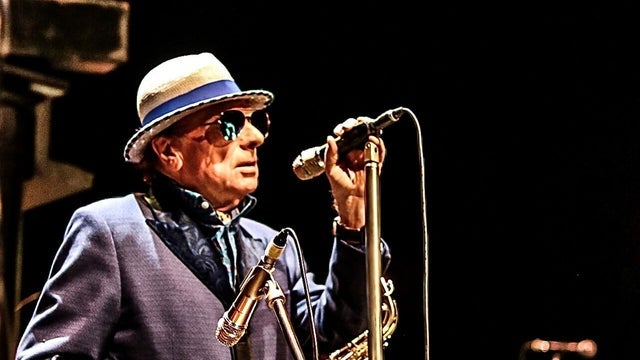
Van Morrison
Edinburgh's Christmas (Winter Festival market)
Roman Scotland: Life on the Edge of Empire
St Andrew's Day
Public holidayChristmas Day
Public holidayBoxing Day (in lieu)
Public holidayEdinburgh's Hogmanay: Torchlight Procession
Guided tours


Some links may earn us a commission at no extra cost to you.
Know before you go
- Both sell out online, no walk-up tickets once they do. Mary King’s Close wants 7 days’ notice for groups of 16+; Castle groups should use Historic Environment Scotland’s group sales team, not the website discount.
- Two ticketed attractions plus a group dinner can run over £100 a head some days. A shared expense app keeps the running total honest, see our roundup of group expense apps for options.
- Highlands day trips and the Castle's skip-the-line guided tour price per seat but fill faster as one block booking. If four or more of you want the same trip, book together, not one by one.
- Edinburgh sees 10-12 rain days a month, September through December. A proper waterproof beats an umbrella, especially up on Calton Hill's open summit.
- A Lothian Dayticket covers buses alone for £6; the tram costs more via the Day Ridacard (fares were revised in 2026, check current prices first). Most of this route is walkable anyway.
- Edinburgh's Old Town crowds pockets and bags like any major tourist strip, pickpockets included. A cross-body bag with zips forward covers most of it, see our guide to common tourist scams for the wider picture.
- Royal Mile and Grassmarket's cobblestones are rough going for wheelchairs and strollers. Mary King's Close and the Scott Monument are stairs-only, with no lift to either.