15 Biggest Changes to Travel in 2026 (vs. Last Year)
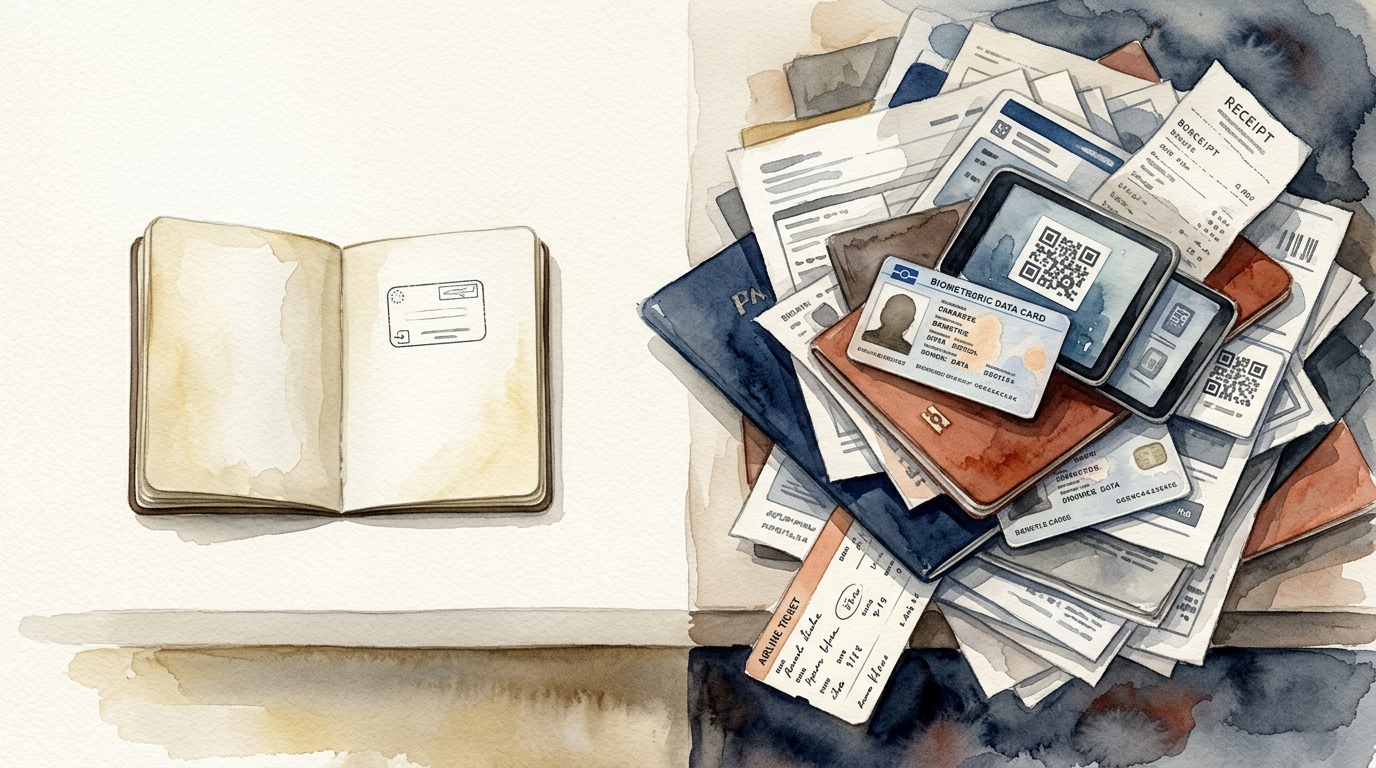
You booked a flight to London six months ago. Simple, right? Except now you need a UK ETA that didn't exist last year, your airline owes you an automatic refund if they cancel, and if you're flying through the Middle East, your route might not exist anymore. The biggest changes in travel in 2026 hit faster than anyone's itinerary could keep up.
Travel in 2026 looks nothing like it did a year ago. New entry requirements (UK ETA, REAL ID fees, ESTA overhauls), airline policy shakeups (Southwest assigned seating, automatic refund rules), a fuel-driven airfare surge from the Iran conflict, and a wave of new tourist taxes across Europe and Japan have rewritten the playbook. This guide covers the 15 biggest changes and what they mean for your next trip.
New Entry Requirements You Can't Ignore
The paperwork side of travel got significantly more complicated in 2026. Three major changes affect millions of travelers, and missing any of them could mean denied boarding or hours of delays at the airport.
1. REAL ID Is Here (and There's a $45 Penalty)
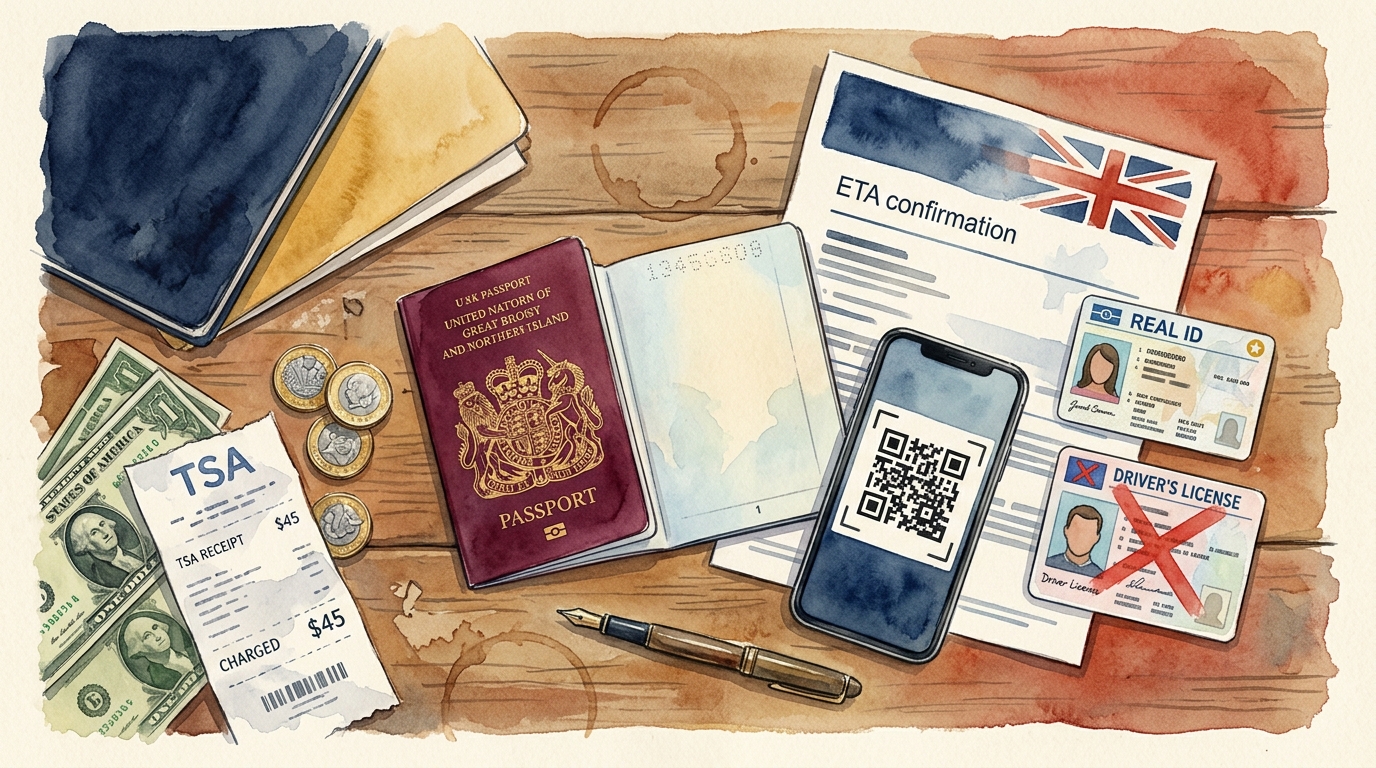
Since February 1, 2026, showing up at a TSA checkpoint with a non-compliant driver's license means you'll be directed to TSA ConfirmID, a biometric identity verification system that costs $45 per 10-day travel window. If your return flight falls outside that window, you pay again. The TSA strongly recommends paying in advance through Pay.gov to avoid checkpoint delays.
The good news: early data shows 95-99% of travelers are already presenting compliant IDs. Full enforcement is set for May 5, 2027, so the $45 option is a transitional bridge — not a permanent workaround. If you haven't upgraded your license yet, you're borrowing time.
2. The UK Now Requires an ETA for Americans
As of February 25, 2026, Americans can no longer just show a passport and walk into the UK. The new Electronic Travel Authorization (ETA) is mandatory for all visa-exempt visitors, including US citizens. It costs £20 as of April 8, 2026 (up from the initial £16), is valid for two years, and allows multiple entries of up to six months each.
Apply through the official UK ETA app before you travel. The process takes minutes, but approval can take up to 72 hours. If you're connecting through a UK airport, you'll need one even for transit. This puts the UK in line with systems like the US ESTA and the upcoming European ETIAS.
3. ESTA Gets a Selfie Requirement and Social Media Screening
Visiting the US under the Visa Waiver Program? The ESTA application now requires a passport-style selfie uploaded during the application process. And a proposed rule from Customs and Border Protection would make disclosure of five years of social media usernames mandatory, alongside phone numbers and email addresses from the past decade.
The social media rule was open for public comment through February 2026 and remains under review as of April 2026. The core ESTA process ($21 fee, two-year validity) remains unchanged, but the application itself is shifting to a mobile-first experience through the ESTA Mobile app.
4. The US Expanded Its Travel Ban and Entry Screening
Beyond the ESTA changes, Presidential Proclamation 10998 (effective January 1, 2026) more than doubled the countries subject to US entry restrictions. The original ban covered 19 countries; the expanded version affects 39 countries plus Palestinian Authority document holders. Nineteen countries face full visa suspension across all categories, while 20 others face partial restrictions on visitor, student, and exchange visas.
If you hold a valid visa issued before January 1, 2026, you're not affected. But new applications from restricted countries face significantly longer processing times and higher denial rates. Even travelers from non-restricted countries should expect ripple effects: increased screening, longer processing queues, and route changes as airlines adjust schedules around affected regions. Check with the State Department for the full list and exceptions.
5. Europe's Biometric Border Is Now Fully Live
Europe's Entry/Exit System (EES) became fully operational on April 10, 2026, replacing passport stamps with biometric records at borders across 29 European countries. Your fingerprints and facial image are now captured at entry and linked to your travel document data. Since the phased rollout began in October 2025, over 45 million border crossings have been registered through the system.
What does this mean practically? Expect longer lines at border control on your first visit, since biometric enrollment takes a few minutes. Return trips should be faster once your data is in the system. The EES also tracks your 90/180-day stay limit automatically, so overstaying will be flagged immediately at exit. And ETIAS, the separate travel authorization system (similar to the US ESTA), is targeting a Q4 2026 launch for citizens of 60+ visa-exempt countries, including the US, Canada, and UK. Cost: €7. For a deeper look, read our guide to the EES and our breakdown of what ETIAS means for Americans.
Airline Policies That Changed Everything
If you haven't flown in 2026 yet, the experience at the gate and in your inbox looks different. Two of the biggest shifts affect how you sit and how you get your money back.
6. Southwest Ended Open Seating After 54 Years
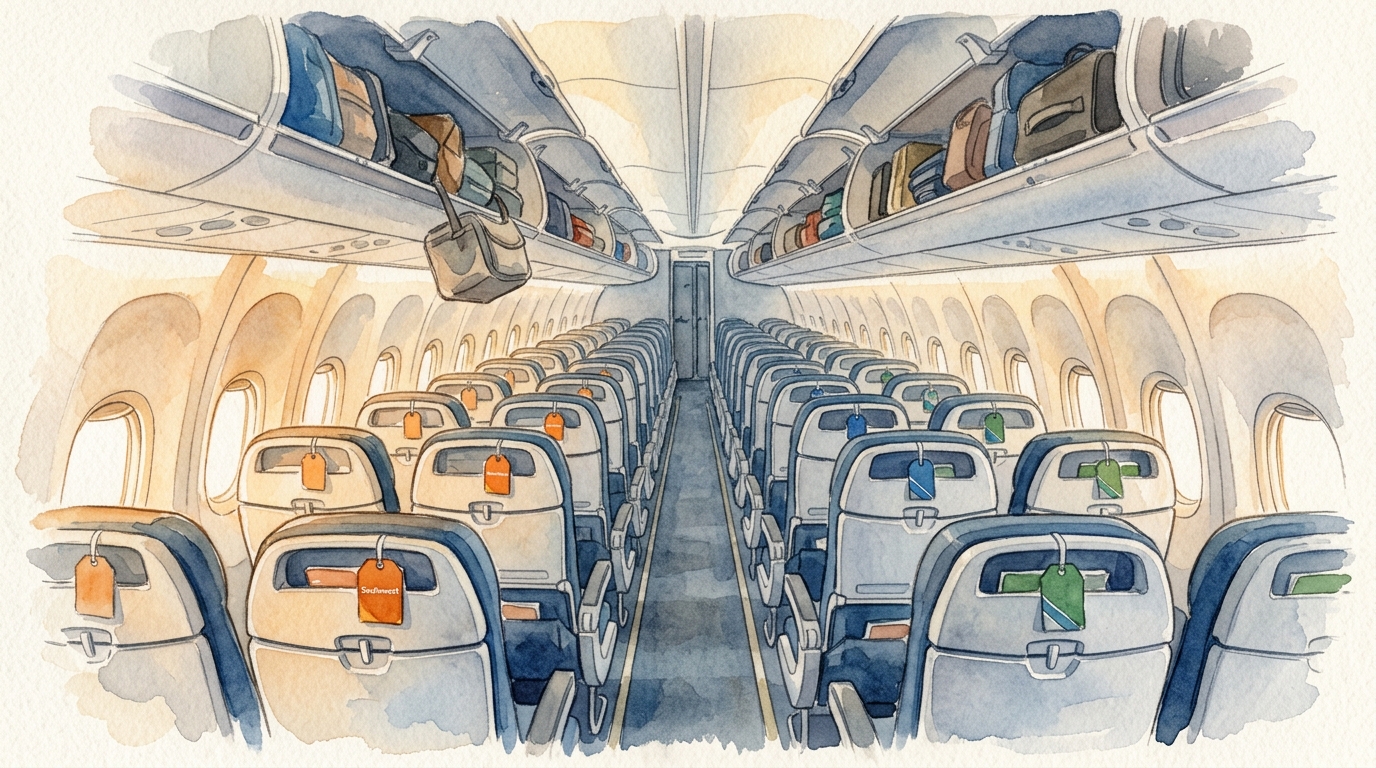
On January 27, 2026, Southwest Airlines ended its open seating model and moved to assigned seats. The airline now offers three tiers: Standard (toward the rear), Preferred (closer to the front), and Extra Legroom (near exit rows, with 3-5 extra inches). Boarding was restructured into eight groups based on fare, loyalty status, and seat location.
Reactions were mixed. Families appreciated the guarantee of sitting together. Long-time Southwest loyalists felt the airline lost what made it different. Early problems included overhead bin conflicts caused by a mismatch between assigned rows and bin availability — passengers in front-row seats had nowhere to stow bags because bins were already claimed by earlier boarding groups. Southwest expects the change to generate over $1 billion in incremental revenue.
7. Auto-Refunds for Cancelled Flights Are Now the Law
The DOT's automatic refund rule, which took full effect in late 2024, is now reshaping how airlines handle cancellations and significant delays. The rule defines "significant" as 3+ hours domestic, 6+ hours international. Airlines must issue refunds automatically within 7 business days for credit card purchases and 20 calendar days for other payment methods.
The key shift: passengers no longer need to request refunds or navigate airline customer service labyrinths. If your flight is cancelled or significantly delayed and you don't accept rebooking, the airline owes you money. Period. For a full walkthrough of how to use this rule, check our guide to getting your money back when flights are cancelled.
8. Hotel Junk Fees Must Now Be Shown Upfront
The FTC's Unfair or Deceptive Fees Rule took effect on May 12, 2025, and by 2026, enforcement is well underway. Hotels must now display the total price including all mandatory fees (resort fees, destination fees, amenity charges) whenever they advertise a rate. The rule doesn't ban the fees themselves, but it does ban the practice of hiding them until checkout.
The FTC estimates this will save consumers up to 53 million hours per year previously spent searching for true total prices. In practice, you'll notice that hotel prices on booking sites look higher now, but that's because you're finally seeing the real number. Third-party platforms and travel agents are covered by the rule too.
The Airfare Shock Nobody Budgeted For
The Iran conflict that escalated in late February 2026 nearly doubled US jet fuel prices and pushed domestic airfares up 15-124% depending on the route. International fares on some corridors surged 30-40%. Unlike new rules you can read about in advance, a war rewrites your travel budget overnight. Here's what happened and what it means for your next booking.
9. Jet Fuel Prices Nearly Doubled, and Your Ticket Paid for It
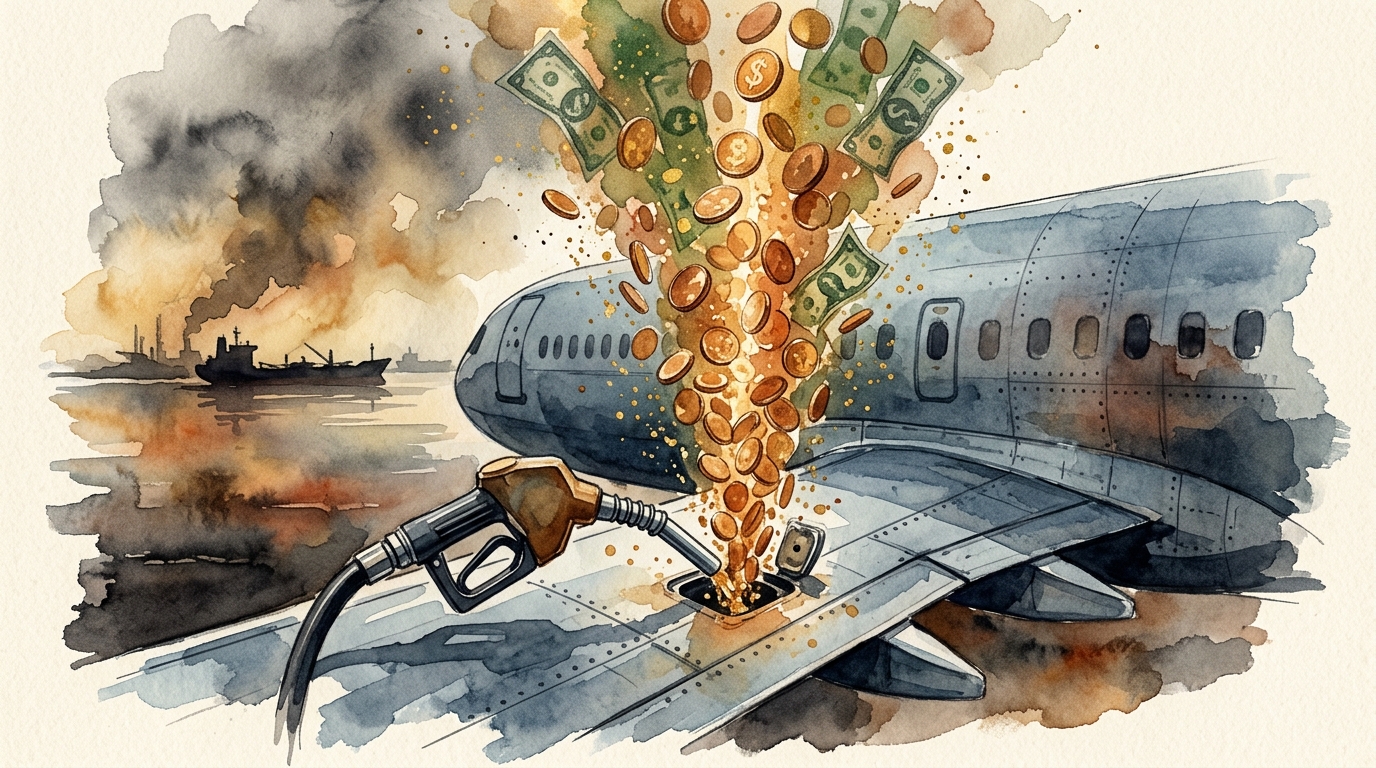
Since the US and Israel launched strikes against Iran on February 28, 2026, the price of jet fuel in the US nearly doubled, climbing from $2.50 per gallon on February 27 to $4.88 by early April. That cost went straight to passengers. Deutsche Bank analysts found that average domestic fares for near-term bookings jumped between 15% and 124% depending on the route, while international fares on some corridors surged 30-40%.
The Strait of Hormuz disruption is choking off both crude and refined fuel supplies, and analysts expect airfares to remain 5-10% above pre-conflict levels through 2027 even if the situation de-escalates. If you want to understand why your flight costs what it does right now, we broke down the full picture in why flights are so expensive in 2026.
Booking flexibility matters more than ever. Fixed, non-refundable fares are a gamble when routes are being cut weekly. Pay the extra for flexible tickets if your travel dates aren't locked in.
10. Middle East Airspace Is a Maze
Iran, Iraq, Kuwait, and Syria airspace are fully closed by NOTAM. UAE, Qatar, and Bahrain airspace remain heavily restricted with limited entry and exit points. Emirates is operating at roughly 53% of its normal schedule. Qatar Airways has parked about 43% of its fleet.
For travelers, this means flights between Europe and Asia or Australia are being rerouted north through the Caucasus or south via Egypt and Oman, adding hours and fuel costs to every ticket. A London-to-Singapore flight that normally takes 12 hours can now take 15+ with southern rerouting. Some routes have been suspended entirely. If you're flying through the region, read our guide to navigating the Middle East airspace crisis for alternative routing options and airline-specific updates.
The Tourist Tax Explosion
Overtourism isn't a new problem, but 2026 is the year governments decided to actually charge for it. From Venice to Edinburgh to Kyoto, the price of showing up as a tourist just went up.
11. Venice Charges Day-Trippers (and Doubles It If You're Late)
Venice's entry fee is back for 2026, covering 60 designated days from April through July. Book four or more days in advance and pay €5. Wait until the last minute, and the price jumps to €10. You'll get a QR code to scan at electronic turnstiles at Venice's main entry points.
The fee applies between 8:30 AM and 4:00 PM. Arrive outside those hours and you're exempt, as are overnight guests, residents, students, and workers. Skip the payment entirely and you're looking at a fine of €50-300. For more on how European cities are pushing back on mass tourism, see our piece on Europe's overtourism war.
12. Edinburgh Becomes the UK's First City With a Tourist Tax
Starting July 24, 2026, Edinburgh will add a 5% visitor levy to all paid overnight accommodation, capped at five nights. Hotels, hostels, guesthouses, and Airbnbs are all covered. The city expects to raise up to £50 million per year once the levy is established.
There's a grandfathering clause: stays booked and paid for (in full or part) before October 1, 2025, are exempt. Edinburgh is the first UK city to implement such a tax, and other Scottish and English cities are watching closely.

13. Japan's Departure Tax Triples, and Kyoto Adds a Hotel Tax
Starting July 2026, Japan's departure tax triples from ¥1,000 to ¥3,000 (~$20 USD) per person. It applies to everyone leaving the country, Japanese citizens included, and is baked into your airline ticket price. The government expects the increase to generate roughly ¥130 billion (~$870 million) in fiscal 2026.
Meanwhile, Kyoto introduced an accommodation tax in March 2026 that can reach ¥10,000 (~$67) per night at high-end properties. For context, Kyoto previously had no accommodation tax at all. The revenue funds crowd management, multilingual signage, and cultural preservation at popular sites.
14. Norway Joins the Tourist Tax Club
Norway approved a 3% "visitor's contribution" on overnight stays and cruise ship passengers, rolling out in 2026. It's not a nationwide mandate. Local councils must apply for approval by demonstrating that tourism is straining public services. Lofoten and Tromso are among the first areas adopting it.
The tax covers hotels and short-term rentals (including Airbnb), but camper vans, tents, and boats are exempt. It's a response to a record-breaking 12.4 million foreign overnight stays in 2024, up 12% from the prior year.
| Destination | Tax Type | Amount | Effective | Status |
|---|---|---|---|---|
| Venice | Day-tripper entry fee | €5-10 per visit | Apr-Jul 2026 | Active |
| Edinburgh | Accommodation levy | 5% (max 5 nights) | Jul 24, 2026 | Upcoming |
| Kyoto | Accommodation tax | Up to ¥10,000/night | Mar 2026 | Active |
| Japan (national) | Departure tax | ¥3,000 (~$20) | Jul 2026 | Upcoming |
| Norway (select areas) | Visitor contribution | 3% of stay | 2026 | Rolling out |
The pattern is clear: popular destinations are shifting the cost of tourism infrastructure from local taxpayers to visitors. Budget accordingly.
Destination Rules That Caught Travelers Off Guard
Some of the biggest changes in 2026 aren't about airports or airlines at all. They're about what happens after you arrive.
15. Machu Picchu Rewrote Its Entire Visitor System
Peru completely restructured access to Machu Picchu for 2026. The old three-circuit system has been replaced with 10 color-coded sub-routes, each with defined paths, time slots, and separate ticket prices. Daily visitor caps range from 4,500 on regular days to 5,600 on peak-season dates (including June through early November). Visitors choose their route when purchasing tickets, and certain mountain hike routes are only available during high season.
Tickets are exclusively available through the official government platform (tuboleto.culture.pe). Third-party sites can't sell them. And if you're planning the Inca Trail, note that the trail ticket no longer includes entry to the citadel; you'll need to purchase both separately.

The Geopolitical Wildcard: Canada's Boycott of US Travel
Not every change on this list comes from a government regulation or airline policy. Some come from travelers themselves making different choices. Political tensions and trade tariffs have triggered a massive Canadian boycott of US travel, with an estimated $4.5 billion in direct losses to the American economy.
Vehicle border crossings are down 30% year-over-year, and air travel from Canada to the US has dropped 24%. Airlines have responded by cutting nearly 450,000 seats from Canada-to-US routes, with Flair Airlines slashing US-bound capacity by 58%.
"The boycott is real and it is deep. It has gone beyond a social media moment into actual economic behaviour."— Bruce Heyman, former US Ambassador to Canada, CBC News
Surveys show that 59-62% of Canadians say US government policies make them significantly less likely to visit. Many are redirecting trips to Mexico, Europe, and domestic Canadian destinations instead. For US travelers heading north, the flip side is noteworthy: Americans are visiting Canada in higher numbers, drawn by favorable exchange rates and a welcoming atmosphere. If you're planning a cross-border trip in either direction, factor in reduced flight availability and potentially different pricing dynamics than you'd expect.
ETIAS and Other Travel Changes Still Coming in 2026
Two more changes are on the horizon that didn't quite land in time for this list but will affect travel before the year is out.
ETIAS (European Travel Information and Authorization System): Targeting a Q4 2026 launch, this will require citizens of 60+ visa-exempt countries (US, Canada, UK, Australia, and others) to obtain a €7 travel authorization before visiting 30 European countries. It's been delayed multiple times, but the EU has confirmed the timeline. Read our full ETIAS explainer for details.
JFK Terminal 6: The first phase (six gates) of New York's rebuilt JFK Terminal 6 is opening in H1 2026, with airlines including Lufthansa, JetBlue, Cathay Pacific, and Aer Lingus moving in. The terminal promises under-5-minute walks to gates and 100,000 square feet of amenities. Full completion is slated for 2028, when all 10 gates will be operational.
How to Keep Up Without Losing Your Mind
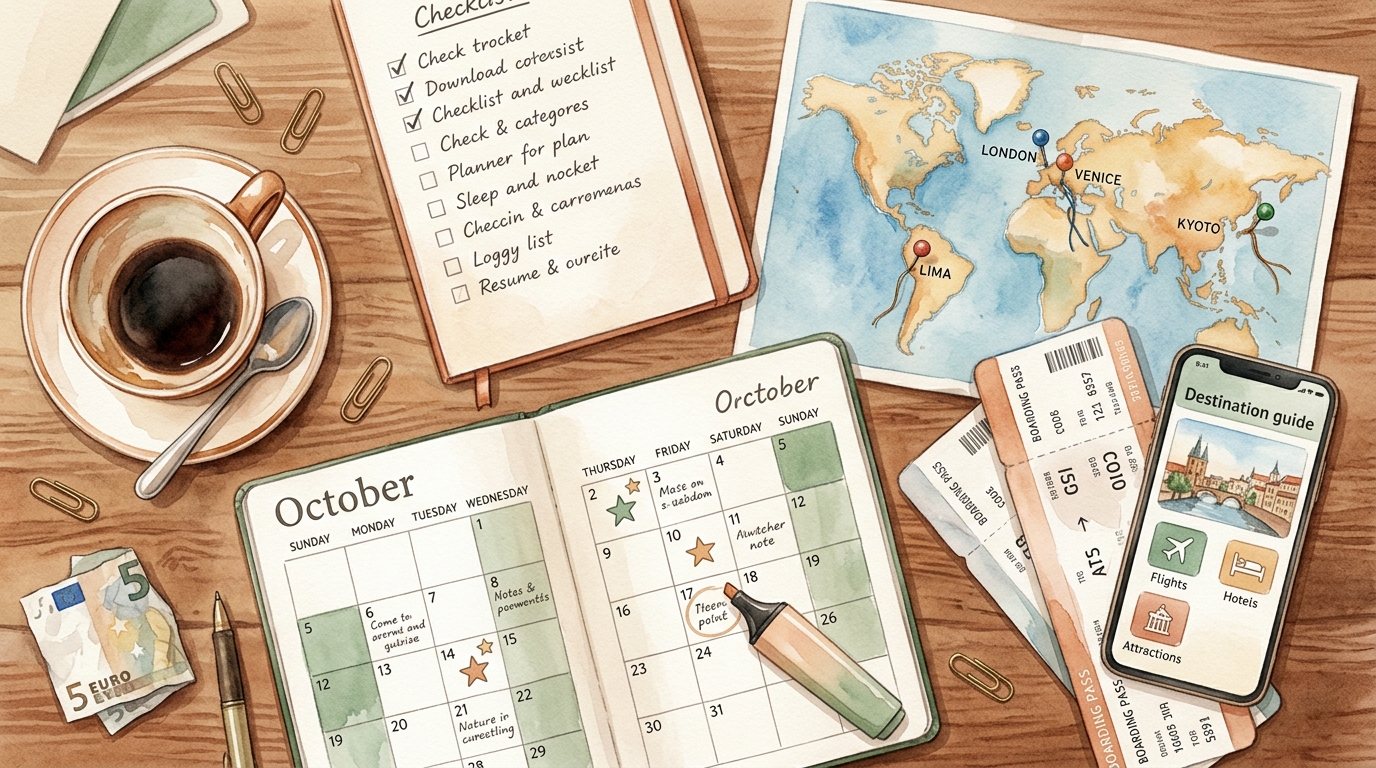
You don't need to memorize all 15 changes. You need a system that catches the relevant ones before they catch you. Here's a six-item pre-flight checklist that covers the new requirements most likely to ruin your day.
- Check entry requirements 6-8 weeks before travel (UK ETA, ESTA, EES biometrics)
- Verify your ID is REAL ID-compliant for domestic US flights
- Book flexible fares while fuel prices remain volatile
- Research destination-specific tourist taxes before budgeting
- Download confirmation QR codes offline (Venice, Machu Picchu)
- Check airspace status if routing through the Middle East
Tools like TripProf can help here. Its personalized destination guides cover entry requirements, local taxes, and practical details for wherever you're headed, so you don't have to piece together information from a dozen government websites.
Frequently Asked Questions
Do I need a REAL ID to fly in 2026?
Not yet, but flying without one costs $45 per 10-day window through TSA ConfirmID. A valid passport also works as an acceptable ID. Full enforcement of REAL ID, with no ConfirmID alternative, begins May 5, 2027.
Do Americans need a visa for the UK now?
No, but you need a UK ETA (Electronic Travel Authorization), which costs £20 as of April 8, 2026. It's valid for two years with multiple entries. Apply through the official UK ETA app before traveling.
What is ETIAS and when does it start?
ETIAS is Europe's upcoming travel authorization for citizens of visa-exempt countries. It costs €7, is valid for three years, and targets a Q4 2026 launch across 30 European countries. The exact date hasn't been announced yet.
Can I still get open seating on Southwest?
No. Southwest moved to assigned seating on January 27, 2026, ending 54 years of open seating. You now choose from Standard, Preferred, or Extra Legroom seats when booking.
How much are airfares going up because of the Iran conflict?
Domestic US fares have increased 15-124% depending on the route, with international fares on some corridors up 30-40%. Analysts expect fares to remain 5-10% above pre-conflict levels through 2027.
Do I have to pay to enter Venice in 2026?
On 60 designated days between April and July, day-trippers pay €5 (or €10 if booked fewer than four days in advance). The fee applies from 8:30 AM to 4:00 PM. Overnight guests, residents, and students are exempt.
What travel changes should I prepare for in late 2026?
Three major changes land in the second half of 2026. ETIAS, Europe's new travel authorization for visa-exempt visitors, targets a Q4 launch across 30 countries. Japan's tripled departure tax (¥3,000) takes effect in July. And Edinburgh's 5% visitor levy on overnight stays begins July 24, making it the UK's first city-level tourist tax.
Key Takeaways
- Check your ID before you fly. REAL ID non-compliance now costs $45 per trip. Upgrade your license or carry a passport.
- New entry paperwork is the norm. UK ETA, ESTA selfie requirements, Europe's EES biometrics, and ETIAS (coming Q4) all add steps to international travel.
- Airlines owe you automatic refunds. For cancellations or delays over 3 hours (domestic) or 6 hours (international), refunds are now automatic. Know your rights.
- Airfares are high and volatile. The Iran conflict drove fuel prices up dramatically. Book flexible fares and monitor prices actively.
- Tourist taxes are spreading fast. Venice, Edinburgh, Kyoto, Norway, and Japan's national departure tax all add new costs. Budget for them before you go.
- Machu Picchu requires advance planning. Ten routes, daily caps, official-only ticket sales, and separate Inca Trail entry mean spontaneous visits are impossible.
- Track these changes in one place. With rules shifting across dozens of destinations, tools like TripProf that consolidate entry requirements, local taxes, and practical details save real time.
- Stay flexible. Between airspace closures, fare volatility, and political boycotts, 2026 rewards travelers who build adaptability into their plans.
Sources
- TSA: $45 ConfirmID fee for travelers without REAL ID, effective February 1, 2026
- UK Home Office: Electronic Travel Authorisation factsheet, including £20 fee from April 8, 2026
- VisaVerge: ESTA selfie and social media disclosure requirements for Visa Waiver Program travelers
- European Commission: Entry/Exit System fully operational as of April 10, 2026
- CNBC: Southwest Airlines ends open seating after 54 years, January 27, 2026
- US Department of Transportation: Automatic airline refund rule details and enforcement
- Federal Trade Commission: Junk Fees Rule requiring total price disclosure for hotels
- CNBC: Airfare surge and jet fuel price increases following Iran conflict
- CNN: Middle East airspace closures and global aviation impact
- Lonely Planet: Venice 2026 access fee and booking system details
- City of Edinburgh Council: 5% visitor levy starting July 24, 2026
- MATCHA: Japan departure tax tripling to ¥3,000, effective July 2026
- AFAR: Norway's 3% visitor contribution tax for select tourism areas
- Euronews: Norway tourist tax introduction amid record visitor numbers
- Fertur Peru Travel: Machu Picchu 2026 restructured entry rules and 10-circuit system
- CBC: Canada-US travel boycott, $4.5B losses to American economy
- CNBC: Canada boycott impact, 450K seats cut, polling data
- CBC: Vehicle border crossings down 30% year-over-year
- CBC: Air travel from Canada to US dropped 24%
- NAFSA: Presidential Proclamation 10998 expanded travel ban, 39 countries affected
- AFAR: ETIAS targeting Q4 2026 launch for 60+ visa-exempt countries
- Gulf News: Emirates operating at 53% schedule, Qatar Airways parking 43% of fleet
Keep Reading
More travel tips and guides picked for you
The Complete Pre-Trip Countdown: 15 Things Every Traveler Must Do Before a 2026 Trip
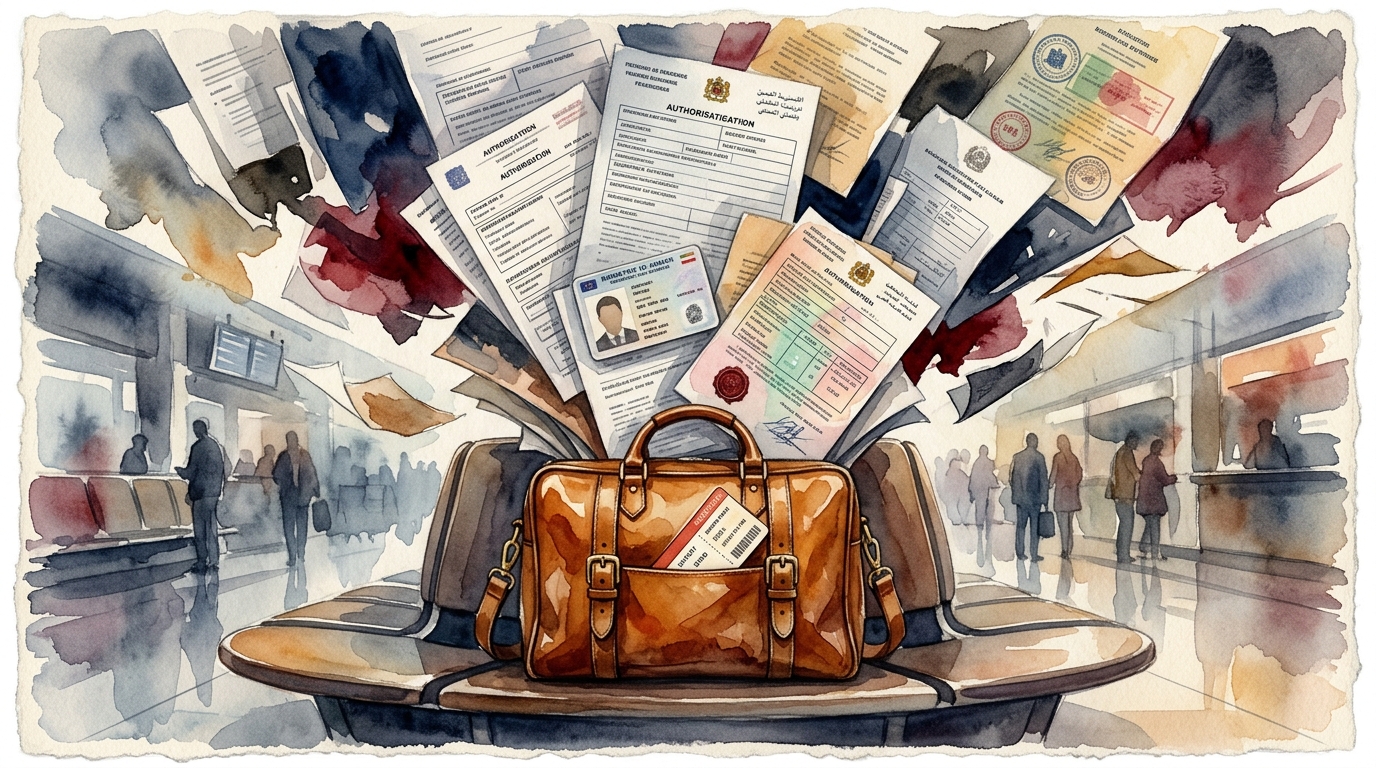
Start trip prep 8 weeks out, not 8 days. This countdown covers 15 tasks organized by deadline, from passport checks to airport-day moves, with every 2026 rule change woven into the timeline.
Your RTO Costs $17K a Year. Here's What That Buys You Abroad
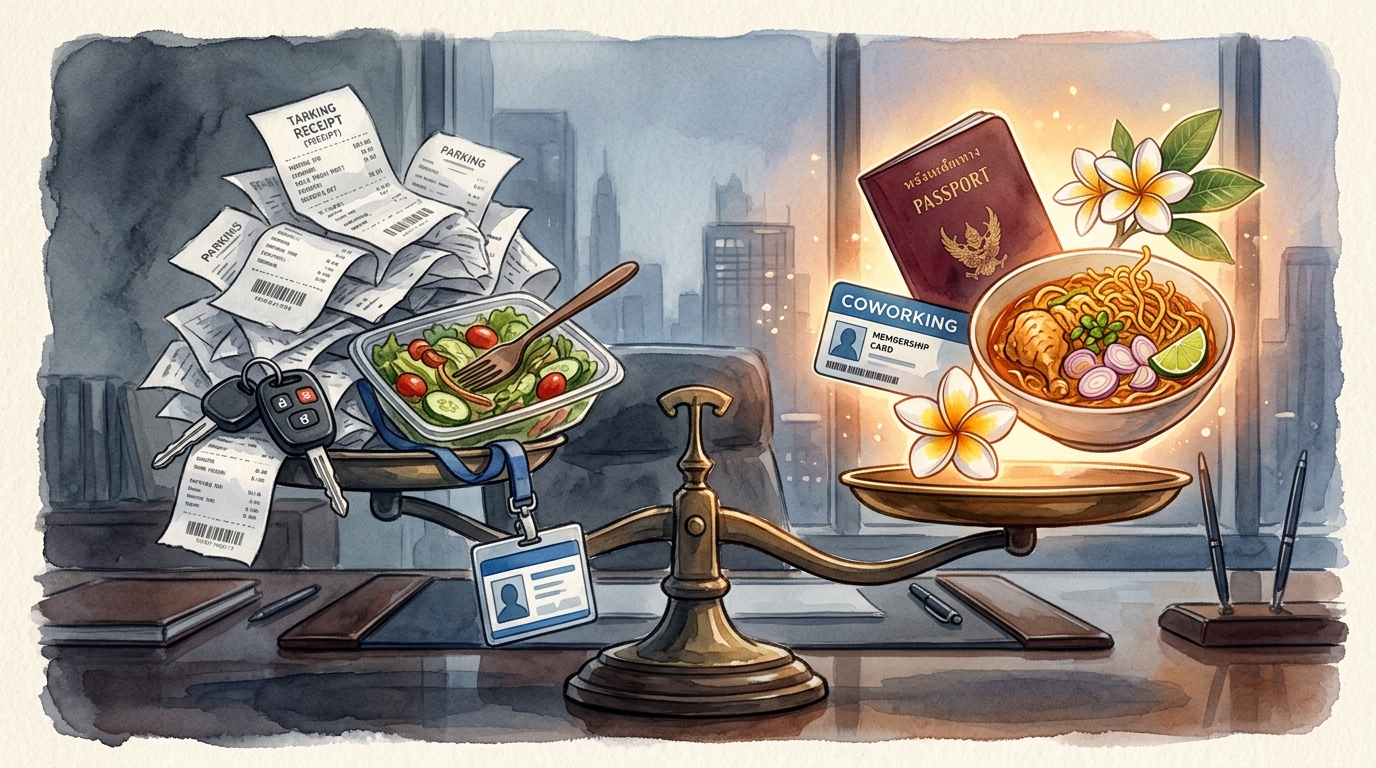
The average return-to-office worker spends $12,000-17,000/year on commuting, meals, and wardrobe. That same money covers a full year in Chiang Mai or Ho Chi Minh City. Here's the city-by-city breakdown.
Europe's Airbnb Crackdown 2026: What the EU's New Short-Term Rental Regulation Means for Your Next Trip
Starting May 2026, EU Regulation 2024/1028 forces platforms to verify hosts and share data with authorities. Barcelona is eliminating all tourist apartment licenses. Amsterdam cut its limit to 15 nights. Here's what travelers need to know about fewer listings, higher prices, and how to protect your booking.