Why Flights Are So Expensive Right Now (And What You Can Actually Do About It)
Key Highlights
- 1
- 2
- 3
+5 more in the takeaways below
You just watched your June flight to Lisbon jump from $680 to $1,100 in three weeks. You refreshed Google Flights like it was a stock ticker, hoping the number would drop. It didn't - not even close. And now you're wondering if summer travel is even worth it anymore.
What's happening right now started on February 28, 2026, and it's not going away soon. Here's why, and what you can do about it.
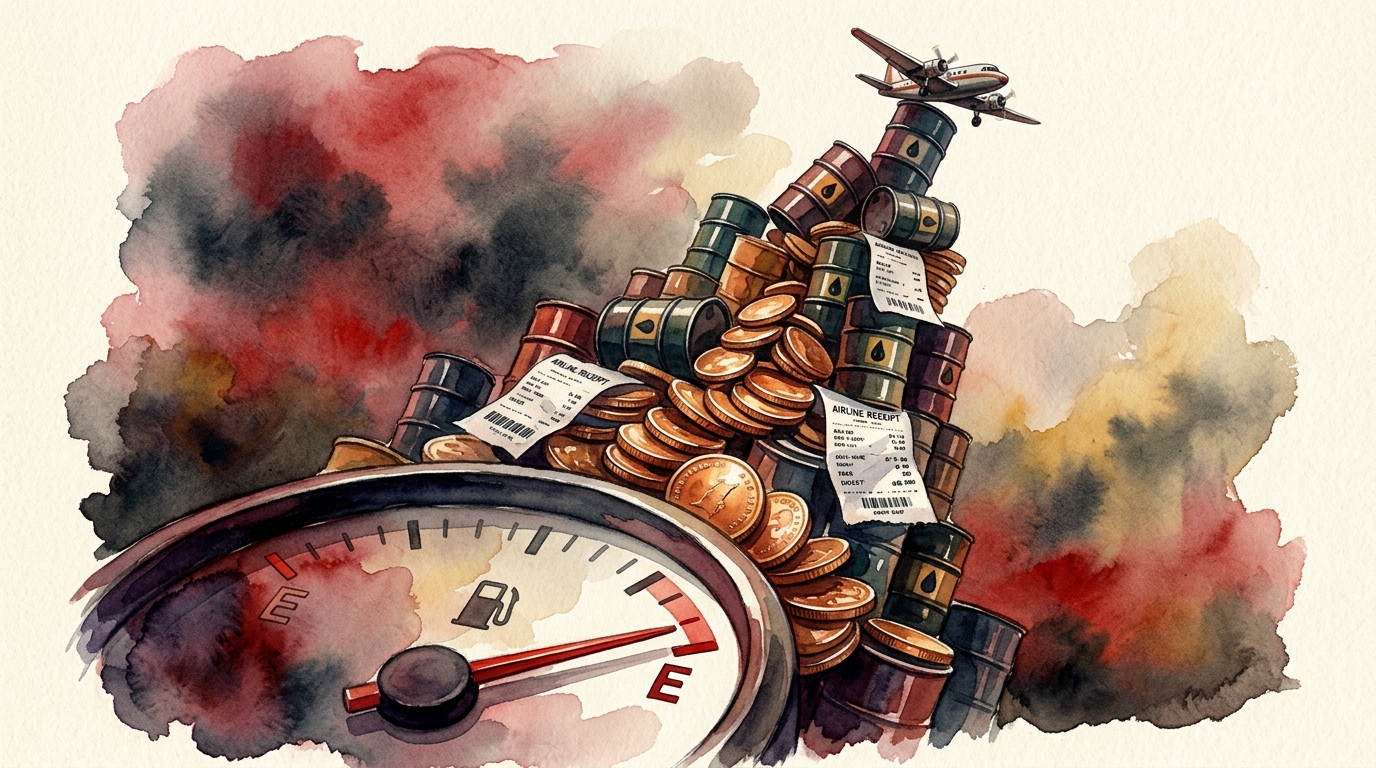
The Iran conflict and Strait of Hormuz closure sent jet fuel prices from roughly $85 to over $150 per barrel, and airlines are passing the cost directly to you. Fares are up 7% year-over-year, airlines have cut thousands of flights, and most US carriers dropped fuel hedging years ago. Your best moves: book now with flexible fares, fly in August instead of June, set price alerts, use rewards miles, and consider trains for European routes.
What Happened: The Fuel Crisis Explained
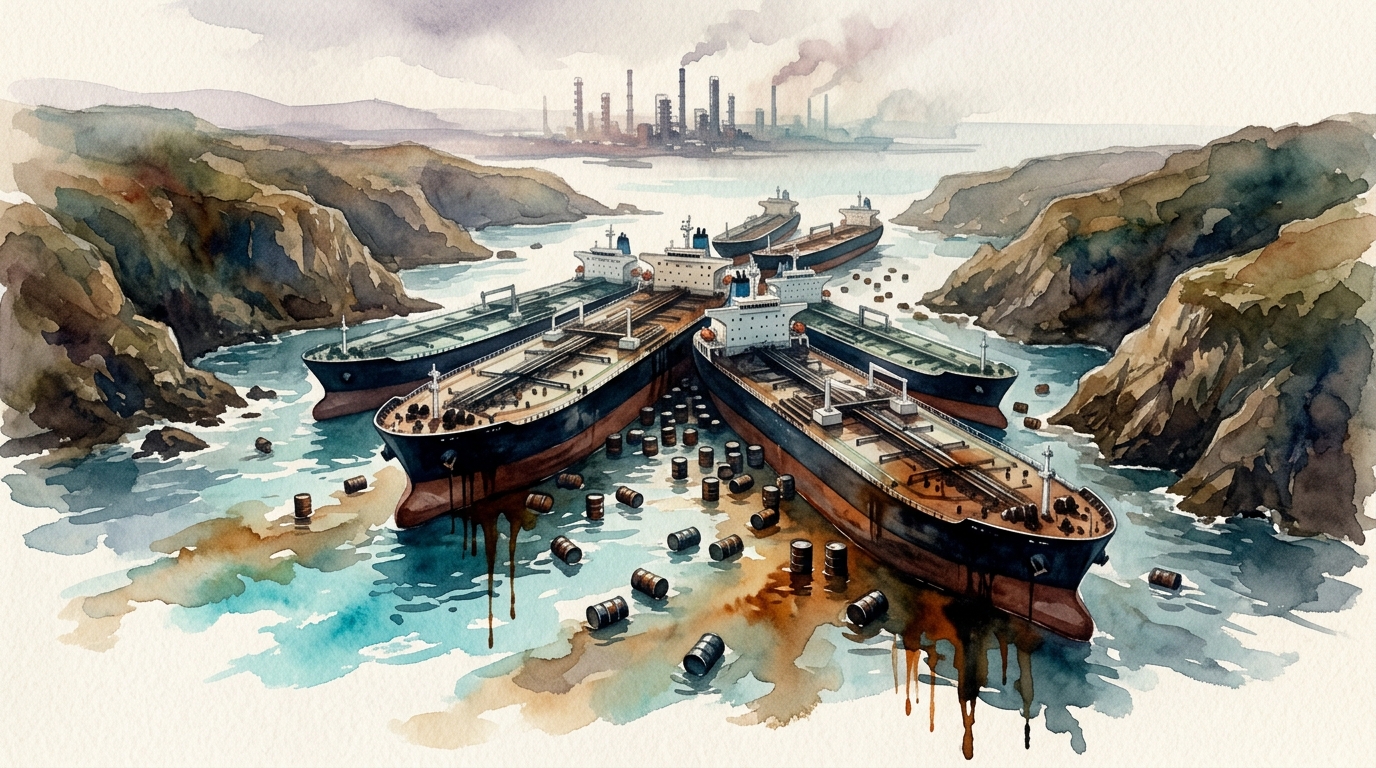
On February 28, 2026, the US and Israel launched joint strikes on Iran. Within days, Iran retaliated by attacking civilian ships and energy infrastructure in the Strait of Hormuz, the narrow waterway through which roughly 20% of the world's daily oil supply normally flows. By March 4, QatarEnergy had declared force majeure on all LNG shipments after Iranian attacks on its Ras Laffan facilities, and traffic through the strait ground to a halt.
The effect on oil markets was immediate. Brent crude, which sat around $72 per barrel on February 27, surpassed $100 on March 8 and hit $126 at its peak. As of early April, it's hovering around $112 per barrel. The International Energy Agency called it "the largest supply disruption in the history of the global oil market."
For airlines, fuel accounts for 20% to 30% of total operating costs. When fuel prices nearly double in a matter of weeks, every flight becomes dramatically more expensive to operate. CNBC reported that the cost to fill a Boeing 737-800 jumped from about $17,000 on February 27 to over $27,000 by March 5.
That $10,000 difference per fueling isn't abstract. It hits your ticket price directly. And it explains why your flight search results look like they belong to a different decade.
Why Airlines Can't Absorb the Shock Anymore
There was a time when airlines protected themselves from exactly this kind of crisis. It was called fuel hedging: buying fuel contracts at a fixed price months or years in advance, so that sudden spikes didn't obliterate their margins overnight. Southwest Airlines famously saved $1.3 billion in 2008 and $1.2 billion in 2022 through hedging during previous oil shocks.
But most US airlines abandoned the practice. Southwest, the last major holdout, ended its fuel hedging program in early 2026, just weeks before jet fuel prices doubled. CEO Bob Jordan's reasoning: "With the exception of a couple of positive years, it's not been beneficial to the company for the past 10 to 15 years." Wall Street transaction fees had gotten expensive, and airlines found they could simply raise ticket prices instead.
NPR put it bluntly: passengers now bear the brunt. When airlines hedged, they absorbed fuel shocks internally. Without hedging, those costs go straight to your credit card.
No major US airline currently hedges fuel costs. In Europe, easyJet is 84% hedged for the first half of 2026, and Lufthansa is 77% hedged. That's why European carriers have been slower to raise fares, though those contracts will expire by late summer.
The contrast between US and European carriers is striking. Ryanair locked in 80% of its fuel at about $67 per barrel before the crisis. US airlines? Completely exposed. That's a big reason why domestic fares have spiked faster than transatlantic ones.
The irony is hard to miss. Southwest's hedging program saved the airline $1.3 billion during the 2008 oil crisis and $1.2 billion when Russia invaded Ukraine in 2022. Both of those events caused the same kind of sudden fuel shock we're seeing now. The difference is that in 2008 and 2022, hedged airlines had a financial cushion. In 2026, US carriers have none - and every dollar of increased fuel cost flows directly into what you pay at checkout.
The Cancellation Wave: Fewer Flights, Higher Prices
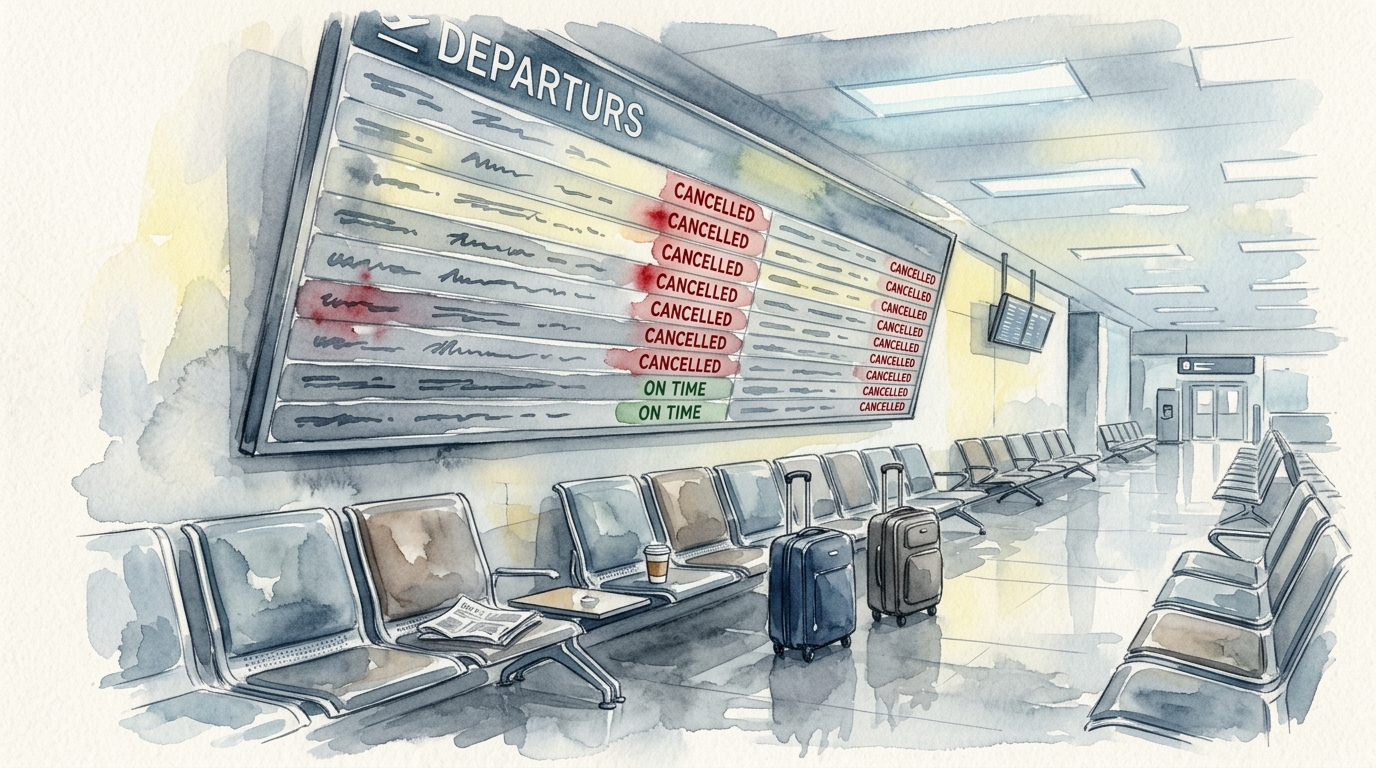
Airlines aren't just raising prices. They're also slashing capacity, which reduces supply and pushes prices even higher. The cancellation wave has been global and significant.
SAS cancelled over 1,000 flights in April alone, mostly on short-haul Scandinavian routes where margins are thinnest. The airline's CEO said it plainly: "The price of jet fuel has doubled in ten days." Air New Zealand followed with 1,100 flights cut between March 16 and May 3, affecting roughly 44,000 passengers.
In the US, United Airlines announced a 5% reduction in planned capacity for Q2 and Q3 2026. CEO Scott Kirby is preparing for oil above $100 through 2027, and warned that if prices hold, the airline faces an extra $11 billion in annual fuel costs. Most cuts target off-peak flying: red-eyes, Tuesday/Wednesday/Saturday departures, and Chicago O'Hare reductions.
Vietnam Airlines cancelled 23 weekly flights starting April 1. Thai Airways expects fares to rise 10% to 15%. Air France-KLM plans to raise long-haul ticket prices by 50 euros ($57) per ticket to offset fuel expenses.
| Airline | Action | Scale | Region |
|---|---|---|---|
| SAS | Flights cancelled | 1,000+ in April | Scandinavia |
| Air New Zealand | Flights cancelled | 1,100 (Mar 16 - May 3) | Domestic NZ |
| United Airlines | Capacity cut | 5% for Q2-Q3 | US domestic |
| Vietnam Airlines | Flights cancelled | 23 weekly flights | Asia |
| Air France-KLM | Fare increase | +€50 long-haul | Europe/global |
| Thai Airways | Fare increase | +10-15% | Asia |
The pattern is clear: airlines are simultaneously charging more and offering less. Fewer seats at higher prices, and the bargain-hunting strategies that worked two years ago are significantly less effective right now.
What You Can Actually Do About It
Here's the part most news articles skip. They'll tell you prices are up and leave you staring at your screen. But there are real strategies that work right now, even in a fuel crisis. None of them will bring back 2024 fares, but they can save you hundreds of dollars per booking.
1. Book Now, But Book Smart
Every airline analyst interviewed in the past month has said the same thing: fares are going up, not down. The Points Guy reports that domestic fares booked three weeks out have already increased 10% to 50% depending on the route. Waiting is a losing strategy.
But "book now" doesn't mean "buy the cheapest ticket you can find." Avoid basic economy fares. They're typically non-changeable and non-refundable, which means if prices drop or your plans change, you're stuck. Most US carriers now allow fee-free changes on standard economy and above, so book a flexible fare and monitor prices afterward. If your fare drops, you can often rebook and pocket the difference as a travel credit.
The math is simple. A $500 flight booked today with a changeable fare costs you $500. If it drops to $400 in two weeks, you rebook and get a $100 credit. If it rises to $650, you saved $150 by acting early. The only scenario where you lose is if you bought a non-refundable ticket and your plans change entirely. That's why the fare class matters more than the price itself right now.
2. Fly in August, Not June
If you have any flexibility on timing, August is the move. The Points Guy found that August fares are running 29% cheaper than December, with domestic flights averaging around $424 compared to $446+ in July and significantly more in June. The reason: schools across the US go back earlier and earlier, pushing peak demand into early summer. By mid-August, fewer families are traveling and airlines drop prices to fill seats.
The cheapest specific days? FareCompare data points to Saturdays, Tuesdays, and Wednesdays in August as consistently the lowest-priced days between Memorial Day and Labor Day.
Schools in the American South return as early as the first week of August. That means August 10 onward is prime territory for lower fares, especially on routes to popular domestic destinations and Europe.
3. Set Price Alerts and Use Flexible Dates
Google Flights price tracking lets you monitor routes and get email notifications when fares change significantly. Toggle "Track Prices" on any search and Google will alert you to drops. Combine this with the flexible dates calendar view, which shows you how shifting your travel by a day or two can save hundreds.
If your route is eligible for Google's price guarantee feature, take advantage of it. Google Flights tracks the exact itinerary, and if the fare drops, you get a refund automatically. This is essentially a free insurance policy on your booking.
Also worth knowing: the best booking windows haven't changed much despite the crisis. Domestic flights within the US still hit their cheapest range 1 to 3 months before departure, while international flights do best at 2 to 6 months out. What's changed is that the floor price is higher. You're still finding the best deal in those windows, it's just a more expensive best deal.
4. Cash In Your Rewards Miles Now
Miles and points don't fluctuate with fuel prices. Your 50,000 miles are worth the same whether jet fuel costs $85 or $150 per barrel. That makes this one of the best times in years to redeem them. The Points Guy notes that most US carriers allow full mile refunds on award bookings if plans change, giving you flexibility without financial risk.
One catch: some international airlines charge fuel surcharges (labeled YQ/YR) on award tickets, meaning you'll still pay a cash component. Cathay Pacific nearly doubled its fuel surcharges in March, with long-haul surcharges jumping to approximately $150 per one-way segment. US domestic carriers generally don't add fuel surcharges on award bookings, so this is mainly an issue for international redemptions.
If you're booking award travel internationally, some programs let you avoid surcharges entirely. The key is which frequent flyer program you book through, not which airline you fly. Do your research on this before redeeming, because it can mean the difference between $50 and $350 in cash on top of your miles.

5. Consider Trains for European Travel
If you're heading to Europe, the fuel crisis has made an already-strong case for rail travel even stronger. Skift reports that short-haul air travel within Europe is declining, driven largely by practical factors like high-speed rail expansion and, now, soaring flight costs. France, Germany, Italy, and Switzerland all have high-speed rail networks that connect major cities in 2-5 hours, often city center to city center.
New routes launching in 2026 include Zurich to Milan, Venice, and Florence via SBB and Trenitalia, plus a Rome-Munich high-speed connection via the Brenner Pass planned for December, with Frecciarossa trains covering the route in under 7 hours. For trips under 500km, trains are often faster than flying when you factor in airport security, boarding, and the commute to city centers on both ends. And we've covered this extensively in our guide to Europe's 2026 train revolution.
6. Watch for Hidden Fee Creep
Airlines aren't just raising base fares. CNBC reported that United raised baggage fees by $10 for first and second checked bags and $50 for third bags. JetBlue followed with similar increases. These add-on costs pile up fast on a family trip, so factor them into your total cost when comparing airlines. A flight that looks $50 cheaper might cost $80 more once bags and seat selection are included. If you're planning a trip and want to keep costs straight, tools like TripProf let you track all your travel expenses in one place, including those sneaky add-on fees that show up after booking.
For a deeper look at how budget carriers stack their fees, see our breakdown of what budget airlines hide behind low fares.
When Will Flights Get Cheaper?
The honest answer: not soon, but probably not never. United's CEO Scott Kirby is planning for oil above $100 through the end of 2027. That's the pessimistic scenario, but it's what the largest US carrier is budgeting around. The US government and allies have released 400 million barrels from strategic reserves, the biggest coordinated release on record, which should provide some price relief.
For summer 2026 specifically, the picture varies by month. June and July fares are already locked in at elevated levels. August offers meaningful savings. And by fall, United has signaled it plans to restore its full flight schedule, which should bring some relief through increased supply.
Airlines face an existential challenge. They will need to cut fares to stimulate weakening demand while higher fuel costs push them to increase fares. A perfect storm.
Rigas Doganis, aviation consultant and former Olympic Airways chief, via Euronews
That tension, between needing to fill seats and needing to cover costs, is what makes the next six months unpredictable. Airlines can't raise prices indefinitely without killing demand, but they can't absorb $11 billion fuel increases either. The most likely outcome is a gradual stabilization: fares stay elevated through summer, moderate slightly in fall, and settle into a new baseline that's higher than 2024-2025 levels but lower than the current spike.
The European hedging contracts are the other variable to watch. Lufthansa is 77% hedged for 2026, but easyJet's coverage drops from 84% to 62% in the second half. As those contracts roll off, European fares will likely climb further through late summer and into fall. If you're planning a European trip, booking sooner locks in prices before hedging protection expires.
- February 28, 2026 US and Israel launch strikes on Iran. Oil at $72/barrel.
- March 4 Strait of Hormuz effectively closed. QatarEnergy declares force majeure.
- March 8 Brent crude passes $100/barrel for first time since 2022.
- March 12-18 Air New Zealand cuts 1,100 flights. SAS cancels 1,000+. United cuts 5%.
- Late March Airlines raise fares and baggage fees across the board.
- April 2026 Brent crude at $112/barrel. Full impact hitting summer bookings.

Should You Cancel Your Summer Trip?
No. Cancel the mindset that 2024 prices are coming back this summer, and plan accordingly. Flights are more expensive, but travel itself doesn't have to be unaffordable. The people who'll get burned are the ones who wait, hoping prices drop, and end up paying peak rates for last-minute bookings with zero flexibility.
Here's what a practical adjustment looks like: fly in August instead of July. Book a standard economy fare with free changes. Set price alerts on three alternate dates. Use miles for the outbound leg and pay cash for the return. Take the train instead of a short-haul flight within Europe. These aren't compromises. They're just smarter planning.
If your flight does get cancelled in this chaos, know your rights. Airlines owe you rebooking or a full refund. We have a full guide on how to get your money back when your flight is cancelled.
And if you're worried about Middle East airspace affecting your route, check our practical guide on how to fly around the Middle East airspace crisis. It's also worth reviewing your travel insurance coverage to understand what's actually protected in the current environment.
One more thing worth mentioning: if you're booking through third-party sites like Expedia or Kayak, make sure you understand what flexibility you're getting. During a period of mass cancellations and schedule changes, booking directly with the airline often gives you better rebooking options. We've broken down exactly when third-party sites save you money and when they cost you in our direct vs. third-party booking guide.
- Book flexible fares now (avoid basic economy)
- Set Google Flights price alerts on your target routes
- Check if August dates save 20-30% vs. June/July
- Calculate total cost including baggage and seat fees
- Check rewards balances and consider redeeming miles
- Research train options for European short-haul segments
- Review your travel insurance coverage for cancellations

Frequently Asked Questions
Why are flights so expensive right now in 2026?
Jet fuel prices nearly doubled after the US-Israel strikes on Iran in February 2026 and the subsequent closure of the Strait of Hormuz, which carries 20% of the world's oil supply. Airlines are passing those costs directly to passengers through higher fares and fuel surcharges, especially in the US where carriers no longer hedge fuel costs.
Will flight prices go down in 2026?
Fares for June and July 2026 are largely set at elevated levels. August fares are running about 29% cheaper than peak months. United Airlines is planning for oil above $100 through 2027, but plans to restore full flight schedules by fall 2026, which could ease prices on some routes.
Is it cheaper to book flights now or wait?
Book now. Fuel prices remain elevated and airlines are continuing to raise fares. The key is to book a changeable fare (not basic economy) so you can rebook at a lower price if fares drop. Waiting has consistently been the more expensive strategy since the crisis began.
Why did airlines stop hedging fuel?
US airlines abandoned fuel hedging because Wall Street transaction fees grew expensive and, in most years, hedging didn't save money. Southwest Airlines was the last major US carrier to end its hedging program in early 2026. European carriers like Lufthansa and easyJet still hedge and are better protected from the current price shock.
Are airline rewards miles still worth using?
Yes, and this is one of the best times to use them. Miles don't fluctuate with fuel costs, so the same number of miles buys the same flight regardless of fuel prices. Most US airlines offer full mile refunds on award bookings. Watch for fuel surcharges on international carriers, which can add $100-150 per segment in cash.
Should I take the train instead of flying in Europe?
For routes under 500km, trains are often faster than flying once you account for airport logistics. High-speed rail in France, Germany, Italy, and Spain covers most major city pairs. New 2026 routes include Zurich to Milan and Florence, and a planned Rome-Munich high-speed connection via the Brenner Pass. Rail fares haven't been hit by the fuel crisis in the same way.
How much more are flights costing compared to last year?
US airfares are up 7.1% year-over-year as of February 2026, and that figure doesn't yet reflect the full impact of the March fuel shock. Domestic fares booked three weeks out have increased 10-50% depending on the route, and airlines including Thai Airways expect overall fare increases of 10-15%.
Key Takeaways
- The Iran conflict and Strait of Hormuz closure caused the largest oil supply disruption in modern history, nearly doubling jet fuel prices from roughly $85 to over $150 per barrel.
- US airlines stopped fuel hedging years ago. European carriers like easyJet (84% hedged) and Lufthansa (77% hedged) are better protected, but their contracts expire later this year.
- Airlines are cutting thousands of flights globally while raising fares and baggage fees. It's a double squeeze: fewer seats, higher prices.
- Book flexible fares now rather than waiting. Prices are rising, not falling, and changeable tickets let you rebook if a better deal appears.
- August 2026 is the sweet spot for summer travel: fares are roughly 29% lower than peak months as schools return early across the US South.
- Use rewards miles while they hold stable value. Miles don't inflate with fuel costs, so this is one of the best redemption windows in years.
- For European trips, explore rail alternatives. High-speed trains dodge the fuel crisis and often beat short-haul flights on total door-to-door time. Tools like TripProf can help you plan multi-modal trips that combine flights and rail where each makes the most sense.
- This isn't the end of affordable travel. It's a temporary shock with clear causes and predictable timelines. Plan around it, don't panic.
Sources
- CNBC: Flights are already getting more expensive after a jet fuel spike
- CNBC: United Airlines to cut more flights as it eyes oil above $100 through 2027
- CNBC: New fees, fewer flights: Higher fuel prices pinch consumer budgets
- NPR: Fuel hedging once kept airline prices down. Now passengers bear the brunt
- Euronews: Airlines cut flights and increase airfares as jet fuel price spikes
- Euronews: SAS to cancel 1,000 flights in April
- The Points Guy: Airfare is rising: Why you should book summer flights now
- The Points Guy: Return of fuel surcharges: Rising fees and fares hit flyers
- NerdWallet: Travel Inflation Report: March 2026
- Sherwood News: Southwest stopped fuel hedging a year ago. Whoops.
- 1News NZ: Air NZ to cancel around 1,100 flights amid fuel crisis
- Wikipedia: 2026 Strait of Hormuz crisis
- Wikipedia: 2026 Iran war fuel crisis
- Fortune: Current price of oil as of April 3, 2026
- Dallas Fed: What the closure of the Strait of Hormuz means for the global economy
- NPR: Oil prices surge, but no panic yet, as Iran war continues
- FareCompare: Cheapest Days to Fly in 2026
- Skift: Europe Travelers Swap Planes for Trains
- Irish Times: Ryanair to hold off jet fuel hedging in Iran war gamble
- Aerotime: Airline fuel hedging: who is protected in Iran's fuel crisis
- Going.com: Google Flights Price Guarantee: How to Lock In the Best Price
- Railtech: EuroCity: Trenitalia, SBB offer new Italy-Switzerland links
- Railtech: Rome to Munich: direct high-speed links between Germany, Austria and Italy by 2026
Last updated: July 3, 2026
Keep Reading
More travel tips and guides picked for you

Christmas markets from London by train: what 3 nights really costs per person in 2026
Three nights at a Christmas market from London cost £426 to £704 per person. We priced Eurostar fares, central hotels and food for Lille, Brussels, Bruges and Cologne.
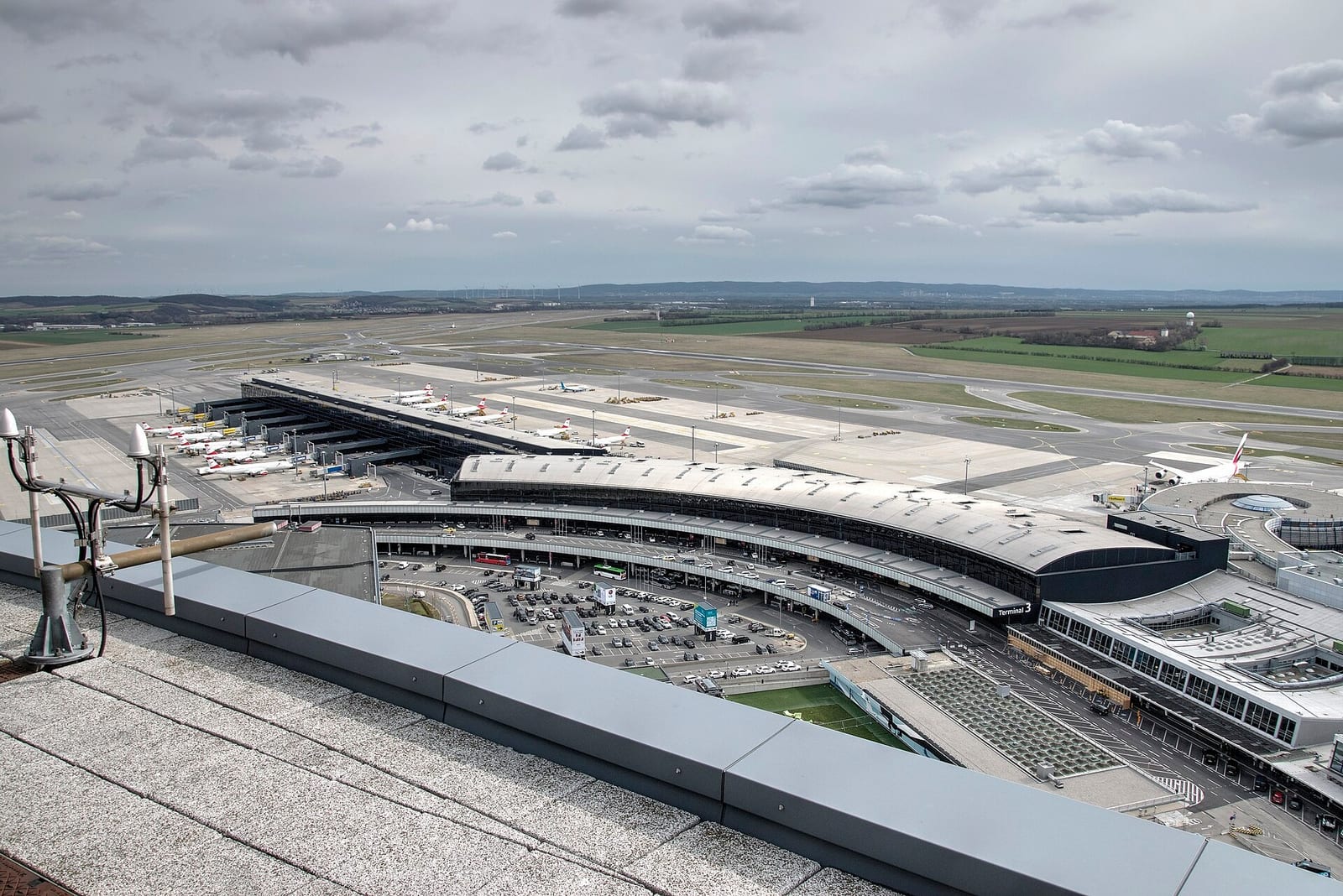
Wizz Air and Ryanair are cutting Vienna flights: what to book instead
Wizz Air has fully left Vienna and Ryanair has cut five aircraft over Austria's aviation tax. Here's exactly what changed, why it happened, and how to still book a cheap flight this winter.
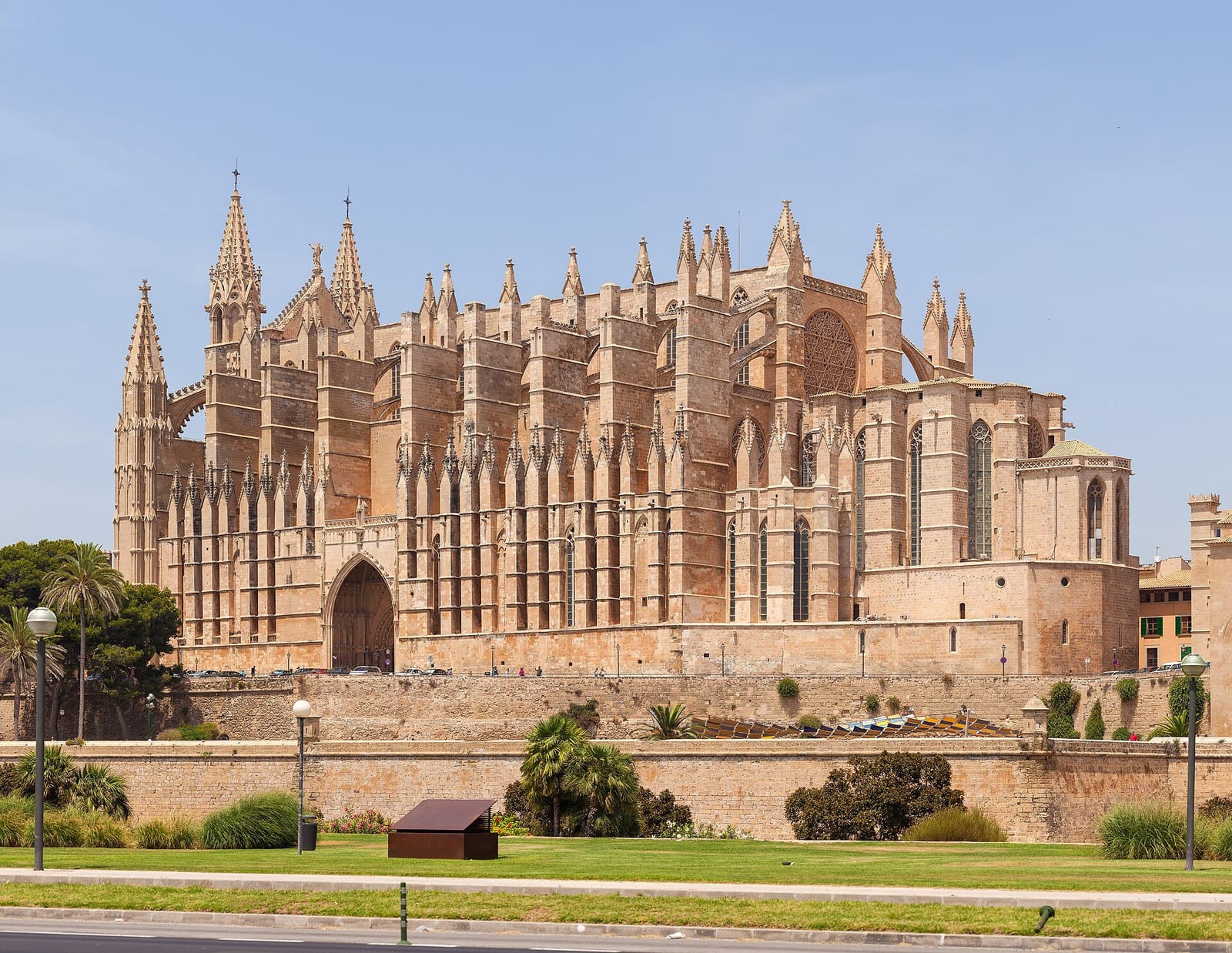
Mallorca's tourist tax hike got cancelled. Here's what a 2026 trip really costs
The Balearic tourist tax hike everyone's still warning about got cancelled in February. Here's what a week on Mallorca actually costs in 2026, flights, hotel, tax, and food, with real numbers.