ETIAS Explained for Americans: What the New €20 Europe Entry Rule Means for Your Trip
Key Highlights
- 1
- 2
- 3
+5 more in the takeaways below
You're planning a trip to Europe. Flights booked, hotels shortlisted, itinerary taking shape. Then someone forwards you an article about "ETIAS" and suddenly you're reading about fees, authorizations, biometric borders, and a website you're not sure is real.
Here's the short version: ETIAS for Americans in 2026 is not yet required. The EU has withdrawn its target launch window, and the official ETIAS site now says only that the system is not in operation and no applications are being collected. Until a real date arrives, you do not need to do anything. What you should do right now is understand exactly what's coming, what it costs, and how to avoid the scam sites already charging people money for a system that doesn't exist yet.
ETIAS is a new €20 pre-travel authorization for Americans visiting 30 European countries. It takes about 10 minutes online and is valid for 3 years. There is no launch date: the EU targeted the last quarter of 2026, then dropped that window, and the official site now promises only to announce the start "several months prior to its launch." A 12-month transitional window follows whenever launch happens, so full enforcement lands roughly a year after that. It is NOT a visa. Do not apply anywhere today: the system isn't open yet, and any site accepting applications is a scam. If you're also visiting the UK, you need the separate UK ETA (£16, already live and mandatory since February 2026).
What ETIAS Is (and What It Definitely Is Not)
ETIAS (the European Travel Information and Authorisation System) is a pre-travel online authorization that visa-exempt travelers will need before entering 30 European countries. You apply online before your trip, pay a one-time fee, and receive an authorization linked electronically to your passport. At the border, there's no separate document to show: the check is automatic. The official application portal is at travel-europe.europa.eu/en/etias.
The thing that confuses most people is what ETIAS is not. It is not a visa. You are not being screened for residency or work authorization. It's a pre-screening system: the EU's way of running a security and eligibility check on visa-exempt travelers before they board a plane, rather than sorting that out at the border queue. Think of it like a background check that takes 10 minutes and lasts three years.
The countries covered are the 26 Schengen Area members plus four associated countries: Iceland, Liechtenstein, Norway, and Switzerland. That list includes the big ones Americans visit most: France, Spain, Italy, Germany, Greece, Portugal, the Netherlands, and more. Ireland is not included. 30 countries, one authorization. If you're flying into Dublin, no ETIAS needed. Ireland operates its own separate visa policy and is not part of the Schengen Agreement.
The full list of 30 ETIAS countries: Austria, Belgium, Bulgaria, Croatia, Cyprus, Czech Republic, Denmark, Estonia, Finland, France, Germany, Greece, Hungary, Iceland, Italy, Latvia, Liechtenstein, Lithuania, Luxembourg, Malta, Netherlands, Norway, Poland, Portugal, Romania, Slovakia, Slovenia, Spain, Sweden, and Switzerland. If Prague is on your list, our 3-day Prague itinerary walks through exactly what you will need on the ground.
The Timeline: What's Already Live and What's Still Coming
There are two separate EU border systems that affect American travelers, and they launch at different times. Conflating them is the #1 source of confusion on travel forums right now. One is already live and happens at the border without any action from you. The other is a pre-trip application you'll complete at home. They have different names, different purposes, and different timelines. Let's separate them cleanly.
March 5, 2025: EU Home Affairs Ministers endorse revised timelines for both EES and ETIAS, targeting ETIAS for the last quarter of 2026. That window has since been dropped.
July 2025: EU officially confirms the ETIAS fee at €20, increased from the original €7 to cover operational costs and inflation.
October 12, 2025: EES (Entry/Exit System) goes live: biometric data (fingerprints and facial images) collected at Schengen borders. No application needed; it happens automatically at the border.
April 10, 2026: EES becomes fully operational at every external Schengen border, completing the rollout that began in October 2025.
February 25, 2026: UK ETA becomes mandatory for American travelers to the UK. Already required and already enforceable.
Mid-2026: The official ETIAS page drops the Q4 2026 window. It now states only that the system is not in operation.
ETIAS launch: no announced date. The EU says it will give several months' notice before the system goes live.
~6 months after launch: Transitional period ends. ETIAS required for most travelers. Morgan Lewis reports a second 6-month grace window after that, where only first-time arrivals may enter without approval.
~12 months after launch: Grace period ends. ETIAS fully mandatory for all travelers.
The practical takeaway: no trip you can book today needs ETIAS, because the system has no start date and the EU has promised months of notice before it gets one. Watch for that announcement. Until it comes, do nothing: no pre-registration, no "early applications," nothing.
EES vs ETIAS: The Distinction That Matters
These two systems share the same news cycle and constantly get merged into one story. They are fundamentally different.
| System | Purpose | When | Who Does It | Cost |
|---|---|---|---|---|
| EES | Biometric border tracking: records your entry and exit dates | At the border, on arrival | Border officer or automated kiosk | Free |
| ETIAS | Pre-travel authorization: security screening before you fly | Before you book your flight (or well before departure) | You apply online | €20 |
EES is already live as of October 2025. You'll notice it at the border: fingerprint readers, facial image capture, the kind of process that US Customs has been running on foreign visitors for years. ETIAS is the system you interact with weeks or months before your trip, closer to how ESTA works when foreigners visit the United States.

ETIAS vs ESTA: How They Compare
If you've ever visited the US from abroad and filled out an ESTA (Electronic System for Travel Authorization), ETIAS will feel immediately familiar. It's built on the same concept. The US developed ESTA first; the EU is essentially building its equivalent for visitors entering the Schengen Area.
| ESTA (US) | ETIAS (EU) | UK ETA | |
|---|---|---|---|
| Who needs it | Visa-exempt foreign nationals visiting the US | Visa-exempt nationals visiting 30 European countries | Most non-British visitors to the UK |
| Who it affects (Americans) | Not applicable: you're American | You, when visiting Schengen Europe | You, when visiting the UK |
| Cost | $40 USD | €20 (~$23 USD) | £16 now; £20 from April 8, 2026 |
| Validity | 2 years | 3 years | 2 years |
| Application method | Online, ~15 min | Online, ~10 min | Mobile app, ~10 min |
| Decision time | Seconds to days | Minutes to 30 days | Minutes to 1 day |
| Currently required | Yes (long-established) | No (date not announced) | Yes (since Feb 2026) |
ESTA fee and validity data: US CBP official ESTA site.
The key difference beyond timing: ETIAS has a longer validity period (3 years vs ESTA's 2) and applies to 30 countries with a single application. One authorization covers a trip that starts in Paris, continues to Berlin, and ends in Barcelona.
ETIAS functions as pre-screening for visa-exempt travelers. The EU Home Affairs guidance states that "approval is required before boarding your flight," meaning airlines will check at check-in, not just border officers on arrival.
How to Apply for ETIAS (When the Time Comes)
The ETIAS application portal is not yet live. No application is currently possible. When it opens - the EU will announce a date at least six months in advance - here is exactly how the process will work.
- Go to the official site only: europa.eu/etias This is the only legitimate application portal. Do not use any other site, regardless of how official it looks. The Frontex ETIAS Central Unit has already identified over 100 fake sites.
- Have your biometric passport ready You need a valid biometric passport (machine-readable, with the chip symbol on the cover). It must not expire within 3 months of your planned departure from the Schengen Area, and it must not be older than 10 years.
- Fill in the application form (~10 minutes) You'll provide: full name, date of birth, nationality, passport number and expiry date, contact information, travel plans (first country of entry), and answers to security/health/background yes-or-no questions.
- Pay the €20 fee One application, one payment. No additional fees, no agency charges. If any site asks for more than €20, it is not the official portal.
- Wait for the decision Most applications are decided within minutes. In cases requiring additional review, decisions can take up to 30 days. Apply well before your trip.
- Keep your passport No separate document or printout is needed. Your ETIAS authorization is stored electronically and linked to your passport number. The border check is automatic.
Most ETIAS decisions come within minutes. Applications flagged for manual review take up to 96 hours; only a small fraction requiring an interview can take up to 30 days. As a practical rule: apply at least three weeks before your departure date, and before locking in non-refundable tickets.
Passport Rules That Will Trip People Up
The Schengen Area has specific passport validity requirements stricter than many travelers expect. Your passport must be valid for at least 3 months beyond your planned departure date from the Schengen Area: not just valid for the duration of your trip. The US State Department recommends at least 6 months of remaining validity to be safe.
Your passport must also have been issued within the last 10 years. If you renewed a passport and your previous one was issued more than 10 years ago, the ETIAS system may flag the discrepancy. Check the issue date, not just the expiry date.
Double-check both the expiry date AND the issue date. A passport issued in 2014 and renewed in 2024 is fine. But a passport still technically valid that was issued over 10 years ago won't be accepted for ETIAS. Renew it before you apply.
Rick Steves' ETIAS overview for American travelers is a good plain-English resource to bookmark.

The Scam Problem: 100+ Fake ETIAS Sites Already Exist
Here's the part most travel coverage buries in a footnote, but it deserves its own section. The scam infrastructure around ETIAS is already mature, and the real system hasn't even launched yet.
Frontex, the EU Border and Coast Guard Agency that will operate the ETIAS Central Unit, has already identified over 100 unofficial websites presenting themselves as ETIAS application portals. Some mimic the official EU layout. Some use official-sounding domain names. Several are already charging fees ranging from €30 to €100+ for an authorization that doesn't exist yet and costs €20 from the official source.
"We are aware of several sites that claim to already accept ETIAS applications. Travellers should be very cautious about those websites, as it is not currently possible to apply for an official ETIAS travel authorisation since the system is not operational yet."
François Laruelle, Director of the ETIAS Central Unit Division at Frontex
If a site is accepting ETIAS applications today, in March 2026, that site is a scam. Full stop. The risks go beyond financial loss: Frontex warns these sites harvest passport details, contact information, and payment data, creating real identity theft exposure.
Three things to remember:
- The only legitimate ETIAS website is europa.eu/etias. It currently redirects to an information page because the system isn't open yet.
- The official fee is €20. Any site charging more is not the official portal.
- No legitimate ETIAS authorization exists yet. Anything you "receive" from an unofficial site has no legal validity and won't be recognized at any European border.
The same scam ecosystem surrounds ESTA and the UK ETA. For ETIAS, the multi-year gap between announcement and launch means the scam window has been open far longer. Don't let urgency or confusion push you toward a fake site.
Planning a UK + Europe Trip? You Need Both
A common American itinerary: fly into London, take the Eurostar to Paris, continue through Europe. After ETIAS launches, that trip involves two separate pre-travel authorizations from two different systems.
The UK ETA is already live. It became mandatory for American travelers on February 25, 2026. It costs £16 (rising to £20 on April 8, 2026), is valid for 2 years, and you apply through the UK ETA app. Most decisions come within minutes. The Home Office recommends applying at least three working days before travel.
Once ETIAS launches, Americans doing a combined UK + Europe itinerary will need:
- UK ETA: for any entry into the United Kingdom
- ETIAS: for any entry into the 30 Schengen + associated countries
These are entirely separate systems with separate applications, separate fees, and separate portals. There is no bundled EU/UK authorization. A London-Paris-Barcelona-Lisbon trip, once ETIAS is live, would require UK ETA (£20) + ETIAS (€20), totaling roughly $47-50 at current exchange rates. Both are valid for multiple years, so for repeat travelers, they each pay for themselves quickly.
If you're planning a multi-destination European trip, our guide to planning a multi-city Europe trip covers the logistics: transport between cities, how to sequence destinations, and the most common planning mistakes. Canadian travelers face the identical delay: see what actually changes for a Canada-to-Europe trip and how to avoid the fake application sites already exploiting the confusion.

What You Should Actually Do Right Now
Not whenever ETIAS eventually opens. Now, in the window between EES going live and ETIAS coming online. The preparation is fairly straightforward: it's mostly about checking what you already have and setting reminders for what's still coming. None of it requires paying anyone anything today.
- Check your passport: valid at least 6 months beyond your planned return date, issued within the last 10 years
- If visiting the UK: apply for the UK ETA now (required since February 2026, costs £16 via the UK ETA app)
- Bookmark europa.eu/etias as the only legitimate source for ETIAS applications when the system opens
- Do NOT apply for ETIAS anywhere today: no legitimate application system exists yet
- Set a calendar reminder for Q3 2026 to watch for the EU's official ETIAS launch announcement
- Once the EU announces a launch date, build ETIAS application time into any trip that falls after it (apply as soon as the portal opens)
- Store your travel documents securely
For organizing your travel documents, our travel document checklist covers what to keep and how to access it offline.
When the EU publishes the official ETIAS launch date, the announcement will appear first on the European Commission's Home Affairs news page at home-affairs.ec.europa.eu and on the official ETIAS information site at travel-europe.europa.eu/en/etias. EU Commission press releases will follow the same day. The safest approach: bookmark both of those pages, not a third-party travel blog's interpretation of them. Do not rely on social media posts or news summaries as your primary confirmation that the system is live. Check the source directly.
If you've traveled to Schengen Europe since October 2025, you've already encountered EES at the border. For first-time EES travelers, here's what to expect: at the Schengen entry point, a border officer or automated kiosk will scan your fingerprints (typically all four fingers) and take a facial image. Your entry date, entry point, and biometric data are logged in the system. On exit, the system records your departure. This replaces the old passport stamp system for tracking the 90-day rule. The process takes roughly 30 to 60 seconds per traveler. No action is required from you in advance - it happens at the counter.
ETIAS is the separate pre-travel piece that comes later this year.
For Americans who travel to Europe regularly, ETIAS will be a minor formality: 10 minutes, €20, valid for three years. The bigger adjustment is mental: remembering it's now a step in the planning process, not something to sort out at the airport. Our how EES works at European borders right now covers the biometric border system already in operation, if you want to understand what's already happening at European borders.
Frequently Asked Questions
Do Americans need ETIAS to visit Europe in 2026?
No. ETIAS has no launch date at all: the EU dropped its Q4 2026 target and has not replaced it. Until the system officially launches, Americans can visit Schengen Europe with just a valid US passport. Once ETIAS is live, it will be required for all visa-exempt travelers including Americans.
When exactly does ETIAS start?
Nobody knows, including the EU. Ministers endorsed a Q4 2026 target back in March 2025, but that window has since been removed from the official ETIAS page, which now says the system "is currently not in operation" and that the EU "will inform about the specific date for the start of ETIAS several months prior to its launch." No new date has been published. Whenever it does launch, a transitional period and grace window allow entry without ETIAS authorization for roughly 12 months after.
How much does ETIAS cost and how do I apply?
ETIAS costs €20 per application (approximately $23 USD). Travelers under 18 and over 70 are fee-exempt but must still apply. Applications are online only, at europa.eu/etias. The system is not yet open: do not apply anywhere until the official launch is announced.
How is ETIAS different from ESTA?
ESTA is the US equivalent that foreign visitors use to enter the United States. ETIAS is the EU's version for visitors entering Schengen Europe. Both are online pre-travel authorizations with similar application processes (~10-15 minutes). The fees diverged in late 2025: ETIAS costs €20, while ESTA rose to $40 (effective September 30, 2025). ETIAS offers a longer validity period of 3 years vs ESTA's 2 years, and covers 30 countries with one application.
What if ETIAS launches while I've already booked a trip?
If ETIAS launches in October 2026 and you've booked a November 2026 trip, you simply need to apply before your departure. Morgan Lewis reports a transitional period after launch where entry without ETIAS is still permitted, followed by a 6-month grace window. Watch the EU's official announcement and apply as soon as the portal opens.
Do children need ETIAS?
Children under 18 must apply for ETIAS but are fee-exempt: they won't pay the €20. The same fee waiver applies to travelers over 70. Every traveler, regardless of age, needs their own authorization linked to their own passport.
If I'm visiting both the UK and Europe, do I need both ETA and ETIAS?
Yes. The UK ETA and ETIAS are completely separate systems for separate destinations. The UK ETA (£16, rising to £20 from April 8, 2026) is already mandatory for Americans. ETIAS (€20) has no announced launch date for Schengen Europe. A trip combining both requires both authorizations, applied for separately, on separate portals, with separate fees.
Key Takeaways
- ETIAS is not yet required, and has no start date. The EU dropped its Q4 2026 target without replacing it. Americans visiting Schengen Europe need only a valid US passport.
- The UK ETA is already required, since February 25, 2026. If you're visiting the UK, apply now via the UK ETA app. It costs £16 (rising to £20 on April 8, 2026).
- ETIAS costs €20, is valid 3 years, and covers 30 countries. Under-18s and over-70s are fee-exempt but must still apply.
- Do not apply anywhere today. Over 100 scam sites are already collecting money and passport data for an authorization that doesn't exist yet. Only europa.eu/etias will be the legitimate portal.
- Ireland is excluded. It's not part of Schengen and won't require ETIAS.
- EES and ETIAS are different systems. EES is the biometric border tracking that has been fully operational since April 2026. ETIAS is the pre-travel authorization, and it has no launch date.
- Check your passport now: valid for at least 6 months beyond your return date, issued within the last 10 years.
- For complex multi-destination trips, TripProf includes an Entry Requirements section in personalized travel guides that flags ETIAS, ETA, and visa requirements based on your specific itinerary and travel dates.
The shift here is real but manageable. Europe's borders are modernizing the same way US Customs modernized years ago and the same way Australia and Canada have run pre-travel authorization systems for over a decade. ETIAS is a 10-minute, €20 formality. The only people who will have problems are those who don't know it's coming, or those who get caught by a scam site. You're now neither of those people.
Sources
- European Commission Home Affairs: Revised Timeline for EES and ETIAS (March 2025)
- European Commission Home Affairs: ETIAS Fee Confirmed at €20 (July 2025)
- European Commission Home Affairs: EES vs ETIAS Main Differences (January 2026)
- Frontex: Beware of Risks Posed by Unofficial ETIAS Websites
- Morgan Lewis: EU Update on EES and ETIAS Implementation Timelines, Phased Rollout Confirmed (July 2025)
- EU ETIAS Official Site
- UK Home Office Media: Electronic Travel Authorisation (ETA) Factsheet (March 2026)
- UK Government: How to Apply for an Electronic Travel Authorisation (ETA)
- Rick Steves: Europe Visa Waiver Information
- US State Department: Schengen Area Travel Information
- US CBP: ESTA Fee Change Announcement (September 2025)
- US CBP: Official ESTA Site
- Australian Department of Home Affairs: Electronic Travel Authority (ETA)
- Europe's Entry/Exit System: What It Means for Your Trip (2026)
- The Travel Document Checklist You Actually Need (2026)
- How to Plan a Multi-City Europe Trip (2026)
Last updated: September 19, 2026
Keep Reading
More travel tips and guides picked for you
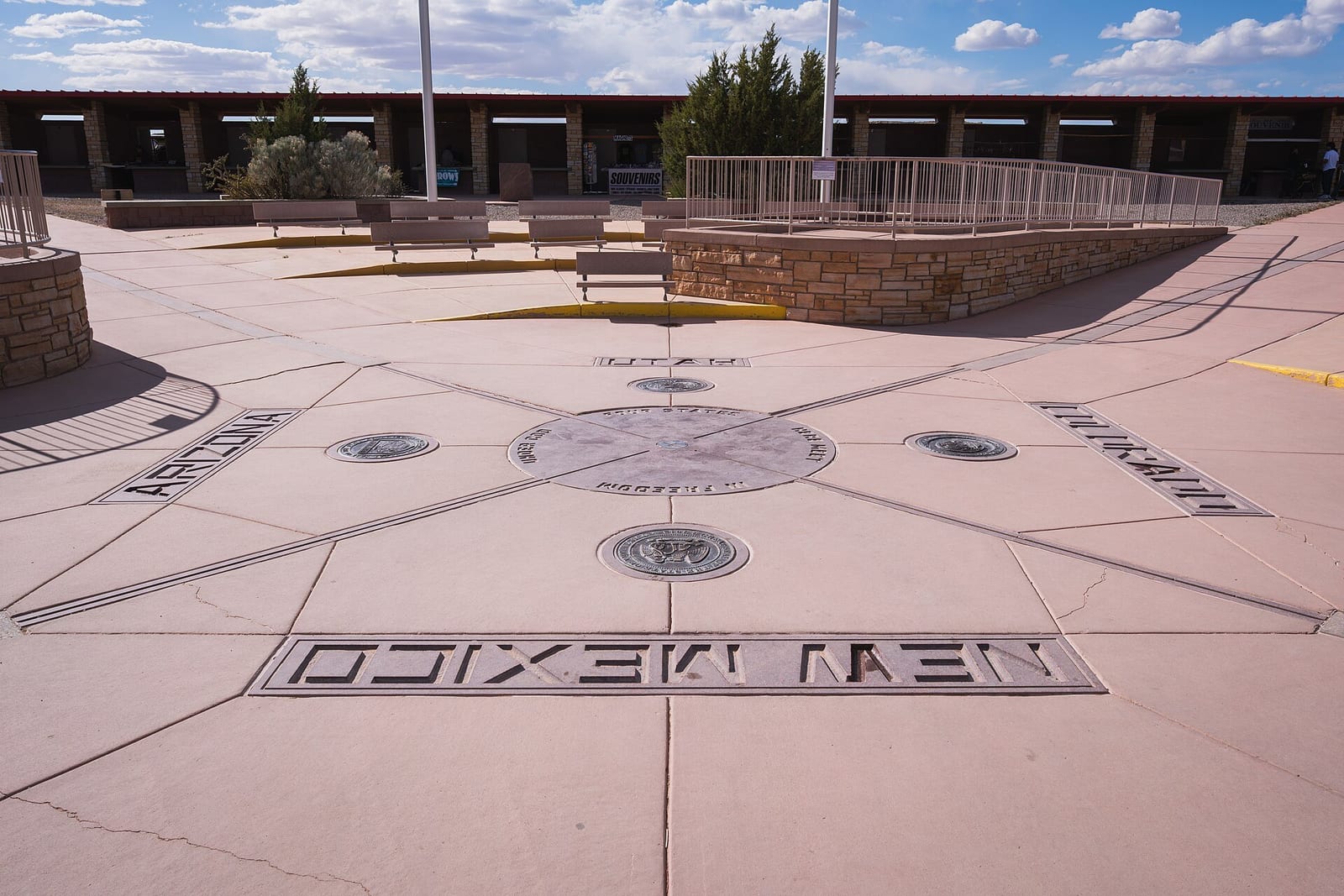
What counts as visiting a state? Layovers, drive-throughs and the rules 50-staters use
Only 2% of Americans name a plane change as the minimum that counts as visiting a state, while 27% set the bar at driving through. Here's a three-tier rubric, a lookup table for the edge cases from Four Corners to D.C., and one trip counted three ways.

The fake SBB ticket website stealing credit card and Twint data from travelers
Zurich cantonal police confirmed a fake SBB ticket website is stealing credit card and Twint payment details from travelers who find it through an ordinary Google search. Here is how to spot it and what to do if you already paid.

UK ETA scam warning: fake websites are charging Austrians up to €900
Fake UK ETA websites are charging Austrian and EU travellers hundreds of euros for a form that costs £20. Here's how the real one works, and how to spot a scam before you pay it.
Plan Your Next Trip
Ready-made itineraries for this destination
