Why Turkey Is So Expensive Now: What Changed and How to Still Get Value in 2026
Key Highlights
- 1
- 2
- 3
+5 more in the takeaways below
You're at a rooftop restaurant overlooking the Bosphorus, the bill arrives, and you do a double take. That kebab dinner just cost more than a similar meal in Madrid. The Dolmabahce Palace ticket you bought this morning? 570% more than it was three years ago. Turkey in 2026 is genuinely expensive for travelers compared to what your friend experienced in 2019. But as of spring 2026, it's not a rip-off either. The truth is more interesting than that.
Turkey's prices have surged due to 30%+ inflation, a collapsing lira, deliberate government pricing policies for foreign tourists, and Middle East airspace disruptions pushing up flight costs. Hotels have doubled or quadrupled since 2017, museum fees for foreigners jumped 460% to over 900% depending on the site, and alcohol carries an effective 65%+ tax rate. But street food, domestic flights, and local transport remain genuinely cheap. Turkey is still 25-50% cheaper than Greece overall. The key is knowing which categories got expensive and which didn't.
The Numbers Behind the Sticker Shock
Turkey's annual inflation rate hit 30.87% in March 2026, down from a peak of 68.5% in March 2024 but still punishing for anyone spending money there. The hotel, cafe, and restaurant sector is running even hotter at 31.66%. That means prices across the hospitality industry are roughly doubling every two and a half years in lira terms.
Here's the thing most budget guides miss: the lira's collapse doesn't automatically make Turkey cheaper for you. Yes, the USD/TRY rate hit 44.58 in early April 2026, meaning your dollar buys more lira than ever. But Turkish businesses have adapted. Hotels, restaurants in tourist zones, and attractions increasingly price in euros or peg their lira prices to foreign currency benchmarks. The devaluation helps locals lose purchasing power. It doesn't guarantee foreigners get a deal.
The inflation numbers alone don't explain the full picture, though. Turkey's government has made deliberate policy choices that target tourist wallets specifically.
The Dual-Pricing System: Foreigners Pay 7-10x More
This is the single biggest change most visitors don't know about until they're standing at a ticket booth. Turkey has implemented an aggressive dual-pricing system at state-run museums and attractions where foreign tourists pay dramatically more than Turkish citizens. The gap isn't subtle. It's 7 to 10 times higher for the same ticket.
Take a look at what you'll pay at Istanbul's biggest draws in 2026:
| Attraction | Foreign Tourist Price (2026) | What It Was (2022) | Change |
|---|---|---|---|
| Hagia Sophia | EUR 25 | Free | From free to EUR 25 |
| Topkapi Palace + Harem | 2,750 TL (~EUR 55) | ~450 TL | ~510% increase |
| Galata Tower | EUR 30 | ~100 TL | ~10x increase |
| Dolmabahce Palace | 2,000 TL (~EUR 40) | 300 TL | 570% increase |
| Basilica Cistern | 1,950 TL (day) / 3,000 TL (evening) | ~350 TL | ~460% increase |
A single day hitting Istanbul's top five sights now costs a foreign visitor roughly EUR 150-180 in entrance fees alone. Three years ago, that same circuit would have run you under EUR 30.
Dolmabahce admission was 300 TL in May 2022... now 2,000 TL. That's a 570% increase in 3 years.
- Rick Steves Forum user, 2026
What about the Istanbul Museum Pass? At roughly EUR 105 for five days, it covers Topkapi Palace and the Archaeological Museums but pointedly excludes Hagia Sophia, Basilica Cistern, and Dolmabahce Palace. You'll still pay separately for the three most popular sites. The math works if you're visiting four or more included museums in five days, but it won't shield you from the biggest ticket prices.
These price hikes aren't just inflation catching up. They represent a deliberate government strategy to extract more revenue per foreign visitor. Turkey hit $65.23 billion in tourism revenue in 2025 while foreign arrivals grew only 0.3%, which means nearly all the revenue growth came from higher spending per tourist, not more tourists.
Hotels: The Category That Hurts Most
Accommodation is where Turkey's price transformation is most dramatic. Istanbul hotel prices have more than doubled since late 2021 and quadrupled since 2017. Antalya resort hotels have tripled in the same period. A five-day trip for four people to Antalya or Bodrum now runs approximately roughly EUR 3,500-5,000, which one Turkish travel industry analysis compared to the cost of a similar trip to Dubai.
Here's what hotel pricing looks like across tiers in 2026:
- Budget (hostels, guesthouses): $30-80/night
- Mid-range (3-4 star): approximately $80-150/night
- Upscale (5-star): approximately $180-320/night, with high-end resorts reaching $900+ during peak season
Those budget numbers still look reasonable in isolation. But the mid-range tier is where the pain concentrates. A decent 3-star hotel in Sultanahmet that cost $40/night in 2019 now goes for $100-120. The hotels haven't changed. The neighborhood hasn't changed. The prices have. And in peak season (July-August), even budget options get squeezed: expect to pay $60-80 for a basic guesthouse in Istanbul's tourist core, prices that would have booked you a solid 4-star just five years ago.
Antalya and the Aegean coast tell a similar story. All-inclusive resorts that were Turkey's signature value proposition have repriced to match Mediterranean competitors. A week at a 4-star all-inclusive in Antalya now runs EUR 800-1,200 per person, territory that overlaps directly with similar packages in Crete or the Costa Brava.
The 2% accommodation tax on all hotel stays (in effect since January 2023) adds another small cost on top. It's minor compared to the base price increases, but it adds up over a multi-night stay.
Book direct with Turkish hotels via WhatsApp or email instead of through Booking.com. Many properties offer 10-20% lower rates to avoid platform commissions, and they're more willing to negotiate on longer stays.
German tourist arrivals declined through much of 2025, and Russian visitors dropped 5.2%. Price-sensitive travelers from Turkey's two biggest markets are voting with their wallets. Meanwhile, UK visitors surged 16% in March 2026, suggesting that Turkey still offers perceived value compared to UK-priced alternatives.
Why Getting to Turkey Costs More Now
The expense starts before you even land. Middle East airspace closures since late February 2026 have forced airlines to reroute flights, adding 300 to 800 nautical miles and 45 minutes to two hours of flying time on many routes. These detours don't just waste your time. They burn fuel, and airlines pass that cost along.
Airfares on Asia-Europe routes have jumped 20-30% as a direct result. Jet fuel hit a four-year high in March 2026, compounding the problem. If you're flying from East Asia, the Middle East, or connecting through Gulf hubs, expect your Turkey flight to cost significantly more than it did a year ago.
There's an ironic twist here. Istanbul is actually emerging as an aviation hub because of the rerouting. Airlines are funneling more flights through Turkish airspace, which remains open and stable. More routes through Istanbul could eventually mean more competition and lower fares on certain city pairs. That hasn't happened yet, but it's worth watching. For broader context on how these conflicts are reshaping travel economics, read our piece on where war is making travel cheaper and where it's costing you more.
For more on how airspace disruptions affect your travel plans, see our guide on how to fly around the Middle East airspace crisis.
Turkey temporarily halted flights to 7 Middle East countries in late March 2026 amid airspace closures. If you're connecting through Istanbul from or to the Middle East, double-check route availability before booking.
What's Still Cheap (and Genuinely Good Value)
Turkey's cost explosion is real but uneven. Not everything got expensive at the same rate. Several major spending categories remain remarkably affordable, and knowing which ones matter is the difference between a frustrating trip and a satisfying one.
Street Food and Local Restaurants
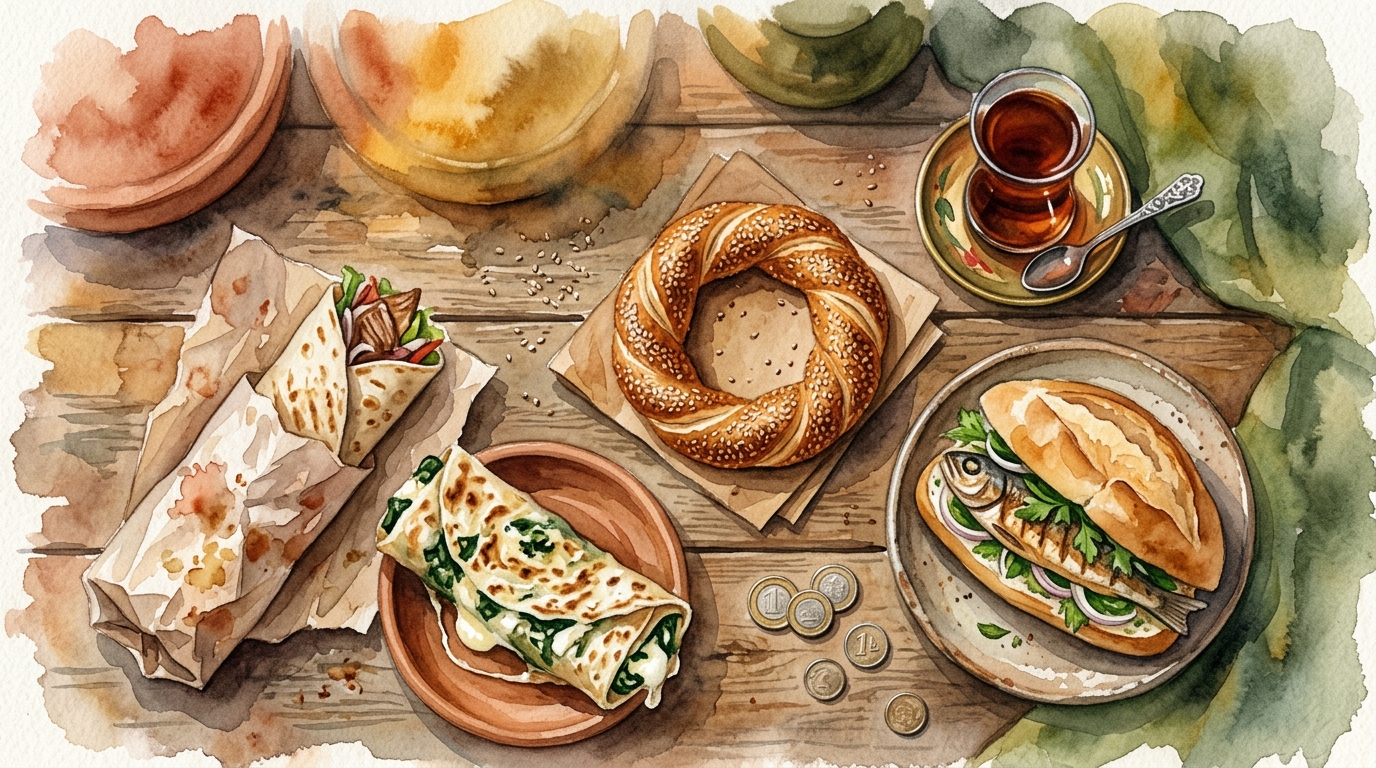
Turkish street food is still one of the best deals in European travel. A simit and tea runs $2-4. A doner kebab from a street cart costs about $2.50. Gozleme, lahmacun, and balik ekmek (fish sandwich) all fall in the $2-5 range. A full kebab meal at a sit-down restaurant costs $10-18, and a meze dinner with multiple dishes runs $15-30 per person.
The catch: tourist-area restaurants in Sultanahmet, Taksim, and coastal resort strips charge 30-50% more than spots two blocks away. Walk five minutes from the main drag and your meal gets dramatically cheaper. A meze spread for two in Sultanahmet might cost $50-60; the same quality in Kadikoy or Besiktas runs $25-35. The food isn't better in the tourist zone - it's just closer to the sights.
One thing hasn't changed: Turkish breakfast remains one of the best meals in Europe. A full spread of cheese, olives, tomatoes, eggs, honey, and fresh bread at a local neighborhood cafe costs $5-8 per person and will keep you full until mid-afternoon. That's a real money saver if you make it your main meal strategy.
Domestic Flights
Flying within Turkey is remarkably cheap. Istanbul to Cappadocia costs $35-65 and can drop to EUR 32 when booked 6-8 weeks ahead. Istanbul to Antalya runs $25-40, with shoulder-season fares as low as EUR 28. Budget carriers Pegasus and AnadoluJet frequently run sales with fares from TL 500-1,000 (roughly $15-30).
These prices make Turkey one of the cheapest countries for internal air travel. Just watch the baggage fees on budget carriers, which can add EUR 15-25 per checked bag. For more on that game, check our breakdown of budget airline hidden fees.
Public Transport
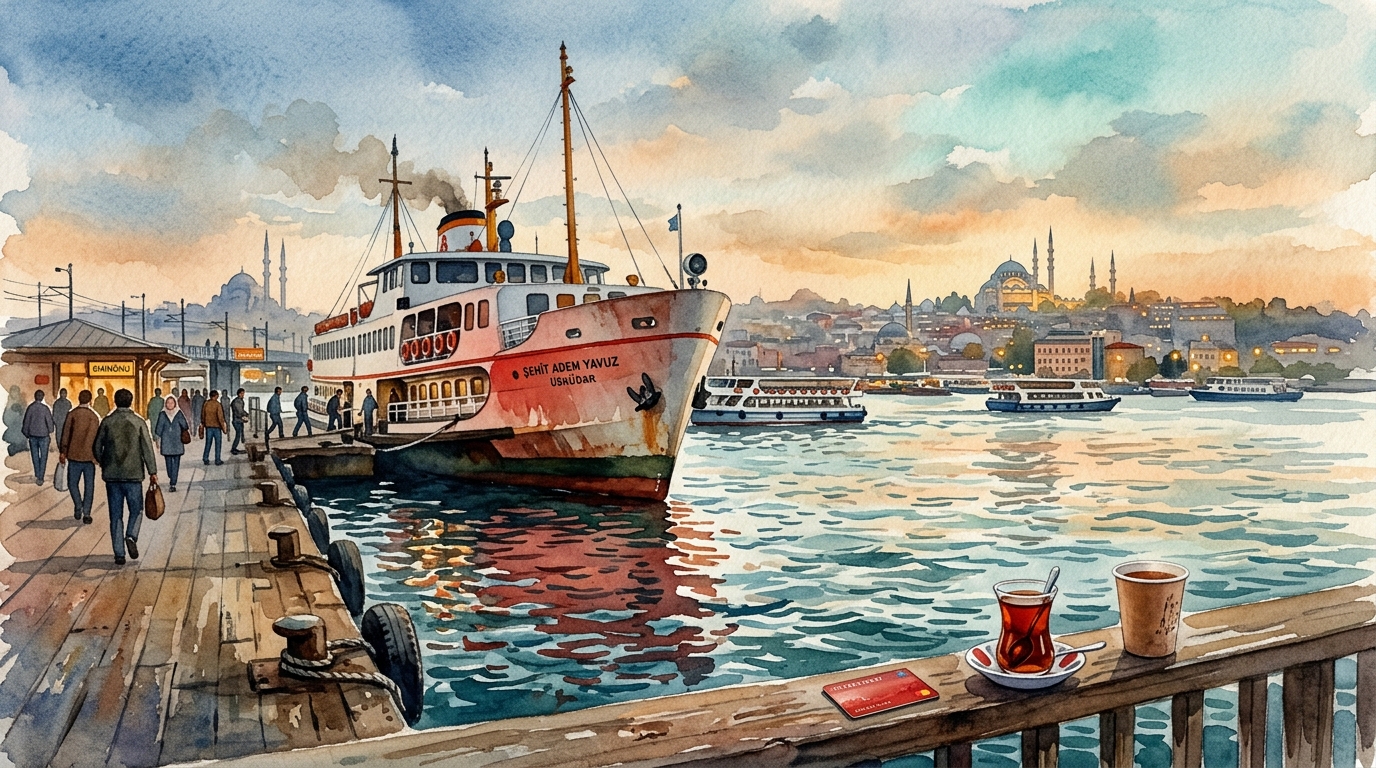
Istanbul's metro, tram, and ferry system remains one of Europe's cheapest urban transit networks. An Istanbulkart (transit card) costs a few lira, and each ride is well under a dollar. The Bosphorus ferry from Eminonu to Kadikoy costs about $0.50 and doubles as a scenic cruise that rivals any paid boat tour. Intercity buses are similarly affordable compared to Western European equivalents, with routes like Istanbul to Izmir running around $10-15 on companies like Metro Turizm and Kamil Koc.
Visa Costs
Americans and most EU citizens get visa-free entry for up to 90 days. Zero cost. Compare that to countries that charge $50-160 for tourist visas and Turkey still wins on the entry fee alone.
The Alcohol Problem
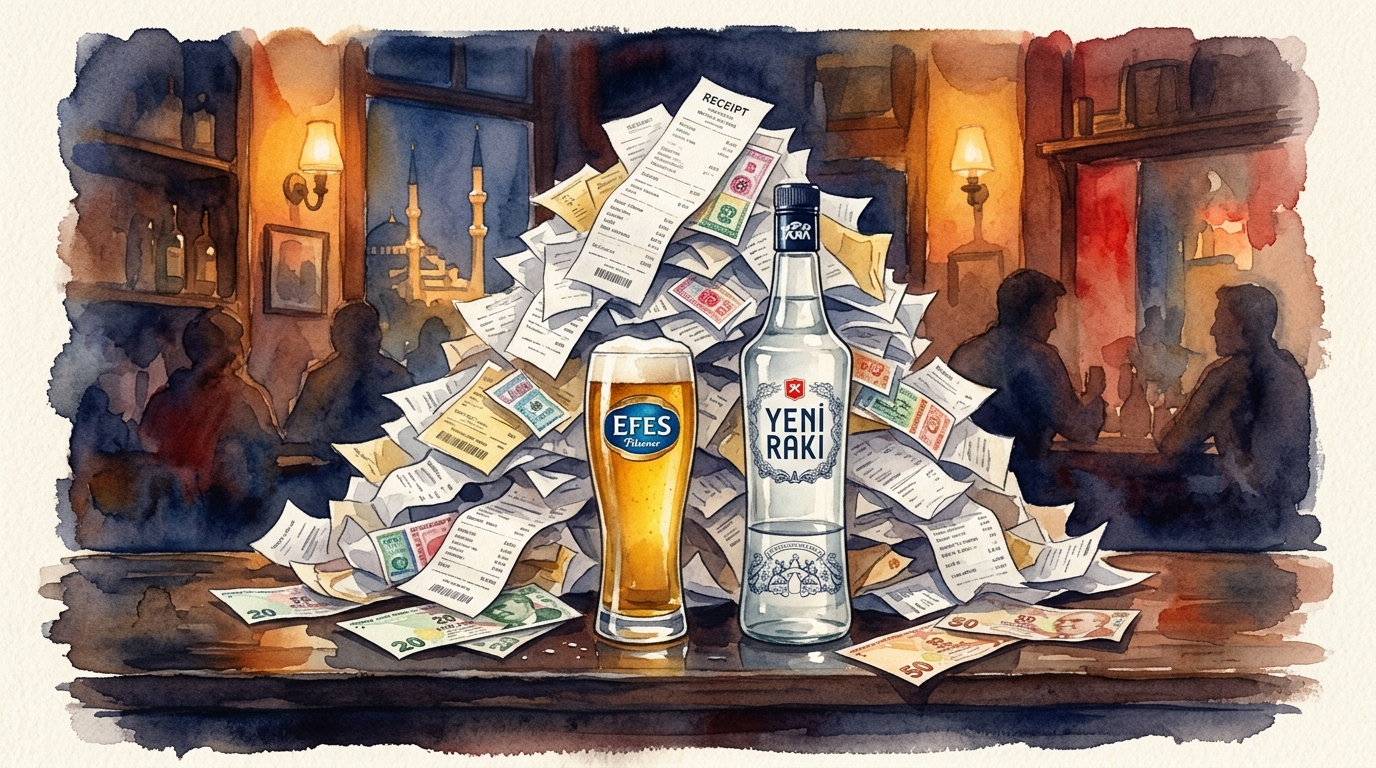
If you drink, brace yourself. Turkey has some of the highest alcohol taxes in the world, and they're not inflation-related. They're policy. The Special Consumption Tax (SCT) on alcohol ranges from 63% to 220% depending on the type, layered on top of 18% VAT. Tax accounts for roughly 65% of the price of beer and spirits in Turkey.
What does this mean at the table? A bottle of wine at a restaurant easily runs GBP 60+ (roughly EUR 70). A beer at a tourist-area bar costs $5-8, which doesn't sound extreme until you realize that same beer costs under $2 at a local market. Cocktails in Istanbul's trendy neighborhoods hit $12-18, approaching London and Paris territory.
The 2026 SCT hike was capped at 7.95% (below the producer price index) as part of the government's disinflation strategy. Small comfort when the base tax rate is already astronomical. For context: a decent bottle of Turkish wine at a restaurant costs roughly what you'd pay for a solid mid-range Barolo in Rome. If wine and cocktails are central to your travel experience, Turkey in 2026 is genuinely one of the worst-value countries in Europe for drinkers.
This pricing also creates a scam incentive. Tourist-area bars occasionally run inflated menu schemes or "free drink" offers that end in surprise bills. Be cautious of unsolicited bar invitations, especially in Taksim and around Istiklal Avenue. Our guide on the worst tourist scams by region covers the specific patterns to watch for in Turkey.
Turkey vs. the Competition: Where It Still Wins (and Where It Doesn't)
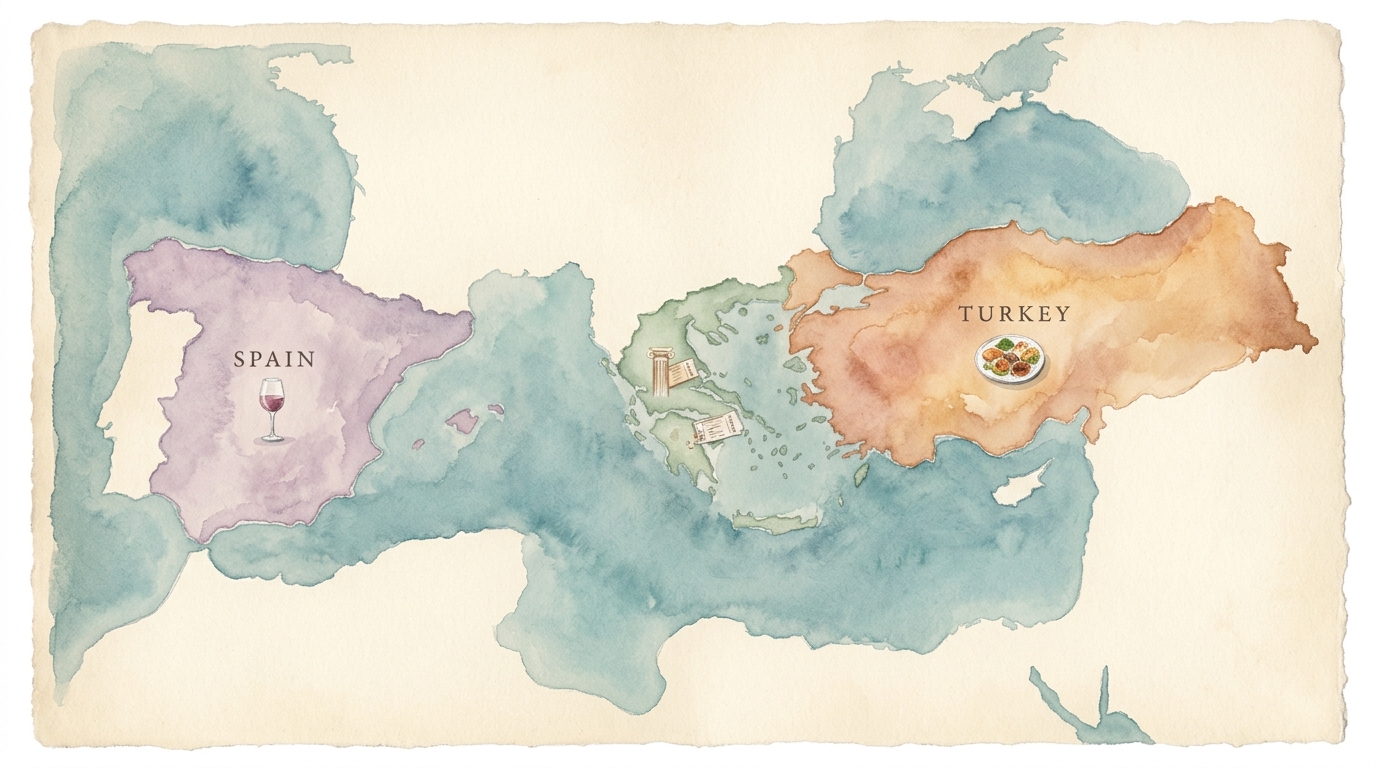
The most common question: is Turkey still cheaper than Greece or Spain? The short answer is yes, but the margin has narrowed sharply, and in some categories, it's disappeared entirely.
2026 budget breakdowns put Turkey's average daily travel cost at EUR 60-80 for budget travelers and EUR 100-150 mid-range. Greece runs EUR 100-150 budget and EUR 150-250 mid-range. Spain falls between the two. Turkey is still clearly cheaper on a daily basis. But averages hide a lot.
| Category | Turkey (2026) | Greece (2026) | Spain (2026) | Winner |
|---|---|---|---|---|
| Street food meal | $2-5 | $5-8 | $4-7 | Turkey |
| Mid-range restaurant | $15-30 | $20-40 | $18-35 | Turkey |
| Budget hotel | $30-80 | $50-120 | $45-100 | Turkey |
| Museum entry (major site) | EUR 25-55 | EUR 12-20 | EUR 10-18 | Turkey loses |
| Beer at restaurant | $5-8 | $4-6 | $3-5 | Turkey loses |
| Domestic flight | $25-65 | $50-120 | $30-80 | Turkey |
| Wine at restaurant | $20-70+ | $10-25 | $8-20 | Turkey loses |
Turkey remains 25-50% cheaper than Greece for food, accommodation, and transport. But it now costs more than both Greece and Spain for museum visits and alcohol. A family of four doing a week of heavy sightseeing and evening drinks in Istanbul might actually spend more than the same family in Athens or Barcelona, despite Turkey's lower accommodation and food costs.
The Turkish travel industry association acknowledged that a family trip to Antalya or Bodrum now costs as much as Dubai and "exceeds Spain and Greece in some instances." That's a striking admission from the country's own tourism body.
How to Get Real Value in Turkey in 2026
Turkey hasn't become expensive across the board. It's become expensive in specific, avoidable ways. Here's how to work around the price hikes and still have a great trip.
- Eat where locals eat Skip Sultanahmet and Taksim restaurant rows. Walk 5-10 minutes into neighborhoods like Kadikoy, Balat, or Fatih where a full kebab meal still costs $8-12 instead of $20-30.
- Be strategic about museums Pick your top 3-4 must-sees instead of trying to hit every major site. At EUR 25-55 per attraction, visiting everything in Istanbul costs EUR 150+. Prioritize ruthlessly.
- Book hotels direct Contact properties via WhatsApp or their website. Many offer 10-20% off versus booking platforms, and longer stays (5+ nights) often unlock further discounts.
- Travel in shoulder season April-May and September-October offer lower hotel rates, smaller crowds, and better weather than the July-August peak. Domestic flight prices also drop.
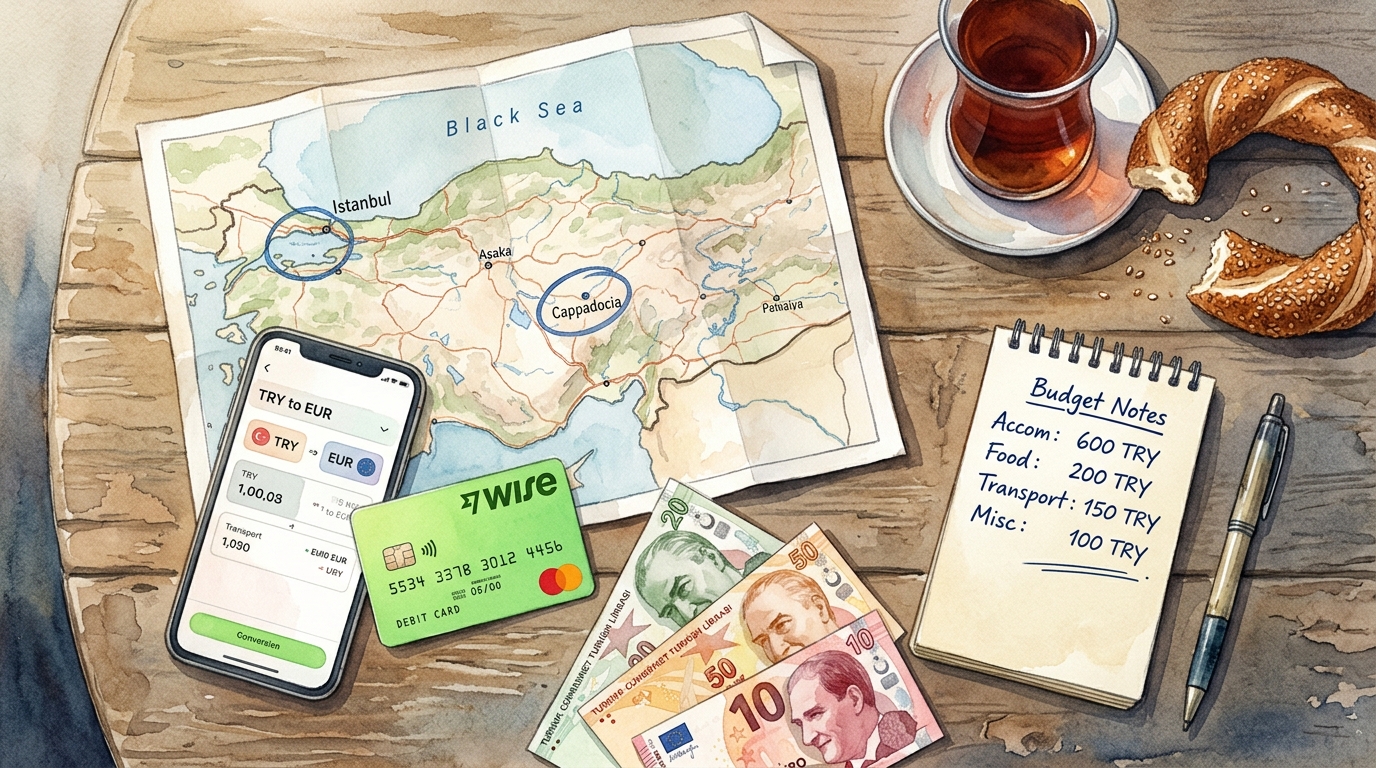
- Use a multi-currency card Avoid airport exchange counters and hotel currency conversion. A card like Wise or Revolut gives you interbank rates. Read our comparison of Revolut vs. Wise vs. bank cards abroad for the details.
- Buy alcohol at markets, not restaurants A beer from a Migros or CarrefourSA costs a fraction of restaurant prices. Skip the discount chains, though — BIM, A101 and ŞOK don't sell alcohol at all. Stick to the bigger supermarkets or a licensed Tekel shop, then enjoy your drinks at your accommodation or in a park.
- Fly domestic instead of busing With fares as low as $15-30 on Pegasus and AnadoluJet, internal flights often cost less than intercity buses when you factor in time saved. Book 6-8 weeks ahead for the best rates.
Tools like TripProf can help you plan around these cost traps by giving you personalized price benchmarks and budget breakdowns for your specific destination and travel style, so you know what to expect before you land.
Cappadocia balloon rides have climbed to EUR 80-300 per person depending on season and operator. Book in winter (November-March) for the lowest prices, and book direct with operators rather than through your hotel to avoid a 20-30% markup.
What Changed and Why: The Timeline
The transformation didn't happen overnight. It's the result of converging forces over several years.
- 2017-2019 Turkey is universally considered a budget destination. Istanbul hotels average $40-60/night for mid-range. Museum fees are nominal.
- 2020-2021 COVID collapse. Tourism revenue craters. Hotels cut prices to survive. This is when many travelers formed their "Turkey is cheap" impression.
- 2022-2023 Inflation accelerates past 60%. Hotels begin repricing aggressively. The 2% accommodation tax launches. Hagia Sophia switches from free to paid entry for foreigners (January 2024).
- 2024 Inflation peaks at 68.5%. The dual-pricing system expands. Museum and attraction fees increase 300-700% for foreigners. Alcohol taxes climb further.
- 2025 Tourism revenue hits $65.23 billion, a record, with barely any increase in visitor numbers. The government targets $68 billion for 2026.
- Early 2026 Middle East airspace closures push up international flight costs. The lira hits 44.58 per dollar. Inflation remains above 30%. Price-sensitive German and Russian tourists pull back.
The government's 2026 target of $68 billion in tourism revenue with relatively flat visitor numbers tells you everything about the strategy: fewer tourists spending more money, not more tourists spending less.
Frequently Asked Questions
Is Turkey still cheap to visit in 2026?
It depends on the category. Street food ($2-5 per meal), domestic flights ($15-65), and local transport remain genuinely cheap. But hotels have doubled or tripled since 2021, museum entry fees for foreigners are EUR 25-55 per major site, and alcohol carries an effective 65%+ tax rate. Turkey is still cheaper than Western Europe overall, but it's no longer the ultra-budget destination it was pre-2020.
Why are prices in Turkey so high for tourists now?
Three compounding factors: annual inflation above 30% since 2024, a deliberate government dual-pricing system charging foreigners 7-10x more at state attractions, and the tourism ministry's strategy of maximizing revenue per visitor rather than visitor volume. Hotels and restaurants in tourist zones have also shifted to euro-pegged pricing.
Do foreigners pay more than locals at Turkish attractions?
Yes. Turkey operates a formal dual-pricing system at government-run museums and historic sites. Foreign visitors pay 7 to 10 times more than Turkish citizens for the same ticket. Hagia Sophia is EUR 25 for foreigners and free for Turkish nationals. This policy is set by the Culture Ministry and is not negotiable.
Is Turkey more expensive than Greece now?
Not overall. Turkey's average daily cost is still significantly lower than Greece's, with budget travelers spending EUR 60-80 per day in Turkey versus EUR 100-150 in Greece. But Turkey is now more expensive than Greece for museum visits and alcohol. A sightseeing-heavy, drinks-heavy itinerary in Istanbul can cost more than an equivalent trip to Athens. For food and accommodation, Turkey still wins clearly.
Why is alcohol so expensive in Turkey?
Turkey's Special Consumption Tax (SCT) on alcohol ranges from 63% to 220%, plus 18% VAT on top. Tax makes up approximately 65% of the retail price of beer and spirits. This is government policy, not market pricing. Buy from supermarkets rather than restaurants to reduce the impact.
How much spending money do I need for Turkey per day?
Budget travelers eating street food and staying in hostels can manage on EUR 35-55 per day. Mid-range travelers in 3-star hotels eating at restaurants should budget EUR 75-135 per day. Heavy sightseeing adds EUR 25-55 per museum visit on top. Alcohol at restaurants can easily add another EUR 20-40 per evening.
Is the Istanbul Museum Pass worth it in 2026?
Only if you're visiting four or more included museums within five days. At EUR 105, it covers Topkapi Palace, the Archaeological Museums, and several others. But it excludes Hagia Sophia, Basilica Cistern, and Dolmabahce Palace, which are the three most expensive individual tickets. Do the math on your specific itinerary before buying.
Key Takeaways
- Turkey's prices have surged due to 30%+ inflation, lira collapse, and deliberate government policies targeting foreign tourists with 7-10x higher museum fees.
- Hotels have doubled since 2021 and quadrupled since 2017 in Istanbul. Antalya resorts have tripled. Budget carefully for accommodation.
- Street food ($2-5), domestic flights ($15-65), and local transport remain genuinely cheap and represent real value.
- Turkey is still 25-50% cheaper than Greece on food and accommodation, but now costs more for museum visits and alcohol.
- The dual-pricing system at state attractions means every major museum visit costs EUR 25-55. Be selective about what you visit.
- Middle East airspace closures have pushed up international flight costs 20-30% on affected routes. Book early and consider alternative routing.
- Use tools like TripProf for personalized cost estimates and budget planning, so you'll know exactly what to expect before arrival.
- Shoulder season travel (April-May, September-October) plus direct hotel booking plus eating outside tourist zones cuts your costs by 30-40% compared to peak-season, platform-booked, tourist-zone spending.
Sources
- Trading Economics: Turkey inflation rate data, March 2026
- Trading Economics: USD/TRY exchange rate, April 2026
- Daily Sabah: Turkey 2025 tourism revenue and arrivals data
- The Istanbul Insider: 2026 entrance fees for Istanbul attractions
- Tourism Review: Impact of higher prices on Turkey tourism numbers
- TURSAB (Turkish Travel Agencies Association): Museum entrance fee policy announcements
- Istanbul Clues: Istanbul Museum Pass pricing and coverage, 2026
- Alpiya: Average hotel prices in Istanbul, 2026
- Kralbenz: Turkey vs. Greece daily travel cost breakdown, 2026
- Kralbenz: Turkey vs. Greece travel cost comparison, 2026
- Euronews: European airlines boost direct flights as passengers avoid Middle East
- CNN: Middle East airspace closures reshaping global aviation
- Drinks International: Turkey alcohol tax breakdown
- USDA Foreign Agricultural Service: Turkey Special Consumption Tax on alcohol
- Turkiye Today: 2026 excise tax hike limits for disinflation
- Outline Turkey: Food and dining prices in Turkey, 2026
- Turkey Vacation Packages: Domestic flight prices and budget guide, 2026
- Lets Travel to Turkiye: Budget carrier fares within Turkey
- Turkey e-Visa Portal: Visa-free entry policy
- Turkiye Today: Turkey 2026 tourism revenue target
- FTN News: UK tourist arrivals in Turkey, March 2026
- Turkish Minute: Turkey flight suspensions to Middle East, March 2026
- I Am Tourist: Turkey 2% accommodation tax
- Cappadocia Balloons Turkey: Hot air balloon ride prices, 2026
- Michael Bociurkiw: Istanbul as emerging aviation hub, 2026
Last updated: July 3, 2026
Keep Reading
More travel tips and guides picked for you
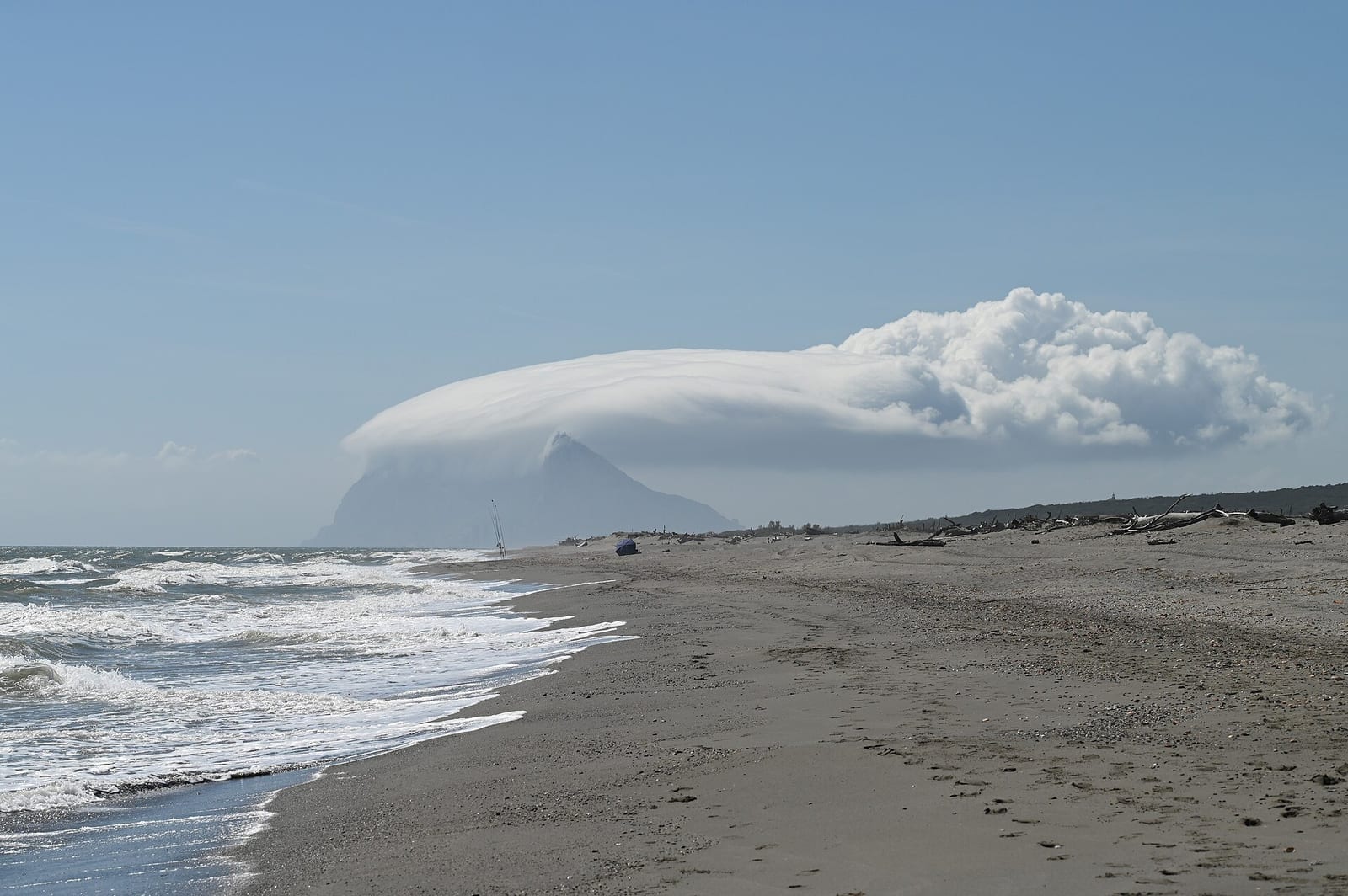
Gibraltar eclipse 2027: where to watch 4.5 minutes of totality, and where to sleep when the Rock is full
The Moon covers the Sun over Gibraltar for 4 minutes 28 seconds on 2 August 2027. Levanter cloud can pile up on the Rock's sunrise side, the airport is now a Schengen border, and Rock hotels are filling. Here's how seven bases compare for a UK group, and what the core trip costs.
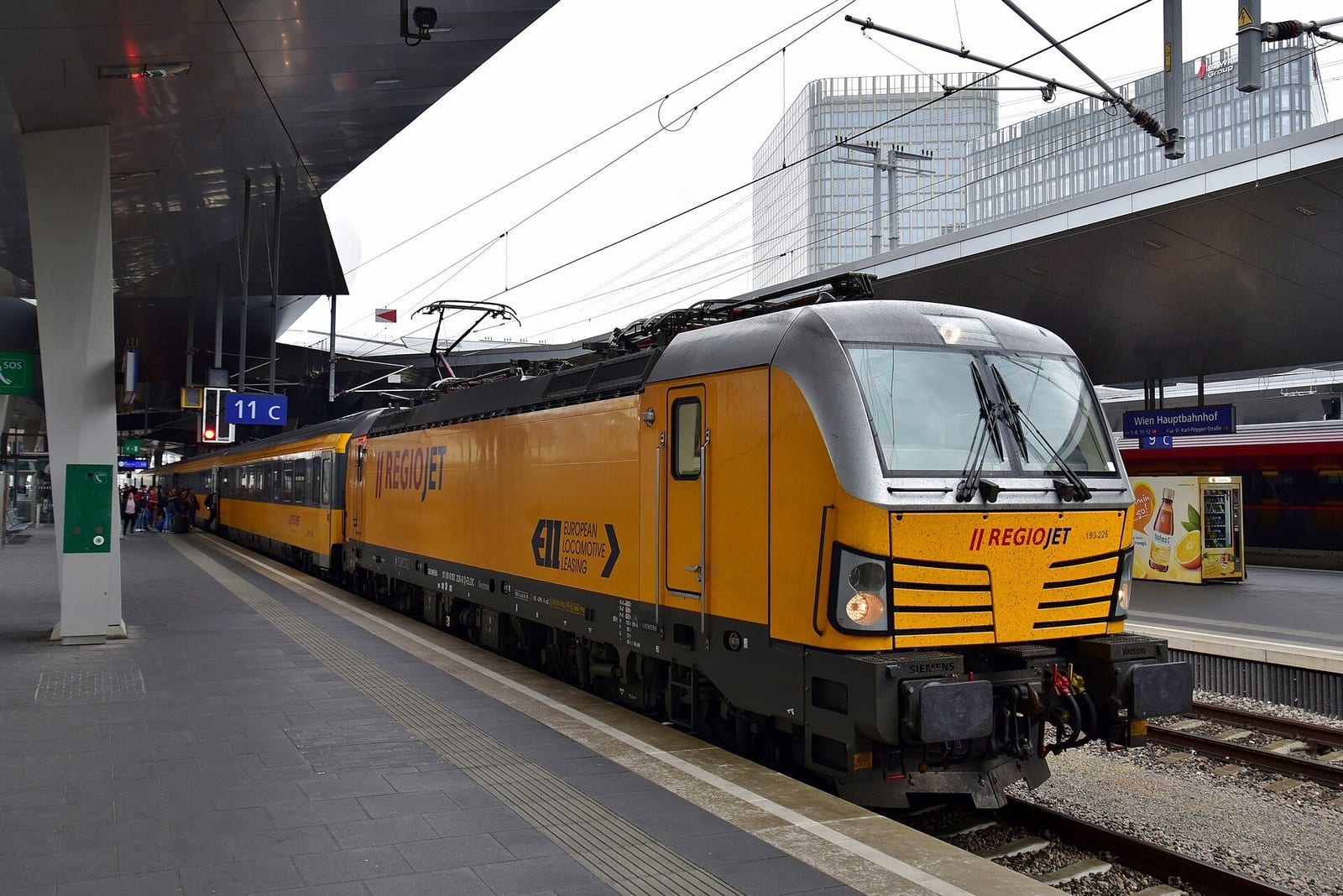
8 best day trips from Vienna by train, ranked by travel time
No car needed. Eight real day trips from Vienna by train, ranked from a 21-minute hop to a full day at Hallstatt, with real 2026 prices, journey times, and an honest downside for each stop.

The ETIAS Canada delay: what actually changes for your Europe trip
ETIAS's 2026 launch date is gone, with no replacement confirmed. Here's exactly what changes for Canadians heading to Europe right now, and how to spot the fake ETIAS Canada sites already cashing in on the confusion.