Такси на Балканах: как не стать жертвой обмана за 30 секунд
Главное
- 1
- 2
- 3
+5 ещё в конце статьи
Вы приземляетесь в 23:00, волоча чемодан со сломанным колесом. Водитель на обочине называет цену в 80 евро за поездку, которая должна стоить около 20. У вас нет местной валюты мелкими купюрами, нет сигнала для карты, а отель ждет на другом конце города. Замените аэропорт, замените валюту - и эта сцена в точности повторяется в портах и на терминалах по всем Балканам каждое лето.
Завышение цен таксистами в аэропортах и круизных портах встречается в Черногории, Хорватии, Сербии, Боснии и Герцеговине, Северной Македонии и Албании. Это не особенность какой-то одной страны. Решение занимает около 30 секунд: проверьте номерной знак, откройте приложение для заказа поездок, если оно работает в городе (в Хорватии и Северной Македонии есть Uber и/или Bolt, в остальных - по большей части нет), и вслух договоритесь о цене до того, как ваши сумки окажутся в багажнике. Если водитель все равно завышает цену, заплатите только ту сумму, о которой договорились, возьмите чек и оспорьте остальное через банк, выпустивший вашу карту, или страховую компанию.
30-секундная проверка, которая предотвращает большинство такси-мошенничеств на Балканах
Любая версия этого мошенничества основана на том, что вы пропускаете одну из трех проверок: номерной знак, счетчик и озвученную цену. Сделайте все три до того, как сядете в машину, и схема мошенничества в основном развалится, будь вы в Подгорице, Загребе, Белграде, Сараево, Скопье или Тиране. Это занимает около 30 секунд, и для этого не нужно знать местный язык.
- Посмотрите на номерной знак. Лицензированные такси в Черногории, Сербии и Хорватии имеют маркировку с суффиксом «TX»; отсутствие или изменение суффикса - ваш первый тревожный сигнал.
- Откройте приложение для заказа поездок, если оно работает в городе (см. таблицу ниже), и проверьте фиксированную цену, прежде чем соглашаться на машину с улицы.
- Если в городе нет работающих приложений, попросите водителя включить счетчик. Если он отказывается и называет фиксированную цену, попросите показать цифру на его телефоне или записать ее.
- Озвучьте итоговую сумму вслух, прежде чем ваши сумки окажутся в багажнике. «Двадцать евро до Старого города, да?» Водитель, который здесь колеблется, пытается вас обмануть.
- Сравните цифру с диапазоном справедливых цен в таблице ниже. Если цена более чем в два раза выше справедливой - это тот предел, после которого стоит пойти на официальную стоянку такси.
- Сфотографируйте номерной знак и удостоверение водителя, прежде чем закрыть дверь. Это ничего не стоит, и это самое веское доказательство, которое у вас будет, если цена все равно вырастет.
Запишите справедливые цены из таблицы ниже в заметки на телефоне до приземления. Поиск информации без сигнала связи, когда вас ждет водитель, сводит на нет весь смысл 30-секундной проверки.
Это требует подготовки только до приземления, а не после. Если это ваша первая поездка, где вы самостоятельно принимаете такие решения на месте, наше руководство по ошибкам в первой международной поездке поможет закрыть пробелы в планировании, которые превращают небольшую переплату в серьезную проблему.
Где на самом деле работают Uber и Bolt на Балканах
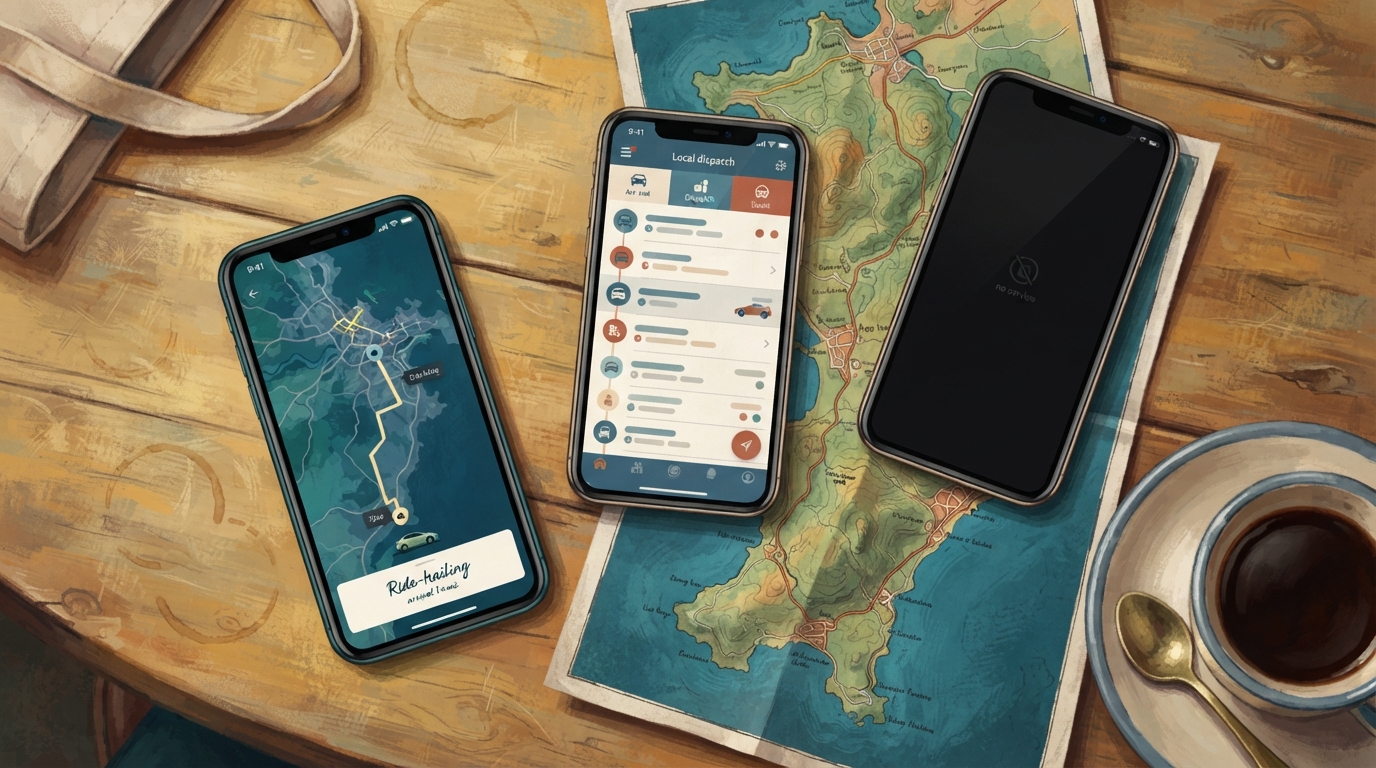
Покрытие сервисами заказа поездок делит регион примерно пополам, и это никак не связано с тем, в какой стране люди более или менее честны. В Хорватии и Северной Македонии Uber и/или Bolt работают в основных городах. В Черногории, Боснии и Герцеговине и Албании их нет по состоянию на 2026 год, и вместо них полагаются на местные приложения или заказ по телефону. Сербия находится посередине: местные приложения работают в Белграде, но Uber или Bolt отсутствуют. Это разделение является следствием правил лицензирования, требований к страхованию и размера рынка в каждой стране, а не отражением того, насколько они дружелюбны к туристам. Ситуация может измениться: страна без покрытия сегодня может получить приложение в течение одного туристического сезона, поэтому стоит быстро проверить информацию перед вылетом, а не полагаться на то, что прошлогодний путеводитель все еще точен.
| Страна | Заказ поездок | Популярное место | Справедливая цена | Сообщения о завышении |
|---|---|---|---|---|
| Хорватия | Uber + Bolt | Городские такси Загреба | 7,80-7,90 € по счетчику (лицензированные операторы) | До 85 € за 5 км, июнь 2026 |
| Черногория | Нет (MonteGO, TeslaGo) | Аэропорт Подгорицы | 15-20 € до центра | 40 €+ заявлено |
| Сербия | CarGo, Yandex Go (нет Uber/Bolt) | Такси с улицы в Белграде | Договоритесь о цене или убедитесь, что счетчик стартует с низкой суммы | От 700 до 20 000 динар в одном случае 2017 года |
| Босния и Герцеговина | Нет (mojTaxi) | Аэропорт Сараево | 30-35 КМ (около 15-18 €) | 50-60 КМ фиксированная цена |
| Северная Македония | Bolt | Аэропорт Скопье | 600-800 МКД (около 10-13 €) | 1 500-2 000 МКД |
| Албания | Нет | Аэропорт Тираны | 23 € официальная стоянка, 10-12 € через приложение | Нелицензированные зазывалы, значительно выше обеих цен |
Дело не в том, в какой стране вы находитесь. А в том, приземлились ли вы там, где есть покрытие приложениями. Там, где приложение существует, используйте его в первую очередь, так как это полностью исключает переговоры и показывает цену до того, как вы согласитесь. В Хорватии, где Uber и Bolt работают в Загребе, Задаре, Риеке, Сплите, Шибенике и Дубровнике, сравнение 2024 года показало, что цены Bolt иногда ниже, чем у Uber для одного и того же маршрута, поэтому стоит проверить оба варианта перед подтверждением.
Там, где нет приложений, стоит установить местные альтернативы до вылета. MonteGO работает в Подгорице, Которе, Будве, Тивате, Герцег-Нови, Баре и нескольких других черногорских городах; TeslaGo ориентирован на Подгорицу и использует автопарк Tesla. mojTaxi выполняет ту же роль в Сараево, объединяя несколько местных таксопарков в одном приложении с отслеживанием в реальном времени. Ни одно из этих трех приложений не существует, чтобы заменить Uber повсюду; они существуют, потому что Uber и Bolt до сих пор не работают в Черногории, а международные приложения для заказа поездок также не вышли на боснийский рынок. В Сараево также есть Crveni Taxi, компания такси с заказом по телефону, а не через приложение, хотя она не функционирует как единая городская сеть, как диспетчеризация mojTaxi.
Три способа, которыми водители обманывают туристов
Отбросьте названия стран, и одни и те же три приема встречаются везде, где скапливаются туристы: в аэропортах и круизных портах в июле и августе. Ни один из них не является региональной чертой. Те же три приема встречаются в множестве схем мошенничества за пределами Балкан, от Юго-Восточной Азии до Южной Америки. Они концентрируются в этих конкретных точках по простой причине: водитель в зале прилета знает, что у вас нет ориентира по цене и нет местной валюты мелкими купюрами, и часто у вас есть только одна попытка добраться до отеля. Постоянный клиент, которого обманули, перестает пользоваться услугами этого водителя. Турист, который прилетает один раз и уезжает через неделю, никогда не получает такого шанса.
Все это не повод пропускать Балканы. Фьордоподобная бухта Котора, загребский парк Зриневац с кафе, белградская крепость Калемегдан на закате, старый город Сараево османской эпохи, Старый базар Скопье и ярко раскрашенные жилые кварталы Тираны - именно то, ради чего люди возвращаются снова и снова. Заманчиво свалить все на страну, в которую вы прилетели, но схема этого не подтверждает: те же три приема (отказ от счетчика, подмена номера, пересмотр цены в пути) встречаются в залах прилета и у трапов круизных лайнеров от Загреба до Тираны. Это различие важно, потому что решение одинаково, независимо от того, в какую из шести стран в этом руководстве вы прилетаете.
1. Отказ от фиксированной цены
На стоянке в аэропорту водитель просто отказывается включать счетчик и называет фиксированную сумму, обычно значительно выше той, что показал бы счетчик. В аэропорту Сараево некоторые водители отказываются от счетчика и называют 50-60 КМ за поездку, которая по счетчику стоит около 30-35 КМ (примерно 15-18 €). Этот разрыв стало сложнее заметить после того, как боснийские тарифы на такси выросли примерно на 50% 30 марта 2026 года: посадка подорожала с 2,50 до 3,50 КМ, а тариф за километр - с 1,50 до 2,30 КМ. Тот же прием приносит почти в три раза больше цены по счетчику в аэропорту Скопье, где нелицензированные водители называют 1 500-2 000 МКД (около 24-32 €) за поездку, которую лицензированное такси со счетчиком выполняет за 600-800 МКД (около 10-13 €), что составляет наценку до 233 процентов к справедливой цене. В Хорватии лицензированные операторы Загреба выполняют ту же 5-километровую поездку за 7,80-7,90 €, а значит, цена в 85 € - это не мошенническая наценка сверх справедливой цены. Это законно отображаемая цена, примерно в одиннадцать раз выше, чем у такси со счетчиком, стоящего на той же стоянке.
2. Подмена счетчика (или номера)
Легальные такси в Белграде имеют номера, заканчивающиеся на буквы TX, в формате BG, за которыми следуют пять цифр и TX. Фальшивые операторы иногда подменяют их на буквы IX, а затем наклоняют номер так, чтобы верх был скрыт от беглого взгляда. Буквы - не просто украшение. Специальный суффикс такси существует для того, чтобы водитель на личном автомобиле не мог сойти за лицензированного, что является той же логикой, что стоит за номерами TX, которые закон Хорватии 2026 года теперь требует по всей стране. Проверка этого суффикса занимает те же три секунды, будь вы в Белграде или Загребе.
В одном часто цитируемом рассказе описывается счетчик, который во время поездки подскочил с нормального показания сразу до завышенного:
Я наблюдаю, как водитель останавливает счетчик, и вижу своими глазами, как он прыгает с 700 динар до 20 000 динар.
Рассказ путешественника World Nomads, 2017
Обычная цена той поездки была ближе к 500 динар, а значит, итоговый запрос был примерно в сорок раз выше справедливой цены. Рассказу почти десять лет, но механизм, который он описывает - измененный номер, направляющий ничего не подозревающего туриста в поездку без счетчика - это именно то, на что до сих пор нацелено предупреждение о TX против IX.
3. Пересмотр цены в пути
Водитель договаривается о цене до того, как вы сядете, а затем удваивает или утраивает ее, как только вы достигаете пункта назначения, иногда блокируя двери или не отдавая сумки из багажника, пока вы не заплатите. Это чаще всего встречается рядом с круизными портами и воротами старого города в пик сезона и не привязано к какой-то одной стране. Решение везде одинаковое: договоритесь о сумме вслух до того, как машина тронется, и относитесь к водителю, который нарушает эту договоренность, как к ситуации, из которой нужно выйти, даже если это означает выйти из машины посреди спора в хорошо освещенном месте.
Первый закон о такси на Балканах показывает, почему «легально» не значит «справедливо»
Хорватия - единственная из шести стран в этом руководстве, где действует подобный закон, что делает ее полезным примером для остальных пяти: даже там, где правила изменились, легальный чек не означает справедливую цену.
Закон Хорватии о дорожном транспорте 2026 года требует, чтобы такси показывали максимальную цену поездки и планируемый маршрут до того, как вы сядете, добавляет специальные номерные знаки TX и наказывает водителей за изменение согласованных условий после принятия заказа. Закон уполномочивает министерство транспорта Хорватии устанавливать максимальные тарифы через будущий регламент, или pravilnik, который еще не издан, и конкретные суммы по состоянию на середину 2026 года еще не установлены, вместо того чтобы сразу устанавливать фиксированный предел.
Цифра в Загребе - та, над которой стоит задуматься. Это законно отображаемая цена, а не мошенничество в техническом смысле.
Не думайте, что отображаемая цена означает справедливую цену. Croatia Week сообщила в июне 2026 года, что водители в Загребе все еще законно взимали до 85 € за пятикилометровую поездку, потому что опубликованная цена - это не то же самое, что ограниченная цена: правило отображения от мая 2025 года требует показывать тариф, но само по себе не ограничивает его размер.
Что закон подтверждает сегодня, так это конкретную часть: пассажиры теперь могут видеть цену и маршрут до того, как согласятся, а изменение условий в пути является явным нарушением. Само ограничение тарифа все еще ожидает pravilnik министерства, поэтому законно отображаемая цена не является автоматически ограниченной. Закон также расширяет круг лиц, которые могут контролировать его соблюдение на улице, передавая полномочия по надзору местным муниципальным инспекторам, полиции и таможенным органам, а не только транспортным инспекторам, которые раньше выполняли эту работу в одиночку.
Инфляция тарифов на такси - не единственное мошенничество, связанное с транспортом, которое обостряется в туристический сезон в этой части Европы. Наше руководство по защите от мошенничества с повреждениями арендованных автомобилей охватывает похожую схему для тех, кто водит машину самостоятельно, а не заказывает такси.
Мошенничество с бронированием, которое никогда не включает такси
Балканские мошенничества с жильем следуют двум схемам, и обе основаны на той же слабости, которую эксплуатируют водители: получение оплаты до того, как вы сможете что-либо проверить. Первая - это полностью фальшивое объявление, которое собирает ваши деньги до того, как вы вообще отправитесь в поездку. Вторая - реальный хозяин, который отменяет бронирование при встрече и требует наличные, когда вам уже негде остановиться.
В одном задокументированном случае в Дубровнике в 2018 году мошенники создали клон сайта аренды, используя фотографии и описания, украденные из реального объявления, а затем попросили потенциального гостя внести около 800 € предоплаты, разделенной между месячной арендой и залогом, до любого просмотра и вне собственной платежной системы платформы. Механизм существует почти десять лет и никуда не делся: отчет 2026 года описывает отель в Пуле, чье собственное объявление было скомпрометировано мошеннической ссылкой для бронирования, которая приняла 116 бронирований за одну ночь, при этом гостей просили отправить данные карты напрямую на фальшивую страницу, а не через платформу. Тот же отчет отмечает, что готовится дальнейшее решение, но не быстрое: с 1 января 2027 года Хорватия потребует обязательные регистрационные номера для каждой единицы жилья, направленные на то, чтобы скопированному объявлению было сложнее спрятаться за реально звучащим адресом.
Одно скомпрометированное объявление отеля в Пуле приняло 116 мошеннических бронирований за одну ночь, прежде чем фальшивая ссылка была обнаружена.
Вторая схема включает реальную недвижимость. Хозяин подтверждает ваше бронирование, затем отменяет его при встрече по прибытии и предлагает другой объект, иногда по более высокой цене, делая ставку на то, что уставший путешественник, которому больше негде остановиться, просто заплатит, а не будет спорить. Эта схема концентрируется в пик сезона по всему региону и отличается от фишинга через WhatsApp, описанного в нашем разборе мошенничества в WhatsApp на Booking.com, который нацелен на ваш почтовый ящик до того, как вы приедете, а не на вашу дверь, когда вы уже там.
Защита та же, что работает для такси: проверяйте до того, как заплатите. Бронируйте и платите через саму платформу, а не через внешнюю ссылку или личную электронную почту хозяина, проверяйте личность и отзывы независимо от текста объявления и относитесь к любой просьбе отправить залог вне приложения как к стоп-сигналу. Наше руководство по прямому бронированию против бронирования через посредников разбирает, когда стоит обращаться напрямую к объекту, а когда стоит сохранить встроенную защиту платформы.
Что делать, если вас все-таки обманули
Если водитель или хозяин завысил цену, несмотря на все меры предосторожности, цель смещается с предотвращения на документирование. Четкий бумажный след - это то, что на самом деле вернет ваши деньги, будь то через платформу, банк, выпустивший карту, или вашу туристическую страховку.
- Получите чек до того, как что-либо заплатите. Лицензированные водители обязаны его предоставить; водитель, который отказывается, дает вам самый сильный аргумент.
- Заплатите сумму, о которой договорились изначально, а не завышенную, если водитель блокирует дверь из-за спора. Расчет по согласованной сумме и уход лучше, чем спор в час ночи.
- Сфотографируйте номерной знак и удостоверение водителя до того, как покинете машину, а не после того, как вспомните об этом через три дня.
- Сообщите номерной знак в местную туристическую полицию или отдел по защите прав потребителей, а не только в таксопарк, так как некоторые мошенничества включают нелицензированных операторов, от которых компания просто открестится.
- Оспорьте списание через банк, если платили картой, ссылаясь на согласованную цену против фактически списанной суммы.
- Подайте заявление в свою страховую компанию, если потери значительны. Наше руководство о том, что на самом деле покрывает туристическая страховка, объясняет, какие полисы рассматривают это как страховой случай, а какие нет.
Некоторые путешественники хранят такую информацию в своем инструменте планирования поездок, а не пытаются вспомнить ее под давлением. Путеводители TripProf по направлениям включают специальный раздел «Осведомленность о мошенничестве» наряду с заметками «Такси и заказ поездок» и «Советы по аэропорту» для каждой остановки, поэтому справедливые цены и формат местного номера уже есть в вашем телефоне до того, как вы приземлитесь, вместо того чтобы искать их в 23:00, когда вас ждет водитель.
Часто задаваемые вопросы
Доступны ли Uber или Bolt в Дубровнике?
Да. Uber работает в Дубровнике, а также в Загребе, Сплите, Задаре, Риеке и Шибенике, а Bolt покрывает Дубровник, а также Сплит. Проверка обоих приложений перед тем, как ловить машину на улице, стоит потраченных тридцати секунд, так как цены на один и тот же маршрут могут отличаться.
Есть ли Uber в Черногории, Которе или Будве?
Нет. Uber и Bolt до сих пор не работают в Черногории по состоянию на 2026 год. Используйте MonteGO, который работает в Подгорице, Которе, Будве, Тивате и нескольких других городах, или TeslaGo, который ориентирован на Подгорицу и использует автопарк Tesla.
Сколько должно стоить такси из аэропорта Тивата в Котор?
Легальная поездка по счетчику стоит около 20-25 €. Сообщалось, что нелицензированные водители в аэропорту называют 50-70 € за ту же короткую поездку вдоль побережья, что более чем вдвое превышает справедливую цену, поэтому согласование суммы до того, как вы покинете терминал, стоит потраченных тридцати секунд.
Какое лучшее приложение для такси в Белграде?
В Белграде нет Uber или Bolt по состоянию на 2026 год. CarGo и Yandex Go - два варианта на основе приложений, которыми действительно пользуются путешественники, а Yandex Go показывает тариф и маршрут до того, как вы подтвердите поездку.
Есть ли Uber в Сараево?
Нет. Uber, Bolt и другие международные приложения для заказа поездок не вышли на боснийский рынок. mojTaxi - ближайший местный аналог, объединяющий несколько таксопарков Сараево в одном приложении с отслеживанием на карте в реальном времени и фиксированным регулируемым тарифом, поэтому нет динамического ценообразования, о котором нужно договариваться.
Доступен ли Bolt в Скопье?
Да, и это приложение, которое местные жители и гиды рекомендуют в первую очередь. Bolt описывается как основное приложение для заказа поездок в Скопье, а традиционные такси со счетчиком дополняют его там, где оно не работает.
Есть ли Uber или Bolt в Тиране?
Нет. Ни Uber, ни Bolt не работают в Албании по состоянию на 2026 год. Стоянка в аэропорту берет фиксированные 23 €; местные приложения для заказа поездок называют 10-12 € за тот же маршрут.
Как распознать фальшивое объявление на Airbnb или Booking.com на Балканах?
Бронируйте и платите только через саму платформу, никогда не переходите по ссылке или электронной почте, которую хозяин присылает вам напрямую. Проверяйте личность хозяина и отзывы независимо от текста объявления и относитесь к любой просьбе внести залог вне приложения как к стоп-сигналу - это та же тактика, что использовалась в задокументированном случае 2018 года в Дубровнике, где пытались собрать 800 € предоплаты.
Ключевые выводы
- Завышение цен таксистами на Балканах концентрируется вокруг аэропортов, круизных портов и пика сезона в июле-августе, а не вокруг какой-то одной страны.
- 30-секундное решение: проверьте суффикс номера, откройте приложение для заказа поездок, если оно работает в городе, и договоритесь о цене вслух до того, как сядете.
- В Хорватии и Северной Македонии есть Uber и/или Bolt в основных городах; в Черногории, Боснии и Герцеговине и Албании их нет, и вместо них полагаются на местные приложения, такие как MonteGO, mojTaxi, или заказ по телефону.
- Закон Хорватии о дорожном транспорте 2026 года требует отображения цены и маршрута до посадки, но водители в Загребе все еще законно выставляли счета до 85 € за пять километров по состоянию на июнь 2026 года, поэтому опубликованная цена не является автоматически справедливой.
- Мошенничества с бронированием зеркальны мошенничествам с такси: проверяйте до того, как заплатите, и никогда не отправляйте залог вне платформы, через которую бронировали. Наше руководство по прямому бронированию против бронирования через посредников содержит больше информации о том, когда стоит обращаться напрямую к объекту.
- Если вас все-таки обманули, возьмите чек, сфотографируйте номер и оспорьте списание через банк или страховую компанию, а не спорьте на обочине.
- Путеводитель с форматом местных номеров, диапазонами справедливых цен и разделом «Осведомленность о мошенничестве» для каждого направления (именно это встроено в руководства TripProf) превращает это из суматохи в то, что вы уже знали до приземления.
- Какая бы балканская столица ни была следующей в вашем списке, реальное решение занимает меньше времени, чем прохождение паспортного контроля.
Источники
- Croatia Week: Изменения в законе Хорватии о дорожном транспорте 2026 года для такси
- Croatia Week: Водители такси в Загребе берут до 85 евро за 5-километровые поездки
- The Dubrovnik Times: Хорватия вводит более строгие правила такси с новым законом о дорожном транспорте
- Chasing the Donkey: Есть ли Uber в Хорватии? Полное руководство
- Bolt: Bolt в Дубровнике
- Bolt: Bolt в Сплите
- Inspired by Croatia: Есть ли Uber в Хорватии? Руководство местного жителя
- Dubrovnik Airport Taxi: Тарифы
- Montenegro Spirit: Мошенничества и туристические ловушки в Черногории
- Apple App Store: MonteGO, в каждой поездке
- Apple App Store: TeslaGoApp, поездки в Черногории
- TripLinkHub: Приложения для такси в Черногории: работают ли здесь Uber и Bolt?
- Правительство Великобритании (FCDO): Советы по поездкам в Черногорию, безопасность и охрана
- World Nomads: Как я чуть не попался на мошенничество с такси в Белграде
- Taxi Online Belgrade: Как распознать «дикое» такси в Белграде
- Belgrade Card: Как добраться до аэропорта Белграда Никола Тесла и обратно
- The Chauffeur: Есть ли Uber в Белграде в 2026 году? Вот лучший способ передвижения
- Yandex Go: Yandex Go в Сербии
- Sarajevo Transfer: Таксопарки Сараево: номера телефонов, тарифы и советы 2026 года
- Things to Do in Sarajevo: Такси и заказ поездок в Сараево
- mojTaxi: Приложение mojTaxi, Сараево
- Nomada: Заказ поездок в Северной Македонии
- Euro City Guide: Безопасно ли в Скопье для туристов? Руководство по безопасности 2026
- Road Trip Euro Guide: Есть ли Uber в Албании?
- TripLinkHub: Трансфер из аэропорта Тираны: все варианты и цены
- The Dubrovnik Times: Фальшивая квартира на Airbnb в Дубровнике может стоить 800 евро
- Croatia Week: Отели и аренда жилья в Хорватии: мошенничества с бронированием
- Forbes Hrvatska (Dnevnik.hr): Изменения в законе предотвратят наглые цены на такси, регламент будет предписывать, какими они могут быть
- Serbian Monitor: Почему в Сербии нет Uber, и три другие актуальные темы
Последнее обновление: 19 июля 2026 г.
Продолжайте читать
Другие советы и путеводители, подобранные для вас
Города Великих озер от Мишлен в рейтинге по затратам
Шесть городов Великих озер тратят совершенно разные суммы на шанс получить звезду Мишлен, а половина из них скрывает свои расходы. Вот рейтинг всех шести городов и объяснение того, почему ноль звезд у Форт-Уэрта после оплаты доказывает бесполезность таких трат.

Где отметить Дивали в 2026 году: шесть потрясающих праздников для поездки
Дивали в 2026 году выпадает на 8 ноября. От рекордной иллюминации в Айодхье до Золотой мили в Лестере и месяца работы Global Village в Дубае: вот шесть реальных мест для незабываемой поездки, с датами, ценами и честными минусами.
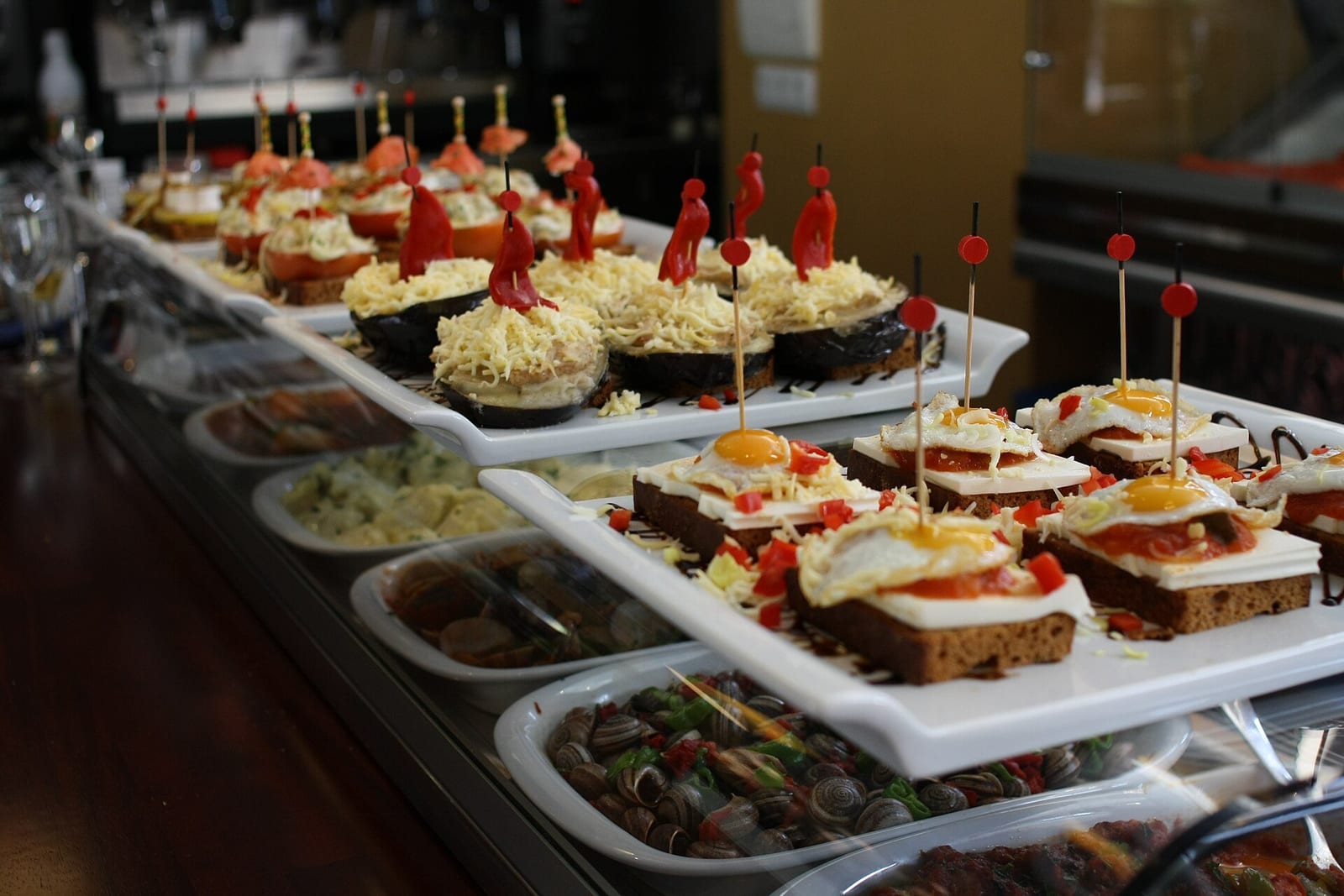
Лучшие приложения для бронирования гастрономических туров (и где вы переплатите)
Airbnb Experiences, EatWith, Devour Tours, GetYourGuide и Traveling Spoon: сравнение реальных цен и честных минусов, а также двухминутная проверка, которая убережет от двойной переплаты за один и тот же тур.