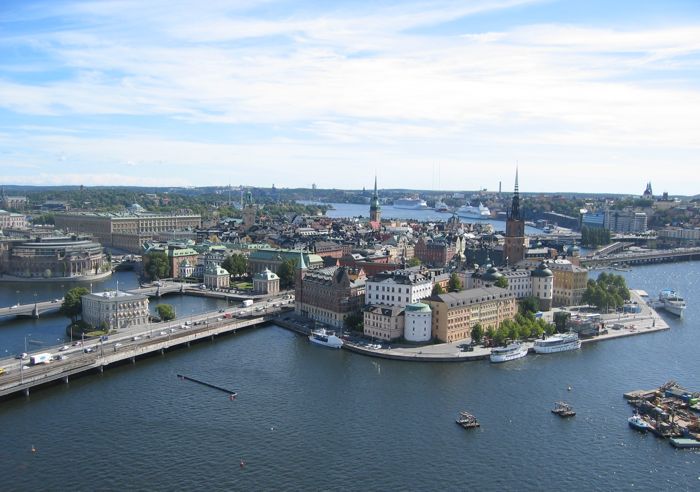
Tag 1: Stockholmer Schloss, Königliche Rüstkammer und Tre-Kronor-Ruinen, dann Storkyrkan, Stortorget und das Nobelpreismuseum, bevor es zum Abschluss zum Riddarhuset, dem Haus des schwedischen Adels am Rande der Altstadt, geht. Tag 2: Insel Djurgården: das Vasa-Kriegsschiff, ABBA The Museum, das Freilichtmuseum Skansen, dann das Schifffahrtsmuseum und die Wissenschaftshallen des Tekniska museet. Tag 3: Rathaus und Sergels torg in der Innenstadt, die Essensstände in der Hötorgshallen, die Außenansicht der Großen Synagoge, dann die Kunstsammlungen des Nationalmuseum und Moderna Museet zum Abschluss.
Tag 1: Gamla Stan: Schloss, Kirchen und der Kern der Altstadt
Tag eins bleibt in Gamla Stan, der Altstadt auf ihrer eigenen Insel, die flach und von einem Ende zum anderen gut zu Fuß erreichbar ist. Die Königliche Rüstkammer kostet 180 SEK und ist montags geschlossen. Das Nobelpreismuseum bietet freitagabends freien Eintritt, falls das in deinen Zeitplan passt.

Stockholm Palace
Das Stockholmer Schloss ist eines der größten noch genutzten Königsschlösser Europas mit über 600 Zimmern, obwohl die Königsfamilie heute in Drottningholm lebt und dieses Schloss nur für offizielle Anlässe nutzt. Die Wachablösung findet gegen Mittag statt und kann vom Innenhof aus kostenlos beobachtet werden. Das 220-SEK-Ticket (240 SEK von Mai bis September) deckt die Königlichen Gemächer, die Schatzkammer und das Tre-Kronor-Museum ab.

Royal Armoury
Die Königliche Rüstkammer ist Schwedens ältestes Museum, gegründet 1628, als Gustav II. Adolf anordnete, seine Feldzugkleidung nach der Rückkehr aus Polen aufzubewahren. Die Kellergalerien beherbergen königliche Krönungskutschen, zeremonielle Rüstungen und jahrhundertealte Hofkleidung, alles direkt unter dem Schloss. Mit 180 SEK für Erwachsene (unter 18 Jahren frei) ist dies eine der besten Sammlungen der Stadt.

Tre Kronor Castle
Das Schloss Tre Kronor war die mittelalterliche Festung, die hier stand, bevor ein Feuer sie 1697 zerstörte und Platz für das heutige Schloss machte. Was übrig blieb, befindet sich unter der Erde: Grundmauern, geborgene Fragmente und Modelle, die zeigen, wie die alte Burg aussah. Der Zugang erfolgt über die regulären Öffnungszeiten des Schlosses, ein separates Ticket ist nicht nötig.

Storkyrkan
Die Storkyrkan ist Stockholms älteste Kirche. Hauptattraktion ist Bernt Notkes „Sankt Georg und der Drache“, eine Holzskulptur von 1489, die an Schwedens Sieg über Dänemark bei Brunkeberg 1471 erinnert. Mit fast 4 Metern Höhe auf ihrem Sockel ist sie eine der am besten erhaltenen mittelalterlichen Skulpturen Skandinaviens. Das 120-SEK-Ticket beinhaltet einen Audioguide.

Stortorget
Der Stortorget ist der älteste Platz in Gamla Stan, umgeben von schmalen Giebelhäusern in Ocker, Rot und Gelb, die nach einem Brand in den 1680er Jahren auf ihren ursprünglichen mittelalterlichen Grundrissen wiederaufgebaut wurden. Hier fand 1520 auch das Stockholmer Blutbad statt, als der dänische König Christian II. etwa 80 schwedische Adlige an zwei Tagen hinrichten ließ. Ein kurzer Stopp, aber nimm dir Zeit für die Fassaden.

German Church
Die Tyska kyrkan begann als Gildehalle der Hanse im 14. Jahrhundert, bevor sie zur Kirche für Stockholms deutsche Kaufleute wurde. Ihr 96 Meter hoher Turm, nach einem Brand 1878 wiederaufgebaut, ist der höchste Punkt von Gamla Stan und kann kostenlos von unten besichtigt werden.

Nobel Prize Museum
Das Nobelpreismuseum befindet sich im Gebäude der Börse aus den 1770er Jahren, einer neoklassizistischen Halle, die auch als Treffpunkt der Schwedischen Akademie dient, wo jedes Jahr der Literaturpreisträger gewählt wird. Schau dir die Unterseiten der Café-Stühle an: Ehemalige Preisträger haben dort seit 2001 ihre Namen hinterlassen. Einsteins Papiere und wechselnde Artefakte der Preisträger füllen die Ausstellungen im Obergeschoss.
Chokladkoppen
Das Chokladkoppen liegt direkt am Stortorget und ist ein langjähriger Favorit in Gamla Stan für seine dickflüssige Trinkschokolade und die einladende Terrasse. Es ist eines der bekanntesten LGBTQ-freundlichen Cafés in Stockholm - ein Detail, das man beim Betreten leicht übersieht. Gut für Gruppen: Die Tische im Freien umrahmen den Platz und niemand drängt dich, wenn du eine Kanne heiße Schokolade teilst.

Swedish House of Nobility
Das Riddarhuset wurde im 17. Jahrhundert als Versammlungshalle für den schwedischen Adel erbaut, die Wände sind mit den bemalten Kupferwappen von über 2.300 Adelsfamilien geschmückt. Der Adel tagt hier noch immer alle drei Jahre. Nur Außenansicht und eingeschränkter Innenbereich.
Tag 2: Djurgården: Vasa, ABBA und die grüne Museumsinsel
Tag zwei führt hinüber nach Djurgården, der Insel mit Stockholms größten Attraktionen: Das Vasa-Kriegsschiff und ABBA The Museum liegen nur fünf Minuten voneinander entfernt. Beide sind an geschäftigen Wochenenden oft ausgebucht - buche also im Voraus, besonders als Gruppe, bevor du dich vor Ort in die Schlange stellst.
.jpg/500px-Vasa_Museum_building_view_from_the_sea_(3).jpg)
Vasa Museum
Die Vasa sank auf ihrer Jungfernfahrt 1628, nur 1.300 Meter vom Ufer entfernt, kopflastig durch zwei Geschützdecks und schwere Heckverzierungen, die nie für so viel Gewicht in dieser Höhe ausgelegt waren. 1961 nach 333 Jahren auf dem Hafengrund geborgen, besteht sie zu 98 % aus Originalholz, konserviert durch den geringen Salzgehalt der Ostsee. Etwa 700 geschnitzte Skulpturen schmücken den Rumpf, die meisten wurden intakt geborgen.
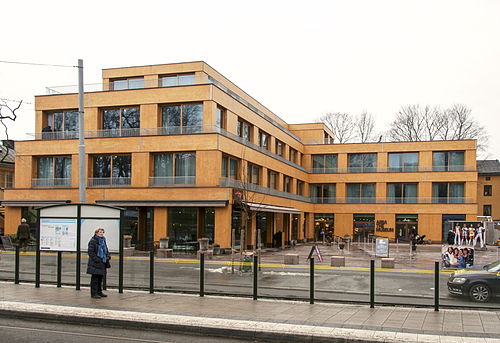
ABBA: The Museum
ABBA The Museum wurde 2013 eröffnet und zeigt Original-Bühnenkostüme, handgeschriebene Texte und Ausrüstung aus den Polar Studios, wo die Band aufnahm. Das Highlight: eine holografische Bühne, auf der du zum fünften Mitglied wirst und neben lebensgroßen Projektionen von Agnetha, Björn, Benny und Anni-Frid singst und tanzt. Es ist interaktiv gestaltet, kein Museum, an dem man nur an Vitrinen vorbeiläuft. Gruppen können einen Einlass ohne Anstehen mit Audioguide buchen.

Skansen
Skansen wurde 1891 als weltweit erstes Freilichtmuseum von Artur Hazelius gegründet, um das vorindustrielle schwedische Leben zu bewahren. Etwa 190 historische Gebäude, die ältesten aus dem 14. Jahrhundert, stehen neben einem Zoo mit nordischen Tieren: Bären, Elche, Robben. Es ist ein Programm für einen ganzen Nachmittag; große Gruppen sollten im Voraus buchen, besonders im Sommer oder um das Lucia-Wochenende im Dezember.
Rosendals Tradgard
Rosendals Trädgård ist ein biodynamischer Garten mit Bäckerei auf Djurgården, der seit über dreißig Jahren von einer gemeinnützigen Stiftung betrieben wird. Brot und Kuchen kommen aus einem holzbefeuerten Ofen und verwenden Produkte, die nur wenige Schritte entfernt wachsen; der Eintritt in den Garten ist frei, du zahlst nur für das, was du isst. Picknicktische zwischen den Apfelbäumen machen es zu einem idealen Stopp für Gruppen.

Museum of Ethnography
Das Etnografiska museet beherbergt etwa 220.000 Objekte aus Asien, Afrika, Ozeanien und Amerika, die meisten gesammelt zwischen 1850 und 1950 durch Handel, Diplomatie und Expeditionen der Kolonialzeit. Die Asien-Sammlung ist die umfangreichste. Mit 160 SEK für Erwachsene (unter 19 Jahren frei) eignet es sich gut für einen kürzeren Besuch als Vasa oder Skansen.

Maritime Museum
Das Sjöhistoriska museet beherbergt über 100.000 Objekte, darunter eine beeindruckende Freya-Galionsfigur der Fregatte Vanadis. Mit 150 SEK für Erwachsene (unter 18 Jahren frei) wird es im Vergleich zum Vasa-Museum nebenan oft unterschätzt.

National Museum of Science and Technology
Das Tekniska museet ist Schwedens größtes Wissenschafts- und Technikmuseum und erstreckt sich über etwa 10.000 Quadratmeter. Sein neuester Flügel, Wisdome, wurde 2023 eröffnet: ein 360-Grad-Kuppelkino, das fast vollständig aus Brettsperrholz gebaut wurde.
Tag 3: Vom Rathaus zu den Kunstmuseen: Stockholms Innenstadt
Tag drei führt in das eigentliche Zentrum von Stockholm: Rathaus, die wichtigsten Plätze, ein Mittagessen in einer Markthalle und dann zwei der besten Kunstsammlungen des Landes direkt hintereinander. Weniger Fußweg als an den ersten beiden Tagen und mehr Zeit im Trockenen, falls das Wetter umschlägt.

Stockholm City Hall
Das Stockholmer Rathaus, fertiggestellt 1923, ist bekannt für seine Blaue Halle, die trotz des Namens aus unverputztem Backstein besteht und in der jeden Dezember das Nobelbankett für 1.300 Gäste stattfindet. Die Goldene Halle im Obergeschoss glänzt mit 18 Millionen Goldmosaiksteinen. Der Turm ist in dieser Saison geschlossen (nur Mai-Sep). Der Innenhof ist frei zugänglich; für die Hallen ist eine Führung für 150 SEK erforderlich.

Sergels torg
Sergels torg ist das moderne Herz Stockholms, ein tiefergelegter Fußgängerplatz, umgeben von einem erhöhten Kreisverkehr um Edvin Öhrströms Glasobelisken. Die „Kristallvertikalaccent“ ist 37,5 Meter hoch, besteht aus 60.000 Glasprismen auf einem Stahlrahmen und wird von innen durch vier Lampen beleuchtet. Skateboarder nutzen den Platz Tag und Nacht.
Hotorget
Der Hötorget ist seit dem 17. Jahrhundert ein Marktplatz; der Name bedeutet wörtlich „Heumarkt“, da Bauern hier früher Futter verkauften. Das alte PUB-Kaufhausgebäude, in dem eine junge Greta Garbo einst am Hutstand arbeitete, ist heute das Haymarket-Hotel. Unter der Erde befindet sich die Markthalle Hötorgshallen.
Hotorgshallen
Die Hötorgshallen existiert seit den Markttagen der 1880er Jahre unter dem Platz. Nach dem Abriss 1953 und dem Bau der heutigen Türme wurde die neue unterirdische Halle 1958 eröffnet. Im Inneren: Fischhändler, Käsetheken, Gewürzstände und kleine Lokale mit Küchen aus aller Welt. Eine schnelle Option für ein Mittagessen im Trockenen zwischen den Stopps im Freien, und es ist einfach, sich als Gruppe einen Tisch zu teilen.
Vete-Katten
Vete-Katten wurde 1928 von Ester Nordhammar gegründet, die auf die Frage nach dem Namen berühmterweise mit „ja, det vete katten“ (etwa: „das weiß der Kuckuck“) antwortete. Ein Jahrhundert später ist es immer noch einer der klassischen Fika-Stopps der Stadt für Zimtschnecken und belegte Brote - am besten als kurzer Zwischenstopp statt als vollwertige Mahlzeit.

Stockholm Synagogue
Die Große Synagoge wurde 1867-1870 im maurischen Stil erbaut und im selben Jahr eröffnet, als Schweden ein wichtiges Gesetz zur Erweiterung der jüdischen Bürgerrechte verabschiedete. Führungen finden nur im Sommer statt; außerhalb von Juni bis August ist sie ein Stopp für die Außenansicht, der einen kurzen Blick wert ist.

Nationalmuseum
Das Nationalmuseum ist Schwedens größtes Kunstmuseum, gegründet 1792, und beherbergt etwa 16.000 Gemälde und Skulpturen vom späten Mittelalter bis zum frühen 20. Jahrhundert. Achte auf Rembrandts „Die Verschwörung des Claudius Civilis“ sowie bedeutende Bestände von Rubens, Goya und Gauguin, neben schwedischen Größen wie Anders Zorn und Bruno Liljefors.

Moderna Museet
Das Moderna Museet besitzt eine der besten Sammlungen moderner Kunst in Europa: Picasso, Dalí, Rauschenberg und Matisses „Apollo“, eines seiner letzten Werke. Picassos „Guernica“ wurde hier 1956 als Leihgabe gezeigt, zwei Jahre bevor das Museum 1958 offiziell eröffnete - diese frühe Ausstellung ist bis heute Teil seiner Identität. Es liegt auf Skeppsholmen, nur einen kurzen Fußweg von Gamla Stan über das Wasser entfernt.
Beste Reisezeit
Veranstaltungen in Stockholm
Festivals, Konzerte und Ausstellungen während Ihrer Reise.
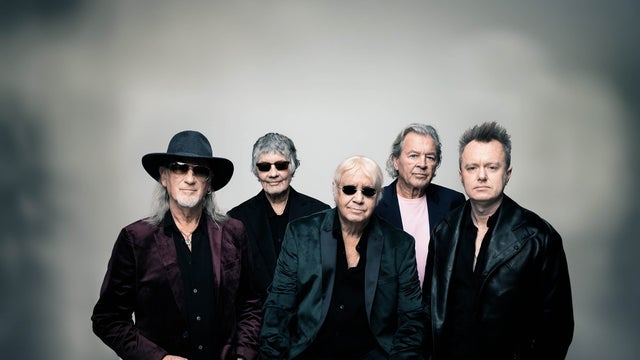
Deep Purple at Avicii Arena
All Saints' Day candlelight at Skogskyrkogarden
All Saints' Day
FeiertagStockholm International Film Festival
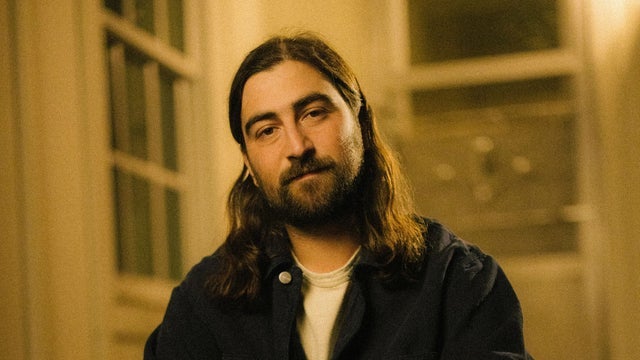
Noah Kahan at Avicii Arena
Nobel Week Lights
Lucia Celebrations at Skansen
Christmas Eve
FeiertagChristmas Day
FeiertagSt. Stephen's Day
FeiertagNew Year's Eve
FeiertagGeführte Touren


Bei manchen Links erhalten wir möglicherweise eine Provision, ohne Mehrkosten für Sie.
Gut zu wissen
- Ein Einzelticket kostet 340 SEK pro Erwachsenem, aber der Gruppentarif fügt nur 120 SEK pro zusätzlichem Ticket hinzu: Eine Gruppe von vier Personen zahlt zusammen 700 SEK, also etwa 175 SEK pro Person.
- Sie deckt U-Bahn, Bus, Straßenbahn und Fähre für 360 SEK pro Person ab, ohne Rabatt. Für einen 3-Tage-Trip mit Aufenthalt im Zentrum ist das fast immer günstiger als Einzelfahrten.
- Alle drei sind an geschäftigen Wochenenden sowie während der Nobel Week Lights oder zu Lucia-Terminen oft ausgebucht. Vasa bietet für Gruppen ab zehn Personen private Führungen an, die man Tage im Voraus buchen sollte.
- Der 106 Meter hohe Turm mit der Drei-Kronen-Glocke ist nur von Mai bis September geöffnet. Ein Besuch von September bis Dezember bedeutet: kostenloser Innenhof und eine 150-SEK-Führung durch die Hallen - den Stopp trotzdem wert.
- Bleib auf der Västerlånggatan und den Hauptplätzen, wenn Mobilität ein Thema ist - die Seitenstraßen sind eng, das Kopfsteinpflaster uneben und einige Sehenswürdigkeiten (Tre-Kronor-Ruinen) sind nur über Treppen ohne Aufzug erreichbar.
- Einige Ticket- und Tour-Links auf dieser Seite sind Affiliate-Links. TripProf erhält möglicherweise eine kleine Provision, wenn du darüber buchst, ohne dass für dich zusätzliche Kosten entstehen.
- Von September bis Dezember regnet es an etwa jedem dritten Tag, und die Höchstwerte sinken von etwa 17 °C im September auf fast 2 °C im Dezember. Schichten sind besser als ein dicker Mantel, wenn sich die Jahreszeit ändert.
- In Schweden zahlt man fast überall mit Karte, und eine Rechnung durch sechs zu teilen, ist hier völlig normal, anders als in manchen anderen Ländern. Praktisch für eine Fika oder ein Abendessen in der Gruppe, statt im Kopf mit Bargeld zu rechnen.
- Das Nobelpreismuseum und das Moderna Museet bieten beide freitagabends freien Eintritt. Sie liegen nur einen kurzen Fußweg über die Skeppsholmen-Brücke voneinander entfernt. Plane es richtig, um zwei Museen an einem Abend kostenlos zu besuchen.