Your Summer Doesn't Have to Be 40°C: Coolcation Destinations in Europe for 2026
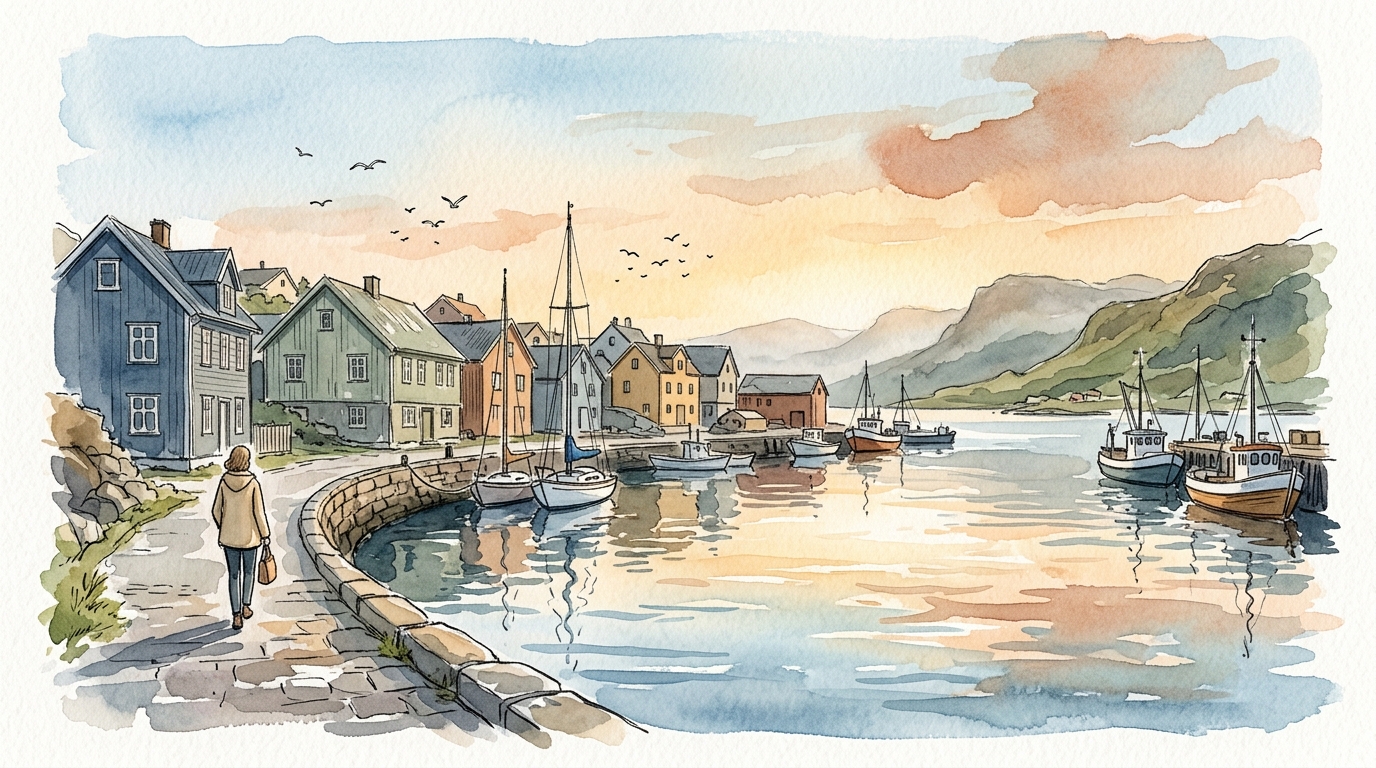
Key Highlights
- 1
- 2
- 3
+4 more in the takeaways below
Faro, Portugal. June 14, 2025. The thermometer at the airport read 46°C. People were sitting on the tarmac waiting for a bus to the terminal and the asphalt was soft under their shoes. Two weeks later, Copernicus confirmed what everyone sweating through southern Europe already knew: June 2025 was the warmest June ever recorded in western Europe, with temperatures averaging 20.49°C across the continent and beating the 2003 record by 0.06°C.
That same month, something strange happened in the booking data. While Mediterranean searches flatlined, Nordic bookings surged 50%. Tallinn. Gothenburg. Oulu. Places most people can't point to on a map were filling up faster than Mallorca.
The travel industry gave it a name: the coolcation. And in summer 2026, it's not a trend. It's a correction. This guide covers six European destinations where July means 18°C and a light jacket, not 40°C and a hospital visit. With real prices, real stats, and opinions you might disagree with.
Six European destinations where summer doesn't mean heatstroke: Tallinn (€50/day, best value in Europe), Scottish Highlands (19°C heat waves, Commonwealth Games 2026), Slovenia (Alpine lakes at Swiss-half prices), Gothenburg (free ferry archipelago, better than Barcelona in July), Oulu (European Capital of Culture 2026, midnight sun), and the Faroe Islands (the most impressive landscape in Europe, fight us). All six stay under 22°C in July.
Why Half of Europe Is Rethinking Summer
A coolcation is a summer trip deliberately planned for cooler weather. The shift is driven by record heatwaves, a 50% surge in Nordic summer bookings, and 42% of travelers now telling Booking.com they prefer cooler destinations. Here's what's behind those numbers.
The numbers tell a story that sunscreen can't fix.
2023 through 2025 marked the first three-year period in recorded history where global temperatures stayed above 1.5°C over pre-industrial averages. That's not a blip. That's the baseline shifting. And summer travelers are responding with their wallets.
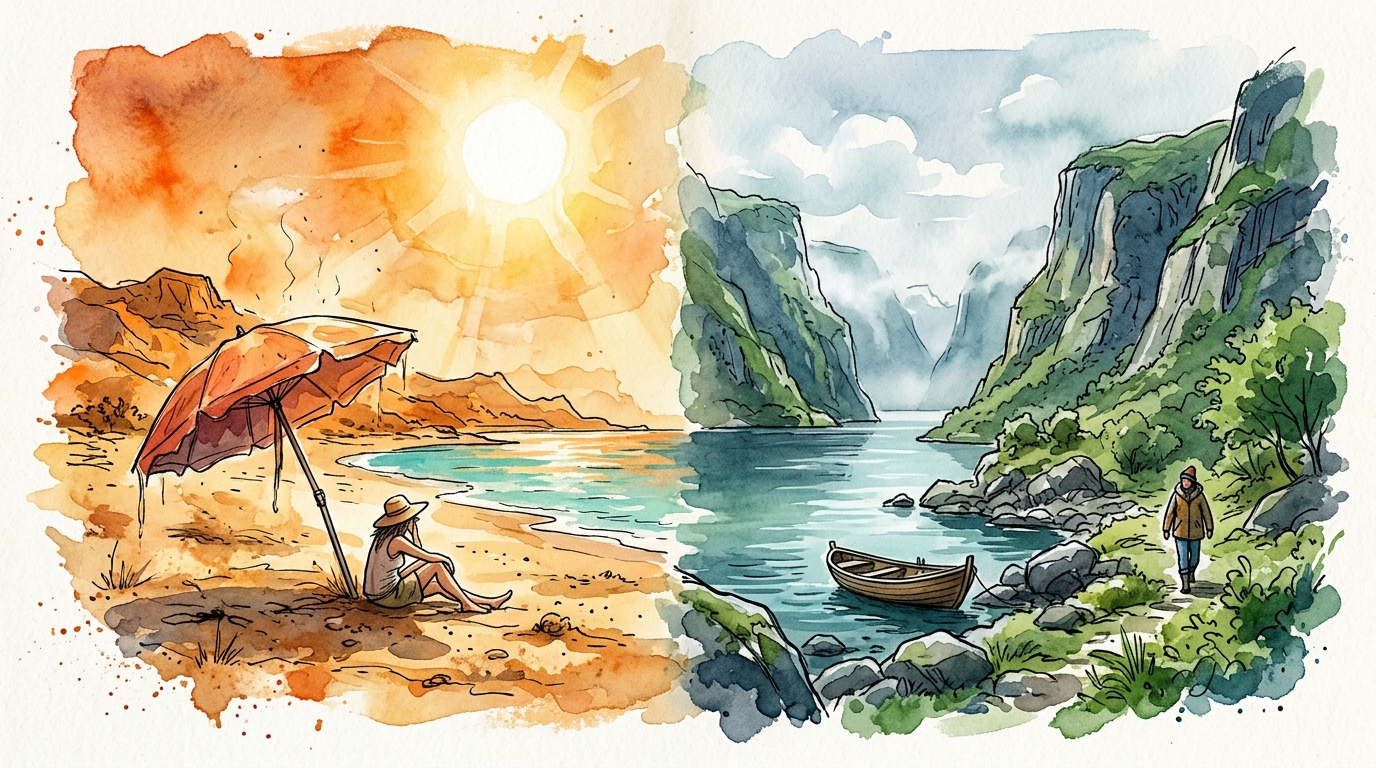
Italian beaches saw up to 25% fewer visitors in June and July 2025. Not because Italy got less interesting. Because it got less survivable. When the forecast says 42°C and your hotel's air conditioning is a fan pointed at an open window, the romance of the Amalfi Coast fades fast.
Intrepid Travel reported 50% more bookings for Iceland, Estonia, and Scandinavia in July and August, with a 15% drop in southern European departures. Dragon Pass recorded a 100% year-over-year jump in Nordic bookings. These aren't backpackers sleeping in train stations. These are people spending money.
And it's not just young travelers. Booking.com found that 42% of global travelers now prefer cooler destinations for summer. An EF Go Ahead Tours survey found that 53% of American and Canadian Millennial, Gen X, and Boomer travelers say extreme heat directly influences where they go. Three generations agreeing on something. That almost never happens.
This isn't a fad. Southern Europe isn't going anywhere. Greece will still be beautiful in September, Portugal perfect in October. But for July and August, the calendar has shifted.
So where should you go?
Six Coolcation Destinations Worth Your Summer
Each destination below stays under 22°C in July, has direct flight connections from major European hubs, and won't require a second mortgage. Here's the overview before the breakdown.
| Destination | July Temp | Daily Budget | Best For |
|---|---|---|---|
| Tallinn, Estonia | 17-22°C | €50-80 | Budget travelers, digital nomads |
| Scottish Highlands | 12-19°C | £70-130 | Road trips, whisky lovers, hikers |
| Slovenia | 18-27°C | €55-90 | Alpine scenery on a budget |
| Gothenburg, Sweden | 18-22°C | €80-120 | City breaks, food, archipelago |
| Oulu, Finland | 13-20°C | €70-100 | Culture, midnight sun, offbeat |
| Faroe Islands | 10-13°C | €150-250 | Dramatic landscapes, solitude |
Budget estimates assume mid-range travel: private room or small hotel, eating out twice a day, one paid activity. Now the detail.
Entry note: Estonia, Slovenia, Finland, and the Faroe Islands (part of Denmark) are all Schengen area; no visa required for EU, US, UK, Canadian, or Australian citizens for stays under 90 days. Scotland is UK, with separate entry rules, but most nationalities get visa-free access. Check your government's travel advisory site before booking.
1. Tallinn, Estonia — The €50-a-Day Medieval Coolcation
A sit-down dinner in Barcelona's Gothic Quarter runs approximately €35-45 per person. In Tallinn's Old Town, also medieval, also UNESCO-listed, and just as beautiful, the same meal costs roughly €12-18. With better beer.
The Old Town is one of the best-preserved medieval city centers in Europe, with merchant houses from the 1400s and a town hall that's been standing since 1404. But walk ten minutes north and you're in Telliskivi Creative City, a converted industrial complex with design studios, street food, and craft breweries. Ten minutes east? Pirita Beach, where the Baltic water's cold enough to wake you up and the sand is empty enough to actually lie down.
July temperatures sit between 17°C and 22°C. You'll want a light layer for evenings. You won't want air conditioning.
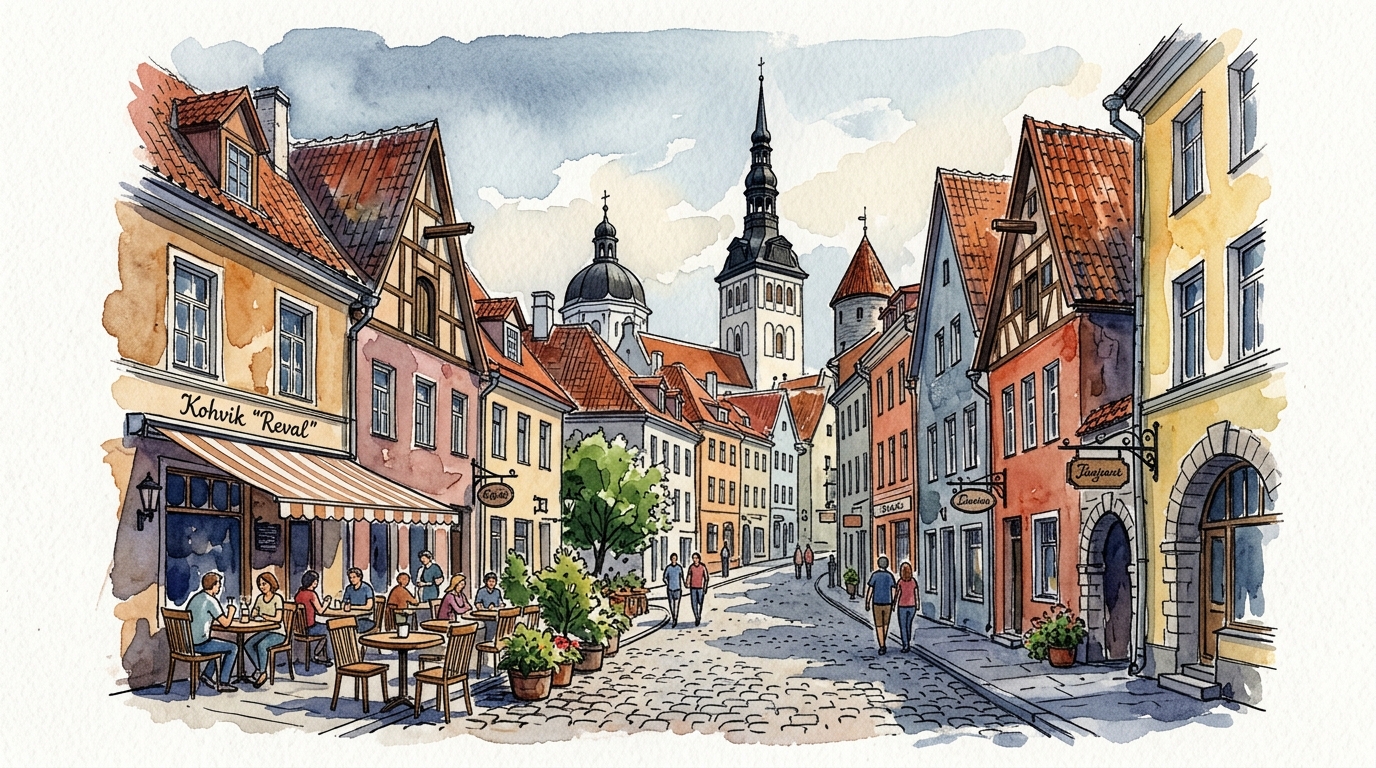
Estonia accommodated nearly 2 million foreign tourists in 2025, up 5% from 2024, but that's still fewer people in an entire year than Barcelona gets in two months. The city has a digital nomad visa, solid coworking spaces, and Ryanair connections from most EU hubs for €20-60 return.
Our opinion: Tallinn is the best value on this list, and it's not even close. At €50-80/day, nothing else in Europe touches it for what you get. Most travelers still skip it. That's your advantage. Use it before they catch on.
2. Scottish Highlands: Where 19°C Counts as a Heat Wave
Scottish people don't tan. They just get a slightly different shade of pale. There's a reason for that. Edinburgh averages 15°C in July. The Highlands are cooler. And when the sun comes out and it hits 19°C, locals put on shorts and declare it tropical.
That's your summer destination. Seriously.
The Highlands offer lochs so dark and still they look photoshopped, single malt distilleries where you can taste whisky that was aging in an oak cask before most of the countries on your passport existed, and hiking trails where the only traffic jam you'll encounter is a herd of Highland cattle staring at you with the confidence of animals that know they were here first.
Expect £70-130/day depending on whether you're camping or doing B&Bs. Self-catering cottages bring costs down fast for groups.
Scotland attracted 4.37 million international visitors in 2024, up 26% from 2019. And summer 2026 has a wildcard: the Commonwealth Games in Glasgow from July 23 to August 2. If you're timing a trip anyway, catching a few events before heading north is a solid combo.
One strong suggestion from experience: skip the Isle of Skye. It's gorgeous but crushed with visitors, and parking at the Fairy Pools has become a contact sport. Go to Torridon or Assynt instead. Same caliber scenery. A fraction of the people. Better pubs.
3. Slovenia: Alpine Lakes Without the Swiss Price Tag
Lake Bled looks like Switzerland. Ljubljana feels like a smaller Vienna. The Julian Alps rival anything in the Dolomites. The difference? A hotel room in Bled costs €70-100/night. In Interlaken, you'd pay three times that and still be looking at a lake.
Slovenia packs an absurd amount of variety into a country the size of New Jersey. Ljubljana has a car-free center, a castle on a hill, and a riverside cafe scene that runs until midnight. Lake Bled is 45 minutes by bus. Triglav National Park is another hour beyond that. Lowland temperatures hit 20-27°C in July, but at altitude you're back down to 18°C with a breeze.
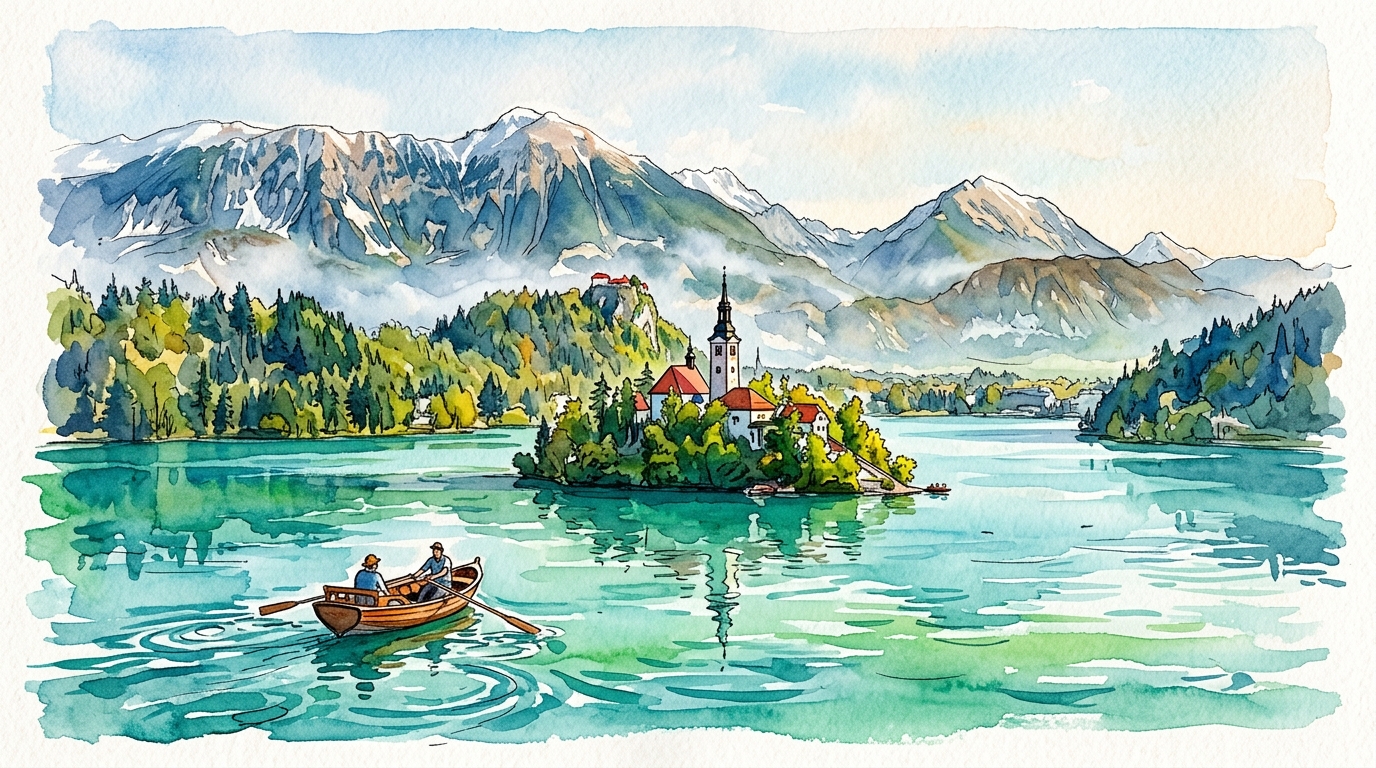
Slovenia hit approximately 7 million tourist arrivals in 2025, which sounds like a lot until you realize that's the entire country, not one city. Daily costs run €55-90 mid-range. If you're planning a multi-city Europe trip, Ljubljana slots perfectly between Vienna and the Italian coast.
Lake Bled is discussing how to manage peak-season visitor numbers, following the direction of Venice and Dubrovnik. No caps are in place yet, but if you want the lake without any booking requirements, sooner is better than later.
4. Gothenburg, Sweden: The Underrated City Break
Sweden? For a summer trip? Yes. And specifically Gothenburg, not Stockholm.
Gothenburg sits on Sweden's west coast and hits 18-22°C in July with daylight stretching past 10pm. That's 16 hours of usable light. You'll eat dinner outside at 8pm in a t-shirt and walk home at 10:30 while the sky is still pink. Try doing that in Seville without getting heat exhaustion.
The food scene is something else. A string of Michelin-starred restaurants that punches well above the city's size, plus Feskekörka (the fish church market) and Stora Saluhallen, running since 1889. And the southern archipelago is a chain of car-free islands connected by free public ferries. Free. Public. Ferries. Swim off the rocks, eat shrimp from a dockside stand, and don't see a single tour group.
UK tourist arrivals to Gothenburg jumped 24% last year, and Ryanair is running 83 routes to Swedish cities for summer 2026, the most ever. Budget €80-120/day, which is less than you'd spend in Barcelona once you factor in tourist taxes and the €7 beers on La Rambla.
After visiting both in the same July, our take is clear: Gothenburg is a better summer city break than Barcelona. And you can actually sit outside at 3pm without melting. That alone is worth the flight.
5. Oulu, Finland: European Capital of Culture 2026
Most people have never heard of Oulu. In 2026, that changes. The city on Finland's northwest coast was named European Capital of Culture for 2026, joining a list that includes Athens, Paris, and Liverpool. Except Oulu has something none of those cities have: 20 hours of daylight in July and temperatures that top out around 20°C.
The program runs roughly 500 events through the year, backed by a €50 million budget, with the theme "Cultural Climate Change." Organizers project over 2 million visits across the year. The irony of a city that averages 13-20°C in July running a program called "Cultural Climate Change" while southern Europe bakes at 45°C is... chef's kiss.
July brings the midnight sun. You'll finish dinner at 9pm, walk along the Oulujoki river, and realize at midnight that it's still bright enough to read a book outside. Strange things happen to your sleep schedule. Wonderful things happen to your trip.
The food leans into Arctic ingredients. Reindeer stew, cloudberry jam on fresh bread, birch-smoked salmon at Toppila market. None of it sounds like beach food, because it isn't. It's the kind of cooking that makes sense when you're eating outdoors at 11pm in a wool sweater, which is exactly the situation you'll be in.
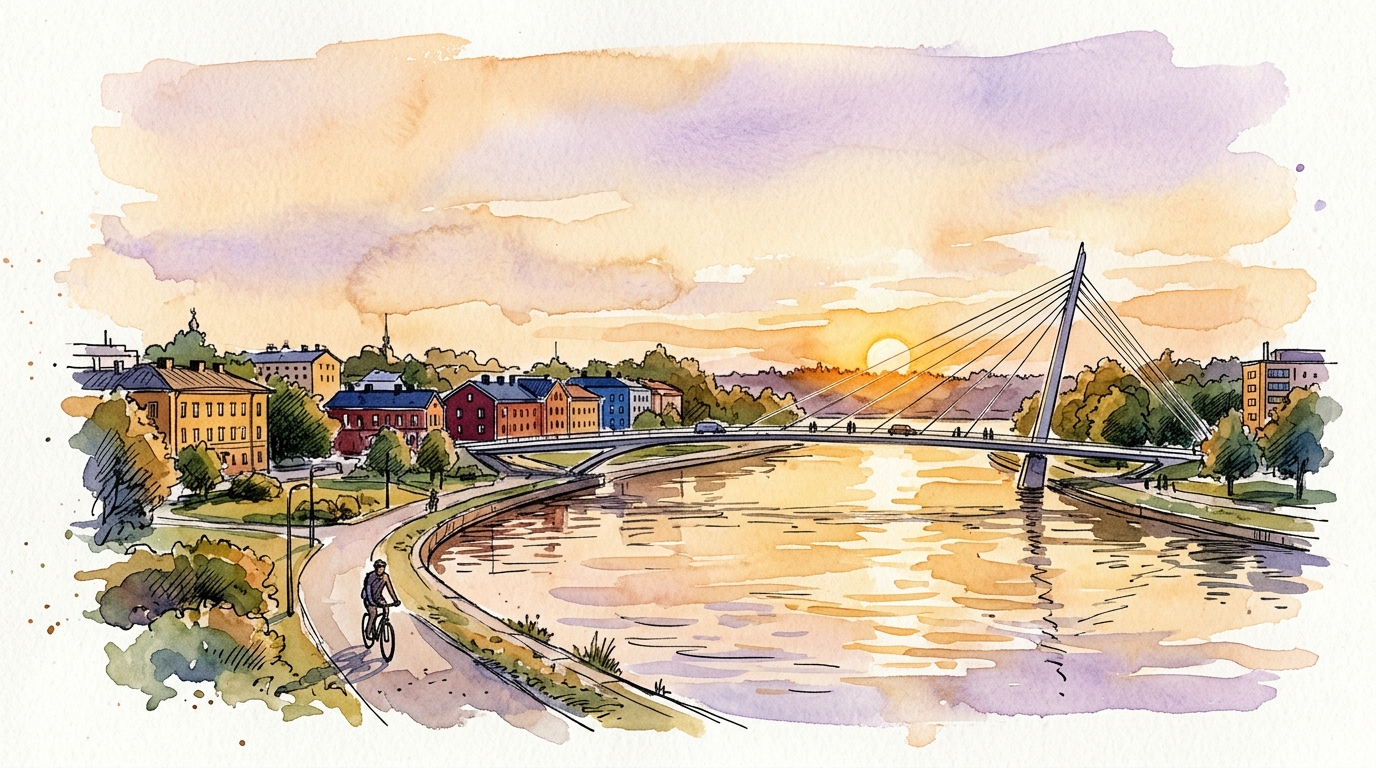
Budget €70-100/day. Finland set an all-time record with 5.1 million foreign tourists in 2025, but Oulu captured only a fraction of that traffic. Most of Finland's tourism clusters in Helsinki and Lapland. Oulu is the gap in between, and the Capital of Culture designation is the best reason to fill it.
If you're building a broader Nordic itinerary, Oulu pairs well with the destinations in our Europe without crowds guide. warm-weather and Nordic Christmas options quieter autumn alternatives in Europe
6. Faroe Islands: For When You Want to Feel Small
Fifty-five thousand people. Eighteen islands. Zero traffic lights outside Tórshavn, the capital. The Faroe Islands sit halfway between Scotland and Iceland in the North Atlantic, and visiting them feels less like a vacation and more like landing on another planet that happens to have excellent lamb.
July temperatures range from 10-13°C. You'll need a waterproof jacket. You won't need sunscreen. The weather changes every 20 minutes. You might get sun, rain, fog, and wind in a single hike, and somehow all of it makes the landscape look better.
The "Closed for Maintenance" program invites tourists to help with conservation projects instead of just sightseeing. Trail repair, bird monitoring, cleanup. It's voluntourism done right, and one of the few places where the locals genuinely want you there.
About 130,000 tourists visit annually, more than double the population. But spread across 18 islands, it never feels crowded. Atlantic Airways flies from Copenhagen and Edinburgh. Book 3+ months ahead because capacity is limited.
This is the splurge pick. €150-250/day. Accommodation is scarce and a restaurant dinner runs €40-60. But the Faroe Islands have the most impressive landscape in Europe. More impressive than Norway. More dramatic than Iceland. More raw than Scotland. People will argue with that. We're comfortable with it.
What a Coolcation Week Actually Costs
A week-long coolcation ranges from approximately €425 in Tallinn to €1,900 in the Faroe Islands, with most destinations falling between €500 and €1,000 including flights, accommodation, and food. Here's the full breakdown.
| Destination | 7-Night Accommodation | Return Flights (approx) | Food/Day | 7-Day Total |
|---|---|---|---|---|
| Tallinn | €280-420 | €40-100 | €15-25 | €425-625 |
| Scotland | £500-900 | £30-120 | £25-40 | £705-1,260 |
| Slovenia | €300-500 | €40-120 | €20-30 | €490-830 |
| Gothenburg | €500-700 | €40-100 | €30-40 | €750-1,000 |
| Oulu | €400-600 | €70-150 | €25-35 | €655-995 |
| Faroe Islands | €700-1,200 | €150-350 | €40-60 | €1,130-1,920 |
Look at that Tallinn column again. €425 for a week. A full week in a European capital for less than two nights at a mid-range Paris hotel. Slovenia and Scotland both come in under €1,000 if you book smart.
But the Faroe Islands are the outlier. You're paying for remoteness and scarcity. If dramatic landscapes are your priority and budget isn't your constraint, nothing else on this list touches it.
One practical note: hopping between these destinations means juggling NOK, SEK, EUR, GBP, and DKK. Five currencies across six destinations. TripProf's multi-currency expense tracking handles the conversions automatically, so you're not doing mental math at every restaurant. And if you're traveling with others, you can split costs without the spreadsheet headache.
Flight estimates assume round trips booked 6-10 weeks ahead from major European hubs (London, Berlin, Amsterdam). Ryanair, easyJet, and Norwegian cover most routes. Book earlier for the Faroes, where capacity is tight.
Three Mistakes People Make Planning a Coolcation
The concept is simple: go north, stay cool. But as with any first trip to a new destination, the execution trips people up in predictable ways.
1. Packing for Heat
You booked a summer trip, so you packed summer clothes. Now you're in the Faroe Islands, it's 12°C, the wind is sideways, and you're wearing a linen shirt. Coolcation packing is about layers, not seasons. A windproof shell, a fleece mid-layer, and merino base layers cover everything from Tallinn's 22°C afternoons to the Faroes' 10°C rain squalls. Leave the shorts at home.
Pack for three temperature scenarios: a cool morning (14°C), a warm afternoon (22°C), and a wet evening (12°C with wind). One waterproof shell + one insulating layer + moisture-wicking base = you're covered. Check our packing guide for the full system.
2. Underestimating Daylight
In Oulu in July, the sun doesn't set. In Gothenburg, it sets at 10pm. In Tallinn, around 10:30pm. You'll feel energized. You'll keep walking. And at the end of the day, your phone will tell you that you covered 25 kilometers without realizing it. That's not a flex. That's a recipe for being unable to walk the next morning. Set an alarm for dinner. Pace yourself like you would at altitude.
3. Applying Southern Europe Booking Habits
In Barcelona, July is peak season - book early, pay peak prices. In Finland, July IS the season, but it's a short one. Accommodation outside the July window drops significantly. If your dates are flexible, late June or early August can save you significantly on hotels in Oulu and Gothenburg. Scotland is the exception: August is Edinburgh Festival season and prices spike across the country.
Frequently Asked Questions
What is a coolcation?
A coolcation is a summer trip to a destination chosen specifically for its mild or cool climate, as an alternative to traditional hot-weather summer destinations. The term gained traction in 2024-2025 as extreme heat made Mediterranean summers increasingly uncomfortable for many travelers.
Where in Europe isn't too hot in July?
Northern Europe and the Atlantic fringe stay reliably cool. The Scottish Highlands average 12-19°C, Estonia 17-22°C, Sweden 18-22°C, and the Faroe Islands 10-13°C. Slovenia's Alpine regions sit around 18°C at altitude. Anything above the 50th parallel generally stays below 25°C.
Are Nordic countries too expensive for summer?
Some are. Norway and Iceland remain expensive, with daily budgets of €120-200+. But Estonia runs €50-80/day, Finland €70-100, and Sweden €80-120. The Baltic states are genuinely cheap by any European standard. And when you factor in the tourist taxes, inflated restaurant prices, and €7 espressos of peak-season southern Europe, the gap shrinks.
Is a coolcation just a trip to northern Europe?
Not necessarily. Altitude can substitute for latitude. Slovenia's Julian Alps and Scotland's Highlands prove you don't need to go far north to find cool temperatures. Coastal Atlantic destinations (western Ireland, Brittany, northern Spain's Galicia) also qualify. The point is temperature, not geography.
What's the cheapest coolcation destination in Europe?
Tallinn, Estonia, at €50-80/day mid-range. A full week including flights from major European cities can come in under €500. The Baltic states in general (Latvia and Lithuania too) offer the best value for cool-climate summer trips.
Can you swim in the sea on a coolcation?
Yes, though "swimming" is relative. The Baltic off Estonia reaches 18-20°C by late July. Gothenburg's archipelago sits around 17-19°C. Scotland's coast ranges 12-16°C. The Faroe Islands? 10-11°C. You can swim. You just won't stay long.
When should I book a coolcation for summer 2026?
Now. Nordic and Baltic destinations for July-August 2026 are booking faster than usual. Oulu is especially tight because of the Capital of Culture events. The Faroe Islands have limited accommodation at any time. Book flights and accommodation 3-4 months ahead for best prices.
Key Takeaways
- Southern Europe's summer heat is now a safety issue, not just a comfort one, with 46°C records and 42% of travelers actively preferring cooler destinations.
- Tallinn is the standout budget pick at €50-80/day, with a UNESCO Old Town, Baltic beaches, and flights under €100 return from most European cities.
- Oulu's European Capital of Culture 2026 designation makes it a one-year-only opportunity with 500+ events, midnight sun, and €70-100/day costs.
- You don't have to go far north to stay cool. Slovenia's Julian Alps hit 18°C at altitude, proving that elevation works as well as latitude.
- The price gap between "cool" and "hot" Europe is shrinking. Once you add southern Europe's tourist taxes, inflated peak prices, and €7 espressos, Nordic destinations are competitive.
- Book early for summer 2026 - coolcation demand is growing 50-100% year over year. Your next July doesn't have to start with soft asphalt and 46°C.
- A multi-destination coolcation means juggling currencies and logistics. TripProf keeps expenses, checklists, and trip details organized across every stop so you can focus on the trip.
Sources
- Copernicus Climate Change Service. "Heatwaves contribute to warmest June on record for western Europe." July 2025.
- Copernicus Climate Change Service. "Copernicus: 2025 was the third-hottest year on record." January 2026.
- CNBC. "'Coolcations': Travelers shun summer hotspots in favor of cooler climes." April 2025.
- Euronews Travel. "Coolcations: Why more people are flocking to Norway, Finland, and Iceland." April 2025.
- Booking.com. "Nine Predictions for Travel in 2025." 2024.
- Euronews Travel. "Italians are abandoning beach holidays for the mountains." August 2025.
- UN Tourism. "International tourist arrivals up 4% in 2025." 2026.
- VisitScotland. "International visitors annual performance report." 2024.
- Slovenia Tourist Board. "Slovenian Tourism in 2025: Moderate growth with focus on quality and sustainability." January 2026.
- Oulu2026. "Northern city of Oulu shines as European Capital of Culture." 2026.
- Statistics Estonia. "The number of accommodated tourists increased a little in 2025." 2026.
- Visit Faroe Islands. Annual Reports.
- EF Go Ahead Tours. "How Travelers Feel About Going Abroad in 2025." 2025.
- Ryanair Corporate. "Record Summer 2026 schedule in Sweden." 2026.
- The Star / Visit Finland. "Foreign tourism in Finland hits record high in 2025." February 2026.
Last updated: September 19, 2026
Keep Reading
More travel tips and guides picked for you
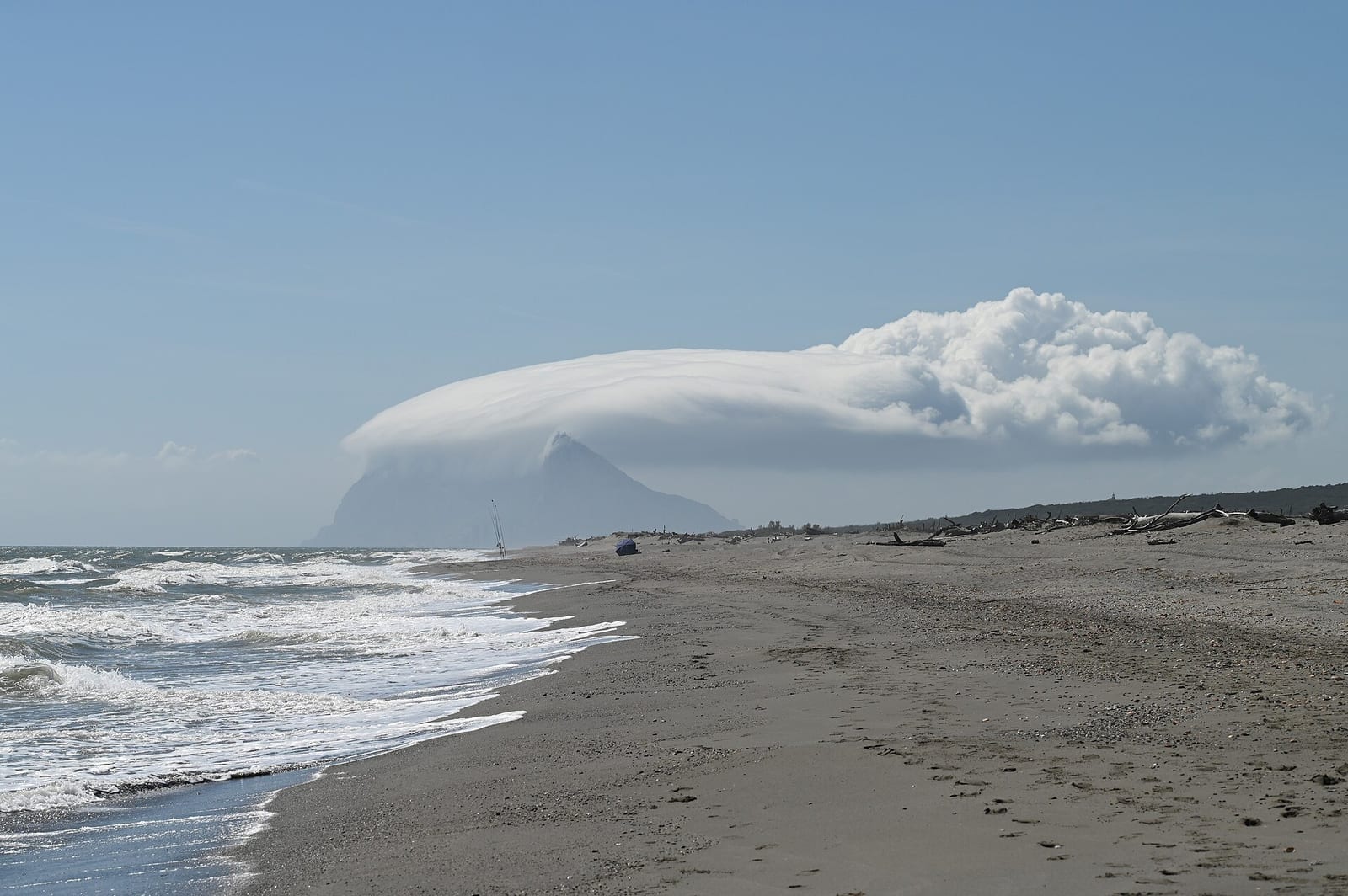
Gibraltar eclipse 2027: where to watch 4.5 minutes of totality, and where to sleep when the Rock is full
The Moon covers the Sun over Gibraltar for 4 minutes 28 seconds on 2 August 2027. Levanter cloud can pile up on the Rock's sunrise side, the airport is now a Schengen border, and Rock hotels are filling. Here's how seven bases compare for a UK group, and what the core trip costs.
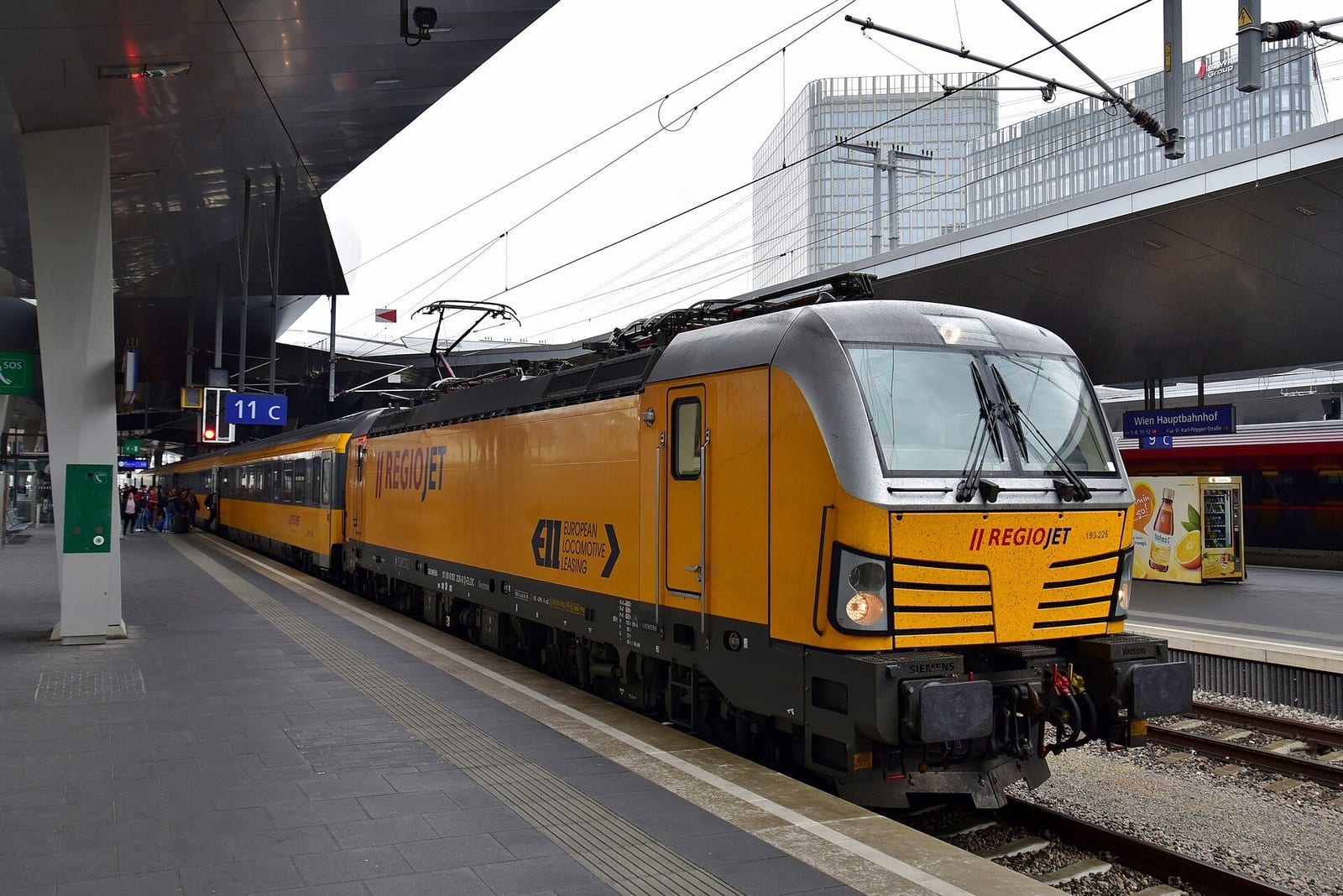
8 best day trips from Vienna by train, ranked by travel time
No car needed. Eight real day trips from Vienna by train, ranked from a 21-minute hop to a full day at Hallstatt, with real 2026 prices, journey times, and an honest downside for each stop.
The ETIAS Canada delay: what actually changes for your Europe trip
ETIAS's 2026 launch date is gone, with no replacement confirmed. Here's exactly what changes for Canadians heading to Europe right now, and how to spot the fake ETIAS Canada sites already cashing in on the confusion.