EES-vertragingen bij terugkeer naar Frankfurt en München bij start Herbstferien
Belangrijkste punten
- 1
- 2
- 3
+2 meer in de samenvatting onderaan
De tijdelijke toestemming van de Europese Unie waarmee grensbewaarders vingerafdrukken en gezichtsscans tijdens piekuren konden overslaan, is op 6 september 2026 verlopen. Brussel liet de deadline passeren zonder in te gaan op een gezamenlijk verzoek van Duitsland en acht andere landen om de regeling te verlengen. De paspoortrijen op de luchthaven van Frankfurt bedroegen in juli al gemiddeld 120 minuten, tweemaal zoveel als een jaar eerder. De meeste Duitse reizigers zullen daar persoonlijk niet in de rij staan. Dit is wie er wel in staat en wat je moet controleren voordat de herfstvakantie begint.
Die timing is nu het belangrijkst. De herfstvakantie begint in de eerste Duitse deelstaten op 5 oktober 2026 en Beieren volgt een maand later. Miljoenen families vliegen via Frankfurt en München, de twee drukste luchthavens van Duitsland, precies op het moment dat het veiligheidsventiel dat de wachtrijen binnen de perken hield, verdwijnt. De meeste van die reizigers zijn EU-burgers die nauwelijks een grensbewaarder zullen opmerken. Het risico ligt elders: families met verschillende nationaliteiten, krappe overstappen die geboekt zijn voordat het EES bestond, en drukte op overstapluchthavens die iedereen vertraagt.
- Flexmodus is voorbij: De tijdelijke toestemming van de EU om biometrische controles over te slaan tijdens drukte verliep op 6 september 2026 en de Commissie heeft deze niet verlengd ondanks het verzoek van Duitsland, waar acht andere landen zich bij aansloten.
- EU-burgers zijn vrijgesteld: Het in- en uitreissysteem geldt alleen voor onderdanen van buiten de EU, de EER en Zwitserland. Als elk paspoort in je reisgezelschap van de EU is, gebruik je de EasyPASS-rij in plaats van het EES.
- Het echte risico is de drukte, niet de balie: De gemiddelde wachttijd in Frankfurt bereikte 120 minuten in juli 2026, het dubbele van juli 2025. Dat zorgt voor vertragingen in de terminals voor iedereen, inclusief de EU-rij.
- Families met gemengde nationaliteiten lopen het risico: Een niet-EU-echtgenoot, schoonfamilielid of kind zonder Duitse of EU-verblijfsvergunning staat in de EES-rij en de rest van de familie wacht daardoor mee.
- De herfstvakantie begint op 5 oktober in de vroegste deelstaten: Bouw deze herfst een grotere marge dan gewoonlijk in voor elke niet-Schengen-vlucht via Frankfurt of München.
Wat er is veranderd op 6 september
Het tijdelijke flexibiliteitsmechanisme van de EU voor het in- en uitreissysteem is verstreken op 6 september 2026. Met dat mechanisme konden grensautoriteiten op drukke controlepunten het verzamelen van vingerafdrukken en gezichtsscans gedeeltelijk opschorten wanneer de rijen onbeheersbaar werden, terwijl elke grensovergang wel werd geregistreerd.
België, Frankrijk, Duitsland, Griekenland, Italië, Malta, Nederland, Portugal en Zwitserland vroegen de Europese Commissie in een gezamenlijke brief, gedateerd 7 juli 2026, om de maatregel na die datum te laten doorlopen. Er kwam geen verlenging. Luchtvaartbranchevereniging IATA dringt nog steeds aan op terugkeer "tot het einde van het winterseizoen", een standpunt dat ze op 7 september herhaalde, een dag na het verstrijken van de deadline.
Die flexibiliteit is dus verdwenen: luchthavens moeten de volledige EES-verwerking uitvoeren, hoe lang de rij ook wordt. Het aantal weigeringen aan de buitengrenzen in de hele EU was tegen juli 2026 al gestegen tot meer dan 43.700, volgens gegevens van de Commissie, tegenover 30.000+ in de telling van de Commissie van april zelf.
Wie dit werkelijk treft
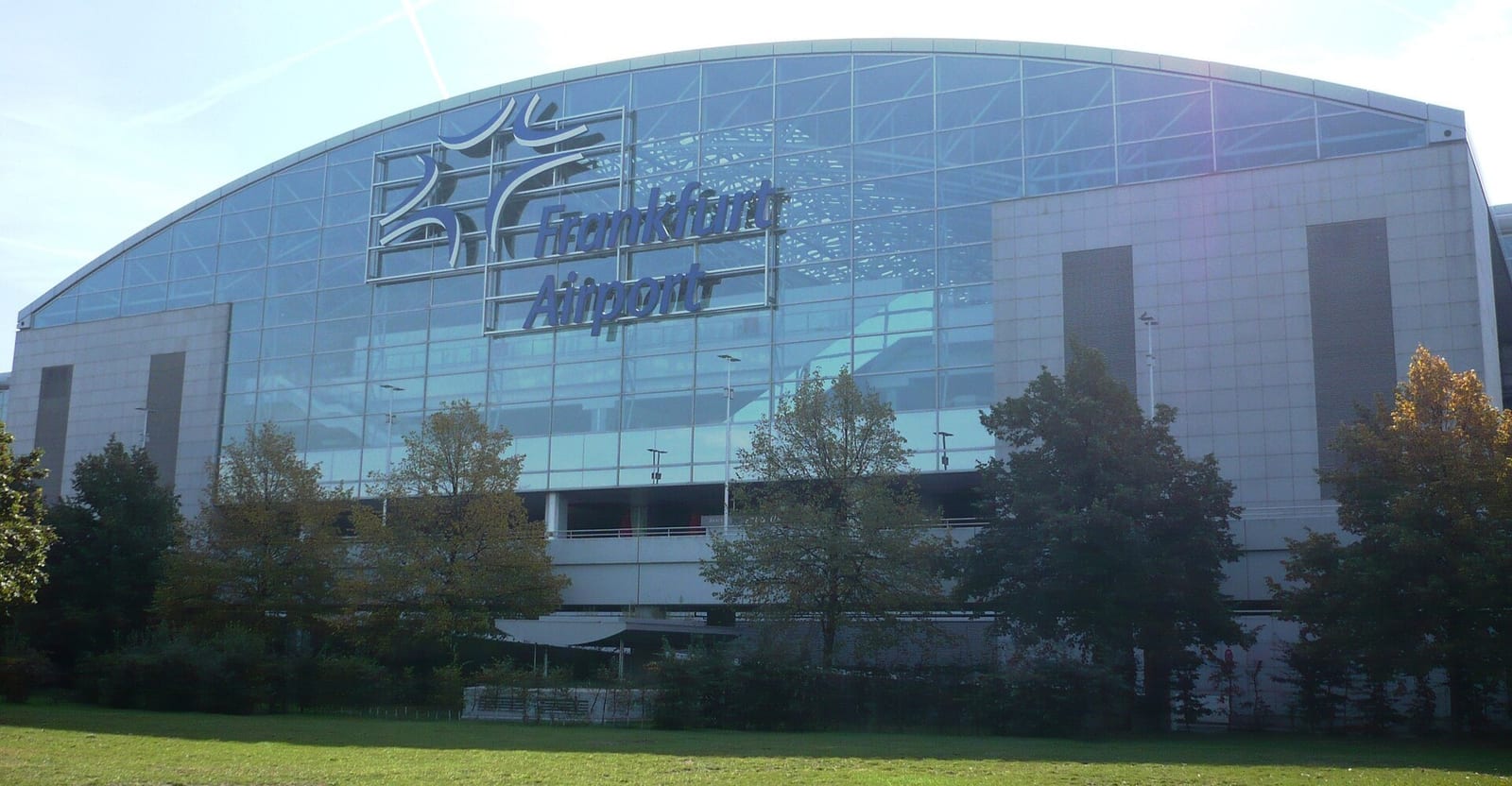
De meeste Duitse reizigers zijn niet wie dit treft. Het EES is "een geautomatiseerd IT-systeem voor het registreren van onderdanen van buiten de EU die voor een kort verblijf reizen", aldus de Europese Commissie, en de eigen pagina van luchthaven Frankfurt bevestigt dat burgers uit de EU, de EER en Zwitserland dezelfde geautomatiseerde rij gebruiken, EasyPASS, die ze altijd al gebruikten.
Drie groepen lopen het echte risico, en de verblijfsstatus bepaalt wie waar hoort. Een niet-EU-echtgenoot, ouder of kind dat in Duitsland woont met een verblijfsvergunning gebruikt EasyPASS net als de rest van het gezin. De eigen pagina van luchthaven Frankfurt vermeldt dat personen met een Duitse verblijfsvergunning in aanmerking komen voor die geautomatiseerde rij, vanaf 12 jaar. Het zijn de personen zonder dat document die in de EES-rij staan. Denk aan een op bezoek komend schoonfamilielid dat hier voor de feestdagen is op een toeristenvisum, een grootouder die voor de herfstvakantie komt vliegen, of een stiefkind of nichtje met een niet-EU-paspoort zonder Duitse verblijfskaart. Wij zouden die vraag over de verblijfsvergunning beschouwen als het eerste punt om te controleren voor elk binationaal gezin, ruim voor de vertrekdag.
De eigen pagina van luchthaven München vermeldt dat kinderen onder de 12 jaar en reizigers met beperkte mobiliteit handmatig worden geholpen bij een bemande balie in plaats van bij een zuil. Als je reist met een familielid van buiten de EU, behandelt onze EES-uitleg voor niet-EU-bezoekers wat zij nodig hebben.
Ervan uitgaan dat een korte overstap prima is omdat je eigen paspoort Duits is. Als iemand in jouw reisgezelschap EES-verwerking nodig heeft, is het overstaprissico van de hele groep.
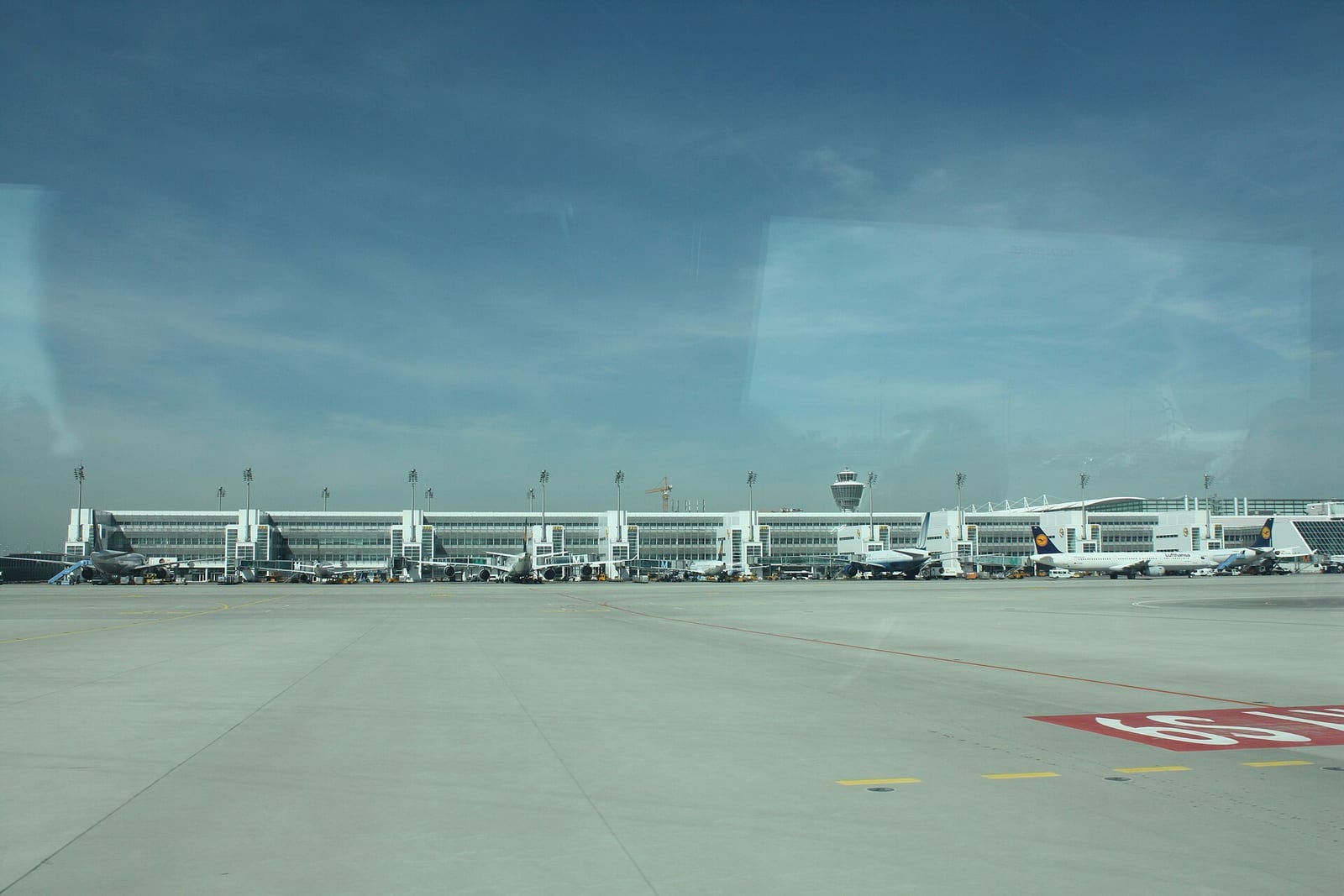
Foto: J. Patrick Fischer · CC BY 3.0, via Wikimedia Commons
Wat je moet doen voordat je vliegt deze herfstvakantie
Bouw een langere marge in dan vorig jaar, bevestig wie EES-verwerking nodig heeft en weet welke rij bij welk paspoort hoort voordat je landt. Tien minuten thuis bespaart stress bij de gate.
- Controleer welke paspoorten in jouw groep van buiten de EU, de EER of Zwitserland zijn
- Check online in en download instapkaarten voordat je aankomt op FRA of MUC
- Voeg ten minste één extra uur toe voor een niet-Schengen-overstap deze herfst
- Registreer familieleden van buiten de EU vooraf bij een zelfbedieningszuil waar dit wordt aangeboden
- Bewaar offline kopieën van paspoorten en visumgegevens voor het geval een rij een handmatige controle afdwingt
Onze checklist voor reisdocumenten behandelt wat je nog meer gereed moet hebben voor een internationale vlucht. Hulpmiddelen zoals TripProf slaan paspoort- en visumscans op met offline toegang, zodat een trage zuilenrij niet meteen het moment is waarop je door je e-mails moet zoeken naar een instapkaart.
Het eigen advies van München is om eerder dan gebruikelijk aan te komen voor niet-Schengen-vluchten, zonder een getal te noemen, en de gepubliceerde minimale overstaptijd van Lufthansa in Frankfurt is 60 minuten, een getal dat is berekend voor een soepele dag, niet voor de wachtrij die Frankfurt momenteel ervaart. Wij zouden tweeënhalf uur budgetteren voor een gemengde nationaliteitengroep die begin oktober niet-Schengen vliegt vanuit Frankfurt, geen industriestandaard, gewoon ons eigen oordeel.
Hoe Frankfurt en München zo druk werden
Frankfurt en München kregen te maken met deze drukte omdat EES vingerafdrukken, een gezichtsscan en een paspoortcontrole toevoegt die langer duurt dan de stempel die het verving, voor elke grensovergang van buiten de EU, en geen van beide luchthavens personeel of rijen snel genoeg toevoegde om dit op te vangen. De EU rolde dit geleidelijk uit vanaf oktober 2025 en bereikte volledige operationele werking in de hele EU op 10 april 2026. Die extra tijd telt op bij elke aankomstgolf op een hub van het formaat van Frankfurt, wat precies de reden was waarom het flexibiliteitsmechanisme bestond om op te vangen. We behandelden de bredere chaos op Europese luchthavens in onze voorjaarscampagne van 2026, voordat de zomercijfers dit beeld helder maakten.
| Luchthaven | Juli 2025 | Juli 2026 |
|---|---|---|
| Frankfurt | 60 | 120 |
| München | 31 | 60 |
De wachttijd in Frankfurt is ongeveer verdubbeld op jaarbasis en die in München bijna ook, ook al bleef de piek in München ruim onder die van Frankfurt. Gezien die cijfers zouden we München verkiezen boven Frankfurt voor een overstap met een gemengde nationaliteit deze herfst, als het reisplan je een keuze geeft.

Wat je hierna in de gaten moet houden
IATA lobbyt nog steeds voor de terugkeer van het mechanisme gedurende de winter, hoewel er nog niets is aangekondigd. De herfstvakantie zelf verloopt in golven, niet in één piekweekend: Hessen, Saarland en Rijnland-Palts beginnen op 5 oktober 2026, de meeste deelstaten volgen gedurende medio en eind oktober en Beieren sluit af vanaf 2 november, volgens de officiële kalender van de Kultusministerkonferenz. Verwacht dat de drukte gefaseerd meebeweegt met die startdata.
Als je reis doorgaat naar het Verenigd Koninkrijk, is het EES niet de enige nieuwe grenslaag om voor te plannen. Onze vergelijking tussen Britse ETA en ETIAS behandelt de overkant van het Kanaal.
Veelgestelde vragen
Heeft EES invloed op Duitse burgers die naar andere EU-landen vliegen?
Nee. Het EES verwerkt alleen onderdanen van buiten de EU, de EER en Zwitserland die het Schengengebied binnenkomen of verlaten. Een Duitse burger die binnen de EU of het Schengengebied vliegt, komt nooit bij een EES-zuil.
Is het EES-flexibiliteitsmechanisme voorgoed verdwenen?
Het verliep op 6 september 2026 en de Europese Commissie heeft het niet hersteld. IATA vraagt nog steeds om de terugkeer ervan gedurende het winterseizoen, maar er is nog niets bevestigd.
Moeten kinderen door het EES?
Niet-EU-kinderen wel, hoewel luchthaven München kinderen onder de 12 jaar handmatig afhandelt bij een bemande balie in plaats van bij een zuil. EU-kinderen gebruiken EasyPASS samen met de rest van het gezin.
Wat is er momenteel erger, Frankfurt of München?
Frankfurt. De gemiddelde wachttijd daar bereikte 120 minuten in juli 2026, het dubbele van de 60 minuten van München in dezelfde maand.
Wat moet ik doen als mijn overstap korter is dan 90 minuten en iemand in mijn groep EES-verwerking nodig heeft?
Check online in en download instapkaarten voordat je landt, en licht de medewerker bij de gate direct bij aankomst in over de krap geplande overstap zodat personeel dit kan markeren. Als de overstaptijd korter is dan een uur, overweeg dan serieus om een latere overstap opnieuw te boeken, gezien hoe lang de EES-rijen momenteel duren in Frankfurt en München.
Verandert het verstrijken van het EES-flexibiliteitsmechanisme iets voor EU-burgers?
Nee. Burgers uit de EU, EER en Zwitserland, samen met niet-EU-familieleden met een Duitse of EU-verblijfsvergunning, gebruiken nog steeds EasyPASS ongeacht het flexibiliteitsmechanisme. Wat wel verandert is de verwerkingssnelheid voor niet-EU-onderdanen zonder die status, en die tragere verwerking zorgt voor genoeg oponthoud in de terminal om de wachttijd voor iedereen te beïnvloeden.
Belangrijkste punten
- Het EES-flexibiliteitsmechanisme is verdwenen. Het verliep op 6 september 2026 en er kwam geen verlenging ondanks een gezamenlijk verzoek van Duitsland en acht andere landen om het te handhaven.
- EU-burgers zijn vrijgesteld van EES. Als elk paspoort in jouw groep van de EU, EER of Zwitserland is, gebruik je EasyPASS precies zoals voorheen.
- Families met gemengde nationaliteiten en overstappen lopen het echte risico. Een niet-EU-echtgenoot, schoonfamilielid of kind zonder Duitse of EU-verblijfsvergunning betekent dat de hele groep samen wacht, en Frankfurt bereikte 120 minuten in juli, het dubbele van de 60 van München.
- Bouw extra tijd in voor de herfstvakantie. Met de vroegste deelstaten die op 5 oktober beginnen, moet je ten minste een uur toevoegen bovenop wat je vorig jaar had begroot voor elke niet-Schengen-overstap.
- Zorg dat je documenten georganiseerd zijn voordat je vertrekt. Een hulpmiddel zoals TripProf kan paspoorten, visums en instapkaarten opslaan met offline toegang, zodat een trage rij niet meteen het moment is waarop je naar een gescand paspoort zoekt.
Bronnen
- Euronews: EES-flexibiliteitswijzigingen vanaf 6 september (4 sep 2026)
- Euronews: negen landen dringen er bij EU op aan om EES-controles te versoepelen (10 jul 2026)
- Travel Tomorrow: gezamenlijke brief van negen landen gedateerd 7 juli 2026
- Euronews: EES-wachttijden verdubbelen, onder verwijzing naar Financial Times / Qsensor (12 aug 2026)
- Biometric Update: IATA dringt aan op verlenging EES-flexibiliteit (7 sep 2026)
- Biometric Update: EES staat onder nieuwe politieke druk, 43.728 weigeringen genoemd (13 jul 2026)
- Luchthaven Frankfurt: officiële pagina voor grenscontrole
- Luchthaven München: officiële EES-informatiepagina
- Lufthansa: verhoging van minimale overstaptijd naar 60 minuten in Frankfurt
- Europese Commissie: beleidsoverzicht in- en uitreissysteem
- Europese Commissie: aankondiging lanceerdatum EES
- Europese Commissie: EES volledig operationeel, 10 april 2026
- Europese Commissie: Schengen-staatverslag 2026, COM(2026) 150 final
- Kultusministerkonferenz (KMK): officiële schoolvakantiekalender 2026/2027
Laatst bijgewerkt: 19 september 2026
Blijf lezen
Meer reistips en gidsen voor jou geselecteerd

China visa-free for UK citizens ends 31 December 2026: what a 2027 trip needs
British passport holders can enter China for 30 days without a visa, but only until 31 December 2026. Who is covered, what to file, and how to book a 2027 trip without betting on an extension.

What counts as visiting a state? Layovers, drive-throughs and the rules 50-staters use
Only 2% of Americans name a plane change as the minimum that counts as visiting a state, while 27% set the bar at driving through. Here's a three-tier rubric, a lookup table for the edge cases from Four Corners to D.C., and one trip counted three ways.

De neppe SBB-ticketwebsite die creditcard- en Twint-gegevens steelt van reizigers
De kantonpolitie van Zürich bevestigt dat een neppe SBB-ticketwebsite betaalgegevens van creditcards en Twint steelt van reizigers die deze via een gewone Google-zoekopdracht vinden. Dit is hoe je hem herkent en wat je kunt doen als je al hebt betaald.