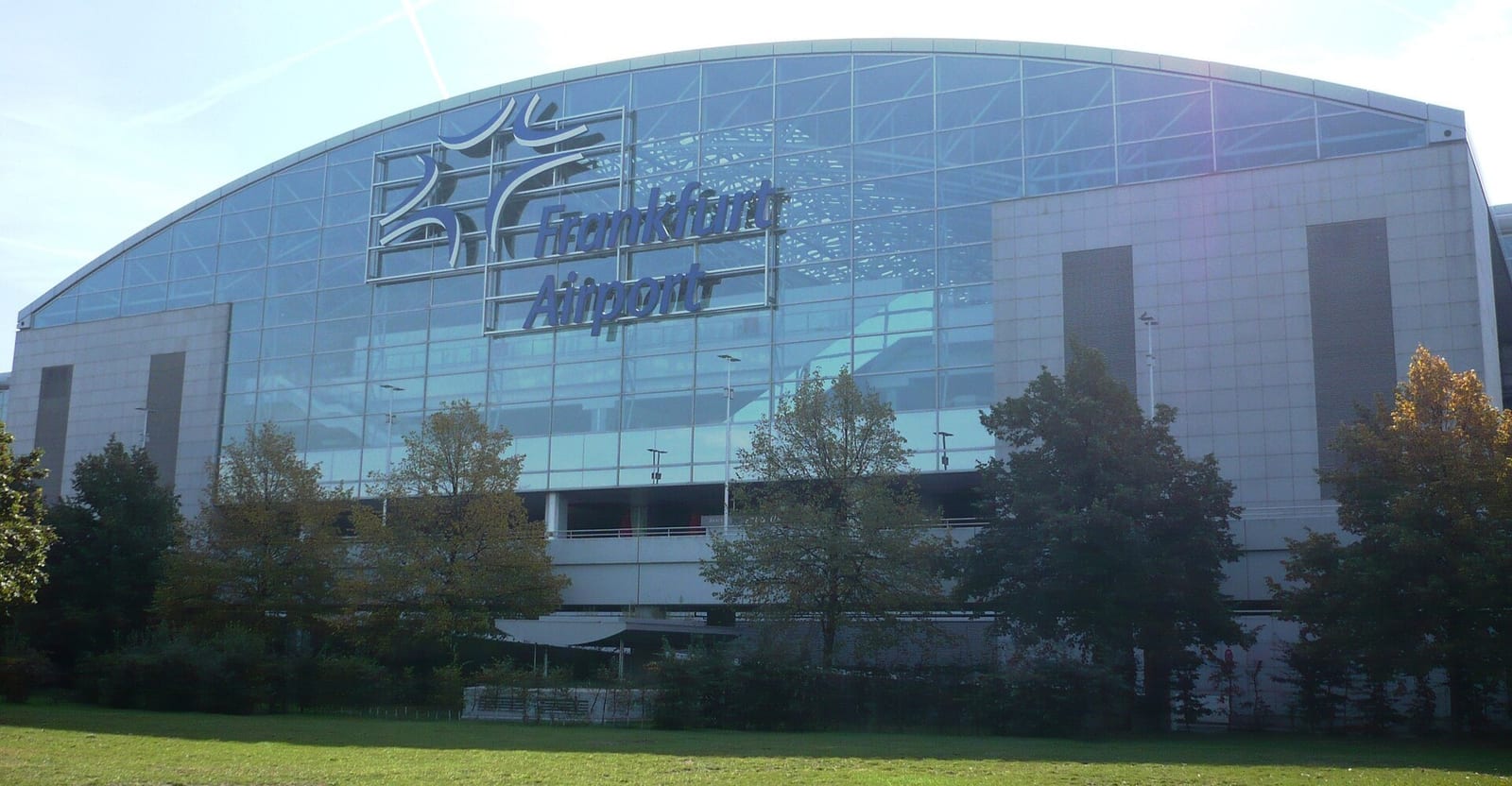
Retrasos del EES en Frankfurt y Munich al comenzar las Herbstferien
Puntos clave
- 1
- 2
- 3
+2 más en el resumen final
El permiso temporal de la Unión Europea que permitía a los guardias fronterizos omitir los escaneos de huellas dactilares y de rostro durante las filas en horas punta expiró el 6 de septiembre de 2026. Bruselas dejó pasar la fecha límite sin conceder una solicitud conjunta de Alemania y otros ocho países para mantenerlo en marcha. Las filas de pasaportes en el aeropuerto de Fráncfort ya habían promediado 120 minutos en julio, el doble que un año antes. La mayoría de los viajeros alemanes no se unirán personalmente a esa fila. Aquí te contamos quiénes lo harán realmente y qué debes revisar antes de que comience el Herbstferien.
Ese momento importa más que nunca ahora mismo. El Herbstferien comienza en los primeros estados federados alemanes el 5 de octubre de 2026, y Baviera le sigue un mes después. Millones de familias volarán a través de Fráncfort y Múnich, los dos aeropuertos con más tráfico de Alemania, justo cuando la válvula de seguridad que evitaba que las filas se dispararan desaparece. La mayoría de esos viajeros son ciudadanos de la UE que apenas notarán la presencia de un guardia fronterizo. La exposición está en otra parte: familias de nacionalidad mixta, conexiones ajustadas reservadas antes de que existiera el EES y la congestión en los centros de conexión que ralentiza a todo el mundo.
- El modo flexible ha terminado: El permiso temporal de la UE para omitir controles biométricos durante la congestión expiró el 6 de septiembre de 2026, y la Comisión no lo renovó a pesar de la solicitud de Alemania, a la que se sumaron otros ocho países.
- Los ciudadanos de la UE están exentos: El Sistema de Entrada y Salida se aplica únicamente a nacionales que no sean de la UE, del EEE ni de Suiza. Si todos los pasaportes de tu grupo son de la UE, usas el carril EasyPASS, no el EES.
- El riesgo real es la congestión, no el mostrador: La espera promedio en Fráncfort alcanzó los 120 minutos en julio de 2026, el doble que en julio de 2025. Eso satura las terminales para todos, incluido el carril de la UE.
- Las familias de nacionalidad mixta cargan con la exposición: Un cónyuge, familiar político o hijo sin nacionalidad de la UE ni permiso de residencia en Alemania hace la fila del EES, y el resto de la familia espera junto a ellos.
- El Herbstferien empieza el 5 de octubre en los primeros estados: Calcula un margen mayor que el habitual antes de cualquier salida fuera del espacio Schengen a través de Fráncfort o Múnich este otoño.
Qué cambió el 6 de septiembre
El mecanismo de flexibilidad temporal de la UE para el Sistema de Entrada y Salida expiró el 6 de septiembre de 2026. Ese mecanismo permitía a las autoridades fronterizas en puntos de control concurridos suspender parcialmente la toma de huellas dactilares y de escaneo facial cuando las filas se volvían inmanejables, al tiempo que seguían registrando cada cruce.
Bélgica, Francia, Alemania, Grecia, Italia, Malta, Países Bajos, Portugal y Suiza pidieron a la Comisión Europea en una carta conjunta, con fecha del 7 de julio de 2026, que mantuviera la salvaguarda funcionando más allá de esa fecha. No hubo prórroga. El grupo comercial de aerolíneas IATA sigue presionando para que vuelva "hasta el final de la temporada de invierno", una postura que reafirmó el 7 de septiembre, un día después de que expirara el plazo.
Así que esa flexibilidad ha desaparecido: los aeropuertos deben aplicar el procesamiento completo del EES sin importar cuán larga se vuelva la fila. Las denegaciones de entrada en toda la UE ya habían subido a más de 43.700 en julio de 2026, según datos de la Comisión, un aumento frente a las más de 30.000 del recuento propio de la Comisión en abril.
A quiénes afecta realmente esto
A la mayoría de los viajeros alemanes no les afecta. El EES es "un sistema informático automatizado para registrar a los nacionales de fuera de la UE que viajan para una estancia corta", según la Comisión Europea, y la propia página del aeropuerto de Fráncfort confirma que los ciudadanos de la UE, del EEE y de Suiza utilizan el mismo carril automatizado, EasyPASS, que siempre.
Tres grupos soportan la exposición real, y el estatus de residencia determina en cuál está cada uno. Un cónyuge, padre o hijo que no sea de la UE pero viva en Alemania con un permiso de residencia utiliza EasyPASS como el resto de la familia. La propia página del aeropuerto de Fráncfort enumera a las personas con permiso de residencia alemán como elegibles para ese carril automatizado, a partir de los 12 años. Quienes no tienen ese documento son los que hacen la fila del EES. Piensa en un familiar político de visita por las fiestas con visa de turista, un abuelo que vuela para el Herbstferien, o un hijastro o sobrina con pasaporte de fuera de la UE sin tarjeta de residencia alemana. Nosotros consideraríamos la cuestión del permiso de residencia como lo primero que hay que comprobar en cualquier familia binacional, mucho antes del día de la salida.
La página del aeropuerto de Múnich señala que los menores de 12 años y los viajeros con movilidad reducida se procesan manualmente en un mostrador con personal en lugar de en un quiosco. Si viajas con un familiar que no sea de la UE, nuestra guía sobre el EES para visitantes de fuera de la UE detalla lo que necesitan.
Suponer que una escala corta no supone un problema porque tu propio pasaporte es alemán. Si alguien en tu grupo necesita tramitar el EES, el riesgo de la conexión recae sobre todo el grupo.
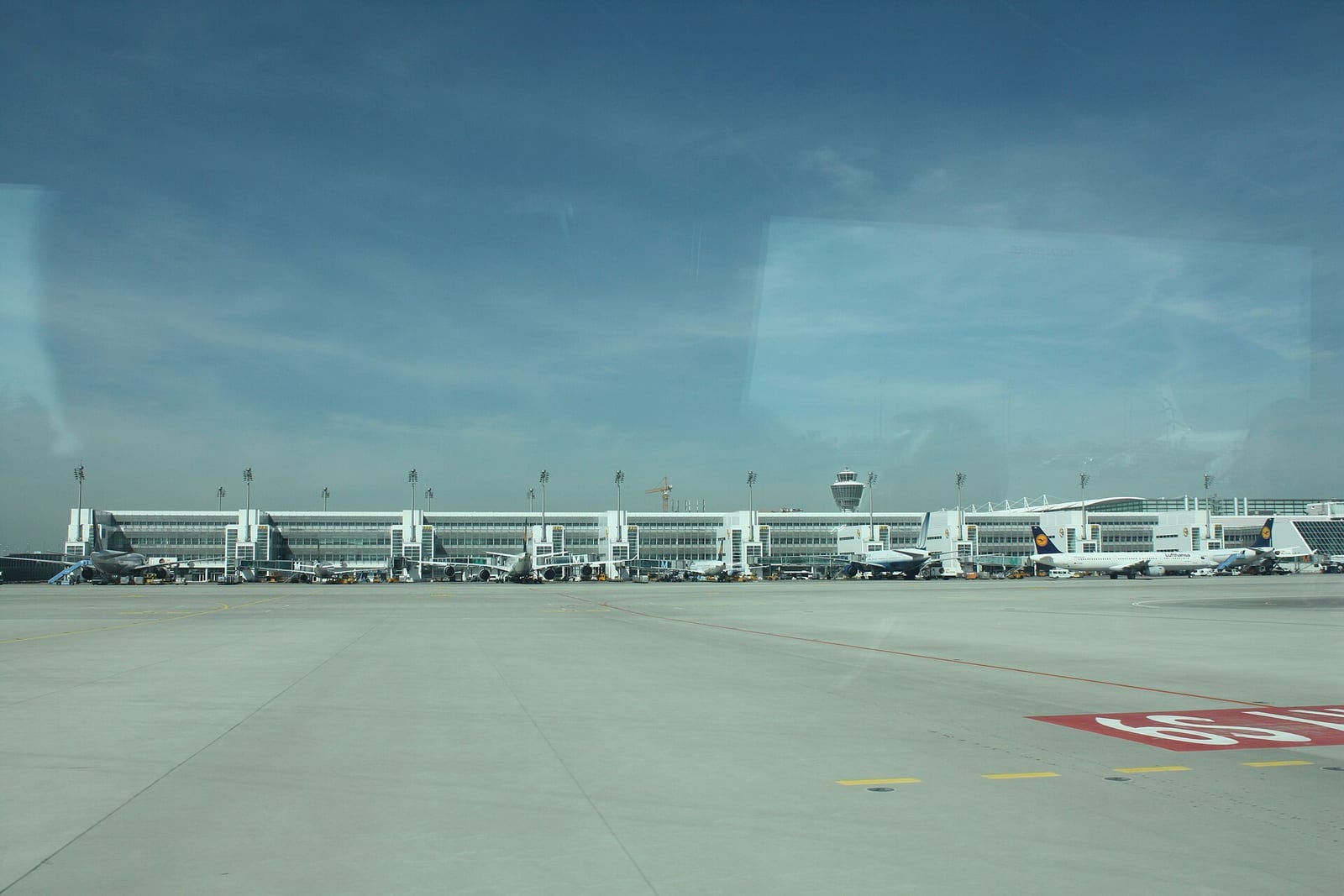
Foto: J. Patrick Fischer · CC BY 3.0, a través de Wikimedia Commons
Qué hacer antes de volar este Herbstferien
Calcula un margen de tiempo mayor que el año pasado, confirma quién necesita el trámite del EES y averigua qué fila corresponde a cada pasaporte antes de aterrizar. Diez minutos en casa valen más que correr desesperado en la puerta de embarque.
- Confirma qué pasaportes de tu grupo son de fuera de la UE, del EEE o de Suiza
- Haz el check-in online y descarga las tarjetas de embarque antes de llegar a FRA o MUC
- Añade al menos una hora extra antes de una conexión fuera del espacio Schengen este otoño
- Registra a los familiares de fuera de la UE en un quiosco de autoservicio con antelación donde esté disponible
- Conserva copias sin conexión de los pasaportes y visados por si una fila obliga a realizar una comprobación manual
Nuestra lista de control de documentos de viaje cubre qué más debes tener listo antes de cualquier salida internacional. Herramientas como TripProf almacenan los escaneos de pasaportes y visados con acceso sin conexión, para que una fila lenta en un quiosco no coincida con el momento en que estás buscando entre tus correos una tarjeta de embarque.
El consejo propio de Múnich es llegar antes de lo habitual para los vuelos fuera del espacio Schengen, sin especificar una cifra, y el tiempo mínimo de conexión publicado por Lufthansa en Fráncfort es de 60 minutos, una cifra pensada para un día sin contratiempos, no para la fila real que hay en Fráncfort. Nosotros calcularíamos dos horas y media para un grupo de nacionalidad mixta que vuele fuera del espacio Schengen desde Fráncfort a principios de octubre; no es un estándar de la industria, es simplemente nuestra recomendación.
Cómo llegaron Fráncfort y Múnich a esta congestión
Fráncfort y Múnich llegaron a esta congestión porque el EES añade huellas dactilares, un escaneo facial y una verificación de pasaporte más larga que el sello que reemplazó para cada cruce fronterizo que no sea de la UE, y ningún aeropuerto añadió personal o carriles lo suficientemente rápido como para absorberlo. La UE implementó el despliegue de forma gradual a partir de octubre de 2025, alcanzando su pleno funcionamiento en toda la UE el 10 de abril de 2026. Ese tiempo extra se acumula en cada banco de llegadas en un centro de conexiones del tamaño de Fráncfort, que es exactamente para lo que existía el mecanismo de flexibilidad. Analizamos el caos generalizado en los aeropuertos europeos en nuestra cobertura de la primavera de 2026, antes de que las cifras del verano aclararan este panorama.
| Aeropuerto | Julio 2025 | Julio 2026 |
|---|---|---|
| Fráncfort | 60 | 120 |
| Múnich | 31 | 60 |
La espera en Fráncfort se duplicó aproximadamente de un año para otro, y la de Múnich casi hizo lo mismo, aunque el pico de Múnich se mantuvo muy por debajo del de Fráncfort. Dadas esas cifras, elegiríamos Múnich antes que Fráncfort para una conexión de nacionalidad mixta este otoño, si el itinerario te da a elegir.

Qué vigilar a continuación
IATA sigue haciendo presión para que el mecanismo vuelva durante el invierno, aunque no se ha anunciado nada. El Herbstferien se desarrolla en oleadas, no en un solo fin de semana pico: Hesse, Sarre y Renania-Palatinado empiezan el 5 de octubre de 2026, la mayoría de los estados continúan a mediados y finales de octubre, y Baviera cierra el periodo a partir del 2 de noviembre, según el calendario oficial de la Kultusministerkonferenz. Es de esperar que la congestión siga esas fechas de inicio por etapas.
Si tu viaje continúa hacia el Reino Unido, el EES no es la única nueva capa fronteriza que debes planificar. Nuestra comparativa entre la ETA del Reino Unido y el ETIAS abarca la otra orilla del canal.
Preguntas frecuentes
¿Afecta el EES a los ciudadanos alemanes que vuelan a otros países de la UE?
No. El EES solo procesa a nacionales de fuera de la UE, del EEE y de Suiza que entran o salen del espacio Schengen. Un ciudadano alemán que vuela dentro de la UE o del espacio Schengen nunca pasa por un quiosco del EES.
¿Ha desaparecido para siempre el mecanismo de flexibilidad del EES?
Expiró el 6 de septiembre de 2026 y la Comisión Europea no lo ha restablecido. IATA sigue pidiendo que vuelva durante la temporada de invierno, pero no hay nada confirmado.
¿Tienen que pasar los niños por el EES?
Los menores de fuera de la UE sí, aunque el aeropuerto de Múnich gestiona a los menores de 12 años manualmente en un mostrador con personal, no en un quiosco. Los niños de la UE usan EasyPASS con el resto de la familia.
¿Qué aeropuerto está peor ahora mismo, Fráncfort o Múnich?
Fráncfort. Su espera promedio alcanzó los 120 minutos en julio de 2026, el doble de los 60 minutos de Múnich en el mismo mes.
¿Qué debo hacer si mi conexión es inferior a 90 minutos y alguien de mi grupo necesita tramitar el EES?
Haz el check-in online y descarga las tarjetas de embarque antes de aterrizar, y luego avisa al agente de la puerta sobre la conexión ajustada en cuanto llegues para que el personal pueda priorizarlo. Si la escala dura menos de una hora, valora seriamente reservar otra conexión posterior, dado el tiempo que duran actualmente las filas del EES en Fráncfort y Múnich.
¿Cambia algo para los ciudadanos de la UE el hecho de que expire el mecanismo de flexibilidad del EES?
No. Los ciudadanos de la UE, del EEE y de Suiza, junto con los familiares de fuera de la UE que tengan un permiso de residencia alemán o de la UE, siguen usando EasyPASS con independencia del mecanismo de flexibilidad. Lo que cambia es la velocidad de procesamiento para los nacionales de fuera de la UE que no tienen ese estatus, y ese procesamiento más lento satura la terminal lo suficiente como para afectar al tiempo de espera de todos.
Puntos clave
- El mecanismo de flexibilidad del EES ha desaparecido. Expiró el 6 de septiembre de 2026 y no hubo prórroga a pesar de una solicitud conjunta de Alemania y otros ocho países para mantenerlo en marcha.
- Los ciudadanos de la UE están exentos del EES. Si todos los pasaportes de tu grupo son de la UE, del EEE o de Suiza, usarás EasyPASS exactamente igual que antes.
- Las familias de nacionalidad mixta y las conexiones cargan con la exposición real. Un cónyuge, familiar político o hijo sin nacionalidad de la UE ni permiso de residencia en Alemania implica que todo el grupo espera junto, y Fráncfort alcanzó los 120 minutos en julio, el doble de los 60 de Múnich.
- Reserva tiempo extra para el Herbstferien. Con los primeros estados comenzando el 5 de octubre, añade al menos una hora más de lo que calculaste el año pasado para cualquier conexión fuera del espacio Schengen.
- Mantén tus documentos organizados antes de irte. Una herramienta como TripProf puede almacenar pasaportes, visados y tarjetas de embarque con acceso sin conexión, para que una fila lenta no sea también el momento en el que estés buscando un pasaporte escaneado.
Fuentes
- Euronews: Cambios en la flexibilidad del EES a partir del 6 de septiembre (4 sep. 2026)
- Euronews: Nueve países instan a la UE a flexibilizar los controles del EES (10 jul. 2026)
- Travel Tomorrow: Carta conjunta de nueve países con fecha del 7 de julio de 2026
- Euronews: Los tiempos de espera del EES se duplican, citando a Financial Times / Qsensor (12 ago. 2026)
- Biometric Update: IATA insta a prorrogar la flexibilidad del EES (7 sep. 2026)
- Biometric Update: El EES afronta nueva presión política, se citan 43.728 denegaciones (13 jul. 2026)
- Aeropuerto de Fráncfort: Página oficial de control fronterizo
- Aeropuerto de Múnich: Página oficial de información sobre el EES
- Lufthansa: Aumento del tiempo mínimo de conexión a 60 minutos en Fráncfort
- Comisión Europea: Resumen de la política del Sistema de Entrada y Salida
- Comisión Europea: Anuncio de la fecha de lanzamiento del EES
- Comisión Europea: EES en pleno funcionamiento, 10 de abril de 2026
- Comisión Europea: Informe sobre el estado de Schengen de 2026, COM(2026) 150 final
- Kultusministerkonferenz (KMK): Calendario oficial de vacaciones escolares 2026/2027
Última actualización: 19 de septiembre de 2026
Sigue leyendo
Más consejos de viaje y guías elegidas para ti
China visa-free for UK citizens ends 31 December 2026: what a 2027 trip needs
British passport holders can enter China for 30 days without a visa, but only until 31 December 2026. Who is covered, what to file, and how to book a 2027 trip without betting on an extension.
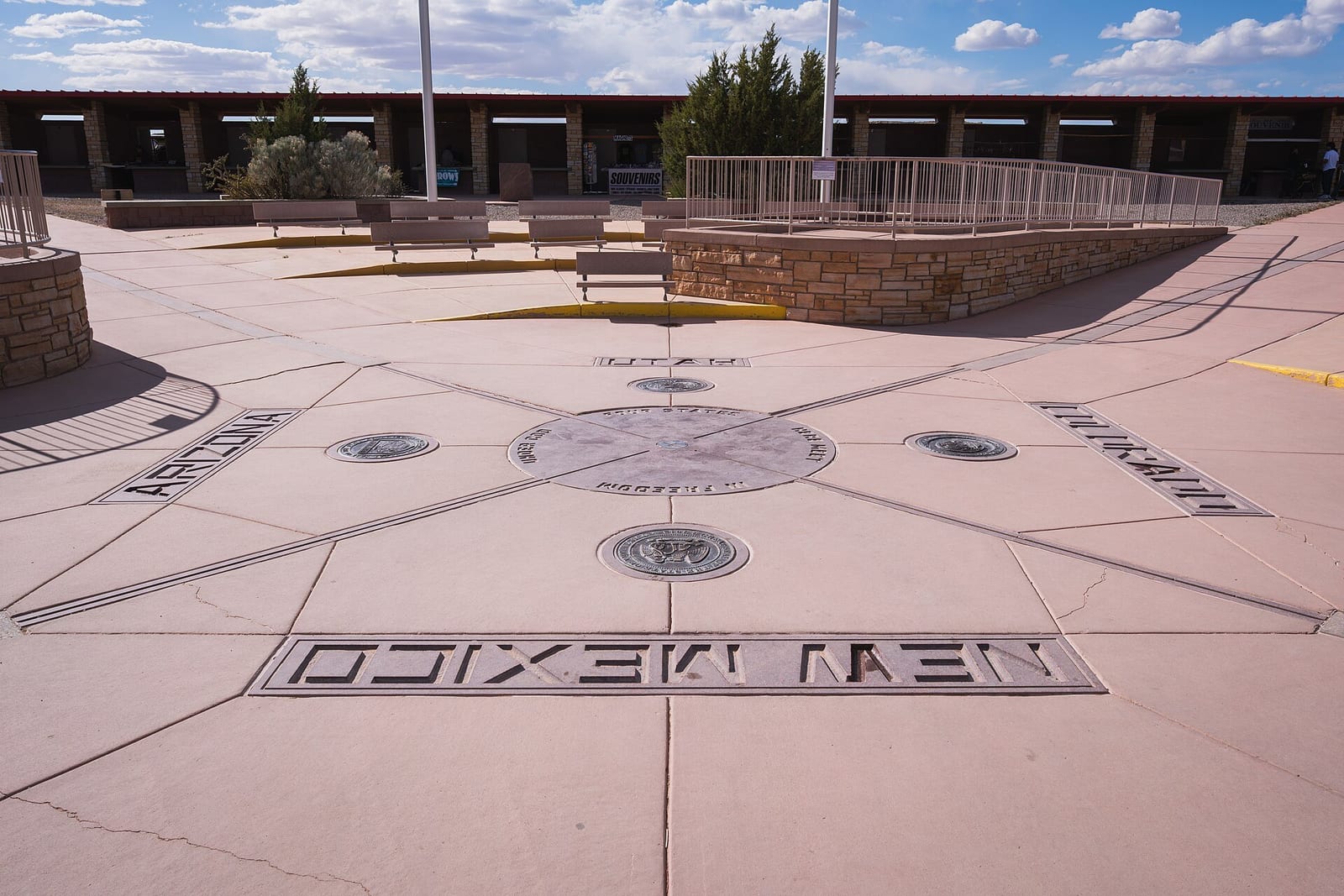
What counts as visiting a state? Layovers, drive-throughs and the rules 50-staters use
Only 2% of Americans name a plane change as the minimum that counts as visiting a state, while 27% set the bar at driving through. Here's a three-tier rubric, a lookup table for the edge cases from Four Corners to D.C., and one trip counted three ways.
La página web falsa de billetes de SBB que roba datos de tarjetas y Twint a los viajeros
La policía cantonal de Zúrich confirmó que un sitio web falso de billetes de SBB está robando datos de tarjetas de crédito y de pago Twint a los viajeros que lo encuentran a través de una búsqueda normal en Google. Te contamos cómo detectarlo y qué hacer si ya has pagado.