World Cup 2026 Heat Survival Guide: What Fans Can Actually Bring
Key Highlights
- 1
- 2
- 3
+4 more in the takeaways below
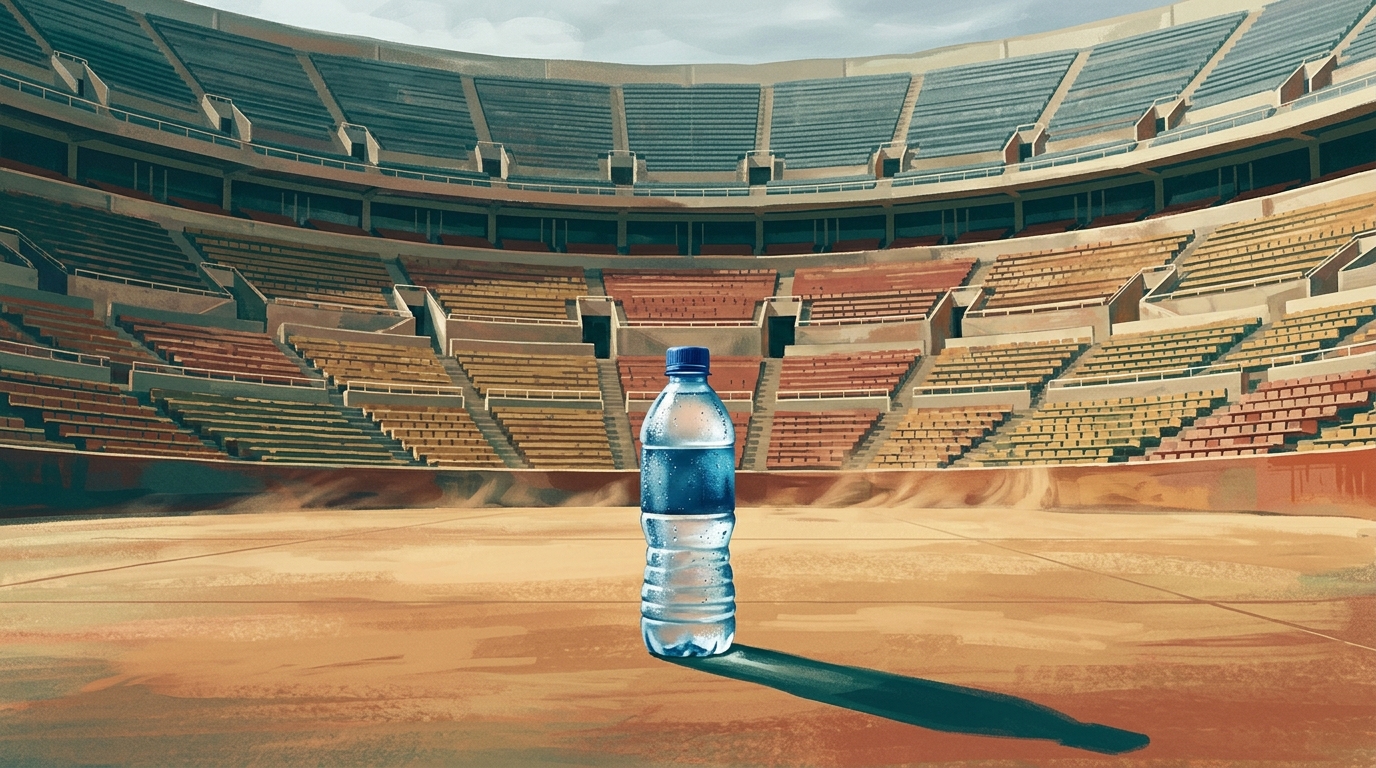
FIFA banned reusable water bottles nine days before the World Cup kicks off, then reversed itself within 72 hours after fan groups and two heads of government called it out. If you're flying out this week, that whiplash is the point: consider this your World Cup 2026 heat survival guide, with the bottle rule as it stands today, the bag rules, every venue's heat exposure, and the match-day timeline nobody publishes.
As of June 10, 2026, you can bring one soft, factory-sealed, disposable 20 oz (590ml) plastic water bottle into US and Canadian World Cup stadiums. Reusable bottles stay banned. Bags must be clear plastic, max 12"x12"x6", or a small clutch under 4.5"x6.5". Umbrellas are banned; sunscreen and hats are allowed. Only Dallas, Houston, and Atlanta have air conditioning. Budget 2-4 hours outdoors per match for shuttles and security, and hydrate like it's your job.
The Water Bottle Rule Changed Twice in One Week. Here's What's True Today
The current rule, published by FIFA on Friday, June 5, 2026: every fan may bring one soft, plastic, 20 oz (590ml), factory-sealed disposable water bottle into any World Cup match in the USA and Canada. Hard-sided and reusable bottles of any kind remain banned. That's the operative policy as the tournament opens, confirmed by ESPN and Global News.
How we got here is a saga worth knowing, because it tells you how fast tournament rules can move. FIFA's original stadium policy allowed a transparent, reusable bottle up to 1 liter, as long as it arrived empty. Then, in the first week of June, FIFA quietly scrapped that and prohibited reusable bottles entirely, citing the need "to prevent risk and injury to players and attendees" (ESPN). Fans noticed that the only beverages left inside would be the ones sold at concession stands, supplied exclusively by longtime FIFA sponsor Coca-Cola.
Naturally, the immediate thought from supporters is this is just the latest money grab.
- Free Lions, the England supporters' association, quoted by ESPN, June 2026
The backlash escalated fast. New York City Mayor Zohran Mamdani called the ban "concerning because the heat that we are talking about is not just the heat that the players are in" (ESPN). UK Prime Minister Keir Starmer flatly called the decision "wrong" and told LBC it was "about making money" (ESPN). Three days after the ban surfaced, FIFA folded (Al Jazeera).
To put the week in order: the original stadium policy allowed a transparent, reusable bottle up to 1 liter as long as it arrived empty. The early-June update killed that and banned outside bottles outright. The June 5 reversal restored a middle ground, smaller and stricter than where things started. Net result for fans: you can carry in less water than the policy promised when most people bought their tickets. Nobody marketed it that way, but that's the arithmetic.
Three details still trip people up. First, the bottle must be sealed: a half-drunk bottle from your hotel fridge won't pass the gate. Second, the published rule covers stadiums in the USA and Canada; if you're attending matches in Mexico, check your venue's own published policy before you queue. Third, your empty Hydro Flask doesn't become legal because it's empty. Leave it at the hotel.
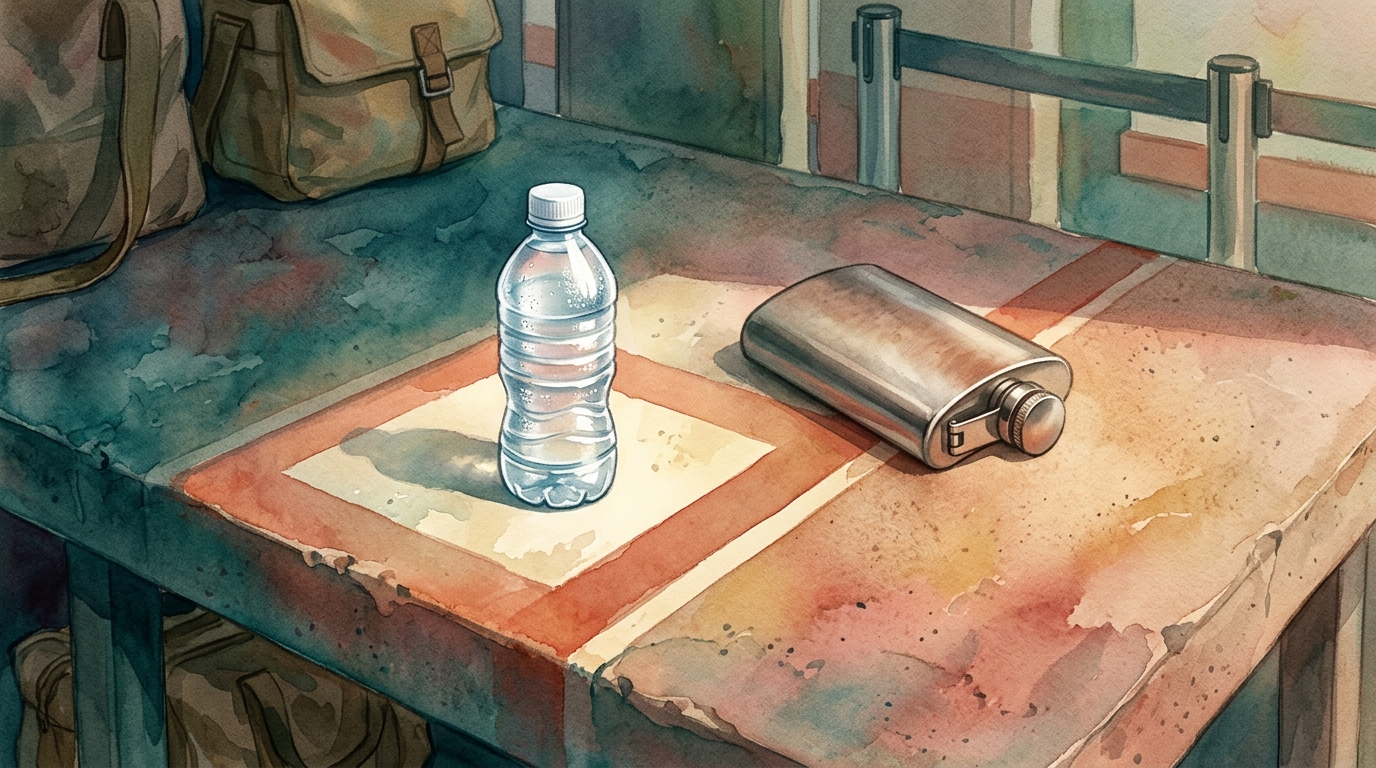
Don't count on the stadium holding non-compliant items. FIFA's published policies make no promise of gate storage, and locker availability varies by venue - if security rejects your bottle, bag, or umbrella, assume your options are the trash can or a long walk back (FIFA Code of Conduct).
How Hot Will It Actually Get?
More than a third of World Cup 2026's 104 matches, 39 games in all, are at high risk of dangerously hot, humid conditions, per NPR's June analysis. The tournament runs June 11 through July 19, straight through the hottest weeks of a North American summer, across 16 host cities and 48 teams (Sky Sports).
That makes this the largest World Cup ever played, staged in cities that were already heat-stressed before the climate shifted under them. Hot enough that scientists are openly discussing whether some matches should be moved: a World Weather Attribution study projects roughly 26 matches reaching at least 26°C on the wet bulb globe temperature (WBGT) index, the threshold where the body struggles to cool itself.
The same World Weather Attribution analysis found five matches projected at 28°C WBGT or higher, the level at which FIFPRO advises postponement, and gives the July 19 final in New Jersey a 2.7% chance of hitting that threshold. As one researcher put it, the final facing a "non-insignificant risk" of cancellation-level heat "should be a wake-up call for FIFA and fans" (Al Jazeera). Researchers were blunt about the cause: extreme heat events at these thresholds are substantially more likely now than when the United States last hosted in 1994, and the change is confidently attributable to climate change (Scientific American).
FIFA's headline response is cooling breaks: for the first time in World Cup history, every match includes two guaranteed three-minute breaks, around the 27th and 72nd minutes, regardless of weather (World Soccer Talk). Useful, but don't mistake it for a fix. Research summarized by The Conversation shows players' peak core temperature can exceed 40°C even when cooling breaks are applied.
Here's the part every outlet underplays: those safeguards are for the 22 people on the grass. You, in row 40, get no cooling break. The same researchers note that in a full stadium of 65,000 fans, it can be several degrees hotter than outside, and heat stress will be common for afternoon kickoffs in Dallas, Houston, Miami, Kansas City, and Monterrey (The Conversation). Players trained for this in heat chambers. You trained at a desk.
The opening stretch looks rough, too. Weather.com's tournament forecast flags NOAA Climate Prediction Center guidance showing above-average temperatures for June 10-16, exactly when the first matches land. Houston pairs low-to-mid 90s°F (33-35°C) air temperatures with dew points in the 70s, the kind of humidity where sweat stops working. Check the NWS HeatRisk map the morning of your match; it's the same tool emergency planners use.
What WBGT Means When You're the One in the Stands
Wet bulb globe temperature is the number heat scientists actually care about, because it combines air temperature, humidity, sun load, and wind into one measure of how well your body can shed heat. A dry 95°F (35°C) in Los Angeles and a humid 88°F (31°C) in Miami can produce the same WBGT, and the humid day is the one that hospitalizes people. That's why "but it's only 88 degrees" is the most dangerous sentence at this tournament.
Two practical consequences. Sweat is your cooling system, and high humidity switches it off; on a 70s-dew-point day in Houston or Miami, fanning yourself and drinking water helps less than getting out of the sun entirely, so know where your stadium's shaded concourses are before you need them. And WBGT climbs through the afternoon, usually peaking between 2 and 5 p.m. (peer-reviewed WBGT scheduling study), which is exactly where the broadcast-friendly kickoff slots sit. An evening match at the same venue can be a different climate.
Mexico City Is a Different Problem: Altitude, Not Heat
Estadio Azteca, which hosts the opening match on June 11, sits at roughly 2,200 meters (7,200 feet) above sea level (FIFA). The temperature is mild compared to Texas, but thin air is its own stress: shortness of breath on stadium stairs, faster dehydration, and real risk for fans with heart or respiratory conditions, as Al Jazeera's heat analysis notes for the Mexican venues. Land a day or two early if you can, skip the alcohol on arrival day, and treat the 87,000-seat climb to the upper bowl with respect.
All 16 World Cup 2026 Venues, Ranked by Heat Exposure
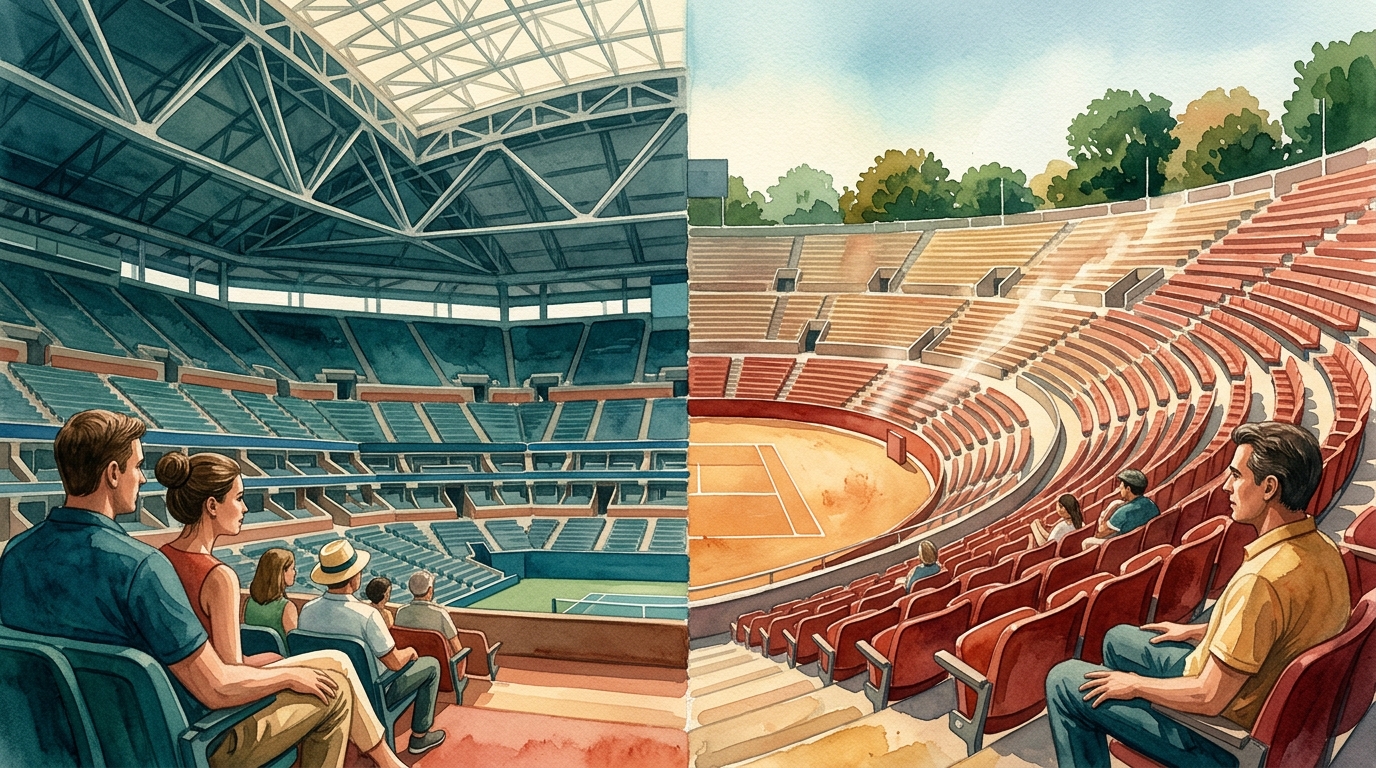
Three stadiums are genuinely climate-controlled: AT&T Stadium in Dallas, NRG Stadium in Houston, and Mercedes-Benz Stadium in Atlanta all combine closable roofs with full air conditioning (weather.com). Everything else ranges from "covered but not cooled" to "open bowl in subtropical sun." If your tickets are in the second group, the rest of this guide matters twice as much.
| Venue (Host City) | Climate Setup | Fan Heat Exposure |
|---|---|---|
| AT&T Stadium (Dallas) | Roof + AC | Low inside; brutal shuttle queues outside |
| NRG Stadium (Houston) | Roof + AC | Low inside; 90s°F (32°C+) + 70s dew points outside |
| Mercedes-Benz Stadium (Atlanta) | Roof + AC | Low inside; humid approach |
| BC Place (Vancouver) | Retractable roof | Low; mildest host city |
| SoFi Stadium (Los Angeles) | Fixed canopy, open sides | Moderate; shaded but not cooled |
| Lumen Field (Seattle) | Partial roof (~70% of seats) | Moderate; mild climate |
| Hard Rock Stadium (Miami) | Open air | Extreme; canopy shade only, no cooling |
| Arrowhead Stadium (Kansas City) | Open air | Extreme in afternoon slots |
| Estadio BBVA (Monterrey) | Canopy roof, no AC | Extreme; one of the hottest host cities |
| MetLife Stadium (NY/NJ) | Open air | High in July; hosts the final |
| Lincoln Financial Field (Philadelphia) | Open air | High in afternoon slots |
| Gillette Stadium (Boston) | Open air | Moderate to high |
| Levi's Stadium (SF Bay Area) | Open air | Moderate; strong direct sun |
| BMO Field (Toronto) | Open air | Moderate |
| Estadio Akron (Guadalajara) | Open air | High; altitude adds stress |
| Estadio Azteca (Mexico City) | Open air | Moderate heat; 2,200m altitude |
The takeaway from that table: Miami is the venue to fear. NPR's analysis singled out Hard Rock Stadium as the riskiest of all 16 venues, the hottest stadium without air conditioning, with every one of its seven matches (including the third-place match) facing dangerous heat potential. The canopy added in 2016 shades most seats, but shade in 90°F (32°C) Florida humidity is a courtesy, not a cure.
Kickoff times compound the venue problem. The tournament's broadcast-friendly schedule puts plenty of matches in the worst part of the day: Argentina vs. Austria in Dallas on June 22 kicks off at 1 p.m. ET, which is noon local in Texas in late June (NBC Sports schedule). Indoors at AT&T that's fine. The same slot at an open-air venue would be a different conversation, and several open-air cities have afternoon kickoffs all tournament long. Check your specific match time, then check which side of the stadium your seats face.
What You Can Bring Through World Cup Security
Every one of the 16 stadiums runs the same clear bag policy: one clear plastic, vinyl, or PVC bag no larger than 12" x 12" x 6" (30 x 30 x 15 cm). A small non-clear clutch is allowed too, but only up to 4.5" x 6.5" (11 x 16.5 cm), roughly passport-sized (FIFA fan safety, Rolling Stone). Backpacks, camera bags, and your everyday tote will all be turned away.
The heat-relevant rules deserve their own paragraph, because they're counterintuitive. Umbrellas are banned in all sizes, even compact ones, on the logic that they block views and can be used as weapons (Yahoo Sports). So your portable shade is gone. What survives the checkpoint: sunscreen, hats, sunglasses, and small flags without poles (FOX 4 Dallas). The full prohibited list lives in FIFA's Stadium Code of Conduct, effective June 2, 2026, and it's worth ten minutes of your flight.
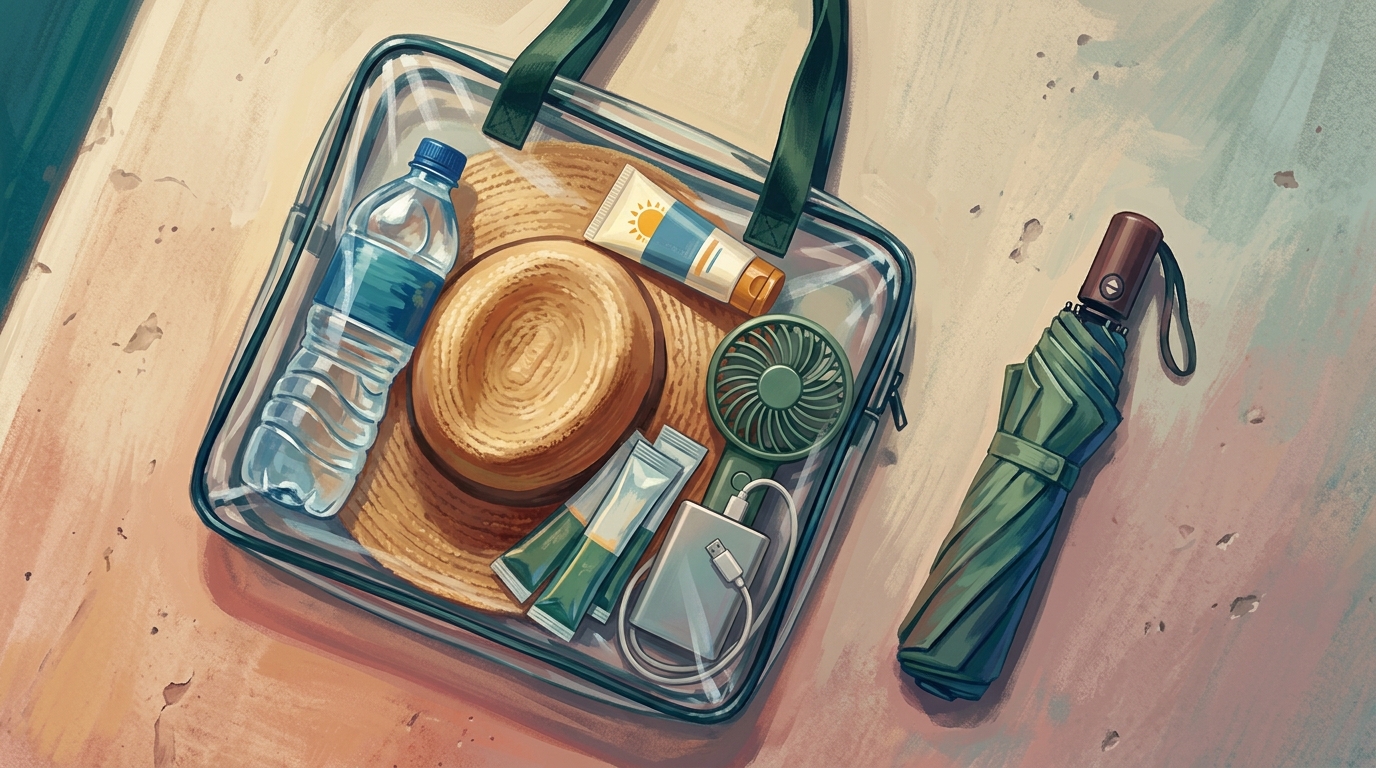
The carry-in kit we'd build for an open-air afternoon match:
- One factory-sealed soft plastic water bottle, 20 oz max
- Clear 12"x12"x6" (30x30x15 cm) bag
- Wide-brim hat (your only legal shade)
- Sunscreen, SPF 50, reapply at halftime
- Electrolyte powder sachets to mix into bought water
- Small portable fan, battery type (check venue list first)
- Power bank, since heat drains phone batteries fast
- Cash and card for refills once your bottle runs dry
That power bank line isn't filler. Phones throttle and batteries drain noticeably faster in direct heat, and you'll need yours for digital tickets, transit passes, and finding your group afterward. Our guide to flight-approved power banks covers which ones get through airport security without drama, which matters since you're carrying it through two security regimes in one trip.
One 590ml bottle won't carry you through a four-hour stadium visit in Texas or Florida; that's well short of what heat-safety guidance suggests for hours of sun exposure, per the New Jersey Department of Health's World Cup sun safety hub. Plan to buy refills inside and treat your carried bottle as the queue ration, not the match ration. Concession prices will sting, which is one more reason to read our World Cup 2026 budget travel guide before you go; the stadium markup is only one of a dozen costs that ambush first-time tournament travelers.
The Real Danger Zone: 2-4 Hours Outdoors Before You Ever See Grass
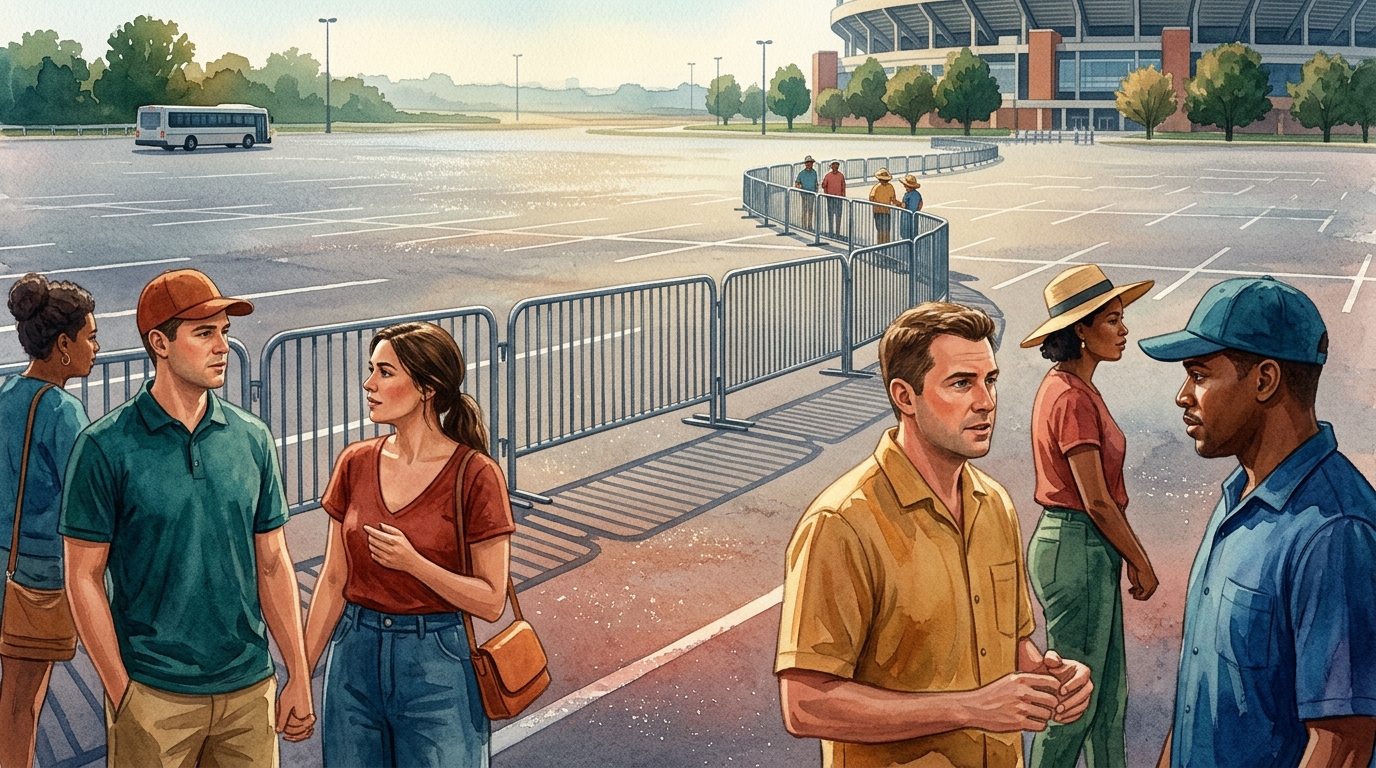
The least-covered fact of this tournament: for most fans, the longest heat exposure happens outside the stadium. Between transit, shuttle queues, security screening, and early-arrival requirements, you should plan for two to four hours outdoors on match day, much of it standing on asphalt - the match itself might be the most comfortable part of it.
Look at the three biggest US venues. AT&T Stadium in Arlington has no direct rail link at all; the plan is the Trinity Railway Express to CentrePort Station every 30 minutes, then a charter bus to a hub, then a walk through a retrofitted parking lot, with about 12,000 fans per match expected through that funnel (NBC DFW, KERA). In Los Angeles, Inglewood permits no event parking in any residential neighborhood on match days (SoFi Stadium), so SoFi access runs through more than a dozen regional shuttle pickup points, including a Metro shuttle from the LAX transit center running roughly every 10 minutes (LAist, LA Metro). Post-match, everyone hits those queues at once.
New Jersey deserves special mention. MetLife Stadium hosts the final, and rail access runs through a transfer at Secaucus Junction or Hoboken onto stadium trains. NJ Transit's special World Cup round-trip ticket now costs $98, cut twice from the original $150 after public outcry (NJ Transit, NBC New York). Like the bottle rule, the price moved twice in weeks. Verify the current fare in the NJ Transit app before you buy anything from a reseller.
Here's the match-day sequence we'd run for a worst-case scenario: an early-afternoon kickoff at an open-air, shuttle-dependent venue.
- Night before: pre-position everything. Clear bag packed, bottle sealed, transit tickets bought, phone and power bank charged. Morning decisions in a hotel rush are how umbrellas end up in stadium trash cans.
- Kickoff minus 5 hours: eat a real meal and start hydrating. You can't drink your way out of dehydration that started at breakfast. Salt your food; you'll sweat it out by the anthem.
- Kickoff minus 4 hours: leave for transit. Trains and shuttles run on event schedules with screening choke points. Aim to be at the stadium perimeter 2.5 hours before kickoff.
- Kickoff minus 2.5 hours: security and gates. Queue in whatever shade exists, sunscreen on before you line up. Drink your carried bottle here; refill or buy once inside.
- During the match: copy the players. Use both cooling breaks and halftime to drink, reapply sunscreen, and get out of direct sun if your seats allow it.
- Full time: wait out the crush. Post-match shuttle queues can run an hour or more in residual evening heat. Eating something inside the concourse beats standing in line 20 minutes sooner.
All of that logistics juggling is exactly where a planning app earns its place. Tools like TripProf keep your tickets, hotel confirmations, and trip documents in one offline-capable spot, which matters at the exact moment 60,000 phones hammer the same cell tower and nothing loads. The tickets you've saved, the confirmations you've stored, the documents you'd otherwise dig through email for: one place, no signal required.
If you're following your team across multiple host cities, the heat math compounds. Back-to-back match days in Dallas and Houston mean back-to-back four-hour outdoor blocks with a flight in between, and dehydration carries over from one day to the next far more than people expect. Build in a genuine recovery day between matches where you can, drink more than feels necessary on travel days, and front-load the boring admin before you leave home; our pre-trip countdown checklist exists for exactly this kind of compressed, high-stakes departure week.
Two more references before you fly. Airports in host cities will be slammed all tournament; our airport survival guide for the 2026 TSA crunch covers the security-line math. And Houston's own airport authority publishes a genuinely useful surviving Houston summer page; when an airport feels the need to publish heat survival advice, believe it.
Confusion, chills in the heat, and skin that stops sweating are signs of heat stroke. Call 911 (or get stadium medical staff) immediately; this is not a "walk it off" situation. Medical stations are marked on venue maps; find yours before kickoff, not after your seatmate goes pale. This is general guidance, not medical advice.
Frequently Asked Questions
Can I bring a water bottle into World Cup 2026 stadiums?
Yes, one per fan: a soft, plastic, factory-sealed, disposable bottle up to 20 oz (590ml), in US and Canadian stadiums. FIFA confirmed this on June 5, 2026, after reversing a short-lived total ban. Hard-sided and reusable bottles remain prohibited even when empty.
Which World Cup 2026 stadiums have air conditioning?
Three: AT&T Stadium in Dallas, NRG Stadium in Houston, and Mercedes-Benz Stadium in Atlanta, all with closable roofs and full climate control. BC Place in Vancouver has a retractable roof, and SoFi Stadium has a fixed canopy with open sides. The other venues are open air.
What bags are allowed at World Cup 2026 matches?
One clear plastic, vinyl, or PVC bag up to 12" x 12" x 6" (30 x 30 x 15 cm). A small non-clear clutch up to 4.5" x 6.5" (11 x 16.5 cm) is also permitted. Backpacks and standard purses are banned, and stadiums won't store rejected bags.
Are umbrellas allowed in World Cup stadiums?
No. Umbrellas of all sizes are prohibited at all 16 venues because they can block views and be used as weapons. For sun protection inside the stadium, you're limited to hats, sunglasses, sunscreen, and choosing shaded seating where available.
How early should I arrive for a World Cup 2026 match?
Plan to reach the stadium perimeter about 2.5 hours before kickoff, and leave your hotel roughly 4 hours before. Several venues, including Dallas and SoFi, are shuttle-dependent with screening choke points, and post-match queues can add another hour outdoors.
Is sunscreen allowed in World Cup 2026 stadiums?
Yes. Sunscreen, hats, and sunglasses all pass security and are actively encouraged by venue and health authorities. Apply before you join the entry queue and reapply at halftime; a noon kickoff at an open-air venue means three-plus hours of direct sun exposure.
Does the sealed-bottle rule apply at Mexican venues?
FIFA's June 5 announcement specifically covers matches in the USA and Canada. For Estadio Azteca, Estadio Akron, and Estadio BBVA, check the venue's own published entry policy shortly before match day, since carry-in rules have already shifted twice during this tournament cycle.
Key Takeaways
- The bottle rule as of June 10, 2026: one soft, sealed, disposable 20 oz plastic bottle per fan in US and Canadian stadiums. Reusable bottles stay banned.
- Rules moved twice in one week; re-verify bottle, bag, and transit policies 48 hours before your match.
- Only Dallas, Houston, and Atlanta are air-conditioned. Miami's Hard Rock Stadium is the highest-risk venue, with every match flagged for dangerous heat.
- Your real heat exposure is the 2-4 hours of transit, queues, and security outside the stadium. Build the timeline backward from kickoff.
- Clear bag (12"x12"x6"), hat, sunscreen, electrolytes, power bank. No umbrellas, no backpacks, no exceptions.
- Mexico City is an altitude problem, not a heat problem: arrive early, hydrate more, take the stairs slowly.
- Keep tickets and documents in one offline-ready app like TripProf so a dead network at the stadium can't strand you.
The tournament will be loud, long, and hotter than any World Cup before it. Go in with a sealed bottle, a clear bag, and a timeline, and you'll spend your energy on the football instead of the logistics.
Sources
- Sky Sports: Tournament dates, venues, host cities, and format
- ESPN: FIFA reverses World Cup water bottle ban after backlash (June 5, 2026 policy)
- ESPN: Keir Starmer says reusable bottle ban is "about making money"
- Al Jazeera: FIFA U-turns on water bottle policy after political backlash
- Al Jazeera: FIFA warned gruelling heat could impact a quarter of World Cup games
- Global News: Reversal details and remaining restrictions
- NPR: Analysis of heat risk across all 104 matches
- WLRN: All Miami matches face dangerous heat risk
- World Weather Attribution: WBGT projections and climate attribution study
- Scientific American: Heat risk to players and fans
- The Conversation: Cooling break effectiveness and stadium heat research
- World Soccer Talk: Cooling break protocol details
- weather.com: Venue climate setups and opening-week forecast
- FIFA: Official fan safety and stadium policies page
- FIFA Stadium Code of Conduct: Official prohibited items list (effective June 2, 2026)
- Rolling Stone: Clear bag policy FAQ
- Yahoo Sports: Banned items including umbrellas
- FOX 4 Dallas: Permitted items including sunscreen and hats
- NBC Sports: Full match schedule and kickoff times
- NJ Transit: $98 World Cup round-trip ticket announcement
- NBC New York: Fare reduction history from $150
- NBC DFW: Dallas-Fort Worth transit plan for Arlington matches
- KERA: CentrePort station and shuttle operations
- LAist: SoFi Stadium access and Metro shuttle plan
- LA Metro: Official World Cup shuttle service
- SoFi Stadium: Official World Cup parking and transportation policy
- FIFA: Estadio Azteca altitude and opening match
- New Jersey Department of Health: World Cup sun safety guidance
- Houston Airports: Surviving Houston summer heat guidance
- NWS HeatRisk: Daily heat risk forecast tool
- PubMed Central: Peer-reviewed WBGT kickoff-scheduling study for World Cup 2026
Last updated: July 3, 2026
Keep Reading
More travel tips and guides picked for you
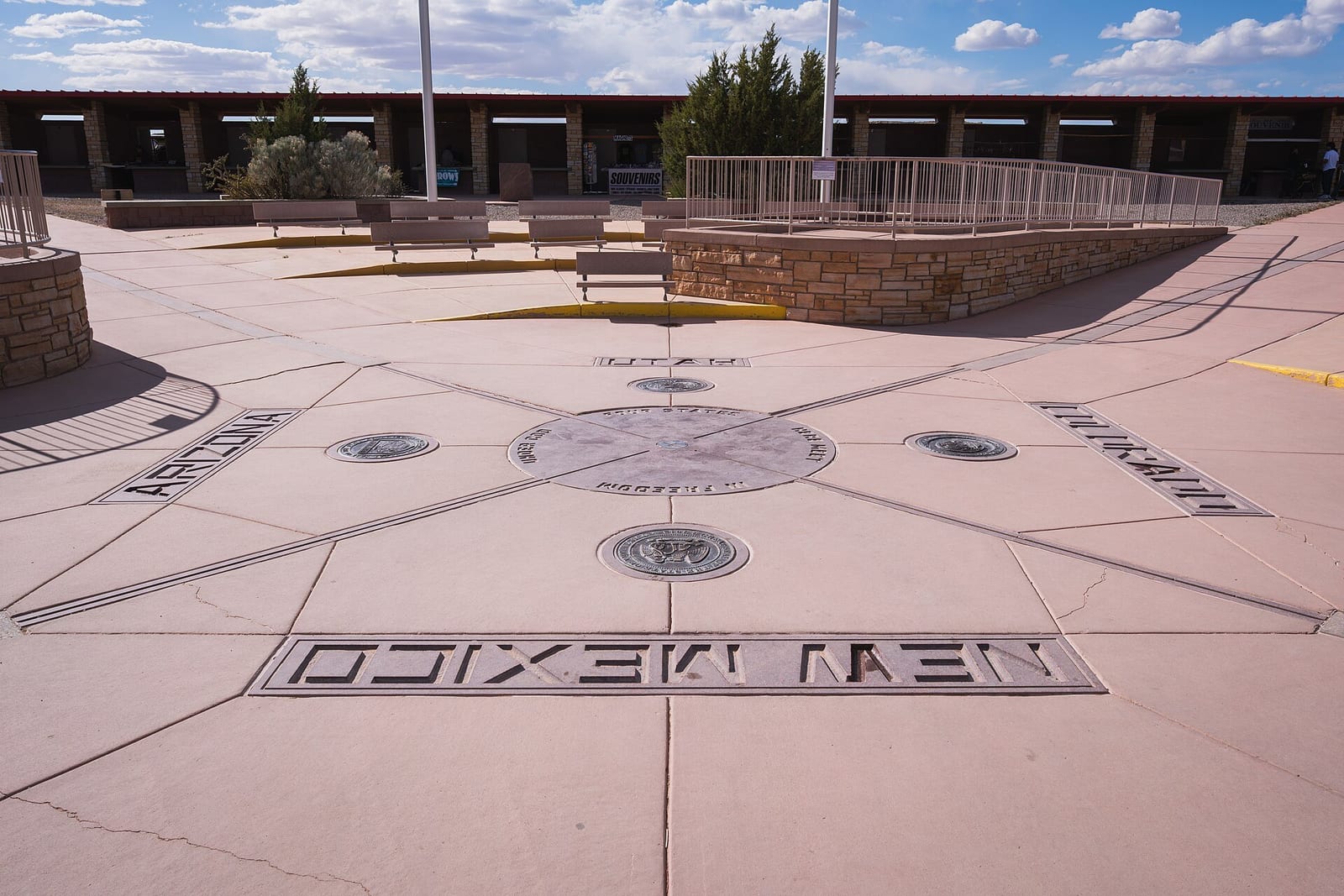
What counts as visiting a state? Layovers, drive-throughs and the rules 50-staters use
Only 2% of Americans name a plane change as the minimum that counts as visiting a state, while 27% set the bar at driving through. Here's a three-tier rubric, a lookup table for the edge cases from Four Corners to D.C., and one trip counted three ways.

The fake SBB ticket website stealing credit card and Twint data from travelers
Zurich cantonal police confirmed a fake SBB ticket website is stealing credit card and Twint payment details from travelers who find it through an ordinary Google search. Here is how to spot it and what to do if you already paid.

UK ETA scam warning: fake websites are charging Austrians up to €900
Fake UK ETA websites are charging Austrian and EU travellers hundreds of euros for a form that costs £20. Here's how the real one works, and how to spot a scam before you pay it.