How to Keep Your Summer 2026 Trip Affordable Despite the Fuel Crisis

Key Highlights
- 1
- 2
- 3
+5 more in the takeaways below
Jet fuel prices have nearly doubled since late February 2026. Airlines are cutting routes, adding surcharges, and canceling thousands of flights. If you're planning a summer trip, the sticker shock is real.
But here's what most coverage misses: airfare is only one line item in your travel budget, and the fuel crisis is creating opportunities in categories nobody's talking about. Transatlantic demand is down. New budget train routes are launching across Europe. And the travelers who rethink their approach across every expense category will spend less this summer than last year's procrastinators did in peacetime.
This is the category-by-category playbook for keeping your summer 2026 trip affordable, from flights and ground transport to accommodation, food, and timing.
Jet fuel prices doubled due to the Iran war, pushing airfares up 7-10% and triggering mass flight cancellations. But transatlantic bookings are down 7-14%, creating pricing power for flexible travelers. Book flights now (15-30 days out for domestic, 31-45 for international), fly on Fridays (up to 8% cheaper) or in August (20-35% cheaper than June). Swap flights for Europe's new budget sleeper trains. Cook in apartments instead of eating out. And consider the places travelers are avoiding this summer, where deals are deepest.
What the Fuel Crisis Actually Means for Your Wallet
The Iran war and the closure of the Strait of Hormuz have created the largest oil supply disruption in years, sending jet fuel from roughly $85-90 per barrel to $150-200 per barrel in under a month. Fuel accounts for about 25% of an airline's operating costs, and those costs are landing directly on your ticket price.
The fallout is already visible. United Airlines is cutting 5% of Q2-Q3 capacity after CEO Scott Kirby warned of an $11 billion fuel cost increase. SAS canceled 1,000+ flights in April. Air New Zealand trimmed 1,100 flights through May. Cathay Pacific doubled its fuel surcharges.
IATA director general Willie Walsh expects global ticket prices to jump up to 9%. Unhedged US carriers (American, United, Southwest) face the steepest hikes at 6-10%, while well-hedged European airlines (Ryanair, easyJet) pass on 2-4%.
But fewer flights and higher prices aren't hitting every route equally. That unevenness is where your savings hide.
Flights: Book Smart, Fly Smarter
Book now. That's the consensus across every fare analyst and airline watcher. The Expedia 2026 Air Hacks Report puts the optimal domestic booking window at 15-30 days before departure, saving $130 on average. For international, it's 31-45 days out, saving $190. Beyond when you book, here's where the real money is.
Pick the right day
Forget the old "book on Tuesdays" advice. Expedia's data shows Friday is now the cheapest day to fly internationally, with fares up to 8% cheaper than Sunday departures. For domestic flights, Tuesday departures average 14% less than Sundays.
Pick the right month
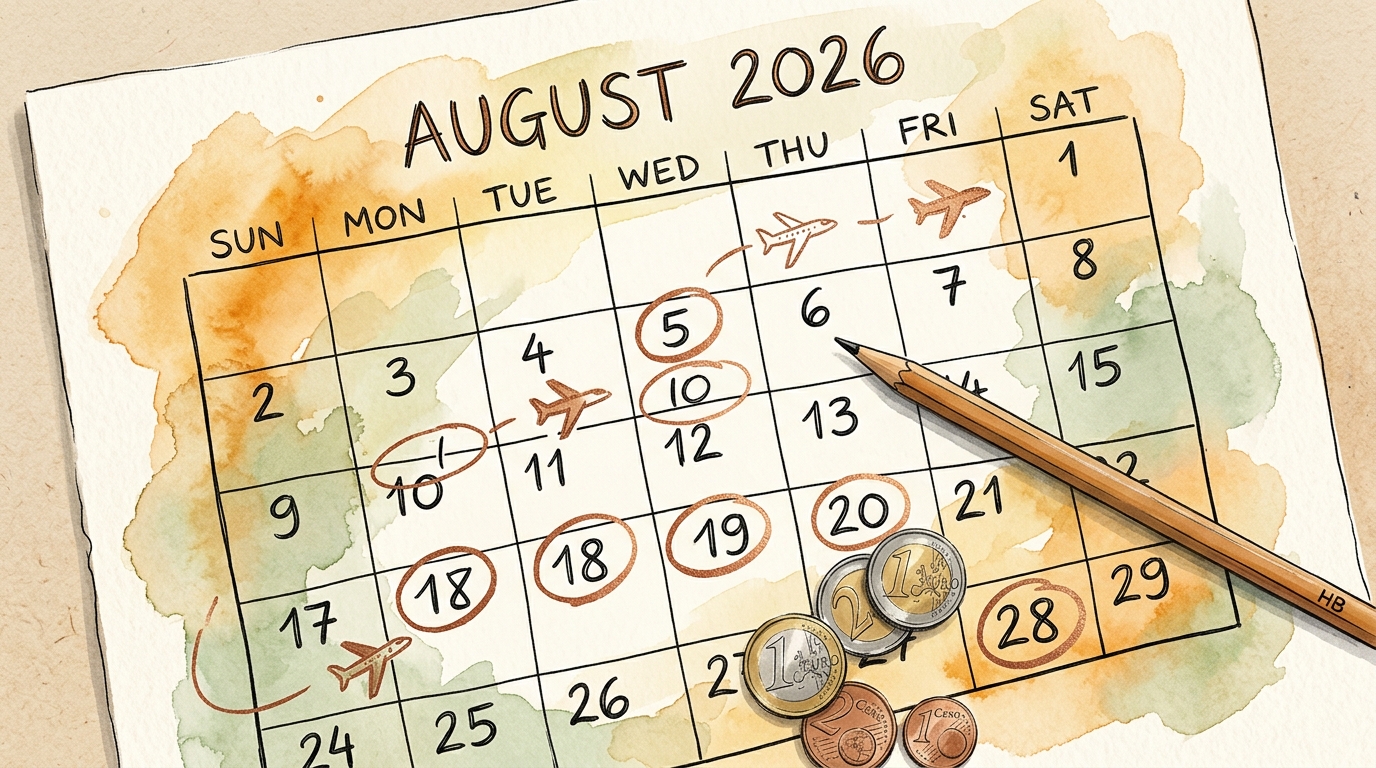
August fares are 20-35% cheaper than June or July. Why? Schools in the American South start as early as late July, pulling families off the market. Going (formerly Scott's Cheap Flights) reports that August international flights average $1,224 versus $1,404+ in June.
Use the demand drop
Transatlantic bookings are way down. Cirium data cited by Skift shows Europe-to-US bookings fell 14.2% year over year, and US-to-Europe dropped 7.2%. Yet airlines are flying more seats across the Atlantic than ever. That mismatch means competitive fares if you're flexible. Frankfurt (down 29%), Athens, Dublin, and Milan are seeing the steepest booking declines, which means those routes are primed for deals.
Set up price alerts on Google Flights and Going for your target routes. With transatlantic demand softening, mistake fares and flash sales are more likely than in recent summers. When an alert fires, book immediately.

Ground Transport: Europe's Train Renaissance Couldn't Be Better Timed
2026 is the best year in decades to swap short-haul European flights for trains. New budget routes are launching right into the fuel crisis, and they don't just save on airfare. They replace a hotel night.
| Route | Operator | Launch Date | Starting Price | Notes |
|---|---|---|---|---|
| Paris → Berlin (sleeper) | European Sleeper | March 26, 2026 | €59 seat / €79 couchette | Tue, Thu, Sun from Paris; replaces discontinued SNCF/ÖBB service |
| Amsterdam → Berlin | GoVolta | Daily from July 1, 2026 | €19 | Budget startup; also runs Amsterdam → Hamburg |
| Brussels/Amsterdam → Milan (sleeper) | European Sleeper | September 2026 | TBA (~€69+) | Delayed from June; via Switzerland |
| Prague → Copenhagen | RegioJet / Various | May 1, 2026 | ~€29 | New direct connection |
A Paris-Berlin couchette at €79 replaces a €150+ flight and a hotel night. Board in the evening, sleep on the train, wake up in another country. Seat61.com has step-by-step booking guides for every route. For shorter hops, Wanderu compares bus and train prices, and FlixBus runs routes across Europe for €5-15 on off-peak days.
We took the Amsterdam-Hamburg route last October. Boarded at 8pm, read for an hour, woke up in a different country. The overnight math alone makes this worth considering.
The road trip calculation
US gas prices have climbed to a national average near $4/gallon (AAA), the highest since 2022. But driving still beats flying on shorter routes, especially for groups. A 500-mile road trip at 30 mpg costs ~$67 in gas, or $22/person split three ways. The same route by air? $150-250 per person after surcharges. NerdWallet reports 35% of summer 2026 travelers plan to drive instead of fly to save money.

Accommodation: Where the Fuel Crisis Creates a Quiet Advantage
Hotel costs were already climbing before the crisis. The Washington Post reported in February that mid-range rooms once priced at $300 now regularly hit $430+. The oil shock adds another layer: Skift reports that chains like Radisson are racing to cut fossil fuel dependence specifically to buffer against energy price spikes. But when airfare climbs, travel patterns shift. Fewer international visitors means lower occupancy in cities seeing the steepest booking drops. Hotels in Frankfurt, Athens, Dublin, and Milan will compete harder for the guests who do show up. Watch for last-minute deals and flexible cancellation rates in those markets.
The apartment advantage
Renting an apartment with a kitchen is the single biggest non-flight lever you can pull. Cooking half your meals saves $40-60 per person per day in Western European cities, since eating out three meals runs $60-80/day in places like Paris or Amsterdam, while grocery runs and simple cooking cut that to $20-30. Over a week, that's $280-420 saved per person. Booking.com and Vrbo both let you filter for kitchen access. For solo travelers, Hostelz.com's price index shows European dorm beds averaging €10-30/night depending on the city, with most including communal kitchens.
The slow travel multiplier
Staying longer in one place always costs less per night. Weekly Airbnb rates discount 10-20%, monthly stays 30-50%. This is the "slowmad" approach: fewer cities, longer stays, smaller bills. It also kills intercity transport costs and the spending surge that comes with every "first day in a new city."
Summer 2026 Daily Budget: Food and Expenses Where Small Choices Compound
Flights and accommodation grab headlines, but daily spending is where budgets quietly die.
Cook breakfast, eat out once. Use the kitchen for breakfast and most dinners. Eat your one restaurant meal at lunch. In most mid-range European cities, lunch set menus typically run €10-18 for two or three courses. That's half the dinner price for the same food. Grocery shop like a local. A baguette, cheese, fruit, and a bottle of wine for a park picnic typically costs €8-12 in cities like Lisbon, Lyon, or Prague. The same spread at a restaurant? €40+.
Picture yourself on a Tuesday afternoon in Porto: you've made coffee and eggs at the apartment, grabbed a three-course lunch deal for €12, and now you're assembling a cheese board from the corner market for dinner on the balcony.
Track every expense. Setting a daily budget and logging every purchase keeps spending visible. When the numbers are in front of you, you naturally spend less. Tools like TripProf's expense tracker, Splitwise, and Trail Wallet all help. The point isn't to obsess over every euro. It's to spot the pattern before it becomes a problem.
Don't skip travel insurance to save money this summer. With airlines canceling thousands of flights and rerouting others, disruption risk is the highest it's been in years. A decent policy costs $50-100 for a week-long trip and covers cancellations, delays, and medical emergencies. If you've read our flight cancellation refund guide, you know how messy rebooking gets without coverage.
Timing and Destination Strategy: Go Where the Deals Are
The fuel crisis isn't hitting every destination equally. Some places are more expensive. Others are getting cheaper because travelers are avoiding them for reasons that won't affect your trip.
The cities travelers are avoiding this summer are exactly where the deals are deepest.
Where demand is dropping (and prices follow)
Cirium data points to the cities with the best summer 2026 deals. Frankfurt bookings from the US are down 29%. Barcelona, Amsterdam, and Munich: all down 13-23%. These cities will have better flight deals, lower hotel occupancy, and more room for negotiation. We mapped out the full picture in our piece on where the war is making travel cheaper.
Timing moves the needle more than you think
Shifting your trip by even a few weeks makes a measurable difference.
- August over June/July: Flights average 20-35% cheaper, and popular destinations are less crowded after European school holidays end in most countries
- Midweek departures: Flying Tuesday or Friday saves 8-14% over weekend departures (Expedia)
- Shoulder weeks: The first two weeks of June and last two weeks of August sit in a sweet spot where weather is still summer-grade but prices haven't peaked
The places with the biggest tourist drop will also have the shortest queues. If you want Europe without crowds, this summer's dynamics are working in your favor.
The Budget Travel Toolkit for Summer 2026
The right tools won't save your budget alone, but they'll stop you from overpaying out of inertia.
| Tool | What It Does | Why It Matters in 2026 | Cost |
|---|---|---|---|
| Google Flights | Price tracking, flexible date search, destination map | Best for spotting the cheapest day/month to fly on your route | Free |
| Going | Mistake fares and deal alerts | Transatlantic demand drop = more deals hitting their radar | Free / $49 yr |
| Hopper | Fare prediction (buy/wait recommendations) | Useful when you're unsure whether to book now or hold | Free |
| Skyscanner | Flexible "everywhere" search, multi-city | Best for destination-flexible travelers chasing lowest fares | Free |
| Seat61 | Train booking guides for Europe and beyond | Essential for navigating the new sleeper routes | Free |
| Wanderu | Bus and train comparison | Find the cheapest ground transport on European routes | Free |
For a deeper comparison, including trip planning tools that handle expenses, checklists, and group coordination, see our roundup of the best group travel planning apps.
What Not to Do: Three Expensive Mistakes in a Fuel Crisis
These three mistakes cost travelers hundreds every summer. The fuel crisis amplifies each one.
1. Waiting to book flights. In 2026, with reduced capacity and climbing costs, waiting is a losing bet. The Points Guy and multiple airline analysts say: lock in summer fares now.
2. Ignoring fuel surcharges on car rentals. Car rental companies pass fuel costs through too. One Reddit user found that splitting a rental into two reservations saved $390 on the same car. Compare across platforms and watch for hidden surcharges.
3. Skipping refundable fares when the math works. NerdWallet's survey found 67% of Americans say paying extra for refundable flights is worth it. With airlines canceling routes weekly, the premium is a hedge, not a luxury. If the upcharge is under 15%, take it.
Frequently Asked Questions
How much more expensive will summer 2026 flights be compared to last year?
Expect airfares to be 7-10% higher year over year on average, according to The Points Guy. Unhedged US carriers are seeing the steepest hikes (6-10%), while hedged European airlines are passing on smaller increases of 2-4%. Specific routes vary widely depending on demand.
Should I book my summer flight now or wait for prices to drop?
Book now. With airlines cutting capacity and fuel costs still climbing, the consensus among fare analysts is that summer 2026 prices will only go up from here. The optimal domestic booking window is 15-30 days before departure; for international, 31-45 days.
Is it cheaper to take trains instead of flying in Europe this summer?
Often, yes. A Paris-Berlin sleeper couchette on European Sleeper starts at €79 and doubles as accommodation for the night. GoVolta's Amsterdam-Berlin starts at €19. For routes under 800km, trains frequently beat post-surcharge airfares while saving you a hotel night.
What are the cheapest days to fly in summer 2026?
Friday is now the cheapest day for international departures (8% savings vs. Sunday), and Tuesday is cheapest for domestic flights (14% savings), according to Expedia's 2026 Air Hacks Report. Avoid Saturday and Sunday departures, which consistently carry the highest fares.
How is the Iran war affecting travel costs beyond flights?
The ripple effects reach hotels. CNBC reports the war threatens the $11.7 trillion global travel industry, with rising energy and operating costs pressuring room rates. Car rentals and even food costs are climbing due to higher transport and energy prices. US gas prices hit a national average near $4/gallon, the highest since 2022.
What budget travel apps actually work in 2026?
Google Flights for price tracking, Going for mistake fares, Hopper for buy/wait predictions, and Skyscanner's "everywhere" search for destination flexibility. For European trains, Seat61 is indispensable. For group expense tracking, Splitwise and similar cost-splitting tools keep things fair on the road.
Key Takeaways
- Book flights now. Prices are climbing weekly. The optimal booking window is 15-30 days out for domestic, 31-45 for international.
- Fly on Fridays or Tuesdays. You'll save 8-14% compared to weekend departures, per Expedia's 2026 data.
- Shift to August if possible. Fares are 20-35% cheaper than June or July, and popular destinations are less crowded.
- Take the train in Europe. New sleeper and budget routes (European Sleeper, GoVolta) replace both your flight and your hotel for the night.
- Rent apartments with kitchens. Cooking half your meals saves $40-60 per person per day in Western Europe.
- Chase the demand drop. Cities where bookings are falling (Frankfurt, Athens, Barcelona, Amsterdam) will have the best deals on flights and hotels.
- Use a budget tracker on the road. Dedicated trip expense trackers help you catch overspending in real time, not after the credit card statement arrives.
- Don't skip travel insurance. With mass cancellations and rerouted flights, disruption coverage is worth the $50-100 premium this summer.
The sticker shock is real. But the travelers who work every budget category - not just airfare - will find that a well-planned summer 2026 trip doesn't have to cost more than last year's. Lock in the big items now. Stay flexible on the rest. And start packing.
Sources
- Euronews — Airlines increase airfares and cut flights amid Iran war fuel spikes (March 2026)
- CNBC — Airfare prices rising after jet fuel spike (March 2026)
- The Points Guy — Airfare spike: why you should book summer flights now (March 2026)
- NerdWallet — 2026 Summer Travel Report
- NPR — How the Iran war is disrupting air travel (March 2026)
- Expedia — 2026 Air Hacks: Friday takes off as cheapest day (February 2026)
- Skift — Europe-US flight bookings drop ahead of World Cup (February 2026)
- Thrifty Traveler — Weak transatlantic demand is great news for flight prices (2026)
- Travel Weekly — United Airlines cuts capacity, CEO warns of $11B fuel hit (March 2026)
- Parade — SAS cancels 1,000 flights amid rising fuel prices (March 2026)
- 1News NZ — Air NZ to cancel 1,100 flights amid fuel crisis (March 2026)
- Fortune — Jet fuel prices and airline fare increases (March 2026)
- Aviation Week — IATA's Walsh says airfare price increase inevitable (March 2026)
- AAA Newsroom — National gas average jumps nearly 27 cents (March 2026)
- Going — Summer Travel Guide 2026: Tips to Fly Cheap
- European Sleeper — Paris-Berlin night train (2026)
- Euronews — GoVolta launches budget Amsterdam-Berlin trains (March 2026)
- Washington Post — Why are hotels so expensive now (February 2026)
- Skift — Radisson's net zero hotels vs rising energy costs (March 2026)
- CNBC — Iran war threatens $11.7T travel industry (March 2026)
- Hostelz.com — European hostel price comparison (2026)
Last updated: September 19, 2026
Keep Reading
More travel tips and guides picked for you
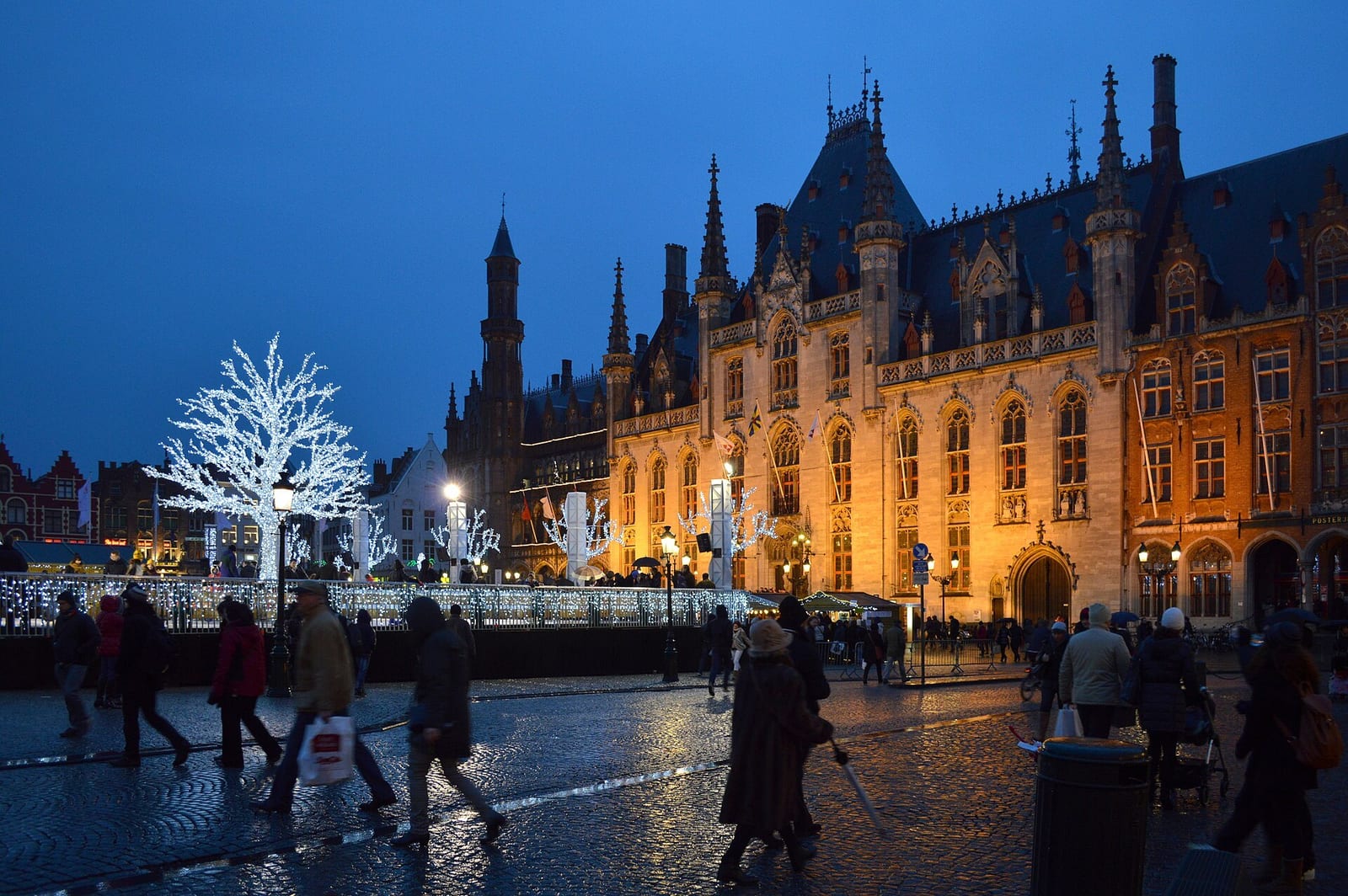
Christmas markets from London by train: what 3 nights really costs per person in 2026
Three nights at a Christmas market from London cost £426 to £704 per person. We priced Eurostar fares, central hotels and food for Lille, Brussels, Bruges and Cologne.

Wizz Air and Ryanair are cutting Vienna flights: what to book instead
Wizz Air has fully left Vienna and Ryanair has cut five aircraft over Austria's aviation tax. Here's exactly what changed, why it happened, and how to still book a cheap flight this winter.

Mallorca's tourist tax hike got cancelled. Here's what a 2026 trip really costs
The Balearic tourist tax hike everyone's still warning about got cancelled in February. Here's what a week on Mallorca actually costs in 2026, flights, hotel, tax, and food, with real numbers.