Шенгенская виза для путешественников из Индии в 2027 году: нужна ли она до сих пор?
Главное
- 1
- 2
- 3
+3 ещё в конце статьи
До свадьбы вашего двоюродного брата во Флоренции остается три недели, как вдруг семейный чат в WhatsApp оживает: «Индийцам больше не нужны шенгенские визы, оформляйте ETIAS». Ваша тетя уже отменила свою запись в VFS. Вы смотрите на собственное недооформленное заявление и гадаете, зря ли потратили утро субботы или именно она рискует опоздать на самолет.
ETIAS не заменяет шенгенскую визу для владельцев индийских паспортов и никогда не заменит: ETIAS распространяется только на те национальности, которые и так въезжают в Европу без визы, и Индия в их число не входит. Вам по-прежнему нужна полноценная шенгенская виза, за оформлением которой следует обращаться в VFS Global точно так же, как и раньше. То, что действительно изменилось, это европейская Система въезда/выезда (EES), которая действует на каждой шенгенской границе с 10 апреля 2026 года и вводит обязательную сдачу отпечатков пальцев и регистрацию фотографии лица для всех прибывающих не из стран ЕС, независимо от наличия визы. По состоянию на сентябрь 2026 года у самого ETIAS нет подтвержденной даты запуска, кроме формулировки «когда-то в 2027 году».
Относится к вам, если у вас индийский паспорт и вы планируете поездку в Шенгенскую зону
Это руководство предназначено для граждан Индии, путешествующих в Шенгенскую зону с туристическими, деловыми целями или с целью визита к родственникам в рамках краткосрочного пребывания. Оно не охватывает лиц, у которых уже есть долгосрочная национальная виза или вид на жительство в ЕС, а также лиц с двойным гражданством, путешествующих по паспорту гражданина ЕС или паспорту страны, освобожденной от визовых требований для ETIAS.
- У вас индийский паспорт, и вы планируете посетить любую из стран Шенгенского соглашения с целью туризма, семейного торжества или деловой поездки.
- Срок вашего пребывания составляет 90 дней или менее в течение любого 180-дневного периода, что соответствует стандартному лимиту краткосрочного пребывания в Шенгене.
- У вас еще нет долгосрочной визы или вида на жительство в ЕС. Такие путешественники подпадают под другое исключение для EES, о котором рассказано ниже.
- Вы не имеете двойного гражданства и не путешествуете по второму паспорту гражданина страны ЕС или одной из примерно 60 национальностей, которые уже въезжают в Шенгенскую зону без визы.
Что изменилось, а что нет: EES уже работает, а ETIAS еще нет
Две разные системы ЕС постоянно путают между собой, хотя они выполняют две совершенно не связанные друг с другом задачи. Система въезда/выезда (EES) представляет собой модернизацию пограничного контроля, которая теперь полностью функционирует во всех странах Шенгена по состоянию на 10 апреля 2026 года после поэтапного внедрения, которое началось 12 октября 2025 года. Европейская система информации и авторизации путешествий (ETIAS) - это этап предварительной проверки перед поездкой, который все еще не запущен и изначально создавался совсем для другой группы путешественников.
EES заменяет старый чернильный штамп в паспорте на цифровую запись. При вашем первом пересечении границы киоск или сотрудник пограничной службы делает снимок вашего лица и, для путешественников в возрасте от 12 лет и старше, отпечатки пальцев, а также фиксирует время вашего прибытия и предполагаемого отъезда. Это правило распространяется на каждого путешественника не из ЕС, въезжающего на условиях краткосрочного пребывания, регистрируя «граждан стран, не входящих в ЕС, путешествующих с целью краткосрочного пребывания» по всем 29 странам-участницам, независимо от того, требовалась ли вам виза ранее. Наш общий материал о Системе въезда/выезда более подробно раскрывает все технические нюансы, если вам нужна полная картина за пределами ситуации с индийскими путешественниками.
ETIAS устроена иначе. Это «новое требование к путешественникам, въезжающим без визы» в Шенгенскую зону на срок до 90 дней, и она создана для примерно 60 национальностей, которым вообще не нужна виза, включая США, Великобританию, Канаду, Австралию и Японию (в отличие от владельцев паспортов США, которым со временем потребуется ETIAS для сохранения безвизового въезда). Поскольку Индия требует визу, Европейская комиссия заявляет об этом прямо: если вы являетесь гражданином Индии и путешествуете в Шенгенскую зону с целью краткосрочного пребывания, «вам потребуется виза, и поэтому разрешение ETIAS вам не понадобится». Это правило остается неизменным независимо от того, когда именно запустится ETIAS.
Нужен ли вам ETIAS? Нет, ни сейчас, ни после его запуска. Он существует только для национальностей с безвизовым въездом, и Индия к ним не относится. Нужна ли вам по-прежнему шенгенская виза? Да, точно так же, как и раньше, через VFS Global. Распространяется ли на вас EES на границе? Это зависит от имеющейся у вас визы: да, если это стандартная краткосрочная виза, как почти у каждого читателя здесь; нет, если у вас долгосрочная национальная виза или вид на жительство в ЕС, которые освобождены от EES (см. исключения ниже).
При этом дата запуска ETIAS продолжает сдвигаться, из-за чего путаница с визами никак не исчезнет сама по себе. В пресс-релизе Комиссии от июля 2025 года сначала устанавливался сбор за ETIAS и назывался ориентир «последний квартал 2026 года», однако с тех пор ЕС удалил эту дату со своих официальных ресурсов: на актуальной странице ETIAS, проверенной в сентябре 2026 года, теперь указано лишь то, что ЕС «сообщит о конкретной дате запуска ETIAS за несколько месяцев до начала его работы». Издание Financial Times сообщило, а туристические ресурсы, включая AFAR, подтвердили, что агентство eu-LISA (разрабатывающее эту систему) в частном порядке считает целевой показатель конца 2026 года невыполнимым. Ни одна структура Еврокомиссии или eu-LISA пока не опубликовала новую дату; согласно рабочим прогнозам в прессе, запуск ожидается когда-то в 2027 году в ожидании пересмотренного графика после заседания правления eu-LISA в сентябре 2026 года.
Что вам нужно сделать
Процесс состоит из двух отдельных этапов, и если вы раньше бывали в Европе, новой для вас будет только вторая часть. Ничего общего с оформлением самой визы не изменилось.
- Подайте заявление на шенгенскую визу через VFS Global. Запишитесь на прием в визовый центр той страны Шенгена, где вы проведете больше всего времени, или той, через которую начнете въезд, если продолжительность поездки по странам распределена равномерно.
- Посетите назначенную встречу и предоставьте документы. Здесь вы оплатите визовый сбор и сдадите отпечатки пальцев для вашего визового дела, что представляет собой отдельную систему, отличную от EES, и не заменяет биометрию, которую позже придется пройти в аэропорту.
- Дождитесь решения, а затем отправляйтесь в поездку с визой в паспорте в обычном режиме. Посадка на рейс проходит по стандартным правилам.
- На первой шенгенской границе пройдите регистрацию в EES. Киоск или сотрудник зафиксирует фотографию вашего лица и отпечатки пальцев (если вам не меньше 12 лет) и привяжет их к паспорту и визе. Закладывайте несколько дополнительных минут у выхода на посадку в первый раз.
Берите с собой на встречу больше документов, чем необходимый минимум. Консульства и сотрудники VFS отклоняют заявления из-за нехватки каких-либо бумаг чаще, чем по любой другой причине.
- Паспорт, действительный как минимум еще 3 месяца после планируемого выезда из Шенгенской зоны, с хотя бы одной чистой страницей (уточняйте точное количество чистых страниц в вашем консульстве, так как требования различаются в зависимости от страны)
- Заполненная и подписанная анкета на шенгенскую визу
- Свежая фотография паспортного формата, соответствующая требованиям Шенгена
- Бронь авиабилетов в оба конца
- Подтверждение проживания на каждую ночь поездки
- Медицинская страховка путешественника с покрытием не менее 30 000 EUR
- Выписки с банковских счетов, подтверждающие наличие достаточных средств на поездку
- Визовый сбор в валюте и способом оплаты, принимаемым вашим центром VFS
Минимальная сумма страхового покрытия в 30 000 EUR придумана не в VFS. Она закреплена в самом законодательстве ЕС, которое определяет ее в качестве базового требования для «адекватной и действующей медицинской страховки для поездок», покрывающей репатриацию, экстренную помощь и госпитализацию в любой точке Шенгенской зоны. Держите все документы вместе, прежде чем оказаться у стойки регистрации, где у вас их попросят. Это может быть папка в телефоне, общий семейный диск или приложение для планирования поездок вроде TripProf, которое хранит одобренные визы, страховые сертификаты и бронирования по категориям, обеспечивая к ним офлайн-доступ. Наш полный контрольный список документов перед поездкой охватывает всё остальное, что нужно взять с собой помимо визового досье.
Стоимость и сроки
Здесь задействованы три отдельные статьи расходов, и только одна из них является новой. Сама система EES работает абсолютно бесплатно.
| Статья расходов | Стоимость | Сроки |
|---|---|---|
| Шенгенская виза (взрослый) | 90 EUR | Минимум 15 дней на обработку |
| Шенгенская виза (дети от 6 до 11 лет) | 45 EUR | Тот же срок обработки |
| Шенгенская виза (дети до 6 лет) | Бесплатно | Тот же срок обработки |
| Сервисный сбор VFS Global | Зависит от центра и страны | Оплачивается при подаче заявления |
| Пограничная регистрация EES | Бесплатно | Несколько дополнительных минут при первом въезде |
| ETIAS (не применяется к Индии) | 20 EUR после запуска | Неприменимо для владельцев индийских паспортов |
| Срок действия визы (многократная) | Без дополнительной платы | Устанавливается консульством; благоприятная визовая история может принести визу на 1 год, 2 года или до 5 лет в соответствии со статьей 24 Визового кодекса |
Взрослый сбор в размере 90 EUR действует как стандартный тариф с 11 июня 2024 года (ранее он составлял 80 EUR), и официальные рекомендации VFS Global для заявителей в Индии подтверждают эти же цифры, к которым добавляется срок рассмотрения от 15 дней (Визовый кодекс ЕС устанавливает стандартный срок принятия решений в 15 календарных дней с возможностью продления до 45 дней) поверх сервисного сбора VFS. Сбор за ETIAS в размере 20 EUR, когда он появится, здесь не имеет значения: он будет распространяться исключительно на граждан стран с безвизовым въездом, и Индия к ним не принадлежит.

Исключения, в которых все путаются
Три нюанса ставят в тупик практически каждого, кто изучает этот вопрос, а ошибки в них либо приводят к пустой поездке в VFS, либо вызывают ненужную панику на границе.
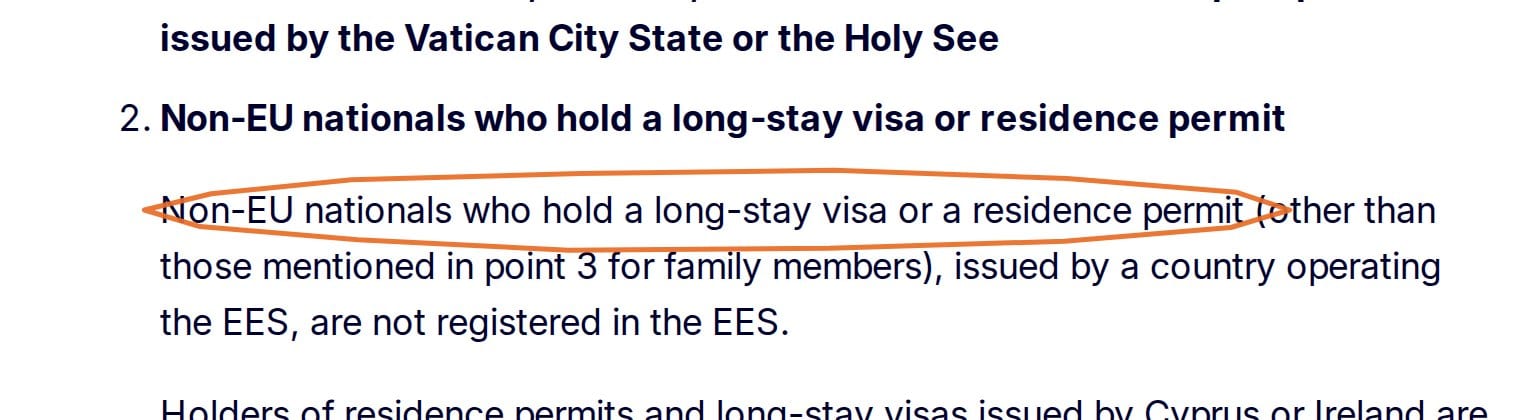
Владельцы долгосрочных виз и видов на жительство освобождены от EES, но вы, скорее всего, к ним не относитесь. Собственная страница исключений Комиссии перечисляет граждан стран, не входящих в ЕС, имеющих долгосрочную визу или вид на жительство, как полностью освобожденных от EES, наряду с членами семей граждан ЕС, имеющими карту резидента. Стандартная краткосрочная шенгенская туристическая или деловая виза под это исключение не подпадает; вы проходите процедуру EES наравне с любыми другими краткосрочными гостями.
Дети до 12 лет не сдают отпечатки пальцев, но проходят всю остальную процедуру. Это общеевропейское правило в соответствии с Регламентом (ЕС) 2017/2226, и официальные разъяснения правительства Франции по поводу EES излагают это предельно ясно: регистрация включает в себя «снимок лица (фотографию) и, за исключением детей младше 12 лет, отпечатки пальцев». Лицо ребенка все равно фотографируют и фиксируют в системе; исключается только этап снятия отпечатков.
Вам не нужно сдавать биометрию заново при каждом пересечении границы. Регламент, лежащий в основе EES, устроен так, что данные добросовестного путешественника хранятся в течение определенного периода специально для того, «чтобы гражданам третьих стран не приходилось проходить повторную регистрацию в EES» во время каждой поездки, сохраняя ваше досье в течение трех лет с момента вашего последнего выезда. Если вы вернетесь в Европу в этот период по новой визе, пограничная служба проверит вашу существующую запись вместо того, чтобы сканировать все заново.
home-affairs.ec.europa.eu · 07.09.2026
Часто задаваемые вопросы
Нужен ли гражданам Индии ETIAS?
Нет. ETIAS распространяется только на те национальности, которые уже путешествуют в Шенгенскую зону без визы. Держателям индийских паспортов виза требуется независимо от ETIAS, поэтому ETIAS никогда не коснется вас, в каком бы году он в итоге ни запустился.
Требуется ли по-прежнему шенгенская виза после внедрения EES?
Да. EES - это система пограничной регистрации, а не замена визы. Граждане Индии по-прежнему оформляют и получают шенгенскую визу точно так же, как и раньше; EES лишь добавляет биометрическую проверку по прибытии.
Что представляет собой EES конкретно для индийских путешественников?
Это та же самая система EES, которая применяется ко всем краткосрочным посетителям не из ЕС: фотография лица и отпечатки пальцев, сдаваемые при первом пересечении границы взамен старого штампа в паспорте, без необходимости отдельного заявления и уплаты каких-либо сборов.
Когда будет запущен ETIAS?
По состоянию на сентябрь 2026 года подтвержденной даты нет. На актуальной странице ETIAS теперь написано лишь то, что ЕС объявит дату за несколько месяцев до запуска после того, как убрал прежнюю формулировку о «последнем квартале 2026 года». Издание Financial Times сообщило, что eu-LISA в частном порядке считает 2026 год нереалистичным сроком, смещая рабочие ориентиры на период около 2027 года, однако ни один орган ЕС пока не опубликовал новую дату взамен старой.
Нужно ли сдавать отпечатки пальцев для EES каждый раз при въезде в Европу?
Нет. После сдачи биометрических данных ваша запись хранится в течение трех лет с момента последнего выезда согласно законам ЕС, поэтому при повторной поездке в этот период данные сверяются с имеющимся досье, а не собираются с нуля.
Сколько стоит шенгенская виза для заявителей из Индии в 2026 году?
90 EUR для взрослых, 45 EUR для детей в возрасте от 6 до 11 лет и бесплатно для детей до 6 лет, плюс собственный сервисный сбор VFS Global, размер которого зависит от конкретного центра и страны Шенгена, куда вы подаете заявление.
Распространяется ли EES на детей?
Да, но с одним исключением: у детей до 12 лет фотографируют лицо наряду со всеми остальными, однако сдавать отпечатки пальцев им не требуется.
Главные выводы
- ETIAS никогда не будет применяться к владельцам индийских паспортов. Система создана для безвизовых национальностей, а Индии требуется виза, поэтому это правило останется неизменным независимо от того, когда ETIAS наконец заработает.
- Процедура подачи заявки на визу не изменилась. Вы по-прежнему подаете документы через VFS Global, платите 90 EUR за взрослого заявителя и ждете как минимум 15 дней.
- EES - это реальное изменение, которое уже работает. Каждый путешественник из стран, не входящих в ЕС, приезжающий на короткий срок (с визой или без), проходит регистрацию лица и отпечатков пальцев на границе Шенгена с 10 апреля 2026 года.
- Дети до 12 лет освобождены от сдачи отпечатков, но не от всей регистрации в целом. Фотографию лица делают всем; исключение касается только процедуры снятия отпечатков пальцев.
- Вам не придется проходить повторную регистрацию с нуля при каждой поездке. Биометрические данные хранятся три года с момента последнего выезда, поэтому данные возвращающихся путешественников проверяются по базе, а не собираются заново.
- Держите одобренную визу, подтверждение страховки и бронирования под рукой перед отъездом. Специально созданные для этого приложения, включая раздел документов в TripProf, сохраняют все по категориям и обеспечивают офлайн-доступ к данным прямо на границе.
Источники
Последняя проверка: 8 сентября 2026 года по официальным источникам, указанным ниже. Требования могут меняться без предварительного уведомления, а отдельные консульства применяют собственные локальные правила поверх общеевропейских норм, поэтому обязательно уточняйте информацию по вашему конкретному случаю в VFS Global или в ближайшем консульстве перед бронированием невозвратных поездок.
- Европейская комиссия, Миграция и внутренние дела, обзор Системы въезда/выезда
- Европейская комиссия, «Система въезда/выезда (EES) полностью введена в эксплуатацию», 10 апреля 2026 года
- Европейская комиссия, «Система въезда/выезда полностью функционирует с 10 апреля 2026 года. Кто освобожден от ее прохождения?», 27 июля 2026 года
- Европейская комиссия, «Основные различия между EES и ETIAS», 28 апреля 2026 года
- Европейская комиссия, обзор ETIAS
- Европейская комиссия, «Европейское разрешение на поездки ETIAS будет стоить 20 EUR», 17 июля 2025 года
- Европейская комиссия, «Сбор за шенгенскую визу увеличился с 11 июня 2024 года», 13 июня 2024 года
- VFS Global, услуги по оформлению виз в Италию в Индии, сборы и сроки обработки
- Министерство Европы и иностранных дел (Франция), руководство по EES
- Регламент (ЕС) 2017/2226, учреждающий Систему въезда/выезда
- Регламент (ЕС) № 810/2009, Визовый кодекс Шенгена (оригинальный текст)
- Регламент (ЕС) № 810/2009, консолидированная версия, действующая с 11 июня 2024 года
- AFAR, «Европа откладывает разрешение на поездки ETIAS до 2027 года», 13 июля 2026 года
Последнее обновление: 10 сентября 2026 г.
Продолжайте читать
Другие советы и путеводители, подобранные для вас
Christmas markets from London by train: what 3 nights really costs per person in 2026
Three nights at a Christmas market from London cost £426 to £704 per person. We priced Eurostar fares, central hotels and food for Lille, Brussels, Bruges and Cologne.
Wizz Air и Ryanair сокращают рейсы из Вены: что бронировать вместо них
Wizz Air полностью ушла из Вены, а Ryanair сократила пять самолетов из-за австрийского налога на авиаперевозки. Разбираем, что изменилось, почему это произошло и как все равно улететь дешево этой зимой.
Повышение турналога на Мальорке отменили. Во сколько обойдется поездка в 2026 году
Запланированное повышение туристического налога на Балеарских островах, о котором все еще предупреждают, отменили в феврале. Вот реальная стоимость недельной поездки на Мальорку в 2026 году с учетом перелетов, отелей, налога и еды.