Guide til visum for digitale nomader i 2027: Hva er nytt, hva er avsluttet og hva bør du unngå

Viktigste punkter
- 1
- 2
- 3
+3 til i oppsummeringen nederst
Du har vært i Lisboa i elleve måneder på visum for digitale nomader, med kaffen i hånd og laptopen åpen på en kaféterrasse, og følt deg ganske fornøyd med skatteordningen din. Så ringer regnskapsføreren din. Du krysset 183 dager allerede i april. Du er nå skattemessig bosatt og hekter på kroken for en del av din globale inntekt, uten at noen noensinne sendte deg et varsel om det.
Avstanden mellom det et visum for digitale nomader lover, og hva det faktisk gjør, er der de dyreste feilene skjer. Og 2027 er et mer rotete år enn vanlig for å få det til å stemme: ett land har lagt ned programmet sitt fullstendig, to til lar tiden løpe ut uten at noen forlengelse er i sikte, tre justerer inntektskravene sine hvert eneste år ved lov, og minst én regjering forteller søkere én ting på sin egen nettside mens immigrasjonsadvokater melder om noe helt annet. Denne guiden dekker endringer i visum for digitale nomader i 2027 på tvers av 15 land, kontrollert mot myndighetsmeldinger, ambassadesider og spesialiserte utsalgssteder for innvandring, med nøyaktig kilde for hvert eneste tall.
Endringer i visum for digitale nomader for 2027 spenner over 15 land, og den største historien er ikke et nytt visum, men de som forsvinner. Antigua og Barbuda avviklet sin Nomad Digital Residence i november 2025. Barbados sin Welcome Stamp og Montenegros bosettingsordning løper begge ut ved utgangen av 2026 uten noen bekreftet forlengelse ennå. I mellomtiden har Bulgaria og Sri Lanka åpnet helt nye programmer i løpet av det siste året, som begge fremdeles kjører med små kvoter for det første året som er verdt å sikre seg før folkemengdene ankommer. Kroatia, Spania og Tsjekkia oppdaterer inntektsgrensene sine hvert år ved lov, så årets tall er aldri neste års tall, og du kan forutsi så nøyaktig hvor det lander før det publiseres. Sør-Korea myket opp reglene for fjernarbeidere under 35 år utenfor Seoul. Og den desidert dyreste misforståelsen er ikke å velge feil visum. Det er å anta at selve visumet holder deg unna et lands skattenett når du først passerer 183 dager.
Hvor de 15 landene faktisk står akkurat nå
Fire tall forteller deg det meste om hva som har endret seg i år: én ordning er lagt ned, én har nettopp doblet kapasiteten sin, og to andre har nullstilt sine grunnleggende vilkår for en ny generasjon søkere.
Tabellen nedenfor er referanseversjonen, bygget for å skummes gjennom, ikke leses fra begynnelse til slutt. Gå tilbake til den når du trenger å sjekke ett land opp mot et annet.
| Land | Visum | Inntektskrav | Varighet | Skattebehandling | 2027-status | Dom |
|---|---|---|---|---|---|---|
| Sør-Korea | F-1-D Workcation | 36 963 USD/år til det dobbelte, etter alder og region | 3 år (var 2) | Standard satser | Lempet på | Best for under 35 som skipper Seoul |
| Bulgaria | Digital Nomad Residence Permit | 31 000 EUR/år | 1 år, fornyes én gang | Standard satser, ingen unntak | Nytt | Lavterskel, men ingen skattefordel |
| Sri Lanka | Digital Nomad Visa | 2 000 USD/md. | 1 år, fornyes årlig | Visstnok ubeskattet på utenlandsk inntekt | Nytt | Billigste gebyr på denne listen, 425 EUR |
| Antigua og Barbuda | Nomad Digital Residence | I/T | Avviklet | I/T | Avsluttet | Skipp det. Det finnes ikke lenger. |
| Barbados | Welcome Stamp | 50 000 USD/år | 1 år | Ikke uavhengig bekreftet | I fare | Ordningen løper ut 31. des. 2026 |
| Montenegro | Digital nomad residence scheme | Varierer | Knyttet til et 2025-2026-program | Ikke uavhengig bekreftet | I fare | Ingen avgjørelse om forlengelse publisert ennå |
| De forente arabiske emirater (Dubai) | Virtual Working Programme | 3 500 USD/md. | 1 år, kan fornyes | 0 % personlig inntektsskatt | Strammet inn | Samme inntektsgrense, vanskeligere papirarbeid |
| Hellas | Digital Nomad Visa | 3 500 EUR/md. | Må søke før innreise nå | 50 % unntak, opptil 7 år | Vanskeligere innreise | Søk før du flyr, ikke etter |
| Kroatia | Digital Nomad Visa | 3 622,50 EUR/md. (2026) | 1 år | Standard satser | Autoindeksert | 2027-tallet lander i mars |
| Spania | Digital Nomad Visa | 2 849 EUR/md. (2026) | Opptil 5 år | Beckham-loven: 24 % flat skatt opptil 600k EUR, 6 år | Autoindeksert | Den beste skatteavtalen på denne listen |
| Tsjekkia | Digital Nomad Program | Ca. 69 836 CZK/md. (2026) | Kan fornyes | Standard satser | Autoindeksert | 2027-tallet lander i april |
| Kypros | Digital Nomad Visa | 3 500 EUR/md. | Kan fornyes, opptil 3 år | Adskilt fra reglene for skattemessig bosetting | Kvoten doblet | 1 000 tillatelser er nå åpne, var 500 |
| Estland | Digital Nomad Visa | 4 500 EUR/md. | 1 år | 22 % flat skatt (planlagt økning til 24 % skrinlagt) | Skatteøkning avlyst | Fremdeles en av Europas enkleste flate skatter |
| Italia | Digital Nomad Visa | 28 000 EUR/år | D-visum, kan fornyes | Standard satser | Helt digitalt | Laveste inntektsgrense i EU |
| Georgia | Unntak for utenlandsk arbeidsgiver (ingen dedikert visum) | I/T | I/T | I/T | Avklart | Ingen tillatelse hvis arbeidsgiveren din er utenlandsk |
To mønstre trer tydelig frem. For det første gjør landene som blir enklere (Sør-Korea, Kypros, Estland, Italia) en spesifikk, snever endring, ikke en fullstendig overhaling. For det andre er risikoen konsentrert i Karibia og på Balkan, der tre programmer går på lånt tid uten noen offentlig plan for hva som kommer etterpå. Hvis du vurderer hvor du skal slå deg ned i 2027 på et budsjett, betyr risikokolonnen like mye som inntektskolonnen. Og hvis visumreglene stemmer i hvert eneste land, men du fremdeles ikke klarer å bestemme deg for hvor du faktisk skal bo, er en liste over matvennlige byer bygget for å bli værende en rimelig tiebreaker.
Helt nytt for 2027: Bulgaria og Sri Lanka
To land gikk fra null til et fungerende visum for digitale nomader i løpet av de siste ni månedene, og begge er fremdeles i sitt stille første år, før nettguidene og de fulle søknadskøene dukker opp.
Bulgaria: en tillatelse uten historikk ennå
Det bulgarske kabinettet godkjente oppholdstillatelsen for digitale nomader 10. desember 2025, rapporterte Sofia Globe den gangen, og søknadene åpnet ti dager senere, 20. desember 2025, bekrefter BusinessToday. For å kvalifisere trenger du bevis på en gjennomsnittlig årlig inntekt på minst 31 000 EUR, som Ulysse News beregner til å være 50 ganger Bulgarias månedlige minstelønn på 620 EUR. Tillatelsen gjelder i ett år og kan fornyes én gang i et nytt år, ifølge Fragomen, immigrasjonsadvokatfirmaet som fulgte lanseringen.
Det er tre kvalifiseringsveier: fjernarbeidere for et selskap registrert utenfor EU, EØS eller Sveits; eiere av minst 25 prosent av et utenlandsk registrert selskap; eller frilansere som har levert tjenester til ikke-bulgarske kunder i minst ett år og kan vise frem kontrakter som beviser det. Tillatelsen har ingen spesiell skattefordel, så du leverer skatt i henhold til Bulgarias standardsatser når du først blir skattemessig bosatt, på akkurat samme måte som en lokal ansatt ville gjort. Den avveiningen, en ekte EU-oppholdstillatelse uten tilhørende rabatt på inntektsskatt, er uvanlig nok på et kontinent fullt av nomadespesifikke skattefradrag til at det er verdt å merke seg i stedet for å anta at den fungerer som naboene. Hvis du veier Bulgaria opp mot Spania eller Hellas rent skattemessig, taper Bulgaria den sammenligningen. Appellen ligger i den lave terskelen for å komme inn og det faktum at nesten ingen har søkt ennå.
Nye programmer betyr kort saksbehandlingshistorikk. Fragomen anslår at det første D-visumet tar én til to måneder bare på ambassadestadiet, før du i det hele tatt kan reise for å hente oppholdstillatelsen. Førsteårs søkere er de som oppdager hullene i en ny prosess.
Sri Lanka: den billigste inngangsbilletten på denne listen
Sri Lankas visum for digitale nomader ble lansert i februar 2026, etter å ha blitt luftet første gang tilbake i 2021, rapporterte Euronews. Inntektsgrensen er 2 000 USD i måneden, pluss ekstra 500 USD i måneden per barn, med start fra det andre barnet. Det gjelder i ett år, fornyes årlig og koster 425 EUR per søker, bekrefter den samme rapporten, noe som utkonkurrerer det meste av feltet på rene søknadskostnader. Til sammenligning er det gebyret omtrent en sjettedel av hva en tilsvarende flertrinns konsulatsøknad koster i flere europeiske programmer på denne listen.
Skattebildet er mindre avklart. Flere nomadeproduserende guider beskriver utenlandsk inntekt som effektivt ubeskattet for visumholdere som ikke er skattemessig bosatt på Sri Lanka, men veiledningen er fremdeles under utvikling og søkere er fremdeles pålagt å registrere seg hos Sri Lankas skatteetat (Inland Revenue Department) som et vilkår for fornyelse, bemerker Citizen Remote. Dette er en rar kombinasjon av «du skylder ingenting» og «du må levere uansett». Behandle «skattefritt» her som en foreløpig antagelse som bør bekreftes med en lokal regnskapsfører før du bygger et budsjett rundt det, og ikke som et nagelfast faktum du kan stole på slik du kan stole på Estlands publiserte flate skattesats.
- Kontoutskrifter eller kontrakter som beviser den månedlige inntektsgrensen
- Bevis på at arbeidsgiveren eller kundene dine er basert utenfor landet du søker til
- Gyldig helseforsikring som oppfyller reisemålets minimumsdekning
- En ren rullebladattest, vanligvis utstedt innen de siste 3 til 6 månedene
- Bevis på overnatting for minst visumets første periode

Hva som avsluttes, og hva som står på vaklende grunn
Alle guider til nomadvisum leder an med det som er tilgjengelig. Nesten ingen av dem leder an med det som forsvinner, og det er nøyaktig derfor det koster folk penger og planer.
- 15. november 2025 Antigua og Barbudas Nomad Digital Residence-program blir formelt avviklet, i henhold til regjeringens egne varsler.
- 31. desember 2026 Barbados sin Welcome Stamp når slutten på forlengelsen som kabinettet godkjente i oktober 2023, uten at noen ytterligere forlengelse er bekreftet ennå.
- Utgangen av 2026 Montenegros oppholdsprogram for digitale nomader når slutten på programmet «Europa Nå 2» som det er juridisk knyttet til, uten noen publisert avgjørelse om hva som skjer videre.
Antigua og Barbuda: borte, ikke satt på pause
Nomad Digital Residence-programmet trappes ikke ned eller er under vurdering. Regjeringens eget varsel på ab.gov.ag har følgende tittel i sin helhet: «The Nomad Digital Residence (NDR) Programme - discontinued on November 15, 2025.» Det er hele uttalelsen. Ingen overgangsplan, intet etterfølgerprogram nevnt. Hvis en guide du leser fremdeles lister opp Antigua og Barbuda som et aktivt alternativ, er den ikke oppdatert siden sent i 2025, og det er verdt å lure på hva annet i den guiden som er utdatert. Skip den og se andre steder i Karibia.
Barbados: klokken sier desember 2026
Welcome Stamp krever bevis på minst 50 000 USD i året i inntekt utenfor Barbados, bemerker Citizen Remote. Programmets nåværende løp kan spores tilbake til en kabinettbeslutning i oktober 2023 som forlenget det «til minst 31. desember 2026», rapporterte Barbados Today. Per denne skrivende stund i august 2026 er det ingen offentlig bekreftelse på en ytterligere forlengelse etter den datoen. Hvis planene dine strekker seg inn i 2027, må du ikke anta at programmet bare vil rulle videre slik det gjorde i 2023. Sjekk Welcome Stamps egen søknadsportal direkte før du forplikter deg til en leieavtale eller et skoleår for barna dine.
Montenegro: politisk knyttet til et program med en utløpsdato
Montenegros oppholdsprogram for digitale nomader er bakt inn i landets økonomiske program «Europa Nå 2» for 2025-2026, og fremstilles som løpende gjennom utgangen av 2026, fant Remote Work Europe i sin dekning. Per det utsalgstedets rapportering fra mars 2026 var det ingen publisert regjeringsbeslutning som verken forlenget eller avskaffet ordningen etter det punktet, noe som betyr at usikkerheten nå har strukket seg over to rapporteringssykluser uten en avklaring.
En god nyhet som er gjemt i denne usikkerheten: En tillatelse som er innvilget før en eventuell solnedgangsdato, bør forbli gyldig i hele sin varighet, så det å søke nå gir deg fremdeles beskyttelse selv om programmet ikke fornyes for nye søkere senere. Risikoen ligger utelukkende hos alle som planlegger å søke etter fristen, ikke hos noen som allerede er godkjent.
Å signere en 12 måneders leieavtale i en leilighet i et land hvis nomadvisumprogram har en publisert utløpsdato som er tidligere enn leieavtalen din. Tilpass forpliktelseslengden din til programmets bekreftede rullebane, ikke til den antagelsen om at regjeringer alltid fornyer det som allerede eksisterer. Vår guide til nedleggelser og nye restriksjoner for 2027 dekker den samme fellen som utspiller seg med inngangsgebyrer og visumfrie tak.
Indekseringsfellen: Kroatia, Spania og Tsjekkia
Tre land setter ikke et fast inntektstall og lar det ligge i fred. De skriver formelen inn i loven og lar den beregnes på nytt hvert år, noe som betyr at tallet du leser i dag garantert er feil når du trenger det neste år. Kroatia, Spania og Tsjekkia viser seg også å være vanlige baser som nomader setter sammen til ett opphold, så det er lurt å planlegge inntektsgrensespørsmålet sammen med en reiseplan for flere byer i Europa i stedet for å velge bare ett land isolert sett.
Kroatia: 2,5 ganger fjorårets gjennomsnittslønn
Kroatias inntektsgulv settes automatisk til 2,5 ganger det foregående årets gjennomsnittlige månedlige nettolønn, forklarer Remote Work Europe. 2026-tallet på 3 622,50 EUR gjenspeiler en gjennomsnittlig nettomånedslønn for 2025 på omtrent 1 449 EUR, ifølge de månedlige inntektsrapportene fra Kroatias statistiske sentralbyrå, kjørt gjennom formelen fastsatt i Kroatias utlendingelov. Formelen autoindekserer hver vår så snart det kroatiske statistiske sentralbyrået slipper den nye årlige gjennomsnittsverdien, så 2027-tallet vil publiseres rundt mars 2027. Ingen kan fortelle deg det nøyaktige tallet i dag, og enhver guide som oppgir et spesifikt tall for Kroatia i 2027 akkurat nå, tipper i stedet for å rapportere. Det du kan gjøre, er å spore mekanismen i stedet for tallet: følg med på det kroatiske statistiske sentralbyråets lønnsslipp gjennom vinteren, så vil du se den neste terskelen komme før den blir kodifisert i Narodne novine.
Spania: 200 prosent av minstelønnen
Spania nullstiller sitt inntektskrav for visum for digitale nomader hver gang regjeringen utsteder et nytt kongelig dekret om minstelønnen (SMI). For 2026 er SMI satt til 1 221 EUR i måneden, og visumet krever 200 prosent av det beløpet for en enkelt søker, noe som blir 2 849 EUR i måneden, viser beregningen til Vissumlex. Legg til 75 prosent av SMI for en første forsørget person og 25 prosent for hver ekstra person, legger Jobbatical til. Et nytt kongelig dekret som tilbakestiller SMI, og dermed visumgrensen for 2027, lander vanligvis rundt desember eller januar, så følg med på det neste tallet nær årsskiftet i stedet for å anta at 2026-tallet videreføres uendret. Spania kjører også den mest sjenerøse skatteregimet på denne listen: Beckham-loven lar kvalifiserte digitale nomader betale en flat skatt på 24 prosent på inntekt opp til 600 000 EUR i opptil seks år, per Pellicer & Heredias gjennomgang av regimet, i stedet for Spania sine vanlige progressive satser, som klatrer godt over den faste 24-prosenten når du først passerer den SMI-koblede terskelen.
Tsjekkia: 1,5 ganger gjennomsnittslønnen, på sin egen kalender
Tsjekkias digitalnomadeprogram setter sin inntektsgrense til 1,5 ganger den tsjekkiske gjennomsnittslønnen, som for tiden er ca. 69 836 CZK i måneden, rundt 3 200 USD per april 2026 (sjekk gjeldende valutakurs før du søker), rapporterer Remote Work Europe. Det tallet publiseres på nytt årlig, og guidens eget råd er å sjekke det tsjekkiske innenriksdepartementets gjeldende beløp direkte før du søker, siden tallet beveger seg hvert år uten en fast offentlig kunngjøringsdato knyttet til seg slik Kroatias vår-gazette-oppføring har. Av de tre indekserte landene er Tsjekkia minst åpent om nøyaktig når tallet oppdateres, noe som gjør det til det landet som er verdt å dobbeltsjekke tettest på søknadsdatoen i stedet for å stole på en guide skrevet måneder tidligere.
- Du vet nøyaktig hva du skal sikte mot, måneder i forveien
- Enklere å planlegge en spesifikk sparing eller et mål for kontraktssats
- Ingen risiko for at listen flytter seg mens søknaden din er under behandling
- Det publiserte tallet henger alltid etter den virkelige økonomien med ett år
- Du må sjekke på nytt rett før du søker, hver eneste gang
- Men mekanismen er offentlig, så retningen på reisen er forutsigbar

Sju endringer til for 2027, land for land
De resterende sju landene overhalte ikke programmene sine. Hvert land gjorde én spesifikk, verifiserbar endring, og detaljene betyr mer enn overskriften.
Sør-Korea: enklere hvis du er under 35 og skipper Seoul
Sør-Koreas F-1-D «Workcation»-visum ble offisielt tilgjengelig 30. juni 2026, og det maksimale oppholdet ble utvidet fra to år til tre, rapporterte Korea Herald. Den større endringen er hvem som kvalifiserer på den lavere grensen: søkere i alderen 18 til 34 som bor utenfor Seoul, Incheon og Gyeonggi-provinsen trenger nå bare å tjene minst Sør-Koreas bruttonasjonalinntekt per innbygger fra året før, som lå på 36 963 USD i 2025, i stedet for det gamle faste kravet om det dobbelte av det beløpet. Alle andre, og alle i hovedstadsregionen uavhengig av alder, trenger fremdeles omtrent det dobbelte av det tallet for å kvalifisere. Det er det eneste programmet på denne listen som eksplisitt belønner søkere for å holde seg unna hovedstaden, et bevisst puss mot regionale byer i stedet for et nytt visum som leder fjernarbeidere inn i et allerede overfylt storbyområde.
De forente arabiske emirater (Dubai): samme inntektsgrense, mye vanskeligere papirarbeid
De forente arabiske emiraters Virtual Working Programme lister fremdeles opp en minsteinntekt på 3 500 USD i måneden eller ekvivalenten i utenlandsk valuta, opplyser den offisielle GDRFA Dubai-portalen, og jeg sjekket den siden direkte i august 2026 i stedet for å stole på et eldre skjermbilde fra noens blogg.
Krav til kontoutskrift: 3 måneder til 6 måneder, gjeldende fra 27. januar 2026. Sjelve inntektsgulvet flyttet seg ikke sammen med det.
Det som endret seg, er papirarbeidet bak det tallet. Per 27. januar 2026 må søkere levere seks sammenhengende måneder med kontoutskrifter i stedet for tre, rapporterer både Travunited og Digital Nomad Press. Begge kilder bekrefter uavhengig av hverandre at selve inntektsgulvet ikke flyttet seg i takt med endringen i papirarbeidet. Du kan se andre påstander sirkulere på nettet om at inntektskravet også hoppet til 5 000 USD i måneden. Jeg klarte ikke å bekrefte det med en levende, fungerende kilde per denne skrivende stund. De spesifikke artiklene som fremsetter den påstanden, har siden gått dukken, og den offisielle GDRFA-siden viser fremdeles det gamle tallet. Behandle 5 000-tallet som uverifisert til du ser det oppgitt på Dubais egen portal i stedet for å bli gjentatt på tvers av sekundære guider.
Hellas: snarveien fra turist til nomad er borte
Under lov 5275/2026, som har vært i kraft siden tidlig i februar 2026, avskaffet Hellas muligheten til å reise inn som turist og konvertere til digital nomadestatus når man først er inne i landet, detaljerer Siopi Law. Søkere må nå skaffe et nasjonalt innreisevisum (D-visum) fra et gresk konsulat før reisen, punktum. Inntektskravet, 3 500 EUR i måneden, er uendret, og det samme er den eldre skattefordelen som er skrevet inn i en separat, tidligere lov, lov 4825/2021: en reduksjon i inntektsskatten på 50 prosent i opptil syv år for alle som overfører sin skattemessige bosetting til Hellas og ikke var skattemessig bosatt i Hellas i minst fem av de foregående seks årene, bekrefter Greenback Tax Services. Det er lurt å holde disse to lovene adskilt: 2026-endringen handler om hvor du søker, ikke hva du betaler når du er godkjent. Den praktiske effekten er enkel uansett: bestill konsulatavtalen din før flyreisen, ikke etter at du lander, for det finnes ikke lenger en plan B når du først er i Aten. Det konsulære visumet er en separat prosess fra ETIAS, Schengen-områdets korttidsinnreisesystem for visumfrie reisende; amerikanere som veier Hellas opp mot et vanlig turistopphold andre steder i Schengen-sonen først, bør lese hvordan ETIAS faktisk fungerer før de antar at de to er utskiftbare.
Kypros: kvoten doblet, inntektsgrensen gjorde det ikke
Kypros doblet sin årlige kvote for visum for digitale nomader fra 500 til 1 000 tillatelser, en økning som Underdepartementet for migrasjon og internasjonal beskyttelse bekreftet var umiddelbart tilgjengelig fra sent i oktober 2025. Cyprus Mail bekreftet i en rapport 24. august 2026 at den utvidede kvoten på 1 000 tillatelser er i kraft, mens minste nettoinntektsgrense forblir på 3 500 EUR i måneden. Å ha visumet gjør deg ikke automatisk til skattemessig bosatt på Kypros; det er en separat prosess bygget rundt Kypros sin 60-dagers regel for bosted, så behandle visumet og skatteposisjonen din som to forskjellige søknader, ikke én.
Estland: en skatteøkning som ble avlyst før den landet
Estlands flate skattesats for personlig inntekt forblir på 22 prosent for 2026, slår Det estiske skatte- og tollvesenet (Estonian Tax and Customs Board), landets egen skattemyndighet, fast på sin egen sats-side. En tidligere planlagt økning til 24 prosent, knyttet til tidligere lovgivning om forsvarsutgifter, ble stemt ned av Riigikogu, det estiske parlamentet, i desember 2025, dokumenterer 1Office, et bedriftsservicefirma som fulgte frem og tilbake-spillet mens det skjedde. Hvis du bygde et budsjett for 2027 rundt den høyere satsen en gang i 2025, kan du revidere det nedover nå. Estlands visum for digitale nomader krever i seg selv fremdeles omtrent 4 500 EUR i måneden i inntekt med seks måneders inntektshistorikk bak seg, ifølge den offisielle e-Residency-nomadvisumsiden, og å koble det jevne inntektskravet med en skattesats som nettopp overlevde et opphevelsesforsøk, er en mer stabil kombinasjon enn den så ut til for atten måneder siden.
Italia: papirarbeidet ble digitalt, inntektsgrensen forble lav
1. juni 2026 ble Italia det første store Schengen-landet som flyttet visumsøknadene sine fullstendig på nett, med dokumenter levert digitalt mens biometri fremdeles krever et fysisk oppmøte på konsulatet, rapporterer Remote Work Europe. Inntektskravet forblir 28 000 EUR i året, lister Jobbatical, en av de laveste tersklene for ethvert europeisk program på denne listen, som ligger merkbart under det Kroatia eller Spania for tiden ber om på årsbasis. Ingenting ved kvalifiseringen endret seg. Det som endret seg, er rent prosedyremessig: du kan nå levere dokumentene dine uten å fly til et konsulat for papirarbeidsstadiet, og trenger bare å møte opp personlig til biometritimen.

Georgia: intet visum nødvendig hvis arbeidsgiveren din ikke er georgisk
Fra 1. mars 2026 innførte Georgia et obligatorisk arbeidstillatelsessystem: alle som er ansatt i et georgisk selskap, eller er selvstendig næringsdrivende og driver virksomhet inne i Georgia, trenger en «rett til å arbeide»-godkjenning, med bøter på opptil 2 000 GEL for å arbeide uten en, ifølge Bauer Group. Men loven utelukker eksplisitt personer hvis inntekt og arbeidsgiver befinner seg utenfor Georgia. TK Counsels lesning av loven slår fast at enkeltpersoner som leverer tjenester til en ikke-bosatt person, det vil si en utenlandsk person eller et utenlandsk selskap, ikke er underlagt de vanlige arbeidsmigrasjonsreglene, så lenge arbeidet relaterer seg til aktiviteter som utføres utenfor Georgias grenser.
Når det er sagt, advarer minst ett advokatfirma, Bauer Group, om at hvis aktiviteten din binder deg inn i den georgiske økonomien på en eller annen måte, kan tillatelsesreglene fremdeles gjelde. Dette er altså et tilfelle der unntakets bokstav og hvor strengt det håndheves i praksis kanskje ikke viser seg å være det samme. Det finnes ingen dedikert «digital nomad visa» i Georgia, ingen søknadsgebyr og ingen årlig kvote å spore. Endringen i mars 2026 er rett og slett en avklaring av hvem som må ha og hvem som ikke må ha arbeidstillatelse, bakt inn i et bredere tilslag rettet mot utenlandske statsborgere som utfører lokalt arbeid uten tillatelse.
Fellen med skattemessig bosetting som ingen leser med liten skrift på
Et visum for digitale nomader er et immigrasjonsdokument. Det forteller en regjering at du har lov til å bo der. Det sier ingenting, i seg selv, om hvilket land som får beskatte inntekten din, og det å behandle disse som det samme spørsmålet er den dyreste feilen på hele denne listen.
De fleste land bruker en eller annen versjon av 183-dagersregelen, en standard som kan spores tilbake til OECDs mønsterskattekonvensjon fra 1960-tallet: tilbring 183 dager eller mer i et land innenfor en 12-månedersperiode, og du kan bli behandlet som skattemessig bosatt der, forklarer Rise i sin gjennomgang av regelen. Krysser du den grensen, kan din globale inntekt, ikke bare det du tjente lokalt, avhengig av landet bli skattepliktig der. Kypros legger til sin egen vri med en 60-dagers regel som kan utløse bosetting enda raskere hvis du også opprettholder et hjem og økonomiske bånd i landet, og det er nøyaktig derfor Kypros-seksjonen ovenfor behandler visumet og skattemeldingen som to separate prosesser i stedet for én. Ingenting av dette opplyses tydelig på de fleste visumsøknadssider, fordi visumkontoret og skattemyndigheten er to forskjellige deler av regjeringen som stiller to vidt forskjellige spørsmål, og ingen av dem er forpliktet til å advare deg om den andres regler.
Å bli godkjent for et visum for digitale nomader besvarer spørsmålet «kan jeg bo lovlig her». Det besvarer ikke «hvem skattlegges jeg av». Slike spørsmål krever separat forskning, og i land som Kypros en separat innleveringsprosess på toppen av selve visumet.
Dette er også der en skatteavtale mellom hjemlandet ditt og reisemålet ditt betyr mer enn noen visumfunksjon. Hvis du er amerikansk statsborger, overstyrer ikke Hellas sin 50-prosenters skattefritak eller Spania sin Beckham-lov-sats dine amerikanske innberetningsforpliktelser; de ligger side om side med dem, og de to må koordineres i stedet for at man antar at de opphever hverandre. Hvis turen din til utlandet allerede koster arbeidsgiveren din ekte penger i tapt kontorleie og overhead, gjelder det omvendte også for deg: skattesiden ved fjernlivet har sine egne skjulte kostnader, akkurat på samme måte som den reelle kostnaden ved et påbud om å returnere til kontoret skjuler seg i pendling og husleie som de fleste aldri spesifiserer.
Å holde orden på papirarbeidet er ikke spesielt glamorøst, men det er den delen som faktisk forhindrer klokken-02-øyeblikket med «vent, leverer jeg dette feil?». Lagre visumgodkjenningsbrevet ditt, oppholdstillatelsen, helseforsikringssertifikatet og eventuelle skatteregistreringsdokumenter på samme sted som du oppbevarer fly- og overnattingskvitteringene dine. En dokumentsjekkliste bygget for faktisk reising er mer nyttig her enn en mappe gjemt i e-posten din, og apper bygget for organisert reising, som TripProf, lar deg lagre en skannet oppholdstillatelse eller forsikringssertifikat ved siden av fly- og overnattingsdokumentene dine, slik at du slipper å rote gjennom innboksen når en grensekontrollør eller en regnskapsfører ber om bevis.

Ofte stilte spørsmål
Teller et visum for digitale nomader med på skattemessig bosetting i det landet?
Ikke automatisk. Visumet gir lovlig opphold; skattemessig bosetting utløses som regel separat, oftest ved å tilbringe 183 dager eller mer i landet innenfor en 12-månedersperiode, eller gjennom andre tester som Kypros sin 60-dagers regel. Sjekk begge reglene, ikke bare visumvilkårene.
Kan jeg ta med ektefelle eller barn på et visum for digitale nomader, og stiger inntektskravet?
Ja, i de fleste av de 15 landene som dekkes her, og ja, inntektsgrensen stiger. Spania legger til 75 prosent av minstelønnen for en første forsørget person og 25 prosent for hver ekstra person, ifølge Jobbatical. Sri Lanka legger til 500 USD i måneden per barn, med start fra det andre barnet. Italia legger til omtrent 780 EUR i måneden for en ektefelle og 130 EUR i måneden per barn, ifølge Jobbaticals guide. Sjekk alltid det spesifikke landets familietillegg før du antar at tallene for en enslig søker dekker alle sammen.
Hvilket visum for digitale nomader har ingen inntektskrav?
Ingen av de 15 programmene i denne guiden fjerner inntektskravet fullstendig. Italias 28 000 EUR i året og Bulgarias frilanservennlige 31 000 EUR i året ligger i den lavere enden av feltet, og Sri Lankas 2 000 USD i måneden er det laveste månedlige beløpet, men ethvert program krever bevis på stabil inntekt.
Skylder jeg fremdeles skatt i hjemlandet mitt mens jeg er på et visum for digitale nomader i utlandet?
Som regel ja, med mindre du formelt kutter båndene for skattemessig bosetting med hjemlandet ditt, og for amerikanske statsborgere fortsetter de globale innberetningsforpliktelsene uavhengig av hvor du bor. En skattefordel i et reisemål, slik som Hellas sin 50-prosenters fritak eller Spania sin Beckham-lov-sats, gjelder for det landets skatteregning, ikke nødvendigvis hjemlandets.
Hva skjer hvis jeg blir værende i mer enn 183 dager på et visum for digitale nomader?
Du risikerer å bli skattemessig bosatt i det landet under landets versjon av 183-dagersregelen, noe som kan gjøre din globale inntekt skattepliktig der, ikke bare inntekt tjent lokalt. Noen land, som Kypros, kan utløse bosetting på så lite som 60 dager under ytterligere vilkår.
Hva er forskjellen mellom et visum for digitale nomader og et vanlig turist- eller arbeidsvisum?
Et turistvisum tillater ikke noe betalt arbeid. Et standard arbeidsvisum krever vanligvis lokalt ansettelse eller sponsing av en arbeidsgiver inne i landet. Et visum for digitale nomader ligger midt imellom: det tillater deg å bo i landet mens du jobber, men bare for arbeidsgivere eller kunder basert utenfor det landet.
Hvilke land lar deg fornye et visum for digitale nomader på ubestemt tid versus å sette et hardt tak?
Bulgaria setter et tak på tillatelsen sin med én forlengelse, for et maksimum på to år. Sri Lanka fornyes årlig uten noe oppgitt tak i kildene som er gjennomgått her. Spania og Kypros tillater fornyelsesveier over flere år. Sjekk alltid den spesifikke fornyelsesgrensen i stedet for å anta at et visum fornyes evig.
Viktige lærdommer
- To programmer er splitter nye, og det er en fordel, ikke en risiko. Bulgaria og Sri Lanka åpnet begge det siste året med små søkermasser det første året, før guidene og etterslepet tar igjen.
- Tre programmer lar tiden løpe ut. Antigua og Barbudas er allerede borte. Barbados og Montenegro har begge offentlige utløpsdatoer i 2026 uten bekreftet forlengelse, så ikke signer en leieavtale som overlever visumet.
- Kroatia, Spania og Tsjekkia nullstiller inntektsgrensen hvert år ved hjelp av en formel. Du kan ikke vite neste års nøyaktige tall i dag, men du kan se på mekanismen, gjennomsnittslønn eller minstelønn, og se den komme.
- Et visum er ikke et skattesvar. 183-dagersregelen, eller Kypros sin 60-dagersversjon, avgjør hvem som skattlegger inntekten din, og det er et eget spørsmål i forhold til om du har lov til å bo et sted.
- Offisielle portaler og spesialiserte utsalgssteder er ikke alltid enige. UAEs egen GDRFA-side lister fremdeles opp det gamle inntektstallet mens andre utsalgssteder rapporterer strengere papirarbeid; når kilder spriker, sjekk regjeringssiden direkte før du søker.
- Hold papirarbeidet like stramt som selve visumsøknaden. Uansett hvilket land du lander i, er en app som TripProf som lagrer oppholdstillatelsen, forsikringssertifikatet og reisedokumentene dine på ett sted bedre enn å grave gjennom e-posten når noen ber om bevis, og hvis du fremdeles bestemmer deg for hvor 2027 tar deg, er vårt blikk på hvor alle faktisk reiser neste år et rimelig sted å starte med å legge visumspørsmålet på toppen.
Kilder
Sør-Korea: Korea Herald, F-1-D Workcation-visumdetaljer
Bulgaria: Sofia Globe, kabinettgodkjenning, Fragomen, tillatelsesstruktur og varighet, Ulysse News, inntektsberegning
Sri Lanka: Euronews, visumlansering og krav
Antigua og Barbuda: Regjeringen i Antigua og Barbuda, offisiell kunngjøring
Barbados: Welcome Stamp, offisiell søknadsportal, Barbados Today, forlengelse til desember 2026, Citizen Remote, inntektskrav
Montenegro: Remote Work Europe, programstatus
De forente arabiske emirater (Dubai): GDRFA Dubai, offisielle visumkrav, Travunited, regelendring for kontoutskrift, Digital Nomad Press, bekreftelse på inntektsgulv, PwC Tax Summaries, personlig inntektsskatt
Hellas: Siopi Law, lovendringer 5275/2026, Greenback Tax Services, 50 prosent skattefritak
Kroatia: Remote Work Europe, indeksert inntektsformel
Spania: Vissumlex, SMI-basert inntektsberegning, Jobbatical, familietillegg
Tsjekkia: Remote Work Europe, inntektsformel og tall
Kypros: Cyprus Mail, kvotebekreftelse
Estland: Det estiske skatte- og tollvesenet, skattesats for 2026, 1Office, Riigikogus omgjøring av den planlagte økningen, e-Residency, offisielt inntektskrav for nomadvisum
Italia: Remote Work Europe, lansering av digital søknad, Jobbatical, inntektskrav
Georgia: TK Counsel, unntak for utenlandsk arbeidsgiver, Bauer Group, håndhevelsesforbehold
Generell skattemessig bosetting: Rise, 183-dagersregelen forklart
Sist oppdatert: 19. september 2026
Fortsett lesingen
Flere reisetips og guider valgt ut for deg

Japan Cherry Blossom Trip 2027: What It Costs and When to Land
A cherry blossom week in Japan costs about $2,600 per person from New York and $2,200 from Los Angeles, flights included. We priced it line by line and tested 36 seasons of bloom records to find the date to land.
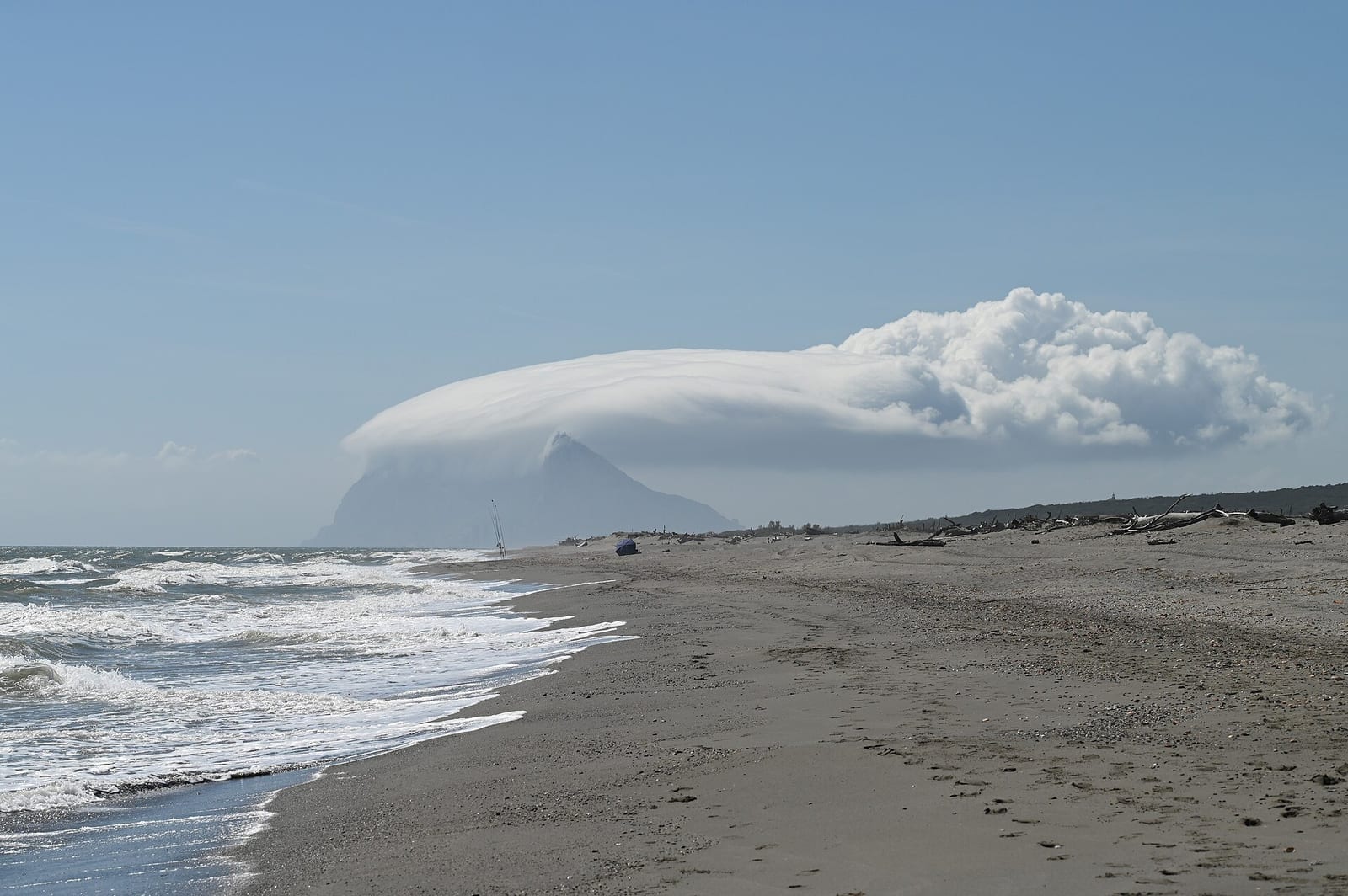
Gibraltar eclipse 2027: where to watch 4.5 minutes of totality, and where to sleep when the Rock is full
The Moon covers the Sun over Gibraltar for 4 minutes 28 seconds on 2 August 2027. Levanter cloud can pile up on the Rock's sunrise side, the airport is now a Schengen border, and Rock hotels are filling. Here's how seven bases compare for a UK group, and what the core trip costs.

8 beste dagsturer fra Wien med tog, rangert etter reisetid
Ingen bil nødvendig. Åtte ekte dagsturer fra Wien med tog, rangert fra en 21-minutters tur til en hel dag i Hallstatt, med ekte priser for 2026, reisetider og en ærlig ulempe for hvert stopp.