
Day 1: Westminster Abbey, Big Ben and Parliament, a London Eye spin, then Trafalgar Square and the National Gallery before Dishoom for dinner. Day 2: The Tower of London and Tower Bridge, Borough Market and Tate Modern, St Paul's dome, then a riverboat to Greenwich for the Meridian Line. Day 3: The British Museum and Library, Camden Market's canal stalls, Covent Garden and Piccadilly Circus. Day 4: Buckingham Palace's gates, Kensington Palace, the V&A and Natural History Museum, finishing at Kew Gardens. Book big-ticket tickets the day your dates lock, and split costs through one shared kitty.
Day 1: Westminster and Trafalgar Square
Day one stays within a couple of miles: the Abbey, Parliament and Big Ben cluster together, then the Eye and Trafalgar Square before an evening in Covent Garden. Skip the Abbey if your dates land on a Sunday, when it's open for worship only, not sightseeing.

Westminster Abbey
Every English and British monarch has been crowned here since William the Conqueror in 1066, and the Abbey has hosted sixteen royal weddings, including William and Kate's in 2011. It's open for worship only on Sundays, not sightseeing, so if your dates include one, swap this stop to another morning. Poets' Corner and the shrine of Edward the Confessor reward the slower route through.

Palace of Westminster
Fire gutted the medieval palace in 1834, and Charles Barry and Augustus Pugin rebuilt it in the Gothic Revival style that now defines the skyline. This is the working home of both Houses of Parliament, in session most weekdays. Free entry via an MP is UK-resident only, but paid public tours run Saturdays year-round through parliament.uk. This stop keeps it simple with the riverside view.
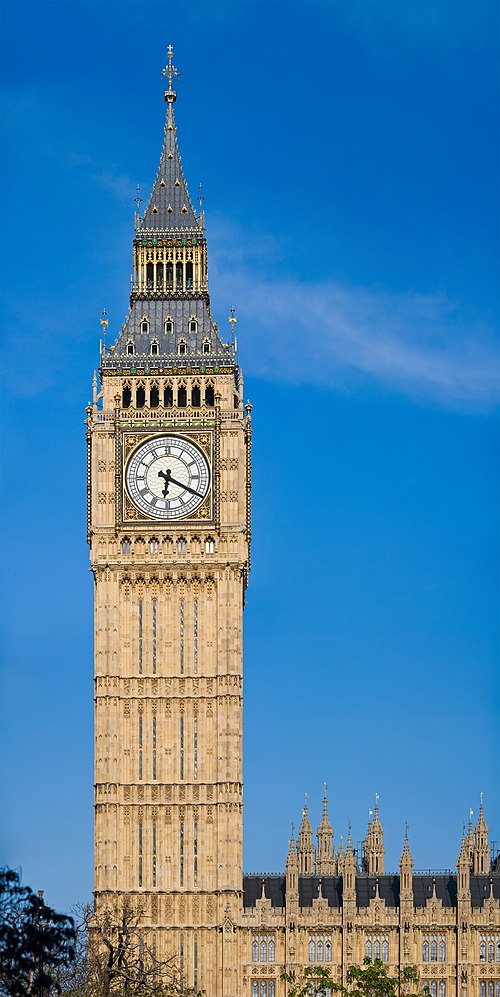
Big Ben
The tower itself is officially the Elizabeth Tower, renamed in 2012 for the Queen's Diamond Jubilee. Big Ben is really the nickname of the Great Bell inside, most likely after Sir Benjamin Hall, who oversaw the rebuild after the 1834 fire. At 96 meters it's not London's tallest structure anymore, but it's still the one everyone photographs first.

Westminster Bridge
The bridge is painted the same green as the Commons benches inside Parliament, a small detail most people cross without noticing. Pause at the middle for the best straight-on shot of Big Ben and the Eye together.

London Eye
Built for the millennium and opened to the public in March 2000, the wheel stands 135 meters tall with 32 capsules, each one roomy enough to carry a small group without feeling cramped. A full rotation takes about 30 minutes, slow enough to share a capsule with the whole group and still get everyone a window angle.
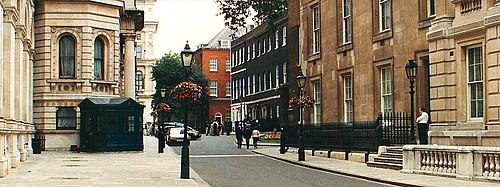
Downing Street
Number 10 has been the Prime Minister's official residence since Robert Walpole moved in in 1735, though security gates have kept the street closed to walk-up visitors since 1989. You'll see the gates, not the door.

Trafalgar Square
Nelson's Column rises 51.5 meters over the square, built between 1840 and 1843 to mark his win at the Battle of Trafalgar in 1805. Four bronze lions guard the base, a favorite group photo spot since none of them mind being climbed on. The square empties out fastest right after the National Gallery closes, if the group wants a quieter look.

National Gallery
Free to enter since it opened its doors in 1824, the collection runs from Van Eyck to Van Gogh across more than 2,300 works. Friday nights stretch admission to 9pm, useful if part of the group wants to linger here while others head straight to dinner. Pick one wing rather than trying to cover the whole building in one pass. Grab lunch at the Gallery's café instead of heading out.
Dishoom Covent Garden
Dishoom recreates Bombay's Irani cafes, the early-1900s spots that were the first places in the city where any caste or class could sit down together for a cheap meal. The bacon naan roll has been on the menu since the doors opened in 2010. It's walk-in only for groups under six after 6pm, so put a name down and expect to wait with a drink at the bar.
Day 2: The Tower, Bankside and Greenwich
This is the day that crosses the river twice: Tower Bridge and St Paul's dome before Borough Market and Tate Modern, then a riverboat out to Greenwich. Borough Market shuts Mondays, so plan around it. Book the boat slot ahead so the group doesn't miss the last one back.
Leadenhall Market
This Victorian arcade, designed by Horace Jones, doubled as Diagon Alley's entrance in the first Harry Potter film. The blue door at 42 Bull's Head Passage played the Leaky Cauldron, though it's just an optician's now.

Tower of London
William the Conqueror started the White Tower around 1078, and the fortress has served as a royal palace, a prison and the home of the Crown Jewels ever since. Six ravens are kept on the grounds today, tied to a Victorian-era legend that the kingdom falls if they ever leave. Book timed entry ahead in summer, since the Crown Jewels queue is the slowest part of the visit.

Tower Bridge
The bascule bridge opened in 1894, and its two glass floor panels, added in 2014, sit 43.5 meters above the Thames at high tide, high enough that most of the group will want to shuffle across rather than walk normally. The engine rooms below still hold the original Victorian machinery that used to raise the road.

London Bridge
The bridge standing here today dates only to 1973, the latest in a line stretching back to Roman London. It's a plain crossing now, mostly useful as the fastest walk between the Tower and Borough Market.

St Paul's Cathedral
Christopher Wren finished the dome in 1710 after the Great Fire destroyed the cathedral that stood here before. The Whispering Gallery, 30 meters up, carries a whisper to the far wall, 34 meters away, a genuine acoustic trick rather than a tourist myth. The nave is worship-only on Sundays; the Dome Galleries alone keep a short Sunday window through late October.

The Shard
At 309.6 meters, Renzo Piano's glass spire is the tallest building in the UK and Western Europe, its shape inspired by the church spires and ship masts in old Canaletto paintings of the city. The observation deck needs a paid ticket, but the tower itself is free to view and photograph from Borough Market's edge, no queue required for that version.
Borough Market
Records put a market on this site back to 1014, and it's been trading from the current spot since 1756, a fair claim to London's oldest food market. Closed Mondays, busiest Saturday mornings. Split the group up here rather than agreeing on one stall: everyone circles back to a bench with a different lunch, and it works better than a sit-down meal for nine.

Tate Modern
The building was Bankside Power Station until it closed in 1981; Tate Modern opened inside its shell in 2000, keeping the industrial Turbine Hall as the entrance space. Frida Kahlo: The Making of an Icon opened here in June 2026 and is booked as a long-running show, worth checking if your dates land inside the run since it's separately ticketed from the free permanent collection.

Royal Observatory Greenwich
Charles II founded the observatory in 1675 to fix the problem of longitude at sea, and the Prime Meridian line through its courtyard became the world's zero-degree reference in 1884. A combined ticket covers the Observatory and the Meridian Line, with a summer promo rate through early September. Straddle the line for the photo, everyone does; Greenwich Market sits just below the hill if there's time after.
Day 3: Bloomsbury, Camden and Covent Garden
Museums fill the morning, Camden's market and canal take the middle of the day, and the evening winds through Covent Garden's street performers to Piccadilly Circus. Most of today skips advance booking, Madame Tussauds for a group this size is the exception, so day three still splits up easily.
.JPG/500px-British_Museum_from_NE_2_(cropped).JPG)
British Museum
Founded in 1753, it was one of the first museums anywhere to offer free entry to the public, a policy it still holds today. A glass roof added over the Great Court in 2000 made the inner courtyard the largest covered public square in Europe. With a group this size, agree on a meeting point at the entrance before splitting off; the building swallows crowds fast.

British Library
The King's Library, George III's 85,000-volume collection, sits behind glass in a six-story tower at the building's center, visible from most of the ground floor. The Treasures Gallery holds two of the four surviving copies of the original 1215 Magna Carta, free to view year-round. It's a quieter stop than the museums around it, a good one to peel off to alone.
Camden Market
The market started in 1974 and became a center of London's punk scene soon after; The Clash shot their first album cover in an alley that's now part of the market grounds. Regent's Canal runs right through it, and a walk along the towpath is the calmest way to see the stalls without the crowds pressing in.

Madame Tussauds
Marie Tussaud brought her wax modeling skills from revolutionary France and opened her first permanent London exhibition in 1835. The current lineup mixes royals, film stars and sports figures, replaced and updated on a rolling basis. It's one of the pricier stops on this route, worth deciding as a group before buying, since not everyone rates a wax museum the same.

Covent Garden
A fruit and vegetable market traded here from 1656 until it outgrew the site and moved out to Nine Elms in 1974. The Apple Market inside now sells crafts and antiques instead, and the open square outside the old market hall has hosted street performers since Samuel Pepys recorded the first Punch and Judy show here in 1662.

Royal Opera House
Home to the Royal Ballet and Royal Opera, the building itself is closed to walk-ins without a ticket or booked tour. The neoclassical facade facing the square is worth the two-minute detour on the way through.
Neal's Yard
A few steps off Covent Garden's main drag, this small courtyard is painted in colors you don't see elsewhere in central London, packed in around health food shops and small cafes. It's easy to miss the entrance if you're not looking for it, worth building in ten extra minutes for the group to find it.

Piccadilly Circus
The winged statue everyone calls Eros is actually Anteros, god of requited love, put up in 1892 to commemorate the Earl of Shaftesbury's work on child labor reform. The name stuck wrong from the start and nobody's bothered correcting it in over a century. The neon signs behind it have advertised brands here since the 1900s.

St James's Palace
Still a working royal palace, not open to the public, its Tudor gatehouse dates to Henry VIII's reign in the 1530s. State visits and royal offices operate inside; from outside the gates, you get the view and nothing more.
Day 4: Kensington, Notting Hill and Kew
The last day moves west: Buckingham Palace's gates and Hyde Park, then Kensington, Notting Hill and the South Kensington museums before Kew Gardens. The early Palace stop means the exterior, not the Guard ceremony; catching that would mean starting later and trimming Kew. Start by 9am for Kew's 6pm close.

Buckingham Palace
This has been the monarch's official London residence since Queen Victoria took up residence in 1837, and the exterior view from the gates costs nothing. The Changing of the Guard used to run daily in summer, but the schedule now varies and is typically confirmed about a month out, so check before planning the morning around it. State Rooms tours run separately in summer and aren't part of this stop.

Hyde Park
One of London's largest royal parks, it's the site of Speakers' Corner, where anyone can climb a soapbox and address a crowd on Sunday mornings, a tradition running since the 1870s. The Serpentine lake cuts through the middle, with rowboat rentals if the group wants to slow the morning down before Kensington.

Kensington Palace
Princess Diana lived here from 1981 until her death in 1997, and the Prince and Princess of Wales still use an apartment inside as their London base today. The Queen's State Apartments are closed for renovation until spring 2027, so this visit covers the King's State Apartments and gardens, not the full palace most guidebooks describe.
Portobello Road Market
Saturdays turn this into London's best-known antiques market, over a thousand stalls once the food and fashion sections count in. Visit on a weekday for a quieter, thinner version, mostly food and fashion rather than antiques.

Victoria and Albert Museum
Founded in 1852 out of profits from the Great Exhibition the year before, the V&A is the world's largest museum of applied and decorative arts, covering everything from fashion to ironwork across more than two million objects. Free general entry means the group can split by interest rather than sticking together through galleries nobody agreed on.
V&A Cafe
Opened in 1856, this was the world's first museum restaurant, built to keep visitors fed and inside rather than leaving for lunch. The William Morris Room, added in 1868, is still the one worth sitting in if a table's free.

Natural History Museum
Hope, a 25-meter blue whale skeleton, has hung diving over the entrance hall since 2017, when she replaced Dippy the diplodocus cast that stood there for decades before. Free general entry again means an easy group split: dinosaurs pull one half, the earth galleries the other, meet back at Hope underneath.

Kew Gardens
A UNESCO World Heritage Site since 2003, Kew holds one of the world's largest living plant collections across 300 acres. The Palm House, built in 1848, still runs as a working Victorian glasshouse, and the Treetop Walkway lifts visitors 18 meters up through the canopy on a steel path that opened in 2008. Give this stop its own afternoon slot, since the outer-zone trip isn't worth stacking with anything else.
Best time to visit
What's on in London
Festivals, concerts, and exhibitions happening during your trip.
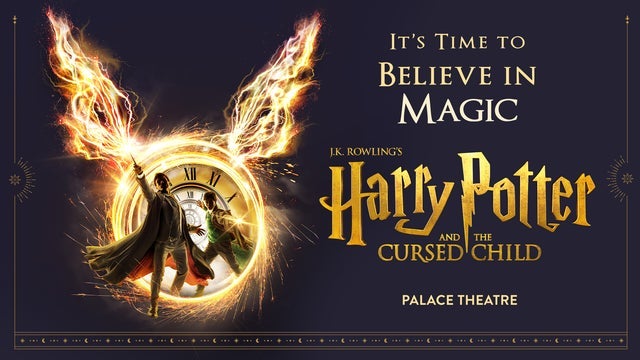
Harry Potter and the Cursed Child (NY)
BBC Proms
Frida: The Making of an Icon
Notting Hill Carnival
Summer Bank Holiday
Public holiday
JAY-Z
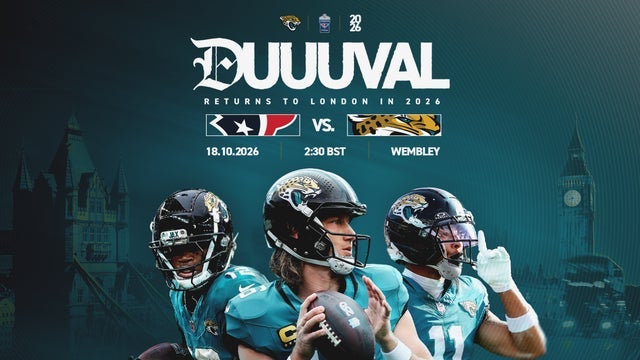
Jacksonville Jaguars
Guided tours
Some links may earn us a commission at no extra cost to you.
Know before you go
- General slots and the free shuttle bus from Watford Junction get busy months out. A group of three to nine can also save a third on Euston-to-Watford rail with a GroupSave ticket.
- Theatre seats, the Studio Tour and most timed-entry sights process bookings under one name. Having a single person handle the group's slot avoids six accounts fighting the same release.
- Oyster and contactless are billed per person, capped at £8.90 for Zone 1-2 in 2026. Skip the £10.50 Oyster card fee and just tap a contactless card or phone instead.
- Markets, group dinners and the odd cab ride add up fast across four days. A shared app or cash kitty beats settling up per stop, and most restaurants split a bill without complaint.
- Westminster Abbey and St Paul's Cathedral open for worship only on Sundays, not sightseeing. Borough Market closes entirely on Mondays. Build the trip around a Tuesday-to-Saturday window if all three matter to your route.
- London has a typical big-city safety profile, and pickpocketing does happen in crowded spots like Oxford Street and rush-hour Tube carriages. A cross-body bag worn to the front covers most of it.
- The route stays inside a few Tube stops most days. Kew is the exception, a late-afternoon trip that only works if day four starts on time, since the gardens close at 6pm.
- London Underground step-free access is inconsistent station to station, so check ahead; buses are the reliable step-free option. Leg times assume a steady pace, so budget extra minutes per stop for photos and regrouping.