8 best day trips from Vienna by train, ranked by travel time
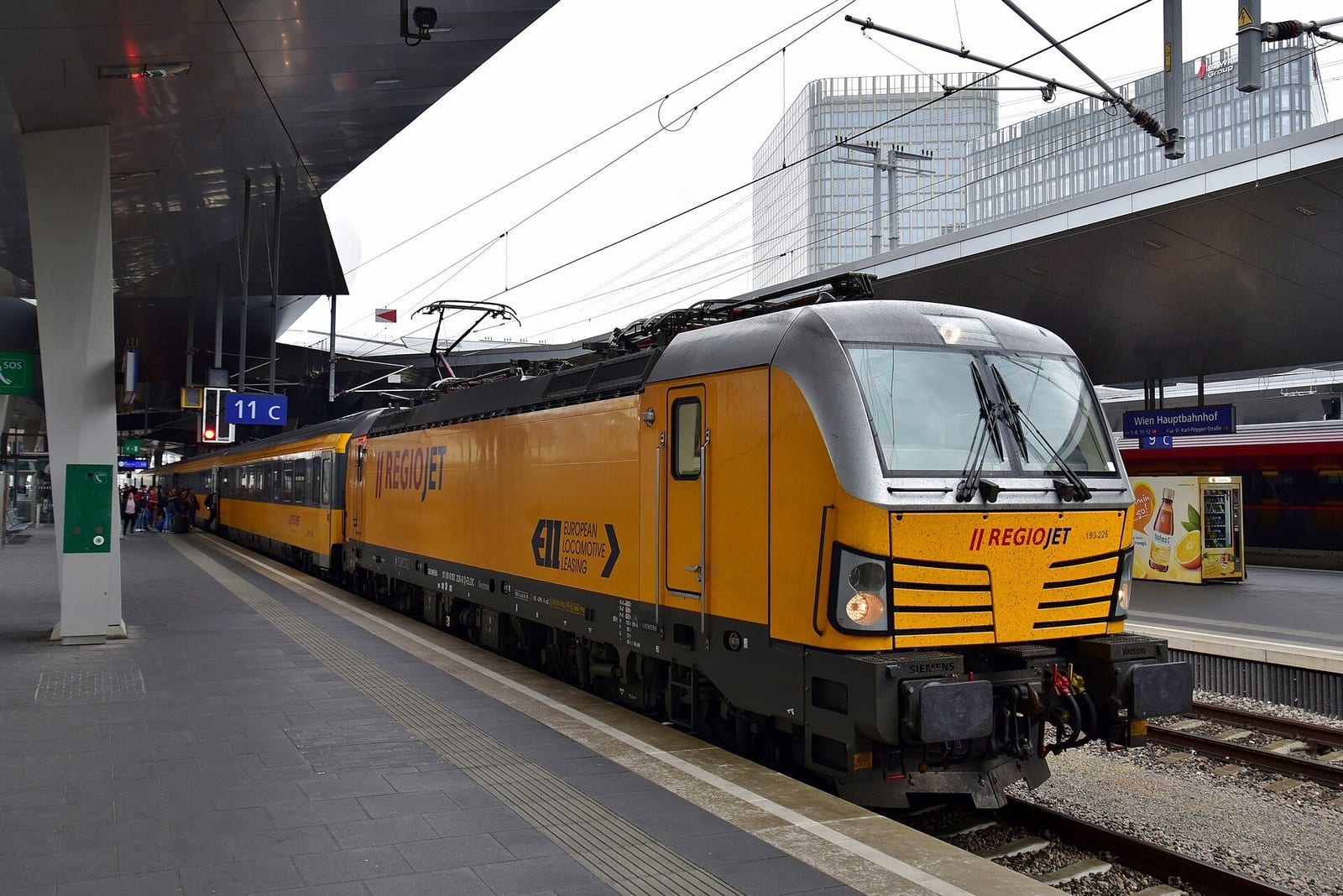
Photo: Bahnfrend · CC BY-SA 4.0, via Wikimedia Commons
Key Highlights
- 1
- 2
- 3
+3 more in the takeaways below
Wien Hauptbahnhof's departure board updates every two minutes, and on a Tuesday morning it will show Bratislava, Graz, Budapest and Salzburg on the same ten-line screen. Most people walk straight past it toward the U-Bahn.
That board is the reason Vienna barely needs organized day-tour buses. Eight genuinely different destinations sit on regular, scheduled ÖBB trains, and the closest one is a 21-minute ride. Every price and journey time below is as of September 2026, checked direct from the operator or the attraction's own site, not from memory.
- Bratislava in 56 minutes: a second capital city, closer than most Vienna suburbs, from €12.70 one-way.
- No rental car anywhere on this list: all eight run on scheduled ÖBB (or partner) trains from Wien Hauptbahnhof or Wien Meidling.
- Ranked by journey time, not by hype: 21 minutes to Baden bei Wien, nearly 4 hours to Hallstatt with the ferry.
- Two attractions changed in 2026: Hallstatt's salt mine reopened 29 August after a rebuild, and Budapest's Gellért Baths are closed until 2028.
- Book same-day for most of these. Only Hallstatt and peak-season Salzburg genuinely reward booking ahead.
The eight trips, before the detail
Names first, in the order you'll hit them on the departure board, timed from Wien Hauptbahnhof to each destination's main station:
- Baden bei Wien: 21 minutes, thermal spa town
- Neusiedl am See: about 45 minutes, UNESCO lake and wine region
- Bratislava, Slovakia: 56 minutes, a second capital city
- Melk and the Wachau Valley: about 1 hour, baroque abbey and vineyards
- Graz: around 2 hours 20 minutes, Austria's second city
- Budapest, Hungary: around 2 hours 20 minutes, a third capital city
- Salzburg: 2 hours 25 minutes to 2 hours 53 minutes, Mozart and the Alps
- Hallstatt: 3 hours 10 minutes to 3 hours 50 minutes, the lake village everyone has seen a photo of
| Destination | One-way journey time |
|---|---|
| Baden bei Wien | 21 |
| Neusiedl am See | 45 |
| Bratislava | 56 |
| Melk | 63 |
| Budapest | 140 |
| Graz | 144 |
| Salzburg | 145 |
| Hallstatt | 190 |
The gap in the middle is the useful part: nothing on this list takes between 1 hour and 2 hours 20 minutes. Vienna's genuinely close trips are all under an hour, and the next tier starts well past two hours, which is exactly why the "who should skip this one" section below matters more than the ranking itself.
1. Baden bei Wien: the 21-minute escape
Trains leave Wien Hauptbahnhof for Baden bei Wien every 20 minutes, and the ride takes 21. That is closer than several actual Vienna districts.
Baden built its reputation on its sulfur springs, and the Römertherme thermal baths are still the reason most people make the trip: a Habsburg-era spa town with imperial gardens and casino architecture, not a suburb with a pool. A one-way ticket runs around €6, and there is no reason to book it in advance: the frequency does the work.
The honest downside: outside the baths, Baden is a pleasant walk more than a destination. Budget half a day here, not a full one, unless the spa is the actual point of the trip.
2. Neusiedl am See: a lake that is also a UNESCO site
Neusiedl am See sits on the edge of Lake Neusiedl, one of the largest steppe lakes in Europe and, together with its Hungarian half, a UNESCO World Heritage cultural landscape since 2001 for the vineyards and villages ringing its shore. Trains from Wien Hauptbahnhof take roughly 45 minutes, with tickets from about €12.
The lake itself is the draw: cycling the shoreline, sailing, or just sitting in one of the Burgenland wine villages that produce the region's Neusiedlersee DAC wines. We'd pick this one over Baden for anyone who wants a full afternoon outdoors rather than an hour in a spa.
The downside: it is a summer trip. In winter the lake activities close down and there is genuinely less to do.
3. Bratislava, Slovakia: a second capital city, closer than the suburbs
This is the trip that surprises people. Bratislava is Slovakia's capital, and the REX regional express from Wien Hauptbahnhof crosses the border in 56 minutes, running roughly hourly throughout the day, for €12.70 one-way.
ÖBB's own Bratislava-Ticket bundles the round trip with a bonus: on its first day of validity, it doubles as a day ticket for public transport inside Bratislava itself, so the whole day runs on one piece of paper. Bratislava Castle's grounds are free and open daily from 08:00 to 22:00; the Museum of History inside costs €14 and closes Tuesdays.
The one thing to plan for: both Austria and Slovakia are in the Schengen area, so there is no passport check on the train. Carry ID anyway: every practical guide to what to pack in your travel documents says the same thing, and Slovak police can and do ask for it.
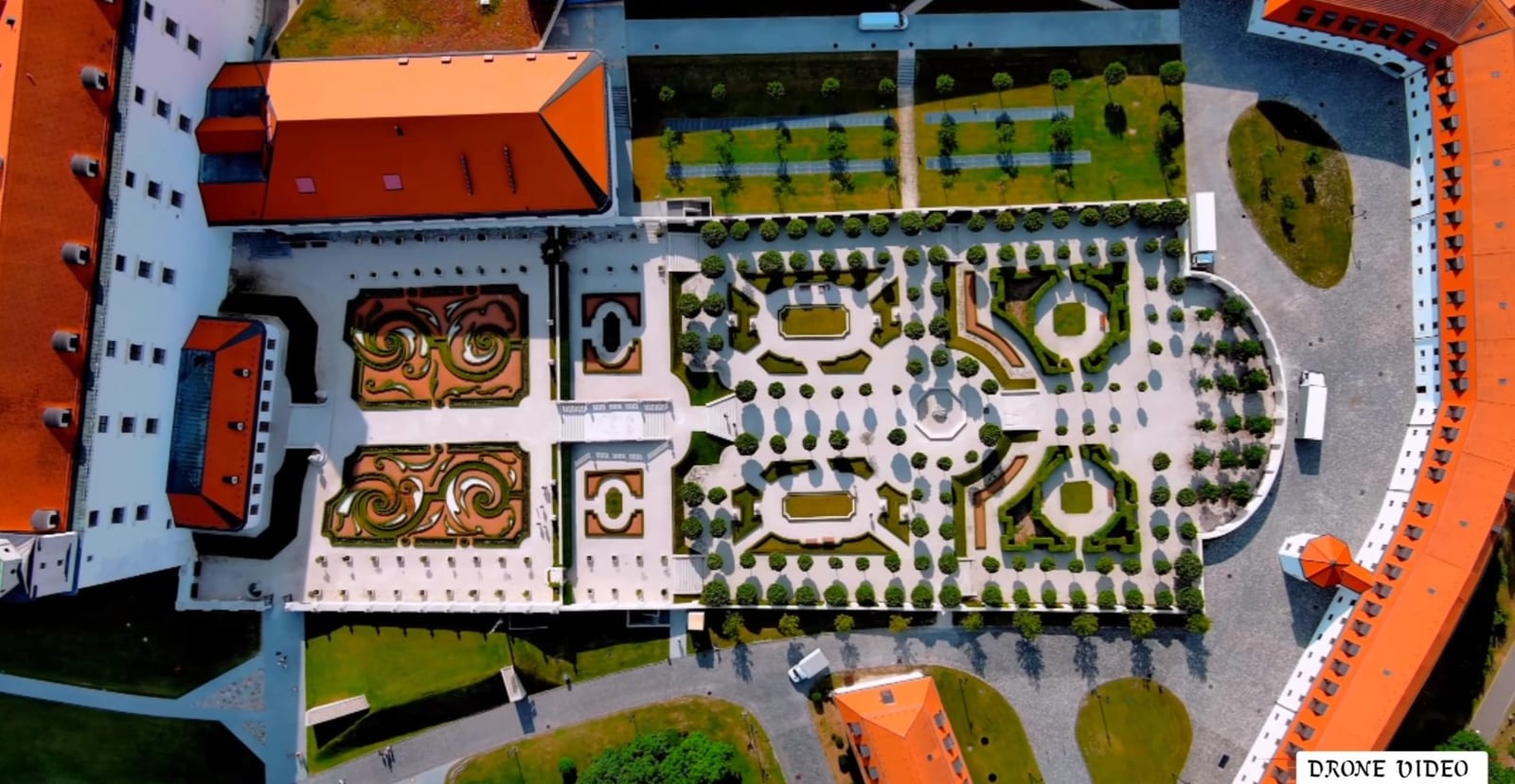
Photo: Drone video · CC BY 3.0, via Wikimedia Commons
4. Melk and the Wachau Valley: an abbey, a river, and vineyards
The Wachau Valley is the stretch of the Danube between Krems and Melk, and it is the one trip on this list where the train is only half the transport. Direct trains from Wien Hbf reach Melk in about an hour for around €20, and ÖBB's regional fares let you break the return journey at Dürnstein or Spitz along the way rather than riding straight back.
Stift Melk, the baroque abbey that dominates the town from its cliff above the river, charges €16 for adult admission (valid through March 2027). Most people combine the train out with a river cruise or bike ride back along the Danube cycle path: the scenery is the point, not any single stop.
Skip this one if you only have a few hours: the valley rewards a slow afternoon, and rushing it defeats the purpose.
5. Graz: Austria's second city, without the crowds
Graz sits around 2 hours 20 minutes south of Vienna by direct train, with up to 40 services a day. Advance fares run roughly €9 to €11 if booked ahead, and walk-up prices climb considerably higher, so this is the one trip on the list where booking early genuinely pays off.
The city's UNESCO-listed old town wraps around the Schlossberg, a hill you reach by the Schlossbergbahn funicular, which takes an ordinary Graz Linien zone 1 transit ticket rather than a separate fare, around €3. It is a working university city with a genuinely different feel from Vienna: quieter streets, a clock tower everyone climbs, and none of the queues you get in Salzburg.
The trade-off is honest: at 2h20 each way, Graz eats almost 5 hours of your day just in transit. Do it only if the city itself is the goal, not as a side trip you're squeezing in.
6. Budapest, Hungary: a third capital, and a different currency
Budapest is roughly the same distance from Vienna as Graz: around 2 hours 20 minutes on the Railjet, hourly throughout the day. Advance fares start near €13 with MÁV's own ticket or €19.90 with ÖBB's Sparschiene; a fully flexible same-day ticket runs closer to €52.70.
One detail that trips people up: Hungary uses the forint, not the euro, so this is the one destination on the list where your euro card gets converted at the point of sale. Budapest's famous Gellért Baths closed for renovation in October 2025 and will not reopen until 2028: the Széchenyi Baths are the open alternative, from 13,200 forint on weekdays (about €36 at September 2026 rates). If you're paying by card anywhere in the city, our own breakdown of what different cards actually charge abroad is worth five minutes before you go.
Don't plan Gellért into a Budapest day trip in 2026: it's shut for renovation until 2028. Széchenyi is the open, equally famous alternative, and it's actually easier to reach from Keleti station.
A single-day Budapest trip means picking two or three things, not the whole city. Skip it if a rushed 5-hour city visit sounds worse than not going at all: Budapest rewards a proper weekend more than any other stop on this list.
7. Salzburg: Mozart, the Alps, and two trains an hour
Salzburg is the classic choice, and the fastest Railjet Xpress covers it in 2 hours 25 minutes, with the regular railjet closer to 2 hours 53. ÖBB runs two Railjets an hour in both directions, and Sparschiene advance fares start at €19.90.
Once you're there, Hohensalzburg Fortress, the medieval castle above the old town, charges €15.50 for the funicular plus basic admission, or €19.20 for the all-inclusive version with the Prince's Rooms. The Altstadt below is compact enough to see on foot in an afternoon, which is exactly why it stays the most popular day trip on this list.
The downside is popularity itself: Salzburg gets genuinely crowded in July and August, and the fortress funicular queues stretch long at midday. If you're going in peak season, take the earliest train you can.
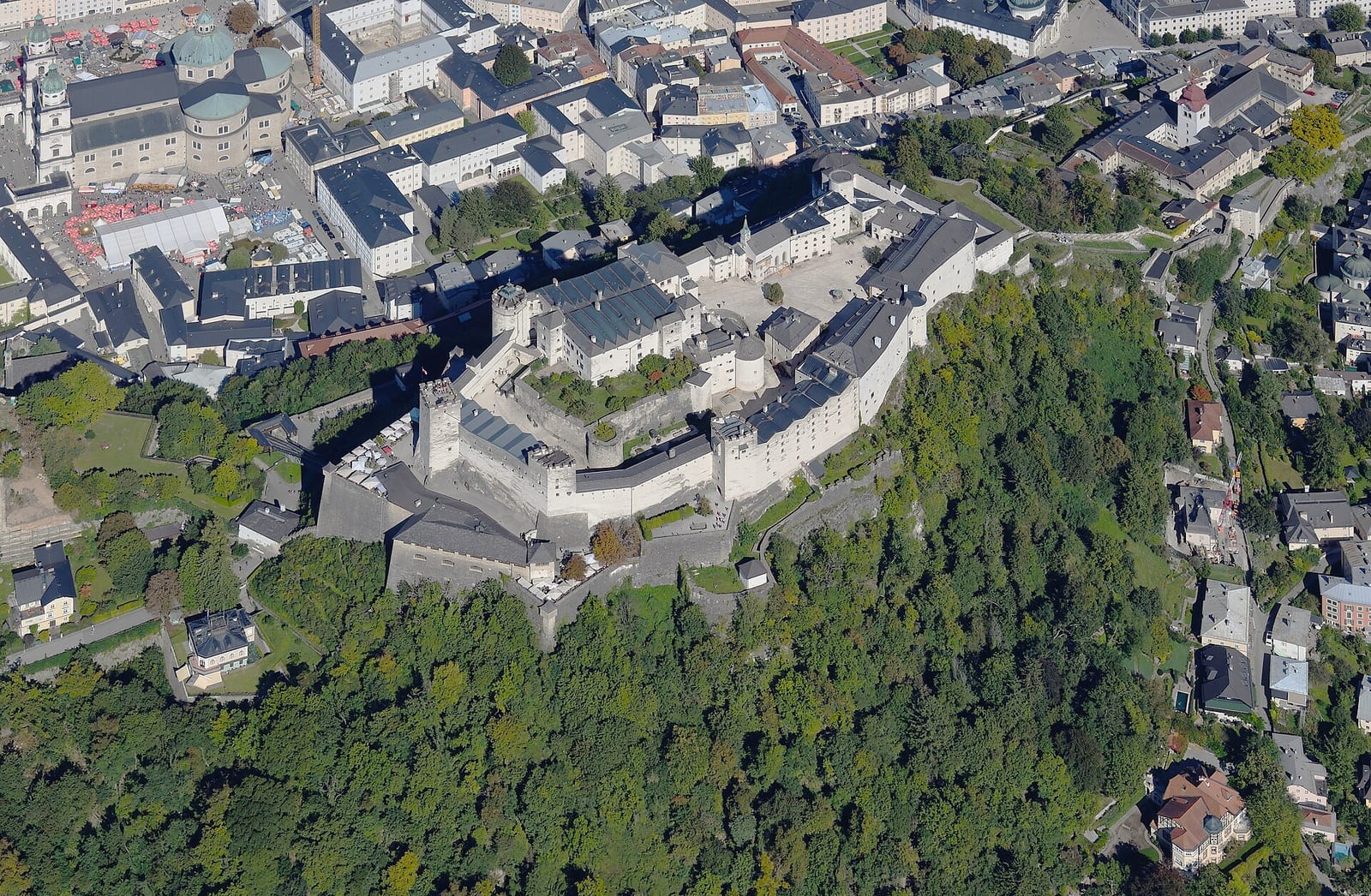
Photo: Carsten Steger · CC BY-SA 4.0, via Wikimedia Commons
8. Hallstatt: the longest trip, and the only one that needs a ferry
Hallstatt is not a quick trip, and pretending otherwise is how people end up disappointed. The journey takes 3 hours 10 minutes to 3 hours 50 minutes, changing trains at Attnang-Puchheim, with fares from roughly €32. The train stops on the far shore of the lake, so the final leg is a short ferry ride, timed to meet each arrival, for €4 one-way or €8 return.
What's actually changed here in 2026: the Salzwelten Hallstatt salt mine and Skywalk viewing platform closed for a full rebuild and only reopened on 29 August 2026. The cable car and mine tour run around €49 for adults, but check the operator's own booking page before you go: a fresh reopening is exactly when prices move. It claims the title of the oldest salt mine in the world, and the Skywalk platform below the Rudolfsturm gives the view every postcard is copying.
Skip Hallstatt if you have less than a full day free. Between the two train changes and the ferry, you're looking at 7+ hours of round-trip transit for maybe 3 hours in the village itself: genuinely worth it once, a hard sell twice.
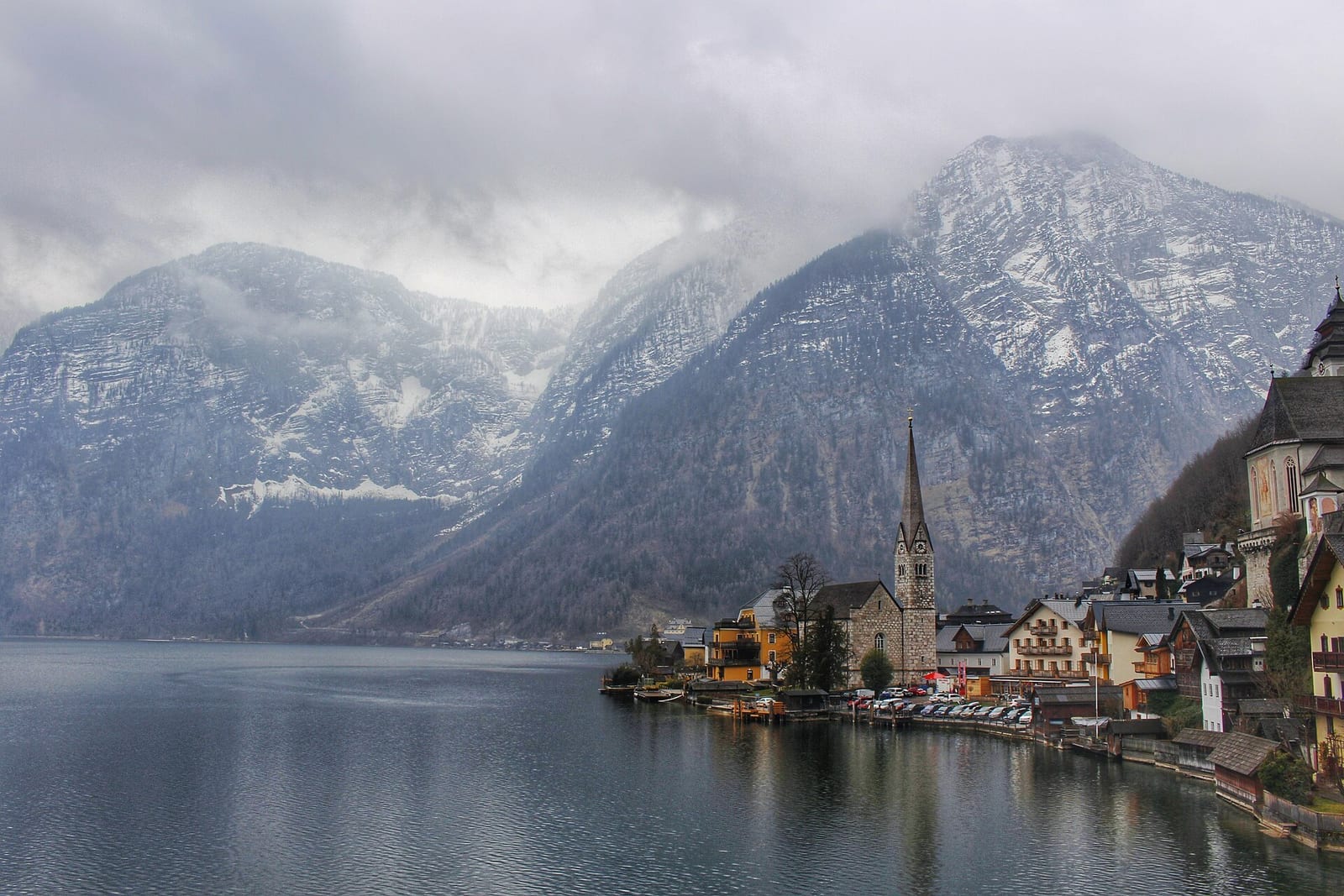
Photo: MontanNito · CC BY-SA 3.0, via Wikimedia Commons
Which of these to skip, honestly
Every entry above already names its own trade-off. Lined up together, the pattern is clearer:
| Destination | Skip it if… |
|---|---|
| Baden bei Wien | You want more than a spa and a walk |
| Neusiedl am See | It's winter |
| Bratislava | You've already done a capital-city day trip this month |
| Melk / Wachau | You have fewer than 5 free hours |
| Graz | The trip is a "squeeze it in" afternoon, not the main plan |
| Budapest | You can't accept seeing only 2-3 sights |
| Salzburg | It's peak July-August and you can't leave before 8am |
| Hallstatt | You have less than a full day free |
Nothing here is a bad trip. They're bad trips for the wrong day. If we had to send a first-timer on just one, we'd send them to Bratislava over Salzburg: the novelty of a second capital city in under an hour beats another postcard view, and it costs less too.
How we picked this list
Three rules, applied the same way to all eight: reachable from Wien Hauptbahnhof (or Wien Meidling) on a scheduled ÖBB or partner train, no rental car required at any point, and a reason to go beyond simple proximity. We checked every journey time and every headline price against the operator's own site or a specialist rail-fare source in September 2026, not against a memory of what these trips used to cost.
That ruled out Prague, which is a genuine train connection but pushes past 4 hours each way and stops being a day trip in any honest sense, and Brno, which has no comparably direct rail link from Vienna. Both are better as an overnight.
- Buy the ticket the night before, not the day of. Same-day walk-up fares on Graz and Budapest can run 3-4 times the advance price.
- Screenshot your platform number. Austrian stations announce platform changes late, and Wien Hauptbahnhof's departure boards are dense enough to misread in a hurry.
- Carry a passport or ID card, even within Schengen. Bratislava and Budapest don't stamp anything, but you can still be asked to show it.
- Check the return time before you leave, not after lunch. Regional lines outside Vienna thin out fast after early evening.
- Ticket booked or confirmed as walk-up-available
- Passport or ID card in your bag
- Return train time noted before you set off
- Cash for the Hallstatt ferry (card readers are unreliable lakeside)
- Layer for the platform: Wien Hauptbahnhof is exposed and windy
If you're stacking two or three of these into one visit to Vienna, the planning gets messy fast: train times in one app, abbey opening hours in a browser tab, the ferry schedule in a screenshot. An itinerary tool like TripProf can hold the day-by-day plan, the tickets, and the notes in one place instead of across four apps. That matters more here than on a single-city trip, because you're juggling different countries' opening hours on the same afternoon.
Frequently Asked Questions
What is the easiest day trip from Vienna without a car?
Baden bei Wien, 21 minutes away with a train every 20 minutes from Wien Hauptbahnhof. No advance booking is needed: just show up and go.
Is Hallstatt doable as a day trip from Vienna?
Yes, but only with a full day free. The trip is 3h10-3h50 each way including a train change at Attnang-Puchheim and a short ferry, so you're spending 7+ hours in transit for the day.
Do I need to book Austrian train tickets in advance?
For Baden, Neusiedl, Bratislava and Melk, no: frequency and fixed fares mean walk-up works fine. For Graz and Budapest, advance booking can cut the price by more than half.
Is the KlimaTicket Ö worth buying for one day trip?
No. At €1,400 a year, it only makes sense if you're taking multiple Austrian trips a month. For a single day out, a one-way or return ticket is far cheaper.
Can I visit Bratislava with just a normal Austrian train ticket?
Yes, ÖBB's own Bratislava-Ticket is built for exactly this, and it doubles as a public transport day pass once you arrive in Bratislava.
Do these trains run on Sundays and public holidays?
Yes, all eight routes run daily, though some regional services (Neusiedl am See, Melk) run less frequently on Sundays than on weekdays.
Can I do the Wachau Valley without stopping at Melk itself?
Yes. Some travelers take the train one way and a Danube river cruise the other, stopping at Dürnstein or Spitz instead of the abbey.
Key Takeaways
- Start close, then go further. Baden (21 min) and Neusiedl (45 min) are the trips to do on a whim; Graz, Budapest, Salzburg and Hallstatt need a real plan.
- Bratislava is the trip most people skip and shouldn't. A second capital city in under an hour, for under €13, is genuinely rare in Europe.
- Book ahead only where it actually saves money. Graz and Budapest advance fares beat walk-up by a wide margin; the shorter trips don't need it.
- Check what changed this year before you go. Hallstatt's salt mine just reopened, and Gellért in Budapest is closed until 2028: plans built on last year's guide will be wrong.
- No car, no exceptions. Every trip on this list runs on a scheduled train from Wien Hauptbahnhof, so there's no parking, no fuel, and no return-drive fatigue to plan around.
- Stacking a few of these into one Vienna visit is where a shared itinerary tool like TripProf earns its place: one day-by-day plan instead of four browser tabs.
Sources
- ÖBB (Austrian Federal Railways): official timetables and fares for all domestic routes
- Seat61, Vienna to Bratislava: journey time and fare detail
- Seat61, Vienna to Budapest: journey time and fare tiers
- ÖBB Bratislava-Ticket: combined return fare and Bratislava transit pass
- KlimaTicket.at: annual all-Austria transport pass pricing
- Salzburg.info: official tourism board rail travel advice
- Stift Melk: official abbey admission pricing
- FestungsBahn (Hohensalzburg Fortress): official funicular and admission pricing
- Visit Bratislava: official Bratislava Castle admission and hours
- Burgenland.info: Lake Neusiedl UNESCO World Heritage designation
- Graz Tourism: official Schlossbergbahn funicular pricing
- Széchenyi Thermal Bath: official ticket pricing
- Gellért Thermal Bath: official renovation and reopening notice
- Salzwelten Hallstatt: official salt mine reopening date and Skywalk information
- Im Salzkammergut: Hallstatt lake ferry timetable
- Hallstatt Schifffahrt: official ferry pricing
- Xe.com: EUR/HUF exchange rate reference, September 2026
Keep Reading
More travel tips and guides picked for you

The ETIAS Canada delay: what actually changes for your Europe trip
ETIAS's 2026 launch date is gone, with no replacement confirmed. Here's exactly what changes for Canadians heading to Europe right now, and how to spot the fake ETIAS Canada sites already cashing in on the confusion.

How to Book an Alaska Cruise for the 2027 Season
Princess and Norwegian want final payment 120 days out. Carnival wants it at 91. Here's the real deadline calendar, the Seattle vs. Vancouver decision, and how a multi-generational family actually books this together.

The GCC Unified Visa for Residents: What's Actually True Right Now
The GCC's unified visa is announced, not launched, and nobody has confirmed if residents qualify. Here's what a Gulf resident can already do today, plus a real multi-country route with costs.