Опросник для поездки компанией: 16 вопросов до бронирования

Главное
- 1
- 2
- 3
+2 ещё в конце статьи
В групповом чате девять человек. Кто-то скинул ссылку на виллу, прилетело три сердечка, а один участник уже в четвертый раз написал: «Я подстроюсь!». Никаких сумм и дат никто не называл. Через шесть недель вы будете держать на руках депозит на сумму $4 200, оформленный на ваше имя.
Анкета для планирования групповой поездки работает только в том случае, если в ней запрещены прилагательные. Разошлите 16 вопросов до того, как кто-либо забронирует жилье, и сформулируйте каждый из них так, чтобы прилагательное не было допустимым ответом. «Гибкий», «на расслабоне», «как все» и «около двух тысяч» - это четыре ответа, которые разрушают групповые поездки; каждый вопрос должен требовать конкретное число, имя или дату. Пять вопросов о деньгах, два о датах, два о темпе, три о жилье, два о правах на принятие решений, два о критических условиях. Самый ценный пункт - дедлайн: после этой даты я бронирую с теми, кто уже заплатил. Шаблон для копирования находится ближе к концу статьи.
Анкета для планирования групповой поездки: 16 вопросов, одно правило
Формулируйте каждый вопрос так, чтобы на него нельзя было ответить прилагательным. Ощущения забронировать нельзя, а больше всего вреда наносят ровно четыре ответа.
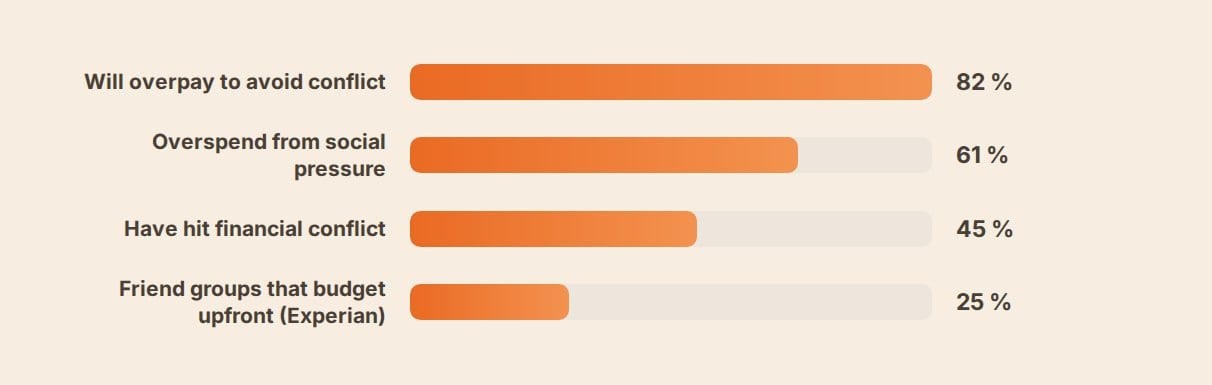
В мае 2026 года компания Harris Poll опросила 2 067 взрослых жителей США о групповых путешествиях по заказу CIT Bank. Среди тех, кто действительно ездит куда-то компаниями, 82% заявляют, что готовы заплатить больше своей честной доли, лишь бы избежать финансовых конфликтов в поездке. В CIT это называют «налогом на мир». Это цена вопросов, которые никто не задал вовремя.
| Какой ответ вы получите | Что за ним скрывается | Чего должен требовать вопрос |
|---|---|---|
| «Я гибкий в планах» | Я еще не проверял свой отпуск | Два датированных списка: жесткое нет и жесткое да |
| «Я на расслабоне» | Я считаю, что мой ритм подходит всем | Время отправления и время завершения в часах |
| «Как все решат» | Пусть решает кто-то другой, чтобы я потом мог поворчать | Конкретное лицо для разрешения споров и дедлайн |
| «Около $2k» | Для меня это $1 800, для вас - $2 400, а при $2 600 начнется скандал | Одна точная сумма целиком, плюс ответ да или нет при превышении на 20% |
Правая колонка всегда содержит число, имя или дату. Если на вопрос можно ответить прилагательным, перепишите его.
Почему анкета лучше группового чата
Анкета позволяет получить ответы, которых никогда не добиться в чате. В беседе девяти человек фраза «Мой предел - $1 400» выглядит как демонстрация статуса. В анкете, которую больше никто не видит, это просто данные.
Компания Experian опросила более 700 взрослых американцев, которые за последние пять лет хотя бы раз ночевали в поездках с друзьями (опрос проводился в июне 2025 года). Лишь 1 из 4 говорит, что их компания друзей заранее устанавливает бюджет, причем несоответствие бюджетов является главной трудностью, которую называют миллениалы (35%). Среди представителей поколения Z и миллениалов, путешествующих с друзьями, более половины сообщают о финансовых разногласиях во время поездок, а 1 из 5 из-за денежных вопросов прекратил дружбу.
Компания AAA и Bread Financial опросили 1 714 взрослых американцев в декабре 2025 года. Среди тех, кто путешествует группами или парами, 46% утверждают, что открыто обсуждают бюджеты и расходы со спутниками. Чуть больше половины вашей компании просто не говорит вам, сколько они могут потратить.
Есть и вторая причина отправить анкету заранее, и она подтверждается нашими собственными данными о планировании. Из 934 поездок, спланированных в TripProf, 12% приходятся на поездки с друзьями. Если добавить другие форматы с несколькими участниками - семейные поездки (13,4%) и большие группы (9,4%), то примерно каждая третья запланированная поездка включает семью, друзей или большую компанию. Именно в этой трети каждый из приведенных ниже вопросов отрабатывает свою роль на все сто.
Компания Numerator опросила более 1 000 потребителей в США о том, с кем они планируют путешествовать летом 2026 года, и 21% назвали друзей. Не стоит воспринимать эти две цифры как противоречие. В опросе Numerator респонденты могли выбрать несколько вариантов попутчиков одновременно, поэтому 65% также указали супруга или партнера, а сумма процентов значительно превысила 100; наши же 12% - это отдельная эксклюзивная категория. Они несопоставимы по масштабу. Общим для обоих источников является то, о чем организаторы говорят вслух: поездка с друзьями остается лишь атмосферой в чате долгое время после того, как для семейной поездки уже составлена таблица.
Данные TripProf: 934 поездки, спланированные в TripProf по состоянию на 09.09.2026. Проценты рассчитываются от числа пользователей TripProf, а не путешественников в целом.
Источник данных: newsroom.firstcitizens.com, experian.com
Деньги: пять вопросов
Деньгам уделяется больше всего внимания, потому что именно из-за них групповые поездки терпят крах.
1. Какова максимальная стоимость этой поездки для вас, со всеми расходами? Назовите одно число, а не диапазон
Диапазон воспринимается организатором как верхний предел, а плательщиком - как нижний, что и создает те самые 35% трудностей у миллениалов, которые зафиксировала Experian. Для понимания масштаба: компания Deloitte провела опрос 4 003 американцев в апреле 2026 года и выяснила, что путешественники рассчитывают потратить в среднем $4 069 на свою самую длинную летнюю поездку, что на 17% больше, чем в прошлом году.
2. Если реальная сумма окажется на 20% выше, вы в деле или выбываете?
Цены меняются в период между анкетированием и бронированием, поэтому такой вопрос превращает потенциальную отмену в отказ в настоящем времени. Сказать «нет» сейчас ничего не стоит; на девятой неделе это лишит всю группу комнаты.
3. Кто оплачивает жилье своей картой и когда ему вернут деньги?
Назовите кредитора и дату возврата средств до того, как это превратится в обиду. Опрос Airbnb 2017 года среди 2 000 взрослых американцев показал, что 52% путешественников из США выкладывали из своего кармана $500 или более, а почти треть (31%) внесли за других больше $1 000. Опрос старый, поэтому воспринимайте его как общую иллюстрацию, а не как актуальный тариф.
Оплачивать расходы за свой счет без указания даты возврата средств. Тот же опрос Airbnb 2017 года показал, что 38% американских путешественников не получили обратно все деньги за групповую поездку, а 29% поссорились из-за этого с друзьями. Вне контекста путешествий ситуация еще хуже. Апрельский опрос Bread Financial 2024 года среди 1 670 взрослых американцев показал, что 57% занимали деньги у друзей, и 30% из этих заемщиков так никогда их и не вернули.

4. Какие расходы делятся поровну, а какие каждый платит сам за себя?
Продукты, ужины в ресторанах, аренда машины, развлечения, чаевые, общий праздничный ужин. Определите формулу до того, как станет ясно, кто именно заказывает вино. Наше руководство по тому, как справедливо разделить расходы на поездку с друзьями, объясняет, где ломается каждый из методов, а материал про лучшие приложения для отслеживания и разделения групповых расходов помогает сохранить честность общей суммы.
5. Есть ли в этой поездке что-то, от чего вы бы предпочли отказаться, лишь бы не платить?
Пятый вопрос дает участнику с самым скромным бюджетом социально безопасный выход из положения - в письменной форме, до того как он окажется в компании с уже готовой к оплате картой. Давление, которое этот вопрос снимает - реально, а не выдумано: опрос CIT Bank показал, что 61% путешественников в группе тратят больше бюджета из-за социального давления, причем среди миллениалов этот показатель достигает 76%, а среди поколения Z - 80%.
Деньги - это конфликт, которого все ждут. Даты же определяют, кто вообще сможет приехать.
Даты: два вопроса
Два вопроса о датах созданы для того, чтобы исключить саму возможность написать «Я гибкий». Гибкость перекладывает стоимость принятия решений на вас и сохраняет право потом жаловаться.
6. Назовите даты категорического «нет» и даты уверенного «да» в виде двух отдельных списков
Разделение одного вопроса на два заставляет давать конкретные ответы, никого не раздражая. Люди, которые никогда бы не сказали «Я не могу с 14-го по 21-е», с готовностью заполнят поле для жесткого отказа.
7. Сколько дней отпуска вы реально можете взять и согласованы ли они уже?
Намерения и реальность с отгулами - разные вещи. Это помогает выявить человека, который прилетает на день позже и перекраивает первый день отдыха для всех остальных.
Даты определяют, кто будет присутствовать в комнате. Темп определяет, получат ли они от этого удовольствие.
Темп: два вопроса
Вопросы о темпе переводят столкновение характеров в плоскость расписания. И любитель походов в 8 утра, и поклонник бранча в 11 часов называют себя людьми на расслабоне.
8. В обычный день поездки во сколько вы выходите из дома и во сколько заканчиваете активность?
Если у вашей группы ответы варьируются от 7:30 до 11:00 утра, у вас налицо реальная проблема. Лучше обнаружить ее тогда, когда вы еще выбираете между городской квартирой и загородным домом.
9. Из наших N дней сколько вы хотите провести по четкому плану, а сколько - совершенно свободно?
Вариант «4 по плану, 2 свободных» поддается обсуждению. «Как угодно» - нет. Задавайте этот вопрос как распределение известного общего числа дней, чтобы в сумме получилась неделя, которую можно спроектировать.
Темп задает форму дня. Жилье определяет, кто с кем будет делить стену.
Жилье: три вопроса
Три вопроса о жилье - это те вещи, на которые люди отвечают вежливо, а потом жалеют об этом целую неделю. Два из них замаскированы под финансы; третий представляет собой порог, о существовании которого многие организаторы даже не подозревают.
10. Вы делите комнату? Кровать? С кем именно по имени?
На вопрос в формате да/нет все ответят вежливым «да». Требование назвать конкретное имя дает реальную картину: «конечно, разделю» и «я согласен с Дэни, но не с парнем Дэни» - это совершенно разные ответы. Добавьте поле для требований к комнате, где всплывают аппараты CPAP и тот, кто чутко спит.
11. Если комнаты неравноценны, мы считаем стоимость на человека или за комнату?
Оплата за комнату или за человека определяет, кто молча субсидирует остальных. Путешественник-одиночка оплачивает большую комнату для пар каждый раз, когда вы делите сумму поровну на всех. Решите это до того, как кто-либо увидит планировку.
12. Сколько нас в итоге точно едет и берет ли кто-то партнера?
Размер группы - это обрыв, а не пологий склон. Непринужденный «+1» на второй месяц переносит вас через черту, которая меняет правила бронирования всего подряд.
| Количество участников | Что меняется (по состоянию на сентябрь 2026 г.) | Источник |
|---|---|---|
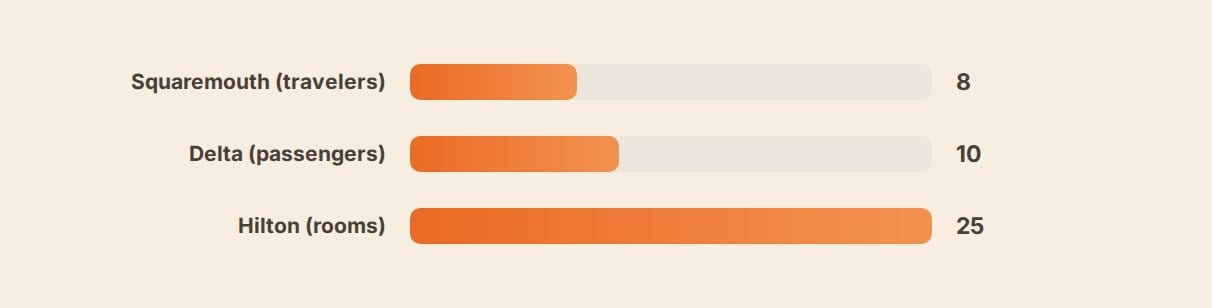
| 8 путешественников | Появляется возможность оформить единый групповой полис: Squaremouth предлагает групповые планы для 8 и более путешественников, требуя, чтобы все они были резидентами США и направлялись в одни и те же места в те же даты. При меньшем числе участников каждый страхует поездку индивидуально | Squaremouth |
| 10 пассажиров | «Группа состоит из 10 или более пассажиров, путешествующих вместе как минимум на одном общем сегменте перелета», при этом депозит по контракту может быть аннулирован | Delta |
| 25 номеров | Заканчивается самостоятельное онлайн-бронирование: «до 25 номеров онлайн» | Hilton |
Правило Delta бьет больнее всего: отмените все места после даты использования по контракту, и весь депозит сгорает. У страховки при количестве участников менее 8 тоже есть подвох, поскольку путешественники по одному полису для одиночной поездки должны совпадать по датам, маршруту и штату проживания. В любом случае сначала узнайте, что на самом деле покрывает туристическая страховка.
Комнаты - это момент, когда группа перестает быть абстракцией. Права на принятие решений появляются до первого настоящего спора.
Права на принятие решений: два вопроса
Назовите человека, разрешающего споры, до того, как возникнет спор, и дедлайн до того, как он кому-то понадобится. Без этих двух пунктов организатор становится злодеем каждый раз, когда чье-то мнение отклоняют.
13. Когда мы не можем прийти к согласию, кто принимает решение: я, голосование большинства или тот, кто это предложил?
Наше мнение, и оно непопулярно: решение принимает организатор. Тот, кто держит депозит, несет и все риски, а голосование большинства позволяет четырем людям тратить деньги пятого.
14. Каков ваш дедлайн для ответа да? После этой даты я бронирую с теми, кто уже заплатил
Самый ценный вопрос в этом наборе. Привяжите его к тому, как люди бронируют на самом деле. Компания YouGov опросила 1 155 взрослых американцев в августе 2024 года и выяснила, что 46% бронируют летний отель и билеты за 1-3 месяца до отправления, а 26% - менее чем за месяц. Ваш дедлайн должен закончиться до открытия этого окна, а не внутри него. Установите срок в четыре месяца, и у тех, кому нужно копить, будет время; установите в шесть недель, и вы требуете депозит с человека, который еще даже не заглядывал в банковское приложение. Для дружеской компании, которая борется за билеты наперегонки, дату диктует календарь. В противном случае вы назначаете ее сами, причем заранее.
Установите дедлайн раньше, чем это кажется необходимым. Отчет Expedia Group за третий квартал 2025 года (охватывающий второй квартал) показывает увеличение числа поисковых запросов на 20% квартал к кварталу в окне планирования от 0 до 13 дней, что, как отмечает Expedia, соответствует сезонным изменениям. Один квартал - еще не тренд, но это вектор движения, который совпадает с наблюдениями организаторов. Ваша компания будет тянуть до последнего, если дата не остановит этот процесс.
Затем выходите из чата. Инструменты, созданные для групповых поездок (включая TripProf), показывают, кто и сколько кому должен в разных валютах - именно с этим таблицы справляются хуже всего. Мы сравнили их в материале о лучших приложениях для планирования групповых поездок в 2026 году с разбором функций.
Первые четырнадцать вопросов охватывают то, о чем вы догадываетесь переживать. Последние два - то, о чем нет.
Критические условия: два вопроса
Последние два вопроса предполагают свободный ответ текстом, и вы читаете каждый из них.
15. Что сделает эту поездку провальной для вас?
Единственный вопрос, который надежно выявляет то, о чем никто не догадался спросить: человеку нужен тихий дневной отдых, кто-то едет ради конкретного ресторана, а кто-то не может себе этого позволить, но так и не решился признаться.
16. Если вы сойдете с дистанции после бронирования, ваша доля не возвращается?
Процитируйте реальные условия прямо в вопросе. Как только человек их прочитал и написал «да», разговор о недостающей сумме опирается на договоренность, а не застает друга врасплох.
| Условия (по состоянию на сентябрь 2026 г.) | Сроки отмены | Источник |
|---|---|---|
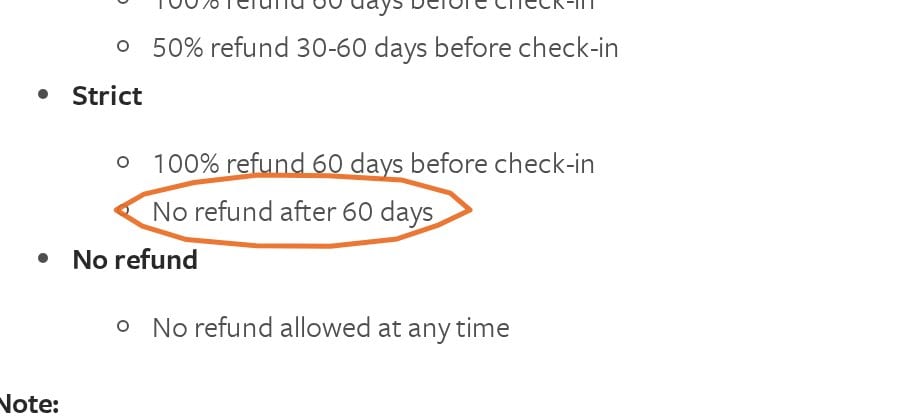
| Vrbo, строгие (Strict) | 100% возврат за 60 дней до заезда, после 60 дней возврата нет | Vrbo |
| Vrbo, фиксированные (Firm) | 100% возврат за 60+ дней, 50% возврата за 30-60 дней, ничего при отмене менее чем за 30 дней | Vrbo |
| Airbnb, фиксированные (Firm) | Отмена с полным возвратом средств включая налоги возможна до 30 дней до заезда | Airbnb |
| Airbnb, умеренные (Moderate) | Полный возврат средств возможен до 5 дней до заезда | Airbnb |
Сопоставьте эти правила Vrbo с окном бронирования по данным YouGov, и 60-дневный рубеж превратится в подброшенную монетку. Бронируете за 90 дней - объект со строгими правилами все еще вернет вам деньги полностью в течение следующего месяца. Бронируете за 45 - деньги сгорают в ту же секунду, когда вы говорите «да». Для тех 26%, кто бронирует менее чем за месяц, никакого временного окна не существовало вовсе. Именно поэтому вопрос № 16 отправляется до внесения депозита, а не после него.
help.vrbo.com · 09.09.2026
Пример из практики: шесть друзей, один дом на пляже
Примените это к знакомой вам ситуации. Приведенные ниже цифры вымышленные, но сам паттерн повторяется из раза в раз.
- Бюджетные пределы: $900, $1 100, $1 200, $1 200, $1 500 и одно пустое поле. Пустое поле требует ответа. Этому человеку отправляется личное сообщение.
- Тест на 20% превышения уничтожает поездку, которую вы планировали. Все цифры здесь даны на человека. При сумме $1 440 с каждого двое участников с самыми низкими бюджетами выбывают, поэтому вы выбираете дом за $1 080: ровно на 20% выше самого скромного предела в группе - это самая дорогая поездка, на которую согласились абсолютно все. На первой неделе, а не на восьмой.
- Двое участников вносят предоплату своей картой, возврат оформляется при бронировании. Каждый берет на себя половину суммы, и для обоих прописана дата, а не надежда на лучшее.
- Ответы по темпу охватывают диапазон от 8:00 до 10:30 утра. В итоге вы бронируете жилье в 10 минутах от города, а не в 40.
- Численность держится на отметке в шесть человек, после чего кто-то интересуется насчет пары. Семь человек укладываются в каждый из указанных выше лимитов. Девять - уже нет.
Источник данных: squaremouth.com, delta.com, hilton.com
Ответы о проблемах - это то, где анкета окупает себя полностью. Один участник пишет: «Если мы будем устраивать большой общий ужин каждый вечер, я разорюсь». Это превращается в решение: два общих ужина, остальные дни - каждый платит сам за себя.
Скопируйте и отправьте: полный шаблон из 16 вопросов
Скопируйте этот шаблон в групповой чат, письмо или конструктор анкет. Замените N на продолжительность вашей поездки, а дату в вопросе № 14 - на реальную. Вставьте в вопрос № 16 актуальные правила отмены выбранного вами объекта. Не используйте 60-дневный пример из таблицы выше: это строгие правила Vrbo, и большинство объектов им не соответствуют.
- Какова максимальная стоимость этой поездки для вас, со всеми расходами (перелеты, жилье, еда, развлечения, кофе в аэропорту)? Назовите одно число, а не диапазон.
- Если реальная сумма окажется на 20% выше, вы в деле или выбываете? Отвечайте сейчас.
- Готовы ли вы оплатить жилье своей картой? Если да, то когда вам вернуть деньги: до бронирования, в момент бронирования или по прибытии?
- Какие из этих расходов делятся поровну, а какие оплачиваются самостоятельно: продукты, ужины в ресторанах, аренда машины, развлечения, чаевые, один большой общий ужин?
- Есть ли в этой поездке что-то, от чего вы бы предпочли отказаться, лишь бы не платить?
- Даты вашего жесткого НЕТ и даты вашего жесткого ДА. Два отдельных списка.
- Сколько дней отпуска вы можете взять и согласованы ли они уже?
- В обычный день поездки во сколько вы хотите выходить и во сколько заканчивать программу?
- Из наших N дней сколько вы хотите запланировать полностью, а сколько оставить совершенно свободными?
- Вы делите комнату? Кровать? С кем именно (назовите имя)? Какие у вас есть требования к комнате?
- Если комнаты неравноценны, мы считаем стоимость на человека или за комнату?
- Сколько участников вы учитываете, включая нас, и берете ли вы с собой партнера или спутника (+1)?
- Когда мы не можем прийти к согласию, кто принимает решение: организатор, голосование большинства или тот, кто это предложил?
- Ваш дедлайн для ответа да - [дата]. После этой даты я бронирую с теми, кто уже заплатил. Подтвердите, что вы видели эту дату.
- Что сделает эту поездку провальной для вас?
- Если вы сойдете с дистанции после бронирования, согласны ли вы с тем, что ваша доля не возвращается? (Правила отмены нашего жилья, скопированные дословно: [вставьте текст с сайта объекта].) Ответьте да или нет.
Как отправить анкету так, чтобы это не выглядело как контракт
Добавьте к анкете четыре вводных предложения, и она перестанет восприниматься как повестка в суд. Вопросы сформулированы прямо неслучайно; текст вокруг них - это как раз то, что позволяет вам остаться другом, а не руководителем проекта.
Три правила для сопроводительного текста. Объясните, зачем вы спрашиваете, обозначьте груз ответственности, который вы на себе ведете, и установите срок действия анкеты. Никогда не извиняйтесь за нее, потому что извинение говорит девяти людям, что вопросы необязательны.
Разместите этот текст перед списком:
«Прежде чем вносить депозит со своей карты, я хочу сделать все правильно, поэтому вот 16 коротких вопросов. На большинство можно ответить одним словом. Никто чужих ответов не увидит, кроме меня, и я не собираюсь спорить ни с одним из них. Дедлайн - [дата], после чего я бронирую с теми, кто уже внес оплату».
Затем отправляйте анкету в виде формы, а не просто сообщения: для этого подойдет любой бесплатный сервис опросов. Форма делает ответы конфиденциальными, а конфиденциальность - это главная причина, почему люди называют честные суммы. Двое участников все равно ответят «гибкие!» в чате. Напишите им лично, задайте единственный самый важный для вас вопрос и идите дальше. А когда придут ответы, сделайте то, что ничего вам не стоит, но дает максимум пользы: ответьте каждому человеку лично, подтвердив то, что он написал. Сумма, которую никто не зафиксировал - это сумма, от которой человек позже может отказаться со словами, что он ее не называл.
Где эти советы не работают
Шестнадцать вопросов - перебор для некоторых поездок, а их рассылка в таких случаях делает вас похожими на руководителя проекта, а не на организатора отдыха выходного дня. Вот четыре случая, когда список стоит сократить.
- Трое или четверо друзей, которые уже путешествовали вместе раньше: спрашивайте только бюджетный предел, списки дат, дедлайн и вопрос о невозвратных средствах
- Поездка стоимостью менее $400 на человека: затраты на координацию превышают рискующие деньги
- Поездка, полностью оплачиваемая одним человеком в качестве подарка: здесь нет общих расходов для согласования
- Юбилейная поездка, где виновник торжества не является плательщиком: вопросы направляются группе, а не человеку, которого чествуют
Последний сценарий встречается часто: по данным AAA и Bread Financial, 76% респондентов планируют поездки вокруг важных жизненных вех, таких как дни рождения, свадьбы, годовщины и прочие праздники, причем торжества создают наибольшее финансовое давление среди всех форматов. Опрос Trustpilot 2023 года среди 2 000 американцев показал, что средний американец потратил $1 326 на посещение одной мальчишник или девичника за последние пять лет, причем 38% были приглашены на тусовку, которую не могли себе позволить. Опрос LendingTree 2022 года среди 2 168 потребителей в США показал, что 56% членов свадебной процессии чувствовали давление из-за необходимости потратить больше, чем они могут себе позволить. Организуете такую поездку? Начните с руководства о том, как спланировать девичник, который по карману каждому.
Этот набор также предполагает единую базу. Для многоплановых поездок по нескольким городам вопросы о темпе и жилье нужны для каждого этапа, потому что каждый переезд съедает полдня. Для этого существует отдельный подход к планированию поездок по разным городам с семьей и друзьями.
Часто задаваемые вопросы
Какие вопросы нужно задать перед планированием групповой поездки?
Сначала деньги: общий предел расходов, реакция на превышение на 20%, кто вносит депозит, что делится поровну и от чего готовы отказаться. Затем даты, темп, комнаты, лицо для разрешения споров и дедлайн. Правило важнее самого чек-листа: каждый вопрос должен требовать конкретное число, имя или дату.
Что делать, если кто-то отказывается от поездки после бронирования?
Сначала проверьте правила отмены - они определяют масштаб проблемы. Строгие правила Vrbo не возвращают ничего при отмене менее чем за 60 дней до заезда, жесткие правила Airbnb устанавливают границу в 30 дней. Если на вопрос № 16 был получен письменный ответ, выбывший участник оплачивает свою долю. Если нет, этот груз ложится на плечи организатора.
За сколько времени до поездки стоит планировать групповое путешествие?
Рассылайте анкету за 4-6 месяцев до старта, а дедлайн ответов назначайте примерно за 3 месяца до выезда. Исследование YouGov показало, что 46% опрошенных путешественников бронируют летние отели и билеты за 1-3 месяца, а 26% - менее чем за месяц до поездки, поэтому все, что отправлено раньше, просто игнорируют. Работу делает дедлайн, а не большой запас времени.
Какое количество людей считается слишком большим для групповой поездки?
Универсального ограничения нет, но существуют реальные пороги. При 8 путешественниках становится доступна групповая туристическая страховка, при 10 пассажирах авиакомпании переводят вас на групповой контракт с невозвратным депозитом, при 25 номерах отели прекращают принимать онлайн-бронирования.
Как справедливо разделить расходы в групповой поездке?
Категория за категорией, еще до бронирования. Жилье делится по номерам, если комнаты разные, и поровну на человека, если они одинаковые. Продукты и один общий праздничный ужин оплачиваются поровну, остальное - каждый платит сам за себя. Несправедливое разделение возникает тогда, когда бюджеты обсуждают уже после того, как все потратили по-разному.
Как выбрать направление, если каждый хочет чего-то своего?
Не устраивайте голосование по направлениям в первую очередь. Соберите бюджетные пределы и списки дат, после чего предложите два-три варианта, которые подходят под оба критерия; наша подборка направлений для групповых поездок с реальными бюджетами на человека - отличный список для выбора. Голосование, проведенное до того, как стал известен бюджет, всегда выбирает самое дорогое место, за которое громче всех выступал самый настойчивый участник.
Главные выводы
- Замените каждое прилагательное числом, именем или датой. Слова «гибкий», «на расслабоне», «как получится» и «около $2k» разрушают групповые поездки.
- Деньгам посвящены пять из шестнадцати вопросов. Опрос CIT Bank и Harris Poll показал, что 45% путешественников в группах уже сталкивались с финансовыми конфликтами, а 82% готовы переплатить, лишь бы не спорить.
- Дедлайн работает эффективнее остальных пятнадцати пунктов. Фраза «После этой даты я бронирую с теми, кто уже заплатил» сдвигает застопорившийся чат к реальному бронированию.
- Знайте пороговые значения численности до того, как кто-то приведет спутника (+1). 8 путешественников открывают доступ к групповой страховке, 10 пассажиров активируют групповой контракт авиакомпании, 25 номеров закрывают возможность самостоятельного бронирования.
- Храните ответы там, где их видит не только чат. Сохраняйте шестнадцать ответов в форме или документе, где вы их собирали, а саму поездку, даты, список вещей и учет расходов тех, кто и за что заплатил, держите в месте, доступном всей группе. Сервис TripProf справляется со второй задачей, как и несколько альтернатив, достойных сравнения.
Отправьте анкету на этой неделе. Чем раньше вы зададите эти вопросы, тем дешевле они вам обойдутся; как только депозит внесен с карты, у каждого ответа появляется своя цена.
Источники
- CIT Bank / Harris Poll (июнь 2026 г.): опрос о «налоге на мир»
- Experian (проведен в июне 2025 г.): финансовый стресс среди друзей
- AAA и Bread Financial (январь 2026 г.): прозрачность бюджетов
- Deloitte (проведен в апреле 2026 г.): расходы на летние путешествия
- Numerator: попутчики для летних путешествий 2026 года
- Airbnb (ноябрь 2017 г.): предварительная оплата и возвраты
- Bread Financial (май 2024 г.): займы между друзьями
- YouGov (проведен в августе 2024 г.): окна бронирования в США
- Expedia Group (август 2025 г.): поисковые окна, отчет за III квартал 2025 г. по данным II квартала
- Trustpilot (июнь 2023 г.): расходы на мальчишники и девичники
- LendingTree (май 2022 г.): траты участников свадебных процессий
- Delta Air Lines: определение группы, удержание депозита
- Vrbo: варианты правил отмены бронирования
- Airbnb: правила отмены бронирования жилья
- Squaremouth: критерии участия в групповом страховании
- Squaremouth: ограничения для индивидуальных поездок
- Hilton: ограничения на онлайн-бронирование групп
Продолжайте читать
Другие советы и путеводители, подобранные для вас

Сколько на самом деле стоит поездка на День друзей и как разделить расходы по-честному
Восемь друзей, один загородный дом и длинные выходные перед Днем благодарения: вот реальная стоимость поездки на человека и простой способ разделить расходы без лишних обид.

Сколько штатов вы посетили? Реальный ответ одного пенсионера (и как узнать свой)
58-летний пенсионер впервые закрашивает свою карту США и получает совсем не ту цифру, которую ожидал. Реальная статистика YouGov, честные ограничения и способ отслеживать собственный список посещенных штатов.

Как собрать друзей на Гластонбери 2027
Система главного покупателя, окно регистрации и реальные расходы компании из четырех человек на прошлых продажах. Практический план, как попасть с друзьями на Гластонбери 2027 и никого не потерять в процессе.