As Melhores Cidades-Sede da Copa do Mundo Feminina de 2027 e Por Que o Rio é a Base Errada
Pontos principais
- 1
- 2
- 3
+3 mais no resumo final
Você tem quatro amigos, uma planilha com oito nomes de cidades brasileiras e um grupo no WhatsApp que discute sobre hotéis desde março. Todo mundo quer ver a final. Ninguém quer passar três semanas fazendo escalas no aeroporto secundário do Rio para uma conexão que costumava ser uma caminhada de dez minutos. Há um jeito melhor de montar essa viagem, e ele começa escolhendo a cidade-sede errada para se hospedar.
A FIFA confirmou todas as 8 cidades-sede brasileiras para a Copa do Mundo Feminina de 2027 (24 de junho a 25 de julho), e cada uma delas recebe pelo menos sete partidas, incluindo um jogo eliminatório. São Paulo, e não o Rio, é a base mais inteligente: ela opera pelo aeroporto mais movimentado do Brasil e não tem histórico de picos de preços por causa da Copa do Mundo. Deixe o Rio de Janeiro para a abertura e a final, as duas partidas que só acontecem no Maracanã. Os ingressos ainda não estão à venda em setembro de 2026, e as regras de entrada mudam drasticamente conforme o passaporte, então resolva seu visto antes de reservar qualquer coisa não reembolsável.
As 8 cidades-sede
A FIFA cravou essas oito cidades em 7 de maio de 2025 e depois confirmou exatamente a profundidade de cada uma no torneio em 20 de agosto de 2026. Aqui estão elas, ordenadas pela profundidade no torneio, desde as cidades que recebem as partidas mais importantes até as quatro que ganham um jogo eliminatório e encerram sua participação.
- São Paulo - uma semifinal e a Disputa pelo Terceiro Lugar. Sua melhor base.
- Rio de Janeiro - a abertura, uma semifinal e a final. Voe para lá, não se mude para lá.
- Belo Horizonte - sede de quartas de final, a uma hora de voo do Rio.
- Fortaleza - sede de quartas de final e a cidade mais distante de todas as outras.
- Brasília - oitavas de final, a capital, sem praia.
- Salvador - oitavas de final, o coração afro-brasileiro da Bahia.
- Recife - oitavas de final, litoral deslumbrante, risco real de tubarões.
- Porto Alegre - oitavas de final, ainda se recuperando das enchentes de 2024.
Esse número "7+" é o que merece atenção. Ele vem direto do próprio comunicado da FIFA anunciando a tabela completa de 64 partidas: "Todas as oito Cidades-Sede sediarão pelo menos sete partidas, incluindo um mínimo de um confronto eliminatório." Ninguém vai ganhar uma vaga de sede como prêmio de consolação com dois jogos de grupos e um estádio silencioso pelo resto do verão.
Por que o Rio é a base errada (e o que realmente funciona)
Faça de São Paulo a base do seu grupo, e não do Rio. Voe para o Rio para as duas partidas que não acontecem em nenhum outro lugar: a abertura em 24 de junho e a final em 25 de julho, ambas no Maracanã, e depois voe de volta para casa a partir de onde você começou.
Esta é a versão desse argumento que você vai ver em todo lugar: o Rio sedia mais partidas do que qualquer outro, então ficar baseado lá significa menos deslocamentos para o seu grupo. Isso está errado. A tabela da FIFA, publicada em 20 de agosto de 2026, dá a São Paulo uma semifinal e a Disputa pelo Terceiro Lugar, a mesma profundidade de torneio que a semifinal do Rio. Tire a abertura da conta (é uma partida festiva de estreia, não um jogo eliminatório), e a final é o único jogo da fase eliminatória que não tem equivalente em São Paulo. A ideia de que o Rio acapara os grandes jogos não sobrevive ao contato com a tabela real de partidas.
Então, por que evitar o Rio como base? Por dois motivos, e nenhum deles tem a ver com o futebol.
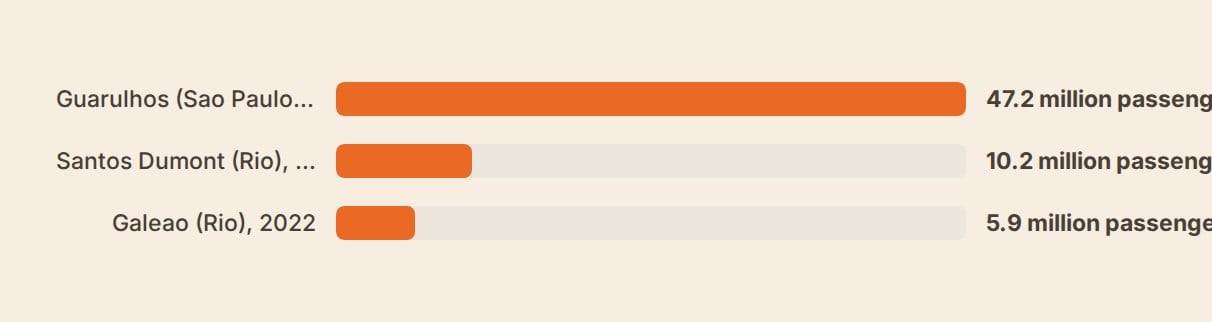
Os aeroportos não se entendem. O Rio divide seu tráfego aéreo entre dois campos: Galeão (GIG), o internacional, e Santos Dumont (SDU), uma pista no centro da cidade restrita a voos domésticos que, desde 2022, chegou a movimentar mais passageiros do que o Galeão. O resumo da Wikipedia sobre o tráfego aéreo do Rio aponta o Santos Dumont com aproximadamente 63% do tráfego aéreo da Grande Rio naquele ano, 10,2 milhões de passageiros contra os 5,9 milhões do Galeão. Isso não é um hub, são dois meio-hubs disputando a mesma cidade.
São Paulo não tem esse problema. Guarulhos (GRU) é o maior aeroporto do Brasil e da América Latina, e acabou de registrar 47,2 milhões de passageiros em 2025, alta de 8% em relação ao ano anterior, conforme a mesma entrada da Wikipedia. Ele se conecta sem escalas a 116 aeroportos em 30 países, segundo dados de setembro de 2026, quase o dobro dos 58 do Galeão. Se o seu grupo está desembarcando de quatro países diferentes e depois pulando para duas ou três cidades-sede, São Paulo é o aeroporto que faz o plano dar certo na prática.
O Rio também tem um histórico de picos de preços, e isso não é só uma relíquia de 2014. Durante a Copa do Mundo masculina de 2014, uma noite no Rio custava em média £173, subindo para £194 nos dias de jogos, de acordo com a imprensa especializada em hotelaria que cobria o evento na época (Hospitalitynet). Mais recentemente: durante o Carnaval de fevereiro de 2026, a tarifa média diária dos hotéis no Rio saltou 49,4% em relação ao ano anterior, de acordo com dados da CoStar/STR divulgados pelo Hotel Online, com a taxa de ocupação municipal do mês atingindo 80,1% e pico de 93,7% no domingo de Carnaval mais movimentado, segundo os mesmos dados da CoStar. Nada garante que a Copa do Mundo de 2027 vá repetir exatamente cada pico. Nada garante que não vá, tampouco, e o Rio é agora a única das oito cidades-sede que carrega dois exemplos recentes e separados do mesmo padrão.
- O aeroporto mais movimentado do Brasil, com as melhores conexões de entrada e saída
- Nenhum histórico de pico de preços por causa da Copa do Mundo com que se preocupar
- Uma semifinal e a Disputa pelo Terceiro Lugar, a uma hora de voo do Rio
- Tráfego dividido entre dois aeroportos, sendo um deles exclusivo para voos domésticos
- A única cidade-sede com um padrão comprovado de disparada de preços
- Tudo o que o Rio oferece ainda fica a um curto voo de distância de uma base em São Paulo
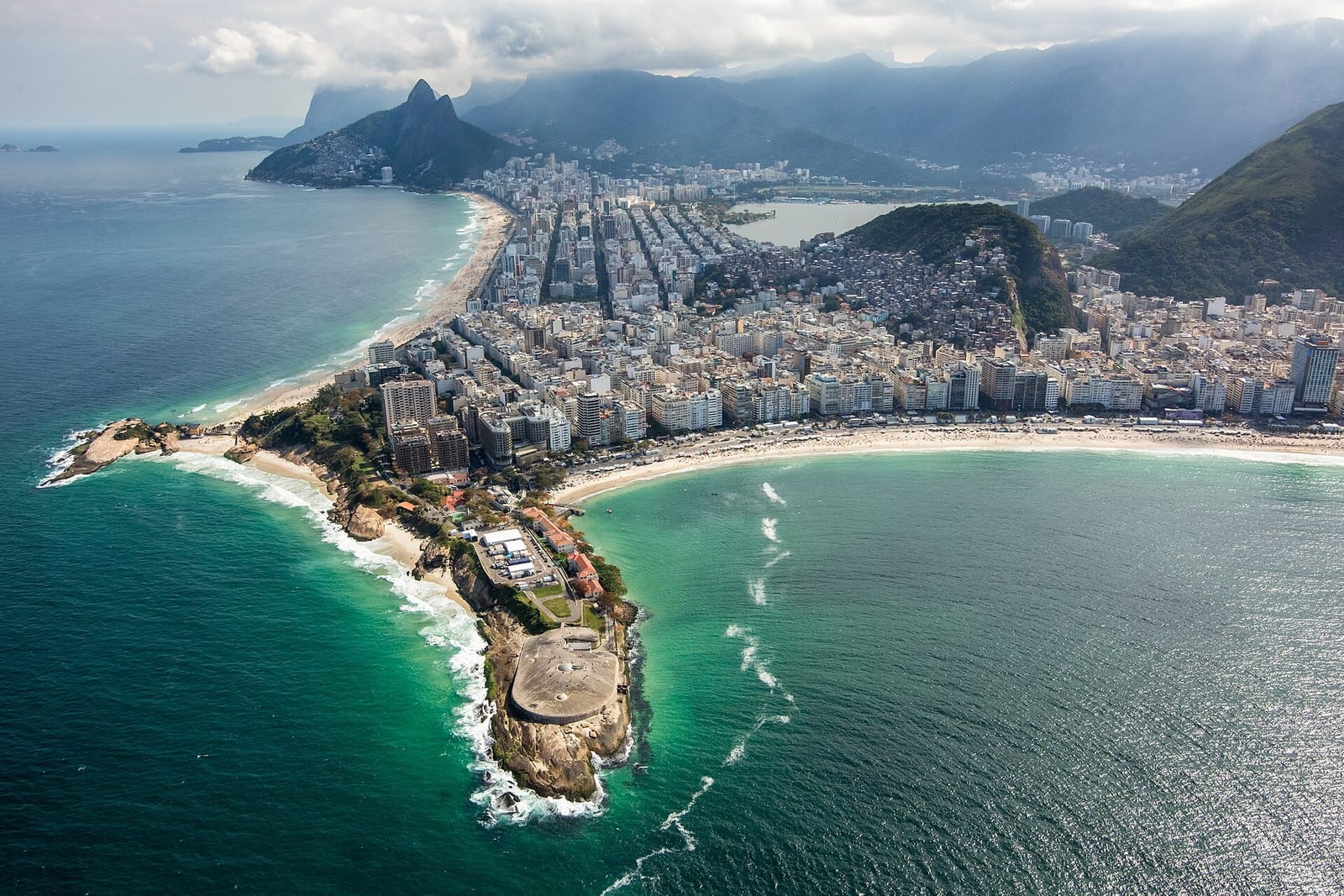
E nada disso significa pular o Rio. A abertura e a final só acontecem no Maracanã, e Copacabana na hora dourada continua sendo Copacabana. Significa apenas não dormir lá por três semanas quando você só precisa do lugar por duas noites. Nós seguimos a mesma lógica de roteiro para viagens de Carnaval dividindo o tempo entre o Rio e Salvador, e a conta se sustenta aqui também: escolha a cidade com o aeroporto melhor como sua âncora, e trate qualquer outra cidade-sede como um bate-volta ou um desvio curto.
Se o seu grupo está tentando juntar São Paulo com o Rio e talvez uma terceira cidade-sede em uma viagem coerente em vez de quatro reservas separadas, é exatamente para esse tipo de rota que uma ferramenta de planejamento de viagens multi-destino foi criada. A Visão Geral de Rotas do TripProf mapeia o roteiro inteiro em uma única tela e recalcula automaticamente se alguém decidir incluir Belo Horizonte na semana anterior ao seu voo. Ele não vai escolher o seu hotel. Mas vai impedir que o chat do seu grupo fique rediscutindo a ordem das cidades pela quarta vez. Para a versão mais ampla dessa questão, escrevemos separadamente sobre quantas cidades são demais para uma única viagem.
1. São Paulo: Semifinal, Disputa pelo Terceiro Lugar e sua Melhor Base
São Paulo sedia uma semifinal e a Disputa pelo Terceiro Lugar na Neo Química Arena (capacidade para 48.905 pessoas), e opera através do aeroporto com as melhores conexões do país. Essa combinação é o motivo de liderar esta lista.
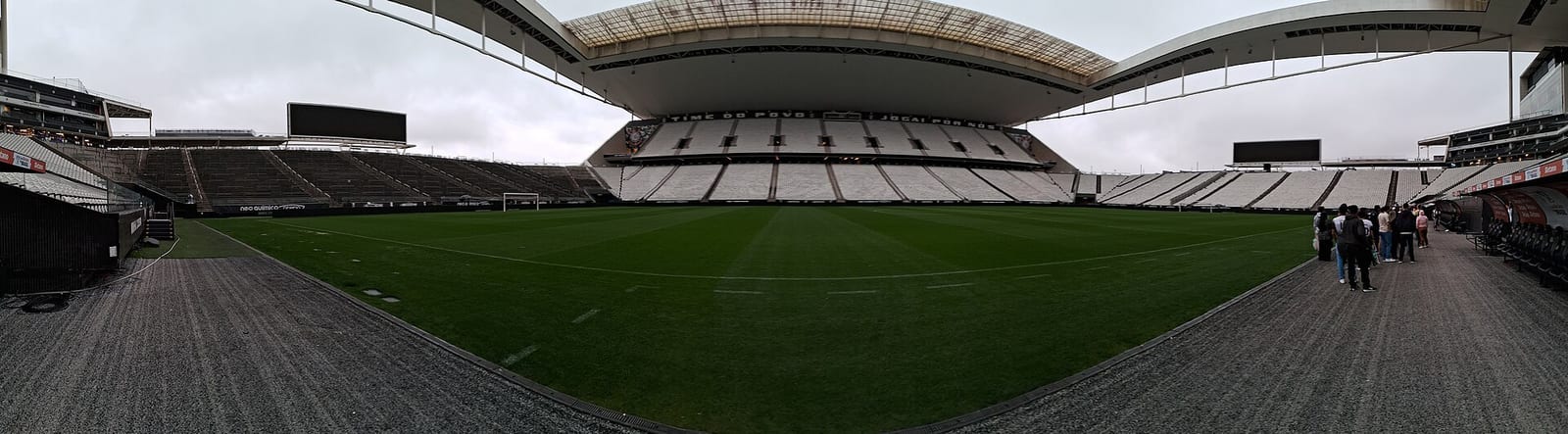
Foto: FotografoWallacyFerrari · CC BY 4.0, via Wikimedia Commons
Guarulhos movimentou 47,2 milhões de passageiros em 2025, um salto de 8% em relação ao ano anterior, e tem voos diretos para 116 aeroportos em 30 países. Nenhuma outra cidade-sede brasileira chega perto disso. Os custos de hotelaria ainda não foram tabelados para 2027 por ninguém, mas São Paulo é uma cidade de viagens de negócios o ano todo, e esse tipo de oferta hoteleira costuma absorver o público de um torneio de forma mais suave do que um destino de lazer.
Vá no fim de junho, e não no fim de julho. Julho registra médias de 23,2°C durante o dia e 13,4°C à noite, fresco o bastante para você querer um casaco depois que o sol se põe, e o período entre junho e agosto é o menos chuvoso do ano na cidade.
A desvantagem sincera: São Paulo é uma metrópole espalhada e cheia de trânsito, sem nenhum cartão-postal de praia como o Rio. Você não vai se apaixonar pelo horizonte de prédios. Você vai é dar valor ao aeroporto às 6h da manhã, quando seu voo para a próxima cidade-sede de fato sair no horário.
Pule esta base se: você não for se deslocar entre cidades-sede de jeito nenhum, e cada partida do seu roteiro acontecer no Rio.
2. Rio de Janeiro: A Abertura e a Final, Não o Seu Endereço
O Rio sedia a partida de abertura em 24 de junho e a final em 25 de julho, ambas no Estádio do Maracanã, partidas que não existem em nenhum outro lugar neste torneio, além de uma semifinal que empata com a de São Paulo em termos de importância. A abertura e a final são o único motivo para estar lá. Nenhuma delas é motivo para morar lá por três semanas.
O Maracanã comporta 73.139 pessoas, sendo confortavelmente o maior dos oito estádios. Um ingresso para a final será o ingresso mais difícil do torneio assim que as vendas abrirem (veja o cronograma abaixo). Um quarto de hotel também não vai sair barato. Da última vez que o Rio sediou uma Copa do Mundo, as diárias custaram em média £173, subindo para £194 nos dias de jogos. Isso foi em 2014. Encare isso como um alerta, não como uma previsão, e reserve suas noites no Rio com antecedência de qualquer maneira.
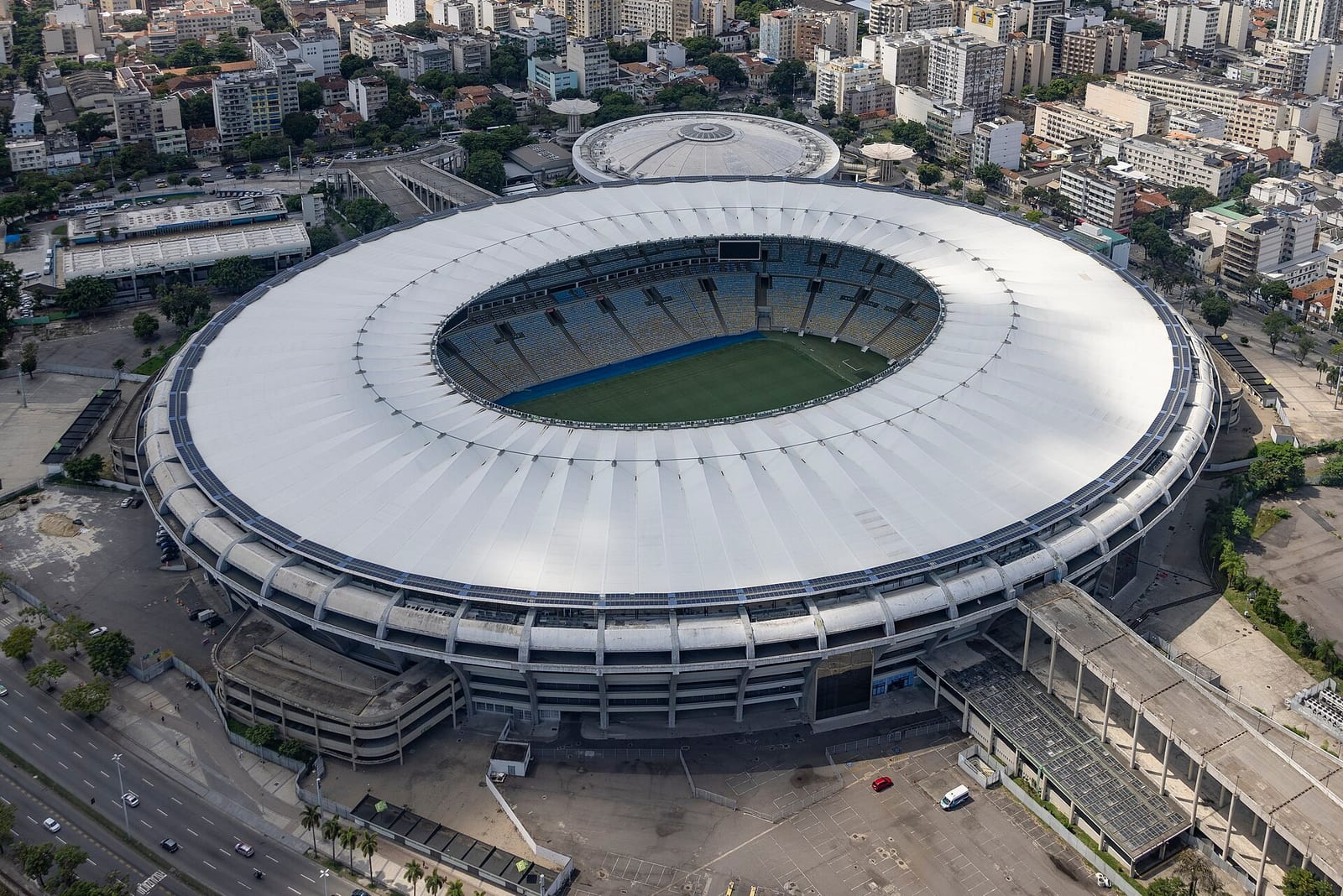
Foto: Arne Müseler · CC BY-SA 3.0 de, via Wikimedia Commons
Junho no Rio é genuinamente agradável. As máximas diurnas ficam em torno de 25°C a 26°C durante a estação seca, com chuvas modestas, cerca de 45 mm em junho, diminuindo para 40 mm em julho. É inverno pelos padrões brasileiros, mas de nenhum outro lugar.
A desvantagem, além do histórico de preços, é a mesma divisão de aeroportos mencionada antes: o Galeão para voos internacionais, o Santos Dumont (exclusivo para voos domésticos) no centro, e nenhum dos dois dominante o suficiente para fazer do Rio um hub de conexões simples.
Evite ficar por aqui se: seu grupo não for assistir à abertura ou à final presencialmente. Um bate-volta partindo de São Paulo cobre todo o resto que o Rio tem a oferecer a um turista de futebol.
3. Belo Horizonte: A Cidade das Quartas de Final a Uma Hora do Rio
Belo Horizonte sedia partidas até as quartas de final no Mineirão (capacidade para 66.658 pessoas), sendo uma das únicas duas cidades fora do Rio e de São Paulo a chegar tão longe no torneio, e fica a aproximadamente 1 hora de voo do Rio. Isso a torna a cidade-sede adicional mais fácil desta lista.
Os invernos por aqui são mais frescos que no litoral. As máximas ficam em torno de 25°C a 26°C, e as mínimas em torno de 14°C em junho e julho, o que é confortável para caminhar pelos bairros serranos da cidade sem derreter. A conectividade é o ponto de compensação. Apenas 5 companhias aéreas voam para cá, vindas de 71 aeroportos, com apenas uma rota direta ligando à Europa (TAP, via Lisboa) e aos EUA (Azul, via Orlando). Todo mundo faz conexão primeiro em São Paulo ou no Rio, o que reforça exatamente o argumento de se basear em uma dessas duas cidades.
O que você ganha com o desvio: Belo Horizonte é a porta de entrada para Ouro Preto e para as cidades históricas de mineração de Minas Gerais, oferecendo um Brasil genuinamente diferente do que as cidades de praia mostram, além de um clima de quartas de final sem a multidão ou os preços do Rio.
Pule esta opção se: seu grupo só tem tempo para uma única cidade-sede e praias importam mais do que arquitetura colonial. Belo Horizonte não tem litoral.
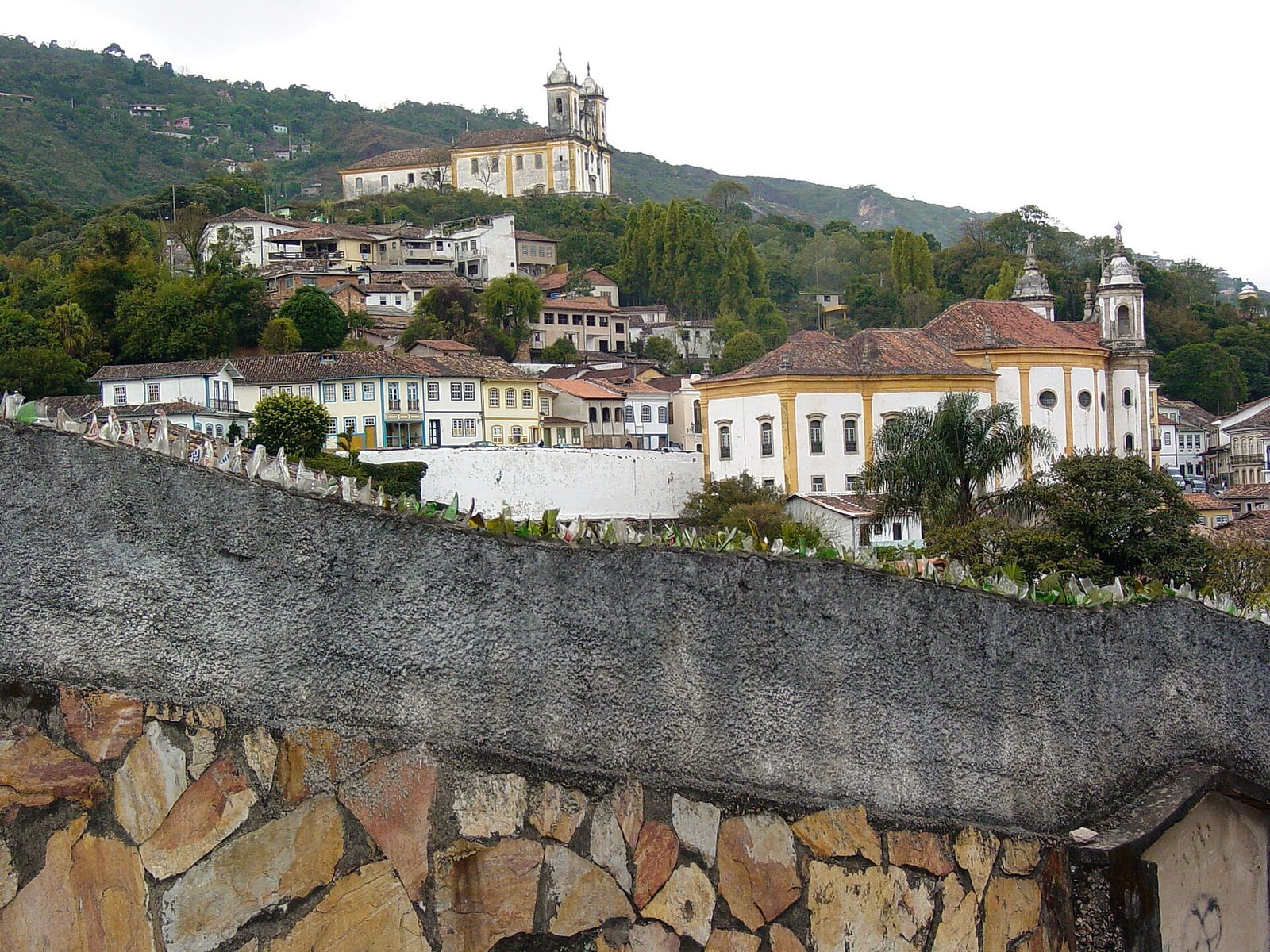
Foto: Adam Jones Adam63 · CC BY-SA 3.0, via Wikimedia Commons
4. Fortaleza: Sede de Quartas de Final e o Voo Mais Distante dos Oito
Fortaleza sedia partidas até as quartas de final na Arena Castelão (capacidade para 57.867 pessoas), mas chegar lá demora mais do que ir a qualquer outra cidade-sede desta lista. É de longe a mais isolada das oito. Programe um dia inteiro de viagem, e não uma conexão rápida.
O voo saindo do Rio dura cerca de 3 horas e 20 minutos, mais longo do que para qualquer outra cidade-sede. E quando você desembarca, junho e julho não trazem a estação seca que você encontraria em outras partes do Brasil. O volume de chuvas gira em torno de 140 mm em junho e 95 mm em julho, com as máximas diurnas estacionadas perto de constantes 30°C. Faça a mala para clima quente e ocasionalmente chuvoso, e não com o casaco leve que você usaria em São Paulo.
A recompensa pela distância, porém, é real. As praias de Fortaleza (Praia do Futuro, e Jericoacoara algumas horas mais adiante) estão entre as melhores do Brasil, e a cidade carrega uma verdadeira energia de quartas de final sem o peso dos preços do Rio ou de São Paulo.
Pule esta opção se: sua viagem foi desenhada em torno de saltar entre três ou quatro cidades-sede. A distância de Fortaleza em relação ao resto a torna uma escolha ruim para um roteiro em raio-X, funcionando melhor como uma parada isolada antes ou depois do resto da sua viagem.
5. Brasília: Oitavas de Final em uma Cidade Desenhada para Carros
Brasília sedia jogos até as oitavas de final no Estádio Nacional (capacidade para 69.910 pessoas), o segundo maior estádio do torneio, em uma cidade projetada do zero em 1960 que ainda mantém esse aspecto.
O tempo de voo a partir do Rio leva cerca de 2 horas, e a estação seca por aqui é a mais seca de todas as cidades-sede: aproximadamente 5 mm de chuva por mês em junho e julho, com céus ensolarados e máximas diurnas perto de 27°C. Se o seu grupo odeia ter planos ao ar livre cancelados pela chuva, esta é a aposta mais segura da lista.
A desvantagem de Brasília é estrutural, e não sazonal. A cidade foi planejada ao redor de ministérios governamentais e avenidas largas, e não de pedestres, então ir do seu hotel, passar pelo estádio e chegar a qualquer lugar que valha a pena comer geralmente exige um carro ou aplicativo de transporte. Não há praia e, francamente, tampouco muito de um centro histórico. É uma cidade de monumentos, e monumentos não exigem três dias. Uma vantagem dessa falta de apelo praiano: as tarifas de hotéis por aqui nunca carregam o sobrepreço que o Rio ou uma cidade-sede litorânea cobram durante um grande evento.
Pule esta opção se: a acessibilidade a pé importa para o seu grupo, ou se você espera uma vida noturna além de um shopping center. Brasília recompensa uma visita focada de um ou dois dias em torno da sua partida, e não uma estadia prolongada.
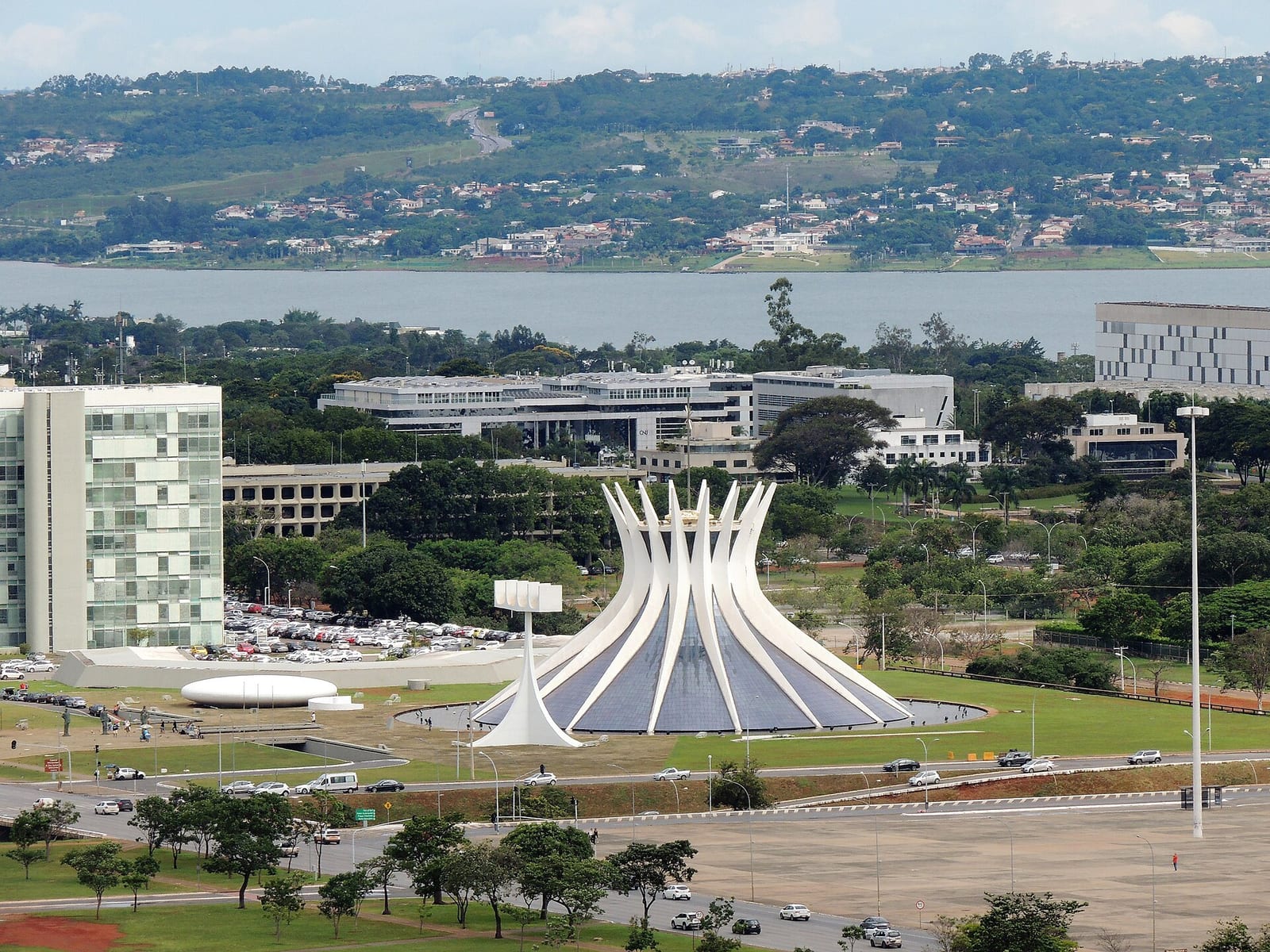
Foto: Sintegrity · CC BY-SA 4.0, via Wikimedia Commons
6. Salvador: Oitavas de Final com Cultura Afro-Brasileira Real
Salvador sedia partidas até as oitavas de final na Arena Fonte Nova (capacidade para 47.915 pessoas), sendo o argumento cultural desta lista: rodas de capoeira no Pelourinho, culinária afro-brasileira que você não vai encontrar da mesma forma em nenhum outro lugar do país, música ao vivo na maioria das noites da semana e tarifas de hotéis que ficam bem abaixo das do Rio durante qualquer grande evento.
Junho e julho costumam ser quentes e francamente chuvosos. As máximas ficam em média em 28,2°C em junho, caindo levemente para 27,7°C em julho, acompanhadas de chuvas reais, cerca de 225 mm em junho e 205 mm em julho. Leve uma jaqueta leve de chuva, e não uma pesada. Fica a cerca de 2 horas do Rio por via aérea.
A desvantagem real é a conectividade, e não o clima. Apenas 11 companhias aéreas atendem Salvador, vindas de 36 aeroportos do mundo todo, sem voos diretos dos Estados Unidos, Canadá ou de qualquer lugar fora da América do Sul e de um punhado de cidades europeias e centro-americanas. Se parte do seu grupo estiver voando da América do Norte, eles farão conexão em São Paulo ou no Rio de qualquer maneira.
Pule esta opção se: seu grupo precisa de um voo apertado e de conexão única. Todo mundo de fora da América do Sul passa por um hub maior de qualquer forma, então Salvador funciona melhor como uma parada dentro de uma viagem mais longa pelo Brasil, e não como um primeiro ponto de desembarque.
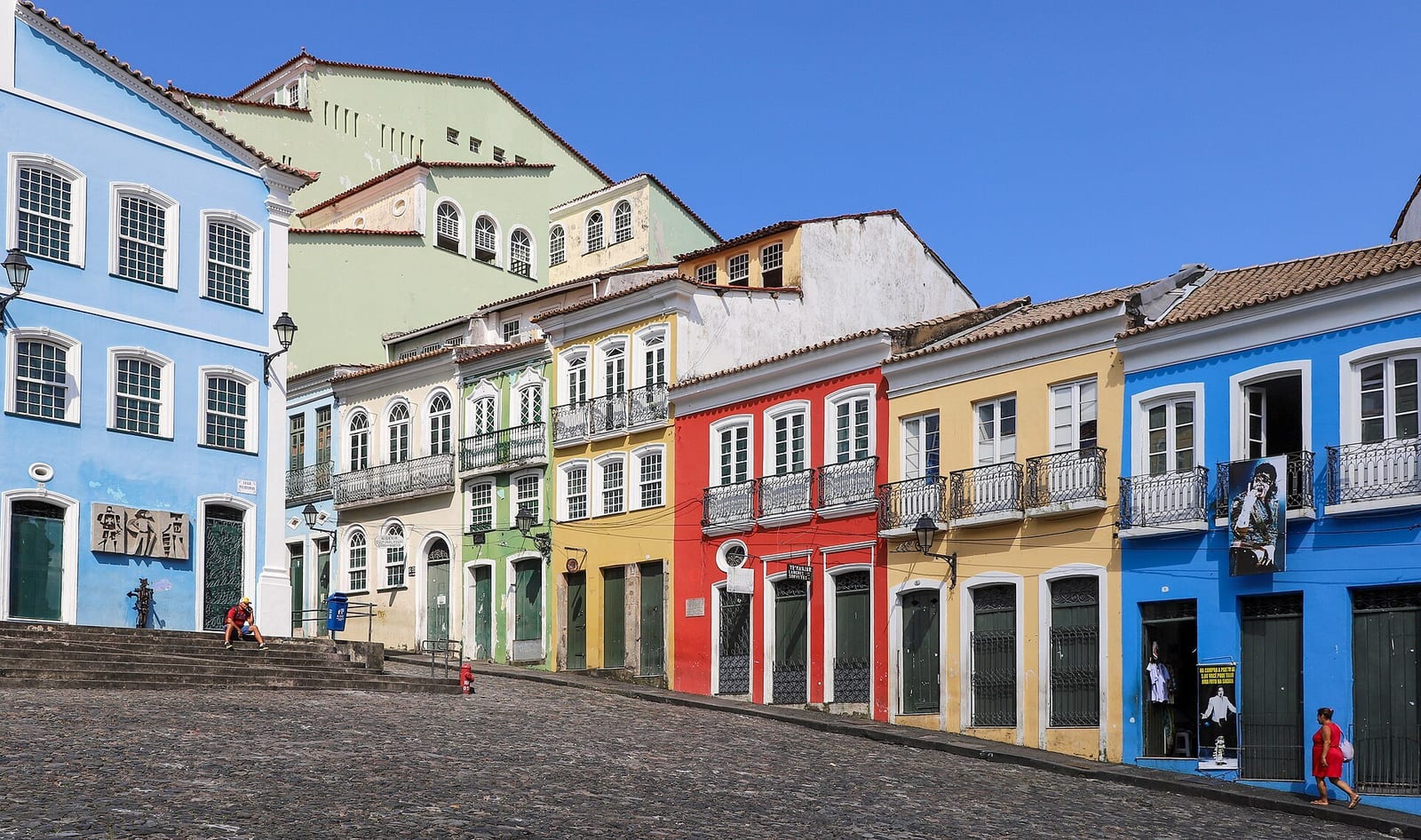
Foto: Paul R. Burley · CC BY-SA 4.0, via Wikimedia Commons
7. Recife: Oitavas de Final, Água Deslumbrante, Tubarões Reais
Recife sedia partidas até as oitavas de final na Arena de Pernambuco (capacidade para 45.440 pessoas), e fica ao lado de uma das praias urbanas mais marcantes do Brasil. Também tem um problema real e bem documentado com tubarões. Isso não é tática de terror. É detalhe de planejamento.
O litoral de Pernambuco ao redor de Recife, incluindo Boa Viagem e a vizinha praia de Piedade, registrou 84 incidentes com tubarões desde que o monitoramento oficial começou em 1992, segundo a reportagem da DIVE Magazine sobre um par de ataques ocorridos em 31 de maio e 1 de junho de 2026, nos quais a perna de um banhista foi arrancada. Esses dois casos vieram na sequência de um ataque anterior e fatal em janeiro de 2026, quando um menino de 13 anos foi morto por um tubarão em uma praia próxima em Pernambuco, conforme noticiou a CBS News. Nadar não é proibido em Boa Viagem, mas placas de aviso sinalizam a água ao longo da maior parte da praia, e os moradores locais preferem ficar nas piscinas naturais a nadar para além delas.
Em termos meteorológicos, junho e julho passam longe do período seco de Recife. O período menos chuvoso de Recife vai de outubro a janeiro, o que coloca as datas da sua viagem bem na metade mais chuvosa do ano. Portanto, prepare as malas para um clima úmido e pancadas de chuva rápidas e fortes, e não para o inverno seco que você encontraria em São Paulo ou Brasília. Fica a cerca de 3 horas do Rio de avião.
Além da praia, a desvantagem real de Recife para uma viagem de torneio é a mesma que Salvador tem: baixa conectividade internacional direta, então programe uma conexão por São Paulo, Rio ou um hub europeu. O ponto a favor em termos de custos: nada do histórico do Rio de picos de preços impulsionados por eventos.
Evite ficar hospedado aqui se: seu grupo incluir alguém que recuse ler uma placa de aviso de praia duas vezes. A cidade em si é segura e vale a visita. A água exige um conjunto de regras radicalmente diferente do que uma praia do Rio ou de Fortaleza pede.
8. Porto Alegre: Oitavas de Final, Ainda se Recuperando de 2024
Porto Alegre sedia jogos até as oitavas de final no Estádio Beira-Rio (capacidade para 50.848 pessoas), sendo a cidade-sede que carrega o desastre real mais recente em seu histórico: as enchentes de maio de 2024 que, de acordo com a reportagem da France24 um ano depois, mataram quase 200 pessoas e desalojaram meio milhão de pessoas em todo o Rio Grande do Sul.
O aeroporto está de volta. O Aeroporto Internacional Salgado Filho ficou fechado por aproximadamente seis meses após as enchentes e reabriu para voos comerciais em outubro de 2024, funcionando desde então.
Mas recuperação não é o mesmo que ser esquecido. Verifique as condições atuais antes de fazer reservas em vez de assumir que tudo voltou à normalidade pré-2024. O que não mudou: as tarifas de hotéis por aqui estão entre as mais baixas das 8 cidades-sede, ficando longe dos preços do Rio ou de São Paulo durante um grande evento.
É também a cidade-sede mais fria desta lista, por uma margem clara. Junho registra médias de 21,1°C de dia e 10,8°C à noite; julho cai para 20,4°C e 9,8°C, com cerca de 140 mm de chuva em cada mês - frio de verdade em vez de calor tropical, sendo essa a combinação que de fato altera o que você precisa colocar na mala. Se você arrumou as malas para o Brasil esperando shorts e chinelos, Porto Alegre é a cidade que estraga esse plano. O tempo de voo a partir do Rio dura cerca de 2 horas.
Pule esta opção se: você estiver em busca do Brasil clássico de cartão-postal, praias, calor e samba. Porto Alegre parece mais com a Argentina ou com o sul do Chile: cultura gaúcha, vinho tinto, carne assada e um clima que faz jus a isso.
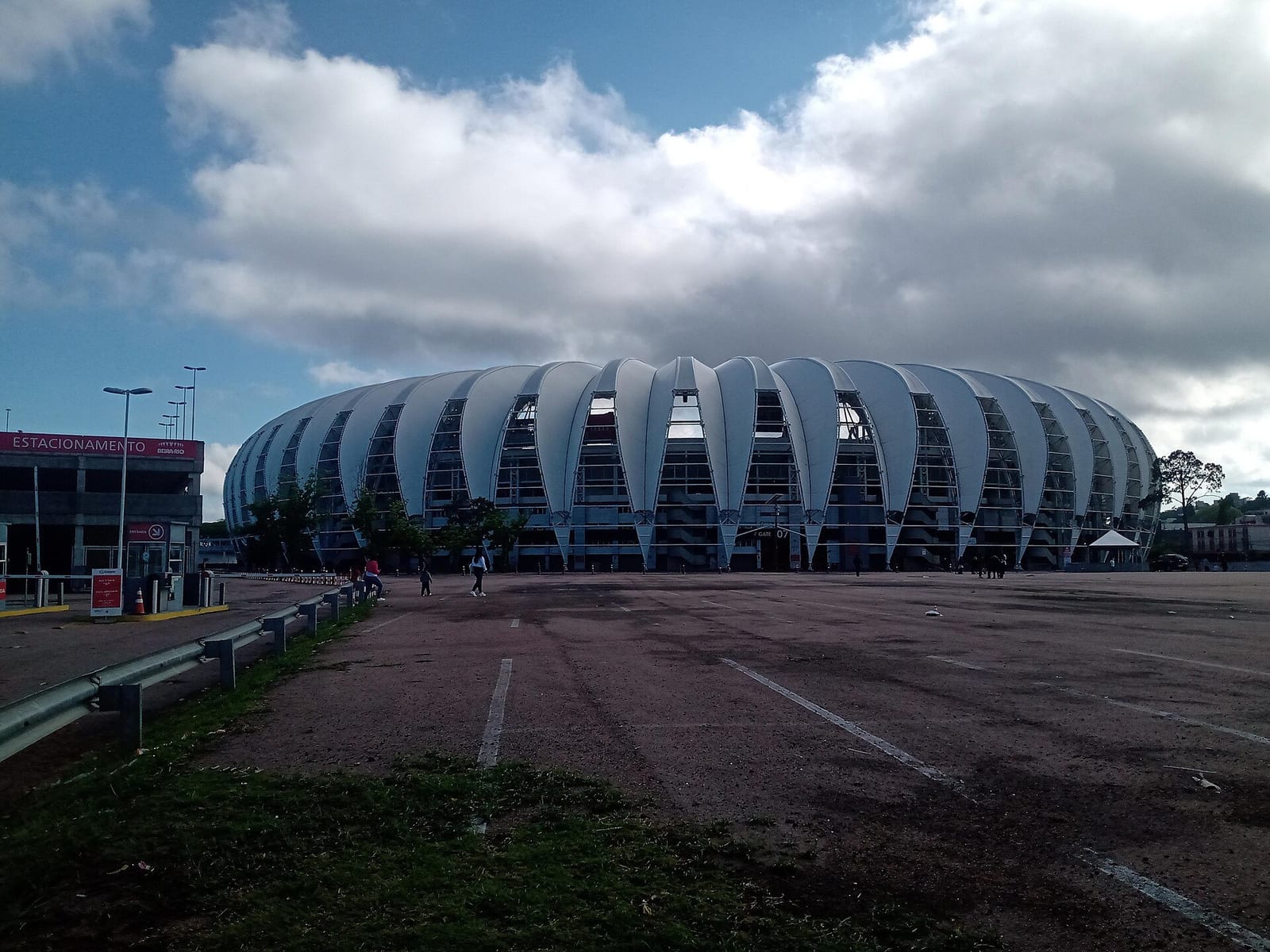
Foto: Hedestad · CC BY-SA 4.0, via Wikimedia Commons
As 8 cidades em um relance
Aqui estão a profundidade de cada cidade-sede no torneio, a capacidade do estádio, o tempo de voo a partir do Rio e a única coisa que vale a pena saber antes de reservar, lado a lado.
| Cidade | Fase mais avançada | Estádio (capacidade) | Voo a partir do Rio | Fique atento a |
|---|---|---|---|---|
| São Paulo | SEMIFINAL | Neo Química Arena (48.905) | Base principal | Trânsito, sem praia |
| Rio de Janeiro | ABERTURA + FINAL | Maracanã (73.139) | Base principal | Histórico de picos de preço em 2014 |
| Belo Horizonte | QUARTAS DE FINAL | Mineirão (66.658) | ~1h | Sem litoral, conectividade enxuta |
| Fortaleza | QUARTAS DE FINAL | Arena Castelão (57.867) | ~3h 20m | Mais isolada, época de chuvas |
| Brasília | Oitavas de final | Estádio Nacional (69.910) | ~2h | Dependente de carro, sem praia |
| Salvador | Oitavas de final | Arena Fonte Nova (47.915) | ~2h | Sem voos diretos para EUA/Canadá |
| Recife | Oitavas de final | Arena de Pernambuco (45.440) | ~3h | Avisos sobre tubarões na praia |
| Porto Alegre | Oitavas de final | Beira-Rio (50.848) | ~2h | A mais fria das 8, recuperação das enchentes de 2024 |
Considere a coluna da "fase mais avançada" como seu filtro de prioridades e a coluna "fique atento a" como seu veto. Uma cidade pode ir longe no torneio e ainda assim ser a escolha errada para o seu grupo, sendo o Rio o exemplo óbvio.
O tempo de voo e a profundidade no torneio são os dois números mais difíceis de questionar por aqui. A conectividade aeroportuária e o clima, os outros dois fatores por trás deste ranking, aparecem detalhados em cada entrada acima e não nesta tabela, pois não se comprimem em uma única célula sem perder a nuance que realmente altera uma decisão de reserva.
Entrada no país: regras de visto, ingressos e quando reservar
Seu passaporte decide a maior parte disso. Cidadãos da UE entram sem visto por 90 dias. Cidadãos dos EUA, Canadá e Austrália precisam de um visto eletrônico (e-visa) providenciado com antecedência. Cidadãos do Reino Unido entram sem visto por até 90 dias. Nada disso muda por causa do torneio, e não existe isenção de visto específica da FIFA para este evento.
Passaportes da UE: O Decreto nº 12.864 do Brasil, emitido em 2 de março de 2026, formaliza o acordo de isenção de visto entre o Brasil e a UE. Conforme o alerta informativo da KPMG sobre o decreto, a estada permitida é de "90 dias em qualquer período de 180 dias", funcionando em ambas as direções, para cidadãos da UE no Brasil e brasileiros na UE.
Passaportes dos EUA, Canadá e Austrália: O Brasil exige um visto eletrônico (e-visa) para estas três nacionalidades desde 10 de abril de 2025. Solicite pelo portal oficial em brazil.vfsevisa.com antes de viajar, e não por sites imitadores que cobram taxas de serviço inflacionadas. Há uma taxa governamental aplicável; não estamos publicando um valor exato aqui porque a página de taxas oficial retorna um bloqueio de CAPTCHA em verificações automatizadas e as estimativas da imprensa de viagens que encontramos não estavam atualizadas o suficiente para serem tratadas como fato. Confirme o valor no próprio portal ao preencher sua solicitação. Para o mesmo sistema de visto aplicado a outro tipo de viagem ao Brasil, consulte nosso guia de e-visa para passageiros de cruzeiros.
Passaportes do Reino Unido: O Gov.uk afirma claramente que "você pode visitar o Brasil sem visto por até 90 dias para fins de turismo." Prorrogações devem ser tratadas junto à Polícia Federal do Brasil antes que o seu carimbo de entrada expire.
Ingressos: apenas cadastro de interesse, sem preços ainda
Em setembro de 2026, a FIFA abriu apenas o cadastro de interesse em ingressos e nada mais. Não há data de venda, faixa de preço ou posição na fila vinculada ao cadastro. Se você vir algum preço específico de ingresso para 2027 em qualquer lugar online neste momento, trata-se de um palpite ou de resquícios do documento da proposta original de candidatura do Brasil para o período de 2023-2024, e não de um valor atual da FIFA. Cadastre seu interesse e espere a FIFA de fato anunciar uma fase de vendas.
- 7 de maio de 2025 A FIFA confirma todas as 8 cidades-sede e estádios.
- 20 de agosto de 2026 Tabela completa com os 64 jogos divulgada; Maracanã confirmado tanto para a abertura quanto para a final.
- Setembro de 2026 Cadastro de interesse em ingressos aberto em fifa.com/tickets, sem data de venda ou preços anunciados.
- 24 de junho de 2027 Partida de abertura, Estádio do Maracanã, Rio de Janeiro.
- 25 de julho de 2027 Final, Estádio do Maracanã, Rio de Janeiro.
Nada entre setembro de 2026 e o pontapé inicial está confirmado além desse cronograma, portanto, a atitude prática no momento é a mesma para qualquer passaporte: organize sua papelada antes que uma fase de vendas de fato abra e o relógio comece a correr também para as reservas de hotéis.
- Confirme a regra de entrada no Brasil para o seu passaporte (UE: isenção de visto por 90 dias; EUA/Canadá/Austrália: visto eletrônico obrigatório; Reino Unido: isenção de visto por 90 dias)
- Cadastre seu interesse em ingressos em fifa.com/tickets
- Escolha uma cidade-sede como sua base, e não a cidade com mais partidas
- Verifique a data de validade do seu passaporte; o Brasil exige pelo menos 6 meses de validade além da sua chegada
- Verifique as condições atuais antes de reservar se o seu roteiro incluir Porto Alegre
Como escolhemos (e classificamos) estas cidades
Todas as oito cidades desta lista são escolhas da própria FIFA, não nossas. A FIFA nomeou todas as oito cidades-sede e estádios em 7 de maio de 2025, então não havia uma lista curta para montarmos. O que classificamos foi o quão longe cada cidade chega no torneio e quão bem ela funciona de fato como um lugar para se hospedar.
A ordem segue dois critérios, nesta ordem de prioridade. Primeiro, a profundidade no torneio: primeiro as cidades que sediam da semifinal para cima, depois as quartas de final e, em seguida, as oitavas de final, porque essa é a forma mais próxima de uma medida objetiva de quanto futebol de fato acontece lá. Segundo, dentro de cada patamar, ponderamos a conectividade aérea, o comportamento histórico de preços e o clima durante a janela do torneio, utilizando as fontes datadas citadas ao longo de cada entrada acima, e não impressões de blogs de viagem.
O que não fizemos: adivinhar os preços dos hotéis em 2027, inventar uma isenção de visto que não existe ou fingir que o verdadeiro ponto negativo do Rio diz respeito ao futebol em vez da logística. Se o seu grupo está pesando duas ou três dessas cidades para uma viagem mais longa, nosso guia sobre quantas cidades são demais para uma única viagem aborda a versão geral desse problema. Se o torneio masculino faz mais o estilo do seu grupo, nosso guia de orçamento para a Copa do Mundo de 2026 aplica a mesma lógica à América do Norte. A janela da Copa do Mundo Feminina de 2027 no Brasil também coincide com um ano lotado de grandes eventos esportivos; confira nosso calendário completo de eventos de 2027 para ver o que mais estará competindo por quartos de hotel naquele mês.
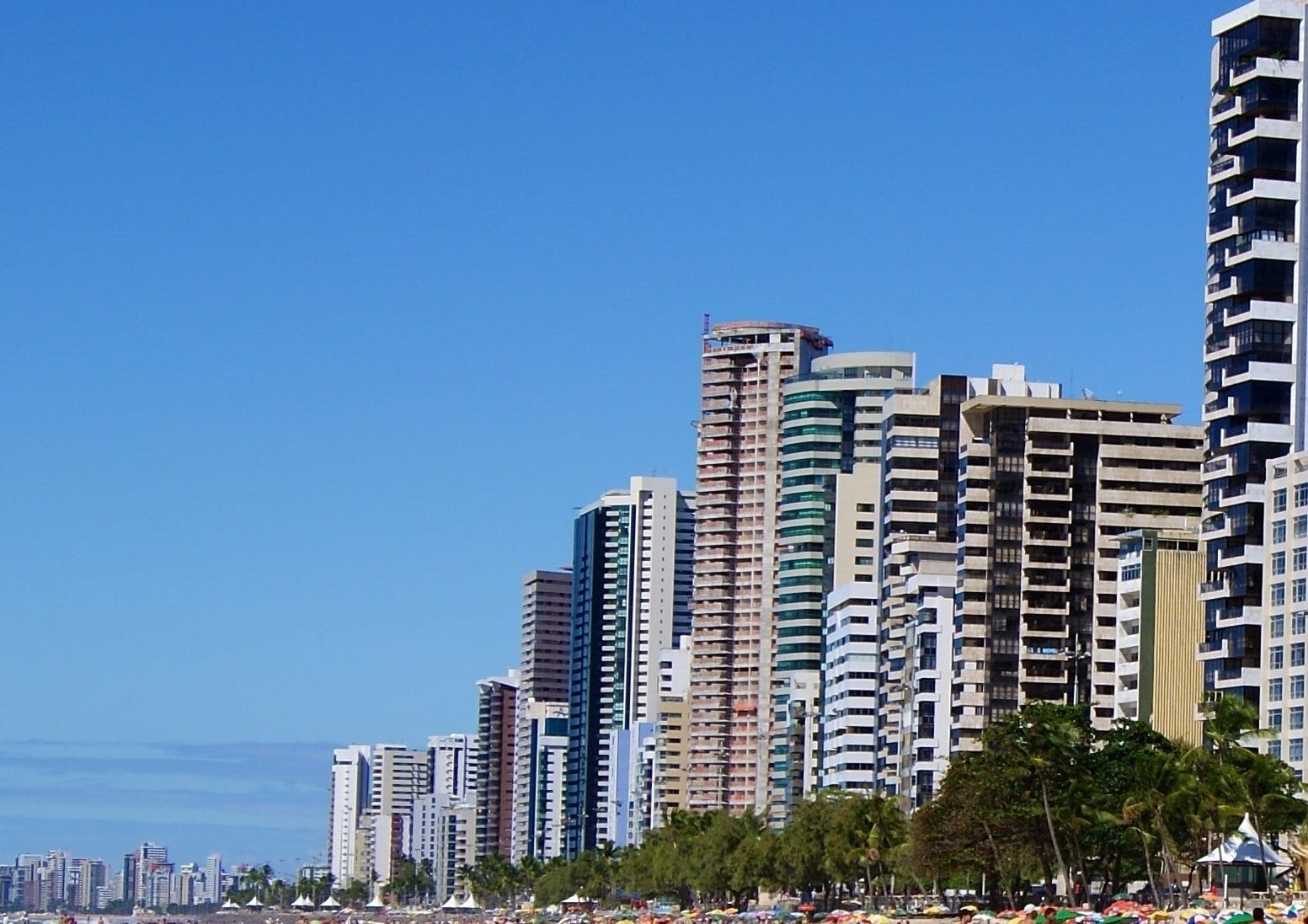
Foto: Raul DS · CC BY 2.0, via Wikimedia Commons
Perguntas Frequentes
Quando os ingressos para a Copa do Mundo Feminina de 2027 começam a ser vendidos?
Em setembro de 2026, eles ainda não estão à venda. A FIFA abriu apenas o cadastro de interesse em fifa.com/tickets. Nenhuma data de venda ou preço foi anunciado.
Eu preciso de visto para assistir à Copa do Mundo Feminina de 2027 no Brasil?
Depende do seu passaporte. Cidadãos da UE não precisam, tendo 90 dias livres de visto sob o Decreto 12.864 do Brasil. Cidadãos dos EUA, Canadá e Austrália precisam de um visto eletrônico (e-visa) via brazil.vfsevisa.com, obrigatório desde 10 de abril de 2025. Cidadãos do Reino Unido entram sem visto por até 90 dias. Confirme sua regra específica antes de reservar qualquer coisa não reembolsável.
Em qual cidade-sede meu grupo deve se hospedar?
Em São Paulo, para a maioria dos grupos. Ela possui o aeroporto mais movimentado do Brasil, as melhores conexões para outras cidades-sede e nenhum histórico de picos de preços por causa da Copa do Mundo. Deixe o Rio de Janeiro para as duas partidas que só acontecem lá.
Quantas partidas cada cidade-sede vai receber?
A FIFA garante pelo menos sete partidas, incluindo um confronto eliminatório, em cada uma das 8 cidades-sede. São Paulo e Rio vão mais longe (nível semifinal e além); Belo Horizonte e Fortaleza chegam às quartas de final; as outras quatro sediam até as oitavas de final.
É seguro nadar nas praias de Recife?
O litoral de Pernambuco ao redor de Recife, incluindo Boa Viagem e a praia de Piedade, apresenta um risco documentado de tubarões: 84 incidentes registrados desde que o monitoramento começou em 1992, incluindo um ataque fatal a um menino de 13 anos em janeiro de 2026. Nadar não é proibido em Boa Viagem, mas fique nas piscinas naturais sinalizadas e siga as placas de aviso fixadas em vez de nadar além delas.
Qual é o melhor jeito de se deslocar entre as cidades-sede?
De avião. O Brasil é enorme, só de Fortaleza ao Rio é um voo de mais de 3 horas, e a malha aérea doméstica conecta São Paulo e Rio de forma muito mais confiável do que qualquer opção de ônibus ou trem. Encare cada cidade como um salto próprio e não como uma viagem de carro.
Principais Conclusões
- Faça de São Paulo a base do seu grupo, e não do Rio. O aeroporto mais movimentado do Brasil e a ausência de histórico de picos de preços da Copa do Mundo tornam a cidade a âncora mais inteligente para uma viagem multi-destino.
- Voe para o Rio apenas para a abertura e a final. Ambas acontecem exclusivamente no Maracanã; todo o resto sobre o Rio funciona perfeitamente como um bate-volta ou uma parada rápida.
- Cada cidade-sede garante pelo menos uma partida eliminatória. O velho argumento de que "o Rio acapara os jogos" não se sustenta diante da tabela da própria FIFA de agosto de 2026.
- Resolva seu visto pelo passaporte, e não por palpites. Cidadãos da UE e do Reino Unido têm isenção de visto por 90 dias; cidadãos dos EUA, Canadá e Austrália precisam de um visto eletrônico providenciado antes do embarque.
- Os ingressos ainda não estão à venda. Cadastre seu interesse agora em fifa.com/tickets, e encare qualquer preço de 2027 que você vir online como não confirmado até que a FIFA declare o contrário.
- Planeje a viagem como uma só jornada, e não quatro reservas. Quaisquer que sejam as cidades que entrarem na sua lista, um roteiro compartilhado (ferramentas como o TripProf lidam com rotas multi-destino assim) evita que dez pessoas fiquem planejando umas contra as outras em seis grupos diferentes de WhatsApp. Para dividir os custos reais de quando você já estiver lá, nosso guia sobre como dividir os custos de viagem sem drama cobre a parte financeira.
Fontes
- FIFA: Oito cidades-sede vibrantes para encantar o mundo (7 de maio de 2025) - cidades-sede, estádios, 32 seleções
- FIFA: Tabela de partidas revelada (20 de agosto de 2026) - abertura, final, piso de 7 partidas, progressão de fases
- FIFA: Contagem regressiva de um ano (24 de junho de 2026) - 64 partidas confirmadas
- FIFA: Cadastro de interesse em ingressos - status atual de bilheteria
- Wikipedia: Copa do Mundo Feminina da FIFA de 2027 - capacidade dos estádios
- Wikipedia: Aeroporto Internacional de São Paulo/Guarulhos
- Wikipedia: Aeroporto Santos Dumont
- FlightConnections: Rio de Janeiro (GIG)
- FlightConnections: São Paulo (GRU)
- FlightConnections: Salvador da Bahia (SSA)
- FlightConnections: Belo Horizonte (CNF)
- Hospitalitynet: Preços de hotéis durante a Copa do Mundo do Brasil em 2014
- Hotel Online: Carnaval impulsiona tarifas de hotéis no Rio de Janeiro para o nível mais alto da história (fevereiro de 2026, dados da CoStar/STR)
- KPMG: Decreto nº 12.864 do Brasil (isenção de visto para a UE)
- KPMG: Exigência de visto do Brasil entra em vigor para cidadãos dos EUA, Canadá e Austrália
- Gov.uk: Requisitos de entrada no Brasil
- France24: Enchentes em Porto Alegre, um ano depois
- MercoPress: Reabertura do aeroporto de Porto Alegre
- DIVE Magazine: Ataques de tubarão perto de Recife (maio-junho de 2026)
- CBS News: Tubarão mata menino em praia do Brasil (janeiro de 2026)
- Climatestotravel.com: Dados climáticos do Brasil
- Trip.com: Calculadoras de tempo de voo (Rio para cada cidade-sede)
Última atualização: 19 de setembro de 2026
Continue Lendo
Mais dicas de viagem e guias escolhidos para você

Quanto custa de verdade uma viagem de Friendsgiving e como dividir os gastos de forma justa
Oito amigos, uma cabana e um fim de semana prolongado antes do Dia de Ação de Graças: veja quanto custa uma viagem real de Friendsgiving por pessoa e uma forma simples de dividir os gastos antes que surjam desentendimentos.
Questionário para Viagem em Grupo: 16 Perguntas para Fazer Antes de Alguém Reservar
A maioria das viagens em grupo falha em quatro respostas: tanto faz, tranquilo, qualquer opção serve e por volta de $2 mil. Aqui estão 16 perguntas que impedem essas respostas vagas, o que cada uma realmente significa e um modelo pronto para copiar e enviar antes de qualquer reserva.

Quantos Estados Americanos Você Já Visitou? A Resposta Real de um Aposentado (E Como Descobrir a Sua)
Um aposentado de 58 anos pinta seu mapa dos EUA pela primeira vez e descobre um número bem diferente do que imaginava. Conheça as estatísticas reais da YouGov, os limites honestos e como acompanhar sua própria lista de estados visitados.