
Dzień 1: Plaça de Catalunya, katedra i zaułki Dzielnicy Gotyckiej, La Boqueria i Palau Güell, a potem cava w Can Paixano przed zachodem słońca w Barceloneta. Dzień 2: Palau de la Música, bazyliki w Born i Muzeum Picassa, a następnie park Ciutadella, zoo i Arc de Triomf przed wizytą w akwarium. Dzień 3: Eixample Gaudiego, od Casa Batlló przez La Pedrera do Sagrada Família, a potem Park Güell i Casa Vicens przed zachodem słońca w Bunkers del Carmel. Dzień 4: Camp Nou, muzea i zamek na Montjuïc oraz Magiczna Fontanna po zmroku. Zarezerwuj Sagrada Família i Casa Batlló z wyprzedzeniem, a bilety opłacajcie ze wspólnej puli.
Dzień 1: Od Dzielnicy Gotyckiej do Barceloneta
Pierwszy dzień spędzicie w obrębie starego miasta i na plaży: katedra, targ i rezydencja Gaudiego przed cavą i zachodem słońca nad wodą. Nic tutaj nie wymaga rezerwacji z wielotygodniowym wyprzedzeniem, więc to najłatwiejszy dzień na podział grupy i ponowne spotkanie na piasku.

Plaça de Catalunya
Środek ciężkości Barcelony znajduje się tam, gdzie średniowieczna Dzielnica Gotycka spotyka się z siatką ulic XIX-wiecznego Eixample - to plac o powierzchni około 50 000 metrów kwadratowych z różą wiatrów wkomponowaną w bruk i gołębiami zajmującymi środek. Passeig de Gràcia, Rambla de Catalunya i La Rambla rozchodzą się stąd wachlarzowo, co czyni to miejsce oczywistym punktem zbornym, jeśli grupa rozdzieli się w ciągu dnia.

Barcelona Cathedral
Zbudowana głównie w XIV wieku z neogotycką fasadą dodaną wieki później, katedra jest poświęcona świętej Eulalii, nastoletniej męczennicy, której legenda głosi, że została stoczona w beczce nabitej nożami po pobliskiej ulicy. Jej szczątki spoczywają w krypcie poniżej, a Studnia Gęsi w krużgankach, ukończona w 1448 roku, to jeden ze spokojniejszych zakątków wartych krótkiego zboczenia z trasy.

Basilica of Our Lady of the Pine Tree (Santa Maria del Pi)
Ten XV-wieczny gotycki kościół stanowi serce Plaça del Pi, jednego z najbardziej fotogenicznych małych placów Dzielnicy Gotyckiej, otoczonego tarasami kawiarni i weekendowym targiem sztuki. Płatne zwiedzanie wnętrza odbywa się tylko wczesnym wieczorem w wybrane dni powszednie, więc potraktuj ten przystanek jako okazję do obejrzenia fasady i placu, a nie jako punkt z biletami - lepiej usiądźcie na zewnątrz z całą grupą.

MACBA (Barcelona Museum of Contemporary Art)
Muzeum sztuki współczesnej w El Raval otworzyło swoje podwoje 28 listopada 1995 roku i od tego czasu stanowi centrum artystycznej sceny dzielnicy. Szeroki plac przed budynkiem przyciąga równie wielu deskorolkarzy, co zwiedzających galerię, często oferując bardziej żywą atmosferę.
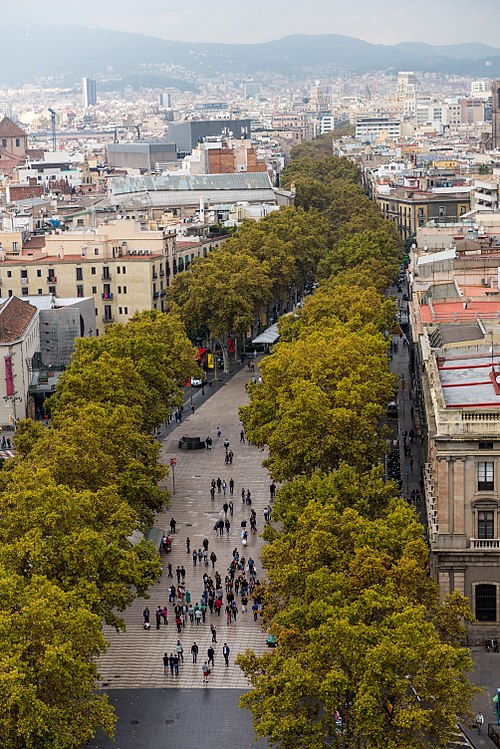
La Rambla
Federico García Lorca nazwał ją kiedyś jedyną ulicą na świecie, która chciałaby, aby nigdy się nie kończyła, a wysadzana drzewami promenada biegnąca od Plaça de Catalunya aż do portu wciąż przyciąga największe tłumy w mieście. To także ulica, na której najczęściej dochodzi do kradzieży kieszonkowych w Barcelonie, więc trzymaj torby zapięte i z przodu, zwłaszcza późnym popołudniem, gdy tłum jest największy.

La Boqueria (Mercat de Sant Josep)
Najsłynniejszy targ spożywczy w Barcelonie otwarto w tym miejscu w 1914 roku i do dziś wejście prowadzi prosto z La Rambla, kilka kroków od opery. Rozdzielcie się tutaj, zamiast umawiać na jeden konkretny stragan: świeże soki, rożki z jamón i stoiska z owocami morza znajdują się w odległości kilku metrów od siebie, więc każdy może wrócić z innym lunchem.

Gran Teatre del Liceu
Największa opera w Europie pod względem liczby miejsc od ponad wieku, Liceu, stoi w tym miejscu od 1847 roku i przetrwała dwa pożary. Ten przystanek obejmuje tylko fasadę; wnętrze wymaga osobnego biletu lub wieczornego spektaklu.

Palau Güell
Gaudí zbudował tę rezydencję dla przemysłowca Eusebiego Güella w latach 1886-1888, a kute żelazne bramy wejściowe, ukształtowane jak wodorosty z brązowym feniksem pośrodku, zdradzają to, co znajduje się w środku: wysoki hol z sufitem pełnym otworów w kształcie gwiazd. Antonioni nakręcił tu część filmu „Zawód: reporter” z Jackiem Nicholsonem. Obiekt znajduje się na liście UNESCO obok innych dzieł Gaudiego w Barcelonie.
Can Paixano (La Xampanyeria)
Działający od 1969 roku w dawnym magazynie w pobliżu portu, ten bar z cavą to instytucja Barcelonety: tanie wino musujące w kieliszkach i bocadillos podawane przez zatłoczony kontuar. To nie jest miejsce na kolację przy stoliku, raczej głośne, ramię w ramię, spotkanie przed wyjściem na plażę, które dobrze sprawdza się w grupie, której nie przeszkadza podział na mniejsze grupki.
Barceloneta Beach
Ten piasek nie istniał przed Igrzyskami Olimpijskimi w 1992 roku, kiedy to linia brzegowa została przekształcona, a piasek sprowadzony w miejsce dawnych fabryk i linii kolejowych. Bary chiringuito ustawione są wzdłuż promenady - to łatwe miejsce, by się rozproszyć i zebrać ponownie przed kolacją.
Dzień 2: Born, Ciutadella i akwarium
Drugi dzień prowadzi od modernistycznej sali koncertowej przez gotyckie kościoły w Born i Muzeum Picassa, a następnie rozciąga się na park Ciutadella, zanim wieczór zamknie wizyta w zoo i akwarium. To bardziej intensywny dzień dla dzieci lub miłośników zwierząt w grupie, łatwy do skrócenia, jeśli inni woleliby dłużej posiedzieć na targu.

Palau de la Música Catalana
Lluís Domènech i Montaner zbudował tę salę koncertową w latach 1905-1908 dla towarzystwa chóralnego i od tego czasu stała się ona jednym z niewielu miejsc koncertowych oświetlonych niemal wyłącznie przez witraże, w tym odwróconą szklaną kopułę nad głową, która zalewa salę kolorami w słoneczny poranek. Obiekt dzieli wpis na listę UNESCO z 1997 roku z Hospital de Sant Pau, o którym mowa w dalszej części trasy.

Basilica of Our Lady of the Sea (Santa Maria del Mar)
Robotnicy portowi i kupcy sfinansowali i sami przetransportowali kamień w latach 1329-1383, a efektem jest jeden z najczystszych przykładów katalońskiego gotyku: wysokie, wąskie kolumny i niemal brak zdobień, zbudowane z myślą o otwartej przestrzeni, a nie dekoracjach. Wstęp do nawy jest bezpłatny; wycieczka na wieżę na dachu to osobna, płatna opcja.

Museu Picasso
Otwarte w 1963 roku, było to pierwsze muzeum poświęcone twórczości Picassa za jego życia i do dziś najlepiej widać w nim jego relację z Barceloną: wczesne obrazy z lat młodzieńczych są tu równie ważne, co późniejsze prace. Kolekcja, mieszcząca się w pięciu połączonych średniowiecznych pałacach przy ulicy Montcada, liczy ponad 4000 eksponatów.
Mercat de Santa Caterina
Najstarszy zadaszony targ w Barcelonie, zbudowany w 1848 roku na miejscu zburzonego klasztoru, przeszedł całkowitą przebudowę w 2005 roku: architekci Enric Miralles i Benedetta Tagliabue przykryli go falistym dachem z 325 000 kolorowych ceramicznych płytek, które z góry mają przypominać przepełnione stoisko z owocami. Wpadnij do środka na szybki lunch przy kontuarze, zamiast przeglądać cały asortyment.
Nomad Coffee Lab & Shop
Jordi Mestre otworzył tę palarnię-kawiarnię w 2014 roku, jako jedno z pierwszych miejsc z kawą speciality w Barcelonie. W soboty i niedziele jest zamknięta, więc potraktuj ją jako przystanek na espresso w dzień powszedni przed spacerem do Arc de Triomf.

Arc de Triomf
Josep Vilaseca i Casanovas zaprojektował ten 30-metrowy łuk z czerwonej cegły jako ceremonialne wejście na Wystawę Światową w Barcelonie w 1888 roku, a jego styl neomudéjar jest celowo niemilitarny: fryz głosi „Barcelona wita narody”, zamiast upamiętniać jakąkolwiek bitwę. Wyznacza on początek Passeig de Lluís Companys, szerokiej promenady prowadzącej prosto do parku Ciutadella.
Parc de la Ciutadella
Była to znienawidzona cytadela wojskowa narzucona miastu po kapitulacji w 1714 roku, zanim ostatecznie zburzono ją i przebudowano na park na Wystawę Światową w 1888 roku. Monumentalna fontanna cascada w pobliżu wejścia od strony Passeig de Pujades, częściowo zaprojektowana przez młodego Gaudiego pracującego pod kierunkiem Josepa Fontserè, jest warta spaceru, nawet jeśli grupa pominie zoo i muzea wewnątrz.

Barcelona Zoo
Ukryte w parku Ciutadella zoo istnieje od 1892 roku i było domem dla Śnieżka, jedynego znanego goryla albinosa, ukochanej maskotki miasta aż do jego śmierci w 2003 roku. Przystanek w sam raz dla grupy o zróżnicowanej kondycji.

Aquarium Barcelona
Akwarium w Port Vell działa od 1995 roku, a jego 35 zbiorników mieści około 11 000 zwierząt z ponad 450 gatunków, z których główną atrakcją jest tunel pod zbiornikiem z rekinami. Spokojny, klimatyzowany sposób na zakończenie dnia, który zaczął się na zewnątrz, wystarczająco relaksujący, by włączyć go do planu grupy bez poczucia pośpiechu.
Els Quatre Gats
Ta modernistyczna kawiarnia została otwarta w 1897 roku jako miejsce spotkań młodych artystów Barcelony, a 17-letni Picasso zorganizował tu swoją pierwszą publiczną wystawę w 1900 roku, samodzielnie projektując okładkę menu. Dziś to pełnoprawna restauracja, serwująca dania kuchni katalońskiej i śródziemnomorskiej pod tymi samymi kafelkowymi ścianami, przy których kiedyś siedzieli artyści. W niedziele zamykają wcześnie, więc zostaw to miejsce na kolację w inny wieczór.
Dzień 3: Eixample Gaudiego i zachód słońca w Gràcia
Zarezerwuj trzy główne atrakcje tego dnia - Casa Batlló, La Pedrera i Sagrada Família - w momencie ustalenia dat wyjazdu: wszystkie trzy działają w systemie rezerwacji czasowych, które w szczycie sezonu wyprzedają się całkowicie. Park Güell i Casa Vicens dopełniają popołudnie, a darmowy widok ze wzgórza w Bunkers del Carmel zamyka dzień o zachodzie słońca.

Casa Calvet
Najbardziej powściągliwy budynek Gaudiego, ukończony w 1900 roku dla rodziny tekstylnej, ukrywa swoją osobowość w detalach: kolumny wejściowe mają kształt ułożonych szpulek, co jest ukłonem w stronę biznesu właściciela. Dziś to prywatna restauracja, dostępna tylko z zewnątrz.

Casa Batlló
Gaudí przebudował istniejący budynek w 1904 roku, nadając mu szkieletową fasadę z mozaikowych kształtów kości, co przyniosło mu lokalny przydomek „Dom Kości”. Znajduje się przy „Bloku Niezgody” obok Casa Amatller. Bilety z wyznaczonym czasem wejścia wyprzedają się w szczycie sezonu, więc zarezerwuj je online przed przylotem, zamiast stać w kolejce w dniu wizyty z całą grupą.

Casa Amatller
Josep Puig i Cadafalch zaprojektował ten budynek dla producenta czekolady Antoniego Amatllera około 1900 roku, a ponieważ jego rodzina była właścicielem aż do 1960 roku, wnętrze przetrwało w dużej mierze w niezmienionym stanie. Schodkowy, holenderski szczyt dachu wyróżnia się na tle krzywizn Casa Batlló; fasadę można podziwiać za darmo, wnętrze wymaga osobnego biletu na zwiedzanie z przewodnikiem.

La Pedrera (Casa Milà)
Ostatnia prywatna rezydencja Gaudiego przed całkowitym poświęceniem się Sagrada Família, zbudowana w latach 1906-1912, zyskała przydomek „kamieniołom” ze względu na falującą, niepomalowaną kamienną fasadę. Kute żelazne balkony projektu Josepa Marii Jujola z bliska wyglądają jak splątane wodorosty, a na dachu kominy zamieniają się w kamiennych strażników w hełmach - warto poświęcić dziesięć minut na spacer między nimi.
Casa Amàlia
Casa Amàlia obsługuje okolicę obok Mercat de la Concepció od lat 50. XX wieku, wciąż opierając menu na tym, co danego dnia oferują stragany: paelle i krokiety to pewny wybór dla grupy zatrzymującej się między La Pedrera a Sagrada Família. To prawdziwy lunch przy stoliku, a nie przekąska z targu, więc zaplanuj odpowiednią ilość czasu.

Basilica and Expiatory Church of the Holy Family (Sagrada Família)
Gaudí przejął ten projekt w 1883 roku i spędził nad nim resztę życia, ostatecznie przeprowadzając się do warsztatu na miejscu; jest pochowany w krypcie poniżej. W lutym 2026 roku centralna Wieża Jezusa Chrystusa osiągnęła wysokość 172,5 metra, co czyni Sagrada Família najwyższym kościołem na świecie. Zarezerwuj bilety z wyprzedzeniem dla grupy; kolejki w szczycie sezonu są bardzo długie.

Hospital de Sant Pau
Lluís Domènech i Montaner zbudował ten obiekt jako działający szpital w latach 1901-1930, rozpraszając go na dwanaście pawilonów połączonych podziemnymi tunelami, zamiast tworzyć jeden barceloński monolit - podobno po to, by pacjenci szybciej zdrowieli dzięki większej ilości światła i przestrzeni ogrodowej. Szpital przyjmował pacjentów do 2009 roku. Dojście wzdłuż osi Avinguda Gaudí od Sagrada Família sprawia, że jest to spokojniejszy i mniej zatłoczony przystanek niż poprzednie.

Park Güell
Eusebi Güell zatrudnił Gaudiego do budowy prywatnego ogrodu na przedmieściach w 1900 roku; nigdy nie sprzedał się jako osiedle mieszkaniowe i w 1926 roku stał się parkiem publicznym. Mozaikowa salamandra przy wejściu i falista kafelkowa ławka na tarasie to dwa punkty, przy których grupa będzie chciała zrobić zdjęcia, więc zaplanuj na to czas i zarezerwuj wejście do strefy monumentu z wyprzedzeniem.

Casa Vicens
To było pierwsze duże zlecenie Gaudiego, zbudowane w latach 1883-1885 dla maklera giełdowego w ówczesnym oddzielnym mieście Gràcia. Orientalistyczne kafelki, zielone i białe ceramiczne pasy owijające całą fasadę, już wtedy zdradzały instynkt do wzorów i kolorów, który zdefiniował jego późniejszą twórczość, na lata przed powstaniem Parku Güell czy Sagrada Família.
Bunkers del Carmel
Te betonowe stanowiska ogniowe powstały w 1938 roku, by bronić Barcelony przed nalotami podczas wojny domowej; dział dawno nie ma, ale widok 360 stopni z wysokości 262 metrów to wciąż najlepszy darmowy punkt na zachód słońca w mieście.
Dzień 4: Od Montjuïc do Camp Nou
Czwarty dzień zaczyna się od Camp Nou, stadionu i muzeum FC Barcelona, a następnie przenosi na Montjuïc, gdzie znajdują się MNAC, fundacja Miró i zamek na wzgórzu (oba muzea są zamknięte w poniedziałki). Część grupy może zostać dłużej na stadionie, by spotkać się na kolację w pobliżu wzgórza przed wieczornym finałem przy Magicznej Fontannie.
Cerveceria Catalana
Brak rezerwacji, zawsze tłoczno i warto poczekać: ten bar z tapas w Eixample przyciąga mieszkańców i turystów nie bez powodu - to długi kontuar, przy którym wskazujesz to, co akurat przejeżdża obok. Podzielcie się zestawem małych dań w grupie, zamiast zamawiać indywidualnie - tak właśnie powinno się tu jeść.
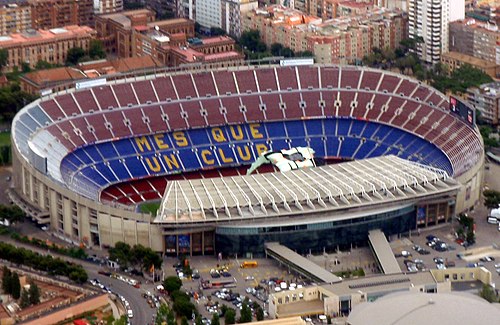
Camp Nou
Stadion FC Barcelona stoi tu od 1957 roku i był gospodarzem dwóch finałów Ligi Mistrzów oraz meczów Mistrzostw Świata w 1982 roku. Obecnie trwa jego renowacja, ponowne otwarcie nastąpiło pod koniec 2025 roku przy ograniczonej pojemności, a pełne ukończenie przesunięto na 2027 rok, więc części wycieczki mogą wyglądać jak plac budowy, w zależności od terminu wizyty.

FC Barcelona Museum
Drugie po Muzeum Picassa pod względem liczby odwiedzających rocznie, muzeum klubowe mieści salę trofeów, kolekcję sztuki Dalego i Miró podarowaną przez fanów oraz buty, w których Ronald Koeman strzelił zwycięskiego gola w finale Pucharu Europy w 1992 roku. Jest to wliczone w bilet na Barça Immersive Tour, nie wymaga osobnego wstępu.

Plaça d'Espanya
Zbudowane na Międzynarodową Wystawę w 1929 roku u podnóża Montjuïc, to rondo pełni funkcję bramy do muzeów i ogrodów wzgórza. Bliźniacze wieże w stylu weneckim, obramowujące aleję prowadzącą do MNAC, to celowa scenografia, mająca ogłosić, że dotarłeś w miejsce wielkie, zanim jeszcze wspiąłeś się na pierwszy stopień.

Museu Nacional d'Art de Catalunya (MNAC)
Mieszczące się w Palau Nacional, kolejnej pozostałości po wystawie z 1929 roku, to narodowe muzeum sztuki Katalonii, zbudowane wokół romańskich malowideł ściennych zdjętych z kruszejących ścian pirenejskich kaplic w latach 20. XX wieku i złożonych tutaj na replikach apsyd. Centralnym punktem jest Pantokrator z Sant Climent de Taüll, fresk Chrystusa z 1123 roku. Taras na dachu przed budynkiem jest bezpłatny i oferuje jeden z najlepszych widoków na panoramę miasta.

Fundació Joan Miró
Miró współpracował ze swoim bliskim przyjacielem, architektem Josepem Lluísem Sertem, przy projektowaniu tego muzeum wokół własnej przekazanej kolekcji, ukończonego w 1975 roku. Białe, doświetlone świetlikami galerie zbudowane są w stylu racjonalistycznym wokół centralnego dziedzińca, a taras na dachu pełni funkcję ogrodu rzeźb z wyraźnym widokiem na miasto.

Montjuïc
Montjuïc oznacza w średniowiecznym katalońskim „Żydowską Górę”, od cmentarza żydowskiego, który kiedyś znajdował się na jej zboczach. Wzgórze było gospodarzem wystawy w 1929 roku i Igrzysk Olimpijskich w 1992 roku, a obecnie jest siecią ogrodów i punktów widokowych, do których można dotrzeć kolejką linową lub szynową.

Montjuïc Castle
Ta twierdza pochodzi z lat 40. XVII wieku i przez wieki służyła jako bastion wojskowy i więzienie polityczne, zanim miasto przejęło ją jako obiekt publiczny. Widoki z murów obronnych rozciągają się na port i całą siatkę ulic miasta, a sucha fosa poniżej tworzy łatwą, zacienioną pętlę, jeśli grupa chce odpocząć od słońca.
Dinner in Poble Sec (Carrer de Blai)
Carrer de Blai w Poble Sec to barcelońska ulica pintxos: małe przekąski na wykałaczkach ustawione wzdłuż barów, wyceniane według liczby patyczków na koniec. Znajduje się w odległości krótkiego spaceru od kolejki linowej na Montjuïc, to relaksująca przerwa na kolację, nad którą warto się zatrzymać: pokaz Magicznej Fontanny zaczyna się dopiero po zmroku, więc nie ma powodu, by poganiać grupę.

Magic Fountain of Montjuïc
Ponowne otwarcie we wrześniu 2025 roku po wieloletnim zamknięciu. Lato (czerwiec-wrzesień): od środy do niedzieli, 21:30-22:30. Od października: tylko od czwartku do soboty, mniej więcej 21:00-22:00 w październiku i 20:00-21:00 w listopadzie.
Najlepszy czas na wizytę
Barcelona: co się dzieje
Festiwale, koncerty i wystawy podczas Twojej podróży.
Festa Major de Gràcia
Assumption Day
Dzień świąteczny
The Weeknd
Diada Nacional de Catalunya (Catalonia National Day)
Diada Nacional de Catalunya (Catalonia National Day)
Dzień świątecznyLa Mercè Festival
National Day of Spain
Dzień świątecznyAll Saints Day
Dzień świąteczny
Pitbull
Wycieczki z przewodnikiem
Niektóre linki mogą przynieść nam prowizję, bez dodatkowych kosztów dla Ciebie.
Warto wiedzieć przed wyjazdem
- Oba obiekty działają w systemie rezerwacji czasowych i wyprzedają się z dużym wyprzedzeniem w szczycie sezonu. Grupa sześciu lub więcej osób powinna kupować bilety w jednym zamówieniu, aby zagwarantować, że wszyscy otrzymają ten sam przedział czasowy.
- Sagrada Família, Casa Batlló i Park Güell sprzedają bilety na konkretne godziny, które mogą zniknąć między otwartymi kartami przeglądarki. Niech jedna osoba zarezerwuje bilety dla całej grupy w jednym przejściu.
- Las Ramblas jest regularnie nazywana najbardziej narażoną na kradzieże kieszonkowe ulicą w Europie, a linie metra 3 i 4 doświadczają tych samych tłumów. Torba typu crossbody noszona z przodu załatwia większość problemu.
- Między biletami do muzeów, rundami tapas i okazjonalną taksówką, wspólna aplikacja lub gotówkowa pula wygrywa z rozliczaniem się przy każdym przystanku. Większość restauracji bez problemu dzieli rachunek.
- Temperatury przekraczają 28°C od czerwca do sierpnia, przy najmniejszej liczbie dni deszczowych w roku. Zabierz wodę na przystanki na świeżym powietrzu, takie jak Park Güell i Montjuïc, i spodziewaj się wtedy największych kolejek.
- MACBA jest zamknięta we wtorki, a MNAC w poniedziałki; kilka targów na tej trasie jest zamkniętych lub ma skrócone godziny w niedziele. Sprawdź godziny każdego przystanku przed budowaniem napiętego harmonogramu.
- Zaokrąglanie rachunku lub zostawianie drobnych za dobrą obsługę jest w Barcelonie normalne. Stałe 15-20% nie jest lokalnym zwyczajem, nawet przy rachunkach grupowych.