De beste hemelverschijnselen om je reis omheen te plannen in 2027, en waarom geen enkele daarvan terugkeert
Belangrijkste punten
- 1
- 2
- 3
+3 meer in de samenvatting onderaan
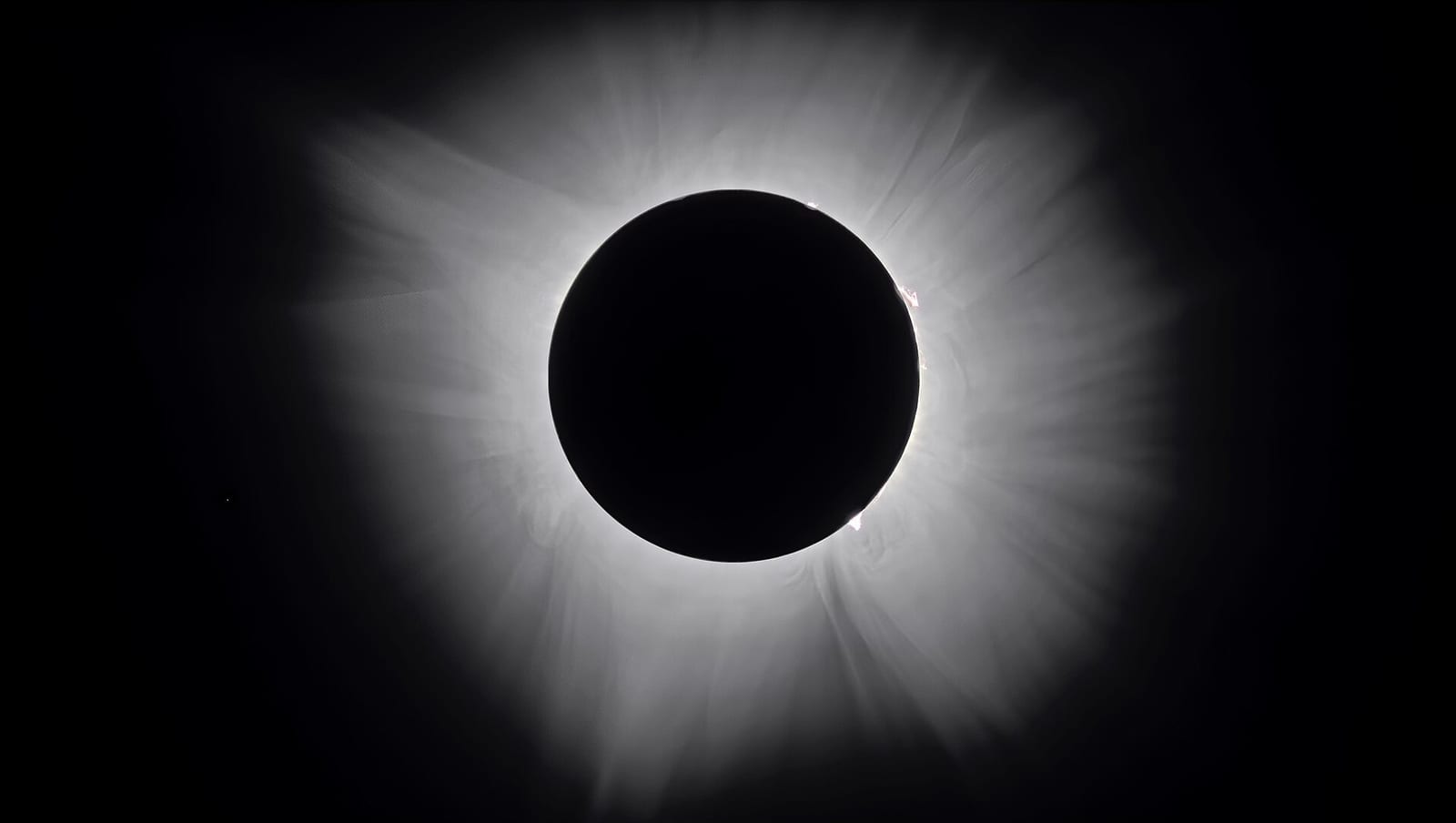
Je staat op 2 augustus 2027 op een strand in Cádiz met je zonnebril op je voorhoofd en kijkt hoe de hemel de kleur krijgt van een genezende blauwe plek. De totaliteit duurt hier minder dan drie minuten. Rij twee uur naar Tanger en je krijgt bijna vijf minuten. Sla het hele continent over en je zou in februari op een schapenboerderij in Patagonië kunnen staan, waar je de zon zeven en een halve minuut lang in een ring ziet veranderen. Geen van deze luchten herhaalt zich.
2027 brengt zes gedateerde, van bronnen voorziene astronomische gebeurtenissen samen in één reiskalender: een totale zonsverduistering van 6 minuten en 23 seconden die op 2 augustus Spanje, Marokko en Egypte doorkruist (de langste totale verduistering op gemakkelijk toegankelijk land deze eeuw, volgens de eclipsgegevens van Wikipedia), een ringvormige verduistering van het midden van de dag tot zonsondergang die op 6 februari Patagonië en West-Afrika bestrijkt, en de Perseïden die tien dagen na de grote verduistering hun piek bereiken onder een voor 84% verlichte maan (IMO). Dit rangschikt alle zes op basis van een verifieerbare aanleiding, en benoemt vervolgens drie flink gehypete gebeurtenissen uit 2027 (de Geminiden, de Lyriden en alle drie de maansverduisteringen) die een generieke lijst met "luchtverschijnselen 2027" zou bevatten, maar die jij beter kunt overslaan.
De sterrenhemelkalender van 2027, gerangschikt
Zes astronomische gebeurtenissen vormen de ankerpunten voor de reisplanning van 2027, en elk daarvan herhaalt zich op een manier die er toe doet voor het boeken niet. De volgorde, alleen de namen, vóór de onderbouwing:
- 2 augustus: Totale zonsverduistering, van Spanje tot Somalië
- 6 februari: Ringvormige zonsverduistering, van Patagonië tot West-Afrika
- Heel het jaar: Poollichtseizoen, op de dalende helling van de zonnecyclus
- 12-13 augustus: De Perseïden, onder een voor 84% verlichte maan
- 3-4 januari: De Boogschutters (Quadrantiden), rond nieuwe maan
- 5-6 mei: De Eta-Aquariden, donkere luchten, het best te zien vanaf het zuidelijk halfrond
Sla gerust een stuk over als je je evenement al weet. Zo niet, dan lees je hier waarom geen van alle zich herhaalt.
Waarom geen van deze luchten zich herhaalt
Elk evenement op deze lijst is een eenmalige stand van zaken voor de plek waar je op dat moment staat. Eclipsgeometrie, maanfase en de zonnecyclus van 11 jaar keren nooit in dezelfde combinatie terug, en als je het venster mist, is de inhaaldata meestal niet volgend jaar.
Begin met de verduisteringen, want de wiskunde daarachter is het strengst. Fred Espenak, gepensioneerd eclips-wetenschapper bij NASA, zegt het glashelder in zijn eigen eclipshandleiding: "Je zou gemiddeld 375 jaar moeten wachten om twee totale verduisteringen vanaf dezelfde plek te zien." Dat is een gemiddelde, geen garantie, maar het is wel de eerlijke basis om te begrijpen waarom "ik pak de volgende wel" geen steekhoudend plan is. Spanje krijgt alvast een voorproefje van dat patroon: Spain.info bevestigt dat de volgende eclips in het land na augustus 2027 op 26 januari 2028 valt, en dat is een ringvormige bij zonsondergang, geen tweede totale verduistering.
Mollenregens keren elk jaar op de kalender terug, maar de kijkomstandigheden niet. Het nut van een meteorenzwerm voor je reisplanning hangt van één variabele af: hoeveel maanlicht er aan de hemel staat op het moment van de piek. Dat getal wordt elk jaar gereset, en in 2027 valt het gelukkigerwijs gunstig uit voor drie kleinere spelers van het jaar, terwijl het twee betrouwbare blikvangers (de Geminiden en de Lyriden, zie het kopje over wat je kunt overslaan) in het water laat vallen.
2 augustus 2027: De totale zonsverduistering van Spanje tot Somalië
Dit is het hoofdevenement van het decennium: 6 minuten en 23 seconden totaliteit op het langste punt, de langste totale zonsverduistering op gemakkelijk toegankelijk land in de 21e eeuw (een langere laat op zich wachten tot 3 juni 2114). Qua totale duur is het de nummer twee; de verduistering van 2009 duurde 6 minuten en 39,5 seconden, maar dat maximum lag boven de open Stille Oceaan en niet op een plek waar je kon gaan staan. Deze trekt over Marokko, Spanje, Algerije, Tunesië, Libië, Egypte, Saoedi-Arabië, Jemen en Somalië (volgens de gedetailleerdere routebeschrijving op Wikipedia; NASA's eigen decenniumoverzicht laat Tunesië achterwege), en waar je jezelf op die lijn neerzet, verandert je reis meer dan welke andere keuze in dit artikel dan ook.
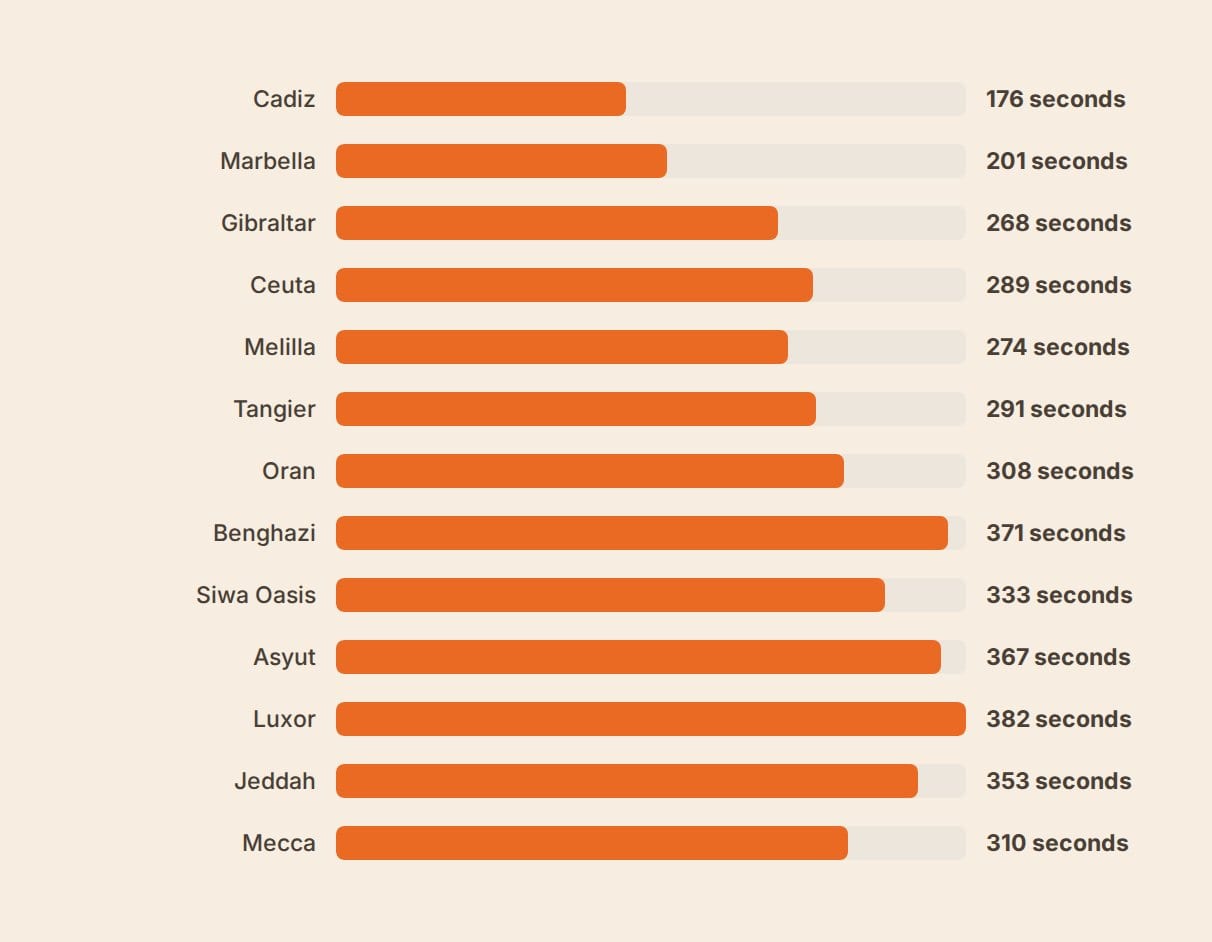
| Stad | Land | Totaliteit | Plaatselijke tijd maximum | Bron |
|---|---|---|---|---|
| Cádiz | Spanje | 2m 56s | 10:46 | Wikipedia |
| Marbella | Spanje | 3m 21s | niet vermeld | Euronews |
| Gibraltar | Gibraltar | 4m 28s | 10:47 | Wikipedia |
| Ceuta | Spanje | 4m 49s | niet vermeld | Euronews |
| Melilla | Spanje | 4m 34s | niet vermeld | Euronews |
| Tanger | Marokko | 4m 51s | 09:47 | Wikipedia |
| Oran | Algerije | 5m 08s | 09:53 | Wikipedia |
| Bengasi | Libië | 6m 11s | 11:31 | Wikipedia |
| Siwa-oase | Egypte | 5m 33s | 12:45 | Euronews, Wikipedia |
| Assoet | Egypte | 6m 07s | 13:00 | Euronews, Wikipedia |
| Luxor | Egypte | 6m 22s | 13:05 | Wikipedia |
| Jeddah | Saoedi-Arabië | 5m 53s | 13:25 | Wikipedia |
| Mekka | Saoedi-Arabië | 5m 10s | 13:26 | Wikipedia |
De allerlangste duur, 6 minuten en 22 seconden, vind je ongeveer 60 km ten zuidoosten van Luxor (Wikipedia); NASA schat de piek onafhankelijk daarvan op 6 minuten en 23,2 seconden, met de standaard kanttekening dat hun voorspelling "geen rekening houdt met de bergen en dalen langs de rand van de maan."
Spanje heeft hier de kortste totaliteit, maar blijft absoluut de moeite waard. Spain.info bevestigt dat de route loopt over "Ceuta en Melilla; bijna de hele provincie Cádiz; een groot deel van de provincie Malaga en het zuidelijke deel van de provincies Granada en Almeria," met een starttijd om 09:40 uur in Tarifa, Ceuta en Melilla. Het weer geeft de doorslag: eclipsklimatoloog Jay Anderson van Eclipsophile geeft Cádiz een kans van 88 procent op dagen met een zichtbare zon, tegenover een "wat minder veelbelovende 74 procent" voor Barbate, Atlanterra en Tarifa. Voor Gibraltar geldt eveneens een kans van 74 procent, maar Eclipsophile noemt dat cijfer te pessimistisch voor een mobiele waarnemer die zich kan verplaatsen. Heb je al eens een Europese eclips meegemaakt? Onze budgetgids voor de zonsverduistering in Spanje van augustus 2026 behandelt de uitrusting en lessen die je zo meeneemt naar 2027.
Marokko is de etappe waar niemand over schrijft, en het is daar bij zonsopgang een kwestie van een muntje opgooien. Tanger bevindt zich op 4 minuten en 51 seconden, langer dan Gibraltar, met het maximum rond 09:47 uur. Andersons klimatologie wijst op het werkelijke risico: "de grootste onzekerheid is hoe snel de stratusbewolking na zonsopgang zal wegtrekken," aangezien het maximum amper twee uur na de dageraad valt. Bij een heldere ochtend verslaat Marokko Spanje qua duur en ontwijk je een deel van de drukte. Bij een mistige ochtend ben je voor niets gereisd.
Egypte wint zowel qua duur als qua kansen, en daar lever je de zomerchitte voor in. Van Bengasi tot aan de Rode Zee stelt Andersons onderzoek dat "bewolking, of het ontbreken daarvan, nauwelijks beter kan," en bij Luxor "komt het hoofdgevaar van doorschijnende cirrusbewolking," wat relatief mild is. De keerzijde: de gemiddelde maximumtemperatuur in Luxor op de eclipsdag lag de afgelopen 17 jaar op 42,0 graden Celsius, aldus dezelfde bron. Onze eigen budgetreisgids voor de Egyptische eclips zet de zelf geregelde bedragen specifiek voor Luxor op een rij als je dat stuk zelf plant.
Het lijkt een onmogelijke reis om dit helemaal zelf te ondernemen.
Die opmerking is het waard om even op je in te laten werken, omdat die niet helemaal klopt, en de reisaanbieders bewijzen dat. Reisaanbieder De eclipstour naar Egypte van de Harvard Alumni Association (28 juli tot 4 augustus 2027, de Nijl plus een privévlucht vanaf Londen) begint bij $ 26.950 voor een tweepersoonskamer en is inmiddels uitverkocht, samen met drie van de vijf duurdere categorieën. Er zijn nog slechts twee tweepersoonshutten te boeken: Hoofddek ($ 27.950) en Brugdek ($ 28.950). Eenpersoonskamers liggen ingewikkelder: op de pagina prijkt een banner met "Eenpersoonsbezetting uitverkocht!", maar in de prijstabel staan de tarieven voor eenpersoonsgebruik op het Nijldek en Hoofddek ($ 32.950 en $ 34.450) nog vermeld zonder dat ze als uitverkocht zijn aangeduid. Bel voor de zekerheid met de aanbieder voordat je ergens van uitgaat. De Oosterdam van Holland America vaart een concurrerende cruise van 14 dagen vanuit Piraeus met vertrek op 31 juli 2027, en positioneert zich voor de totaliteit bij Tunesië, aldus het persbericht van de rederij zelf. Beide opties ruilen flexibiliteit in voor andermans logistiek. Kun je twaalf maanden vooruit plannen en hoeft het niet per se Egypte te zijn? Onze blik op de vraag of groepsreizen de moeite waard zijn voor solo-reizigers is het lezen waard voordat je extra betaalt voor een alleensandepoes-toeslag in een land dat je ook prima zelf kunt bereiken. Zelf geregeld
Een journalist van Euronews die over de route schreef, drukte het direct uit: "Ik raad aan om zo snel mogelijk een hotel te boeken, aangezien veel accommodaties al volgeboekt zijn en de overgebleven opties behoorlijk prijzig zijn." Dat was een jaar van tevoren, op het moment van schrijven (september 2026), en dat geldt voor de hele route, niet alleen voor Luxor.
Wie dit beter kan overslaan: reizigers die niet van hitte houden en gemakkelijke Europese logistiek willen zonder lange vlucht, en iedereen die niet twaalf maanden of meer van tevoren kan boeken (sla de groepsreizen over en regel je eigen route nu alvast).
6 februari 2027: De ringvormige verduistering waar nog niemand over praat
Zes maanden voor de hoofdverduistering trekt een ring van vuur over een heel ander deel van de planeet: Argentijns Patagonië op het midden van de dag, gevolgd door een show bij zonsondergang boven West-Afrika zo'n vijf uur later. Esquel in Argentinië krijgt 7 minuten en 30 seconden ringvormigheid, volgens Wikipedia, een van de langste vensters op land ergens in 2027 (alleen Mar del Plata in Argentinië duurt met 7 minuten en 37 seconden langer, volgens dezelfde bron); NASA's eigen kaartenpagina schat de maximale duur onafhankelijk daarvan op 7 minuten en 53,5 seconden boven de open Zuidelijke Atlantische Oceaan, waar niemand daadwerkelijk zal staan.
Het maximum in Esquel valt om 11:56 lokale tijd; het nabijgelegen Viedma krijgt 7 minuten en 10 seconden om 12:13 uur. De Chileense regio Chiloé, rond Castro en Melinka, ligt eveneens binnen de route (Wikipedia), al concentreren de opvallende duren zich aan de Argentijnse kant. Steek je de Atlantische Oceaan over, dan is het een kustgebeurtenis: Punta del Este in Uruguay krijgt 5 minuten en 26 seconden, Santa Vitória do Palmar aan de Braziliaanse kust krijgt 4 minuten en 32 seconden. Ongeveer vijf uur aardrotatie later verschijnt dezelfde verduistering opnieuw als een lage, oranje zonsondergangring boven Accra (5 minuten en 31 seconden, maximum om 17:52 lokale tijd, tijdens zonsondergang), Lome (5 minuten en 18 seconden) en Lagos (5 minuten en 36 seconden, maximum om 18:52, eveneens tijdens zonsondergang), allen volgens Wikipedia. Dezelfde verduistering, twee totaal verschillende foto's.
Twee andere gedateerde gebeurtenissen voor een reis in februari naar het zuidelijk halfrond: Espenaks almanak van 2027 vermeldt Jupiter in oppositie op 11 februari en Mars op 19 februari. Alleen feiten op datum, geen bewering over de kwaliteit van het zicht; niemand heeft hierover gepubliceerd voor deze sessie, dus beschouw ze als een extraatje, niet als het plan.
Het eerlijke nadeel is hier een hiaat in de gegevens, geen gebrek van de eclips zelf: er is geen weerklimatologie gepubliceerd voor deze route zoals Eclipsophile dat wel heeft gedaan voor 2 augustus, dus je plant rondom een prachtige eclips zonder betrouwbare gegevens over de bewolkingskans. Vliegtickets naar Patagonië of West-Afrika in februari 2027 zijn bovendien nog niet gepubliceerd, dus je zult rekening moeten houden met logistiek voor afgelegen gebieden in plaats van een vast bedrag.
Wie dit beter kan overslaan: iedereen die een betrouwbare weersvoorspelling nodig heeft voor het boeken, of niet op korte termijn naar afgelegen plekken in Patagonië of de kust van West-Afrika kan vliegen; kies in plaats daarvan voor de verduistering van augustus, waar de infrastructuur al helemaal klaar voor is.
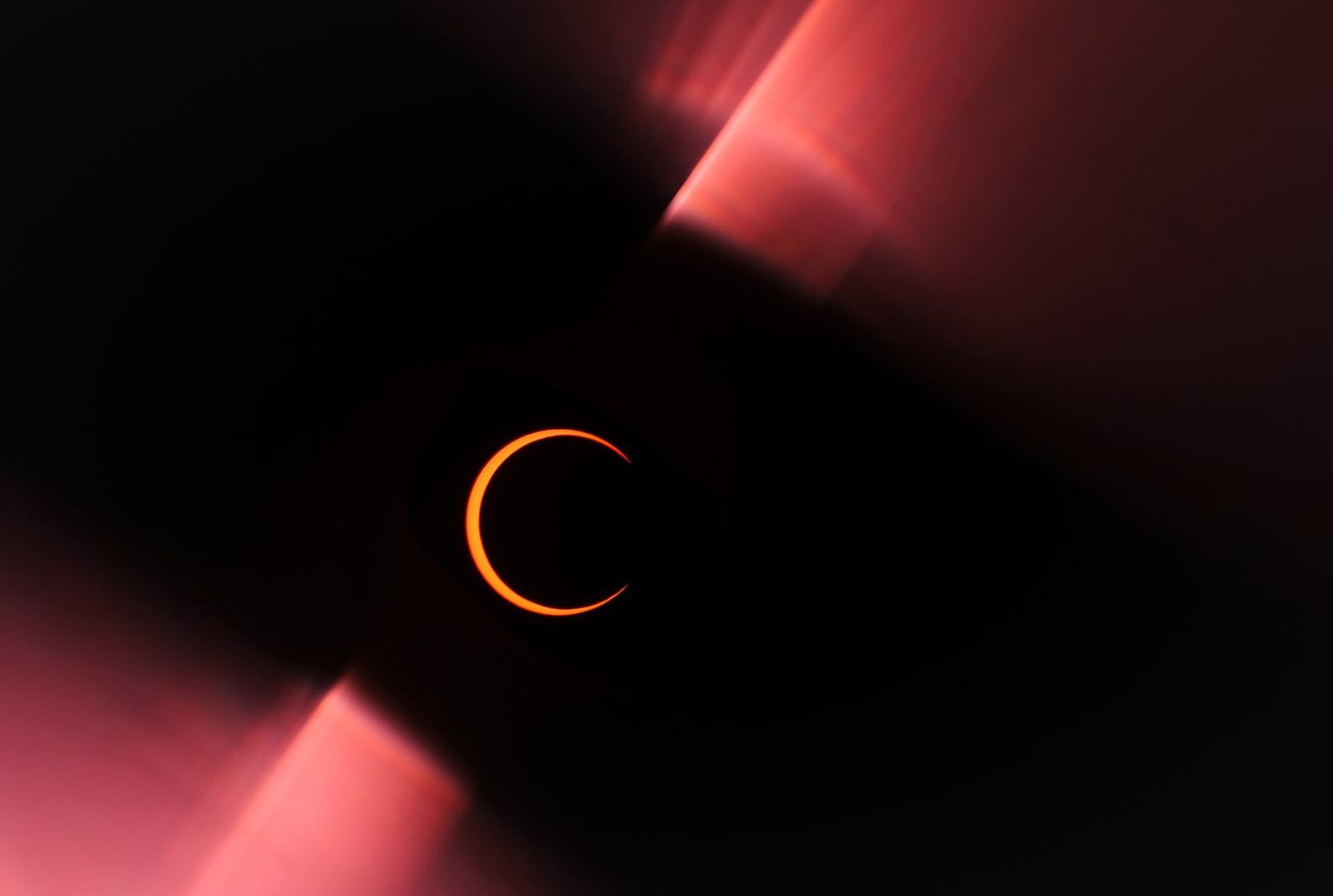
Foto: Lars Plougmann uit de Verenigde Staten · CC BY-SA 2.0, via Wikimedia Commons
Poollichtseizoen 2027: Meeliften op het aflopende deel van de zonnecyclus
2027 is zijn poollichtvenster nog niet voorbij alleen omdat de piek formeel gezien achter de rug is. NASA en NOAA kondigden in oktober 2024 gezamenlijk aan dat "de zon zijn zonne-maximum heeft bereikt," en in januari 2026 sprak de Britse weerdienst Met Office over de zonne-activiteit als "een dalende fase, als onderdeel van zijn elfjarige cyclus," waarbij het zonne-maximum "vrijwel zeker in 2024 en 2025 heeft plaatsgevonden."
Dit is het deel dat ertoe doet voor een reis in januari 2027: de Met Office voegt eraan toe dat "deze fase een periode kan zijn die vaak krachtige gebeurtenissen oplevert." NASA beaamt dat vanuit een andere hoek: "wetenschappers zien vaak behoorlijk aanzienlijke stormen tijdens de dalende fase van de zonnecyclus." Geen van beiden noemt een exacte piekmaand of een specifieke voorspelling voor 2027, en een weldenkend mens verzint die er ook niet bij.
2027 is niet het jaar waarin we "te laat zijn" zoals de term "dalende fase" misschien doet vermoeden, en het is evenmin een jaar waarop je naar één datum kunt wijzen met de belofte dat het poollicht dan krachtig zal zijn. Voor de reisberekening, donkere-hemelvensters, de afweging qua breedtegraad en de kosten van een realistische meerdaagse reis biedt onze gids over wat een noorderlichtreis daadwerkelijk kost de planningshulp die dit artikel niet behandelt.
NASA en NOAA kondigden de periode van het zonne-maximum aan in oktober 2024. Sinds januari 2026 beschrijft de Britse Met Office de zon als verkerend in een dalende fase die "vaak krachtige gebeurtenissen kan opleveren," in plaats van een dooie boel.
Wie dit beter kan overslaan: iedereen die een vaste datum nodig heeft om een reis omheen te bouwen. Het poollichtseizoen is een venster van meerdere maanden, geen afzonderlijke gebeurtenis op één datum.
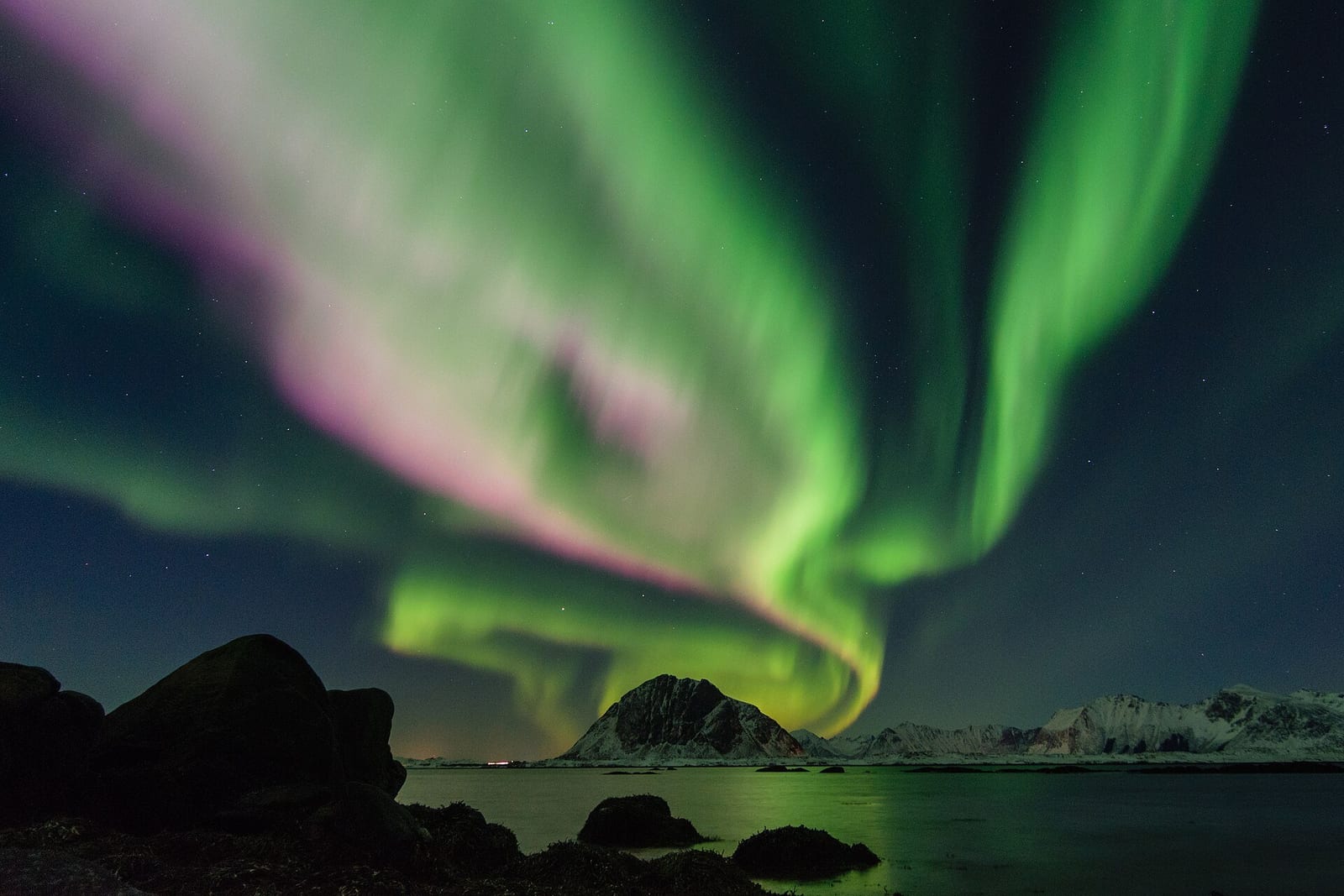
Foto: Johannes Groll followhansi · CC0, via Wikimedia Commons
12-13 augustus 2027: De Perseïden, tien dagen na de eclips en onder een heldere maan
De Perseïden bereiken hun piek in de nacht van 12 op 13 augustus 2027, met een ZHR van 100, maar de maan staat die nacht op 84 procent verlichting (IMO). Dat is de onverbloemde realiteit: een uitgedoofd jaar voor de beroemdste zwerm op de kalender, die alleen omwille van de timing op deze lijst staat en niet vanwege de kwaliteit. Het valt tien dagen na de verduistering van 2 augustus, een natuurlijke toevoeging voor wie al op die route rondhangt.
De kalender van de IMO voor 2027 legt uit waarom: "we zien de piek van de Boogschutters kort voor nieuwe maan, een toenemende maan voor de piek van de Perseïden en volle maan bij de Geminiden." Een wassende maan van 84 procent komt ruim voor middernacht op en blijft gedurende het grootste deel van het traditionele kijkvenster zichtbaar, waardoor alles behalve de helderste vuurbollen teniet wordt gedaan. De oplossing is een kwestie van timing, niet van locatie: verleg je observatie naar de uren vlak voor de dageraad na maansondergang, wanneer de hemel voor zonsopgang weer donker wordt. We noemen geen exacte tijd voor de maansondergang; dat verschilt per locatie, er is geen cijfer gepubliceerd dat het waard is om te citeren, en elke blog die je een precieze minuut voorschotelt gokt met meer zelfverzekerdheid dan de gegevens rechtvaardigen.
Wie dit beter kan overslaan: iedereen die op zoek is naar grote meteoraantallen of volumefotografie; bewaar dat maar voor een jaar met een donkere maan. Beschouw 2027 hooguit als een extra stop na de verduistering, niet als een hoofdevenement op zichzelf.

Foto: Jim Vajda uit Oxford, Ohio, VS · CC BY 2.0, via Wikimedia Commons
3-4 januari 2027: De Boogschutters, een korte, scherpe piek onder een bijna nieuwe maan
De Boogschutters bereiken hun piek in de nacht van 3 op 4 januari, met een ZHR van 120, tegenover een maan die slechts voor 13 procent is verlicht (IMO), de donkerste hemel van de drie krachtigste zwermen van het jaar. De IMO bevestigt de timing: de piek valt "kort voor nieuwe maan." Op papier de beste maanstand van alle grote zwermen in 2027.
Maar het addertje onder het gras is de zwerm zelf. De activiteit van de Boogschutters is berucht kort en hevig; de piek laat zich eerder in uren meten dan in de spreiding over meerdere nachten die de Perseïden krijgen; mis je dat venster met een halve dag, dan kelderen de aantallen snel. Voeg daaraan toe het januarieweer op de noordelijke breedtegraden waar de zwerm het best te zien is, en het beloont toewijding (een specifieke nacht, koudweerkikking) meer dan welk nonchalant plan dan ook.
Wie dit beter kan overslaan: gelegenheidskijkers die zich niet willen vastleggen op een specifiek nachtelijk venster. Het loont alleen de moeite als je binnen een dag of twee rondom de piek achter de helderste hemel aan kunt jagen, in plaats van vast te zitten aan één boeking ongeacht de weersvoorspelling.
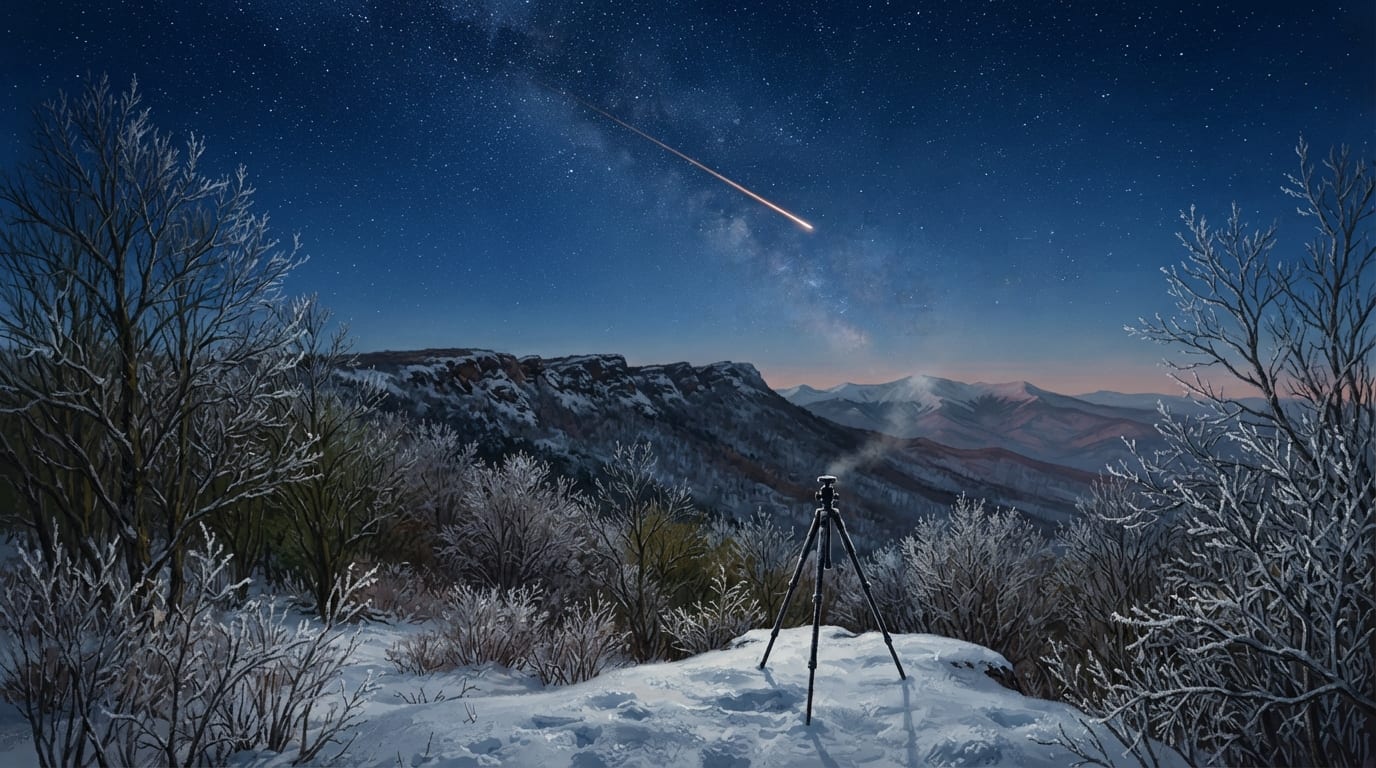
5-6 mei 2027: De Eta-Aquariden, het best te zien ten zuiden van de evenaar
De Eta-Aquariden pieken in de nacht van 5 op 6 mei 2027, met een ZHR van 50 onder een volledig donkere hemel, 0 procent maanverlichting, oftewel een echte nieuwe maan. Het eigen rapport van de IMO noemt de omstandigheden ronduit gunstig: "De omstandigheden zijn gunstig voor het waarnemen van de maximumperiode van de eta-Aquariden."
Het eerlijke nadeel zit ingebakken in de geografie en niet in de maanfase. Het stralingspunt van deze zwerm blijft voor Europa en Noord-Amerika laag aan de horizon hangen en komt daar nauwelijks boven uit voordat het ochtendgloren de hemel alend overspoelt, wat verklaart waarom waarnemers in het noorden slechts een fractie zien van wat ze in het zuiden waarnemen. Vanaf Australië, zuidelijk Afrika of Zuid-Amerika klimt het stralingspunt voor de ochtend schemert veel hoger, en dan is het de moeite waard om één keer je wekker vroeg te zetten.
Wie dit beter kan overslaan: iedereen die ten noorden van de evenaar blijft; je ziet op zijn best een handvol meteoren. Ga je die maand sowieso al naar het zuiden, dan maakt de donkere hemel het waard om een vroege wekker te zetten.
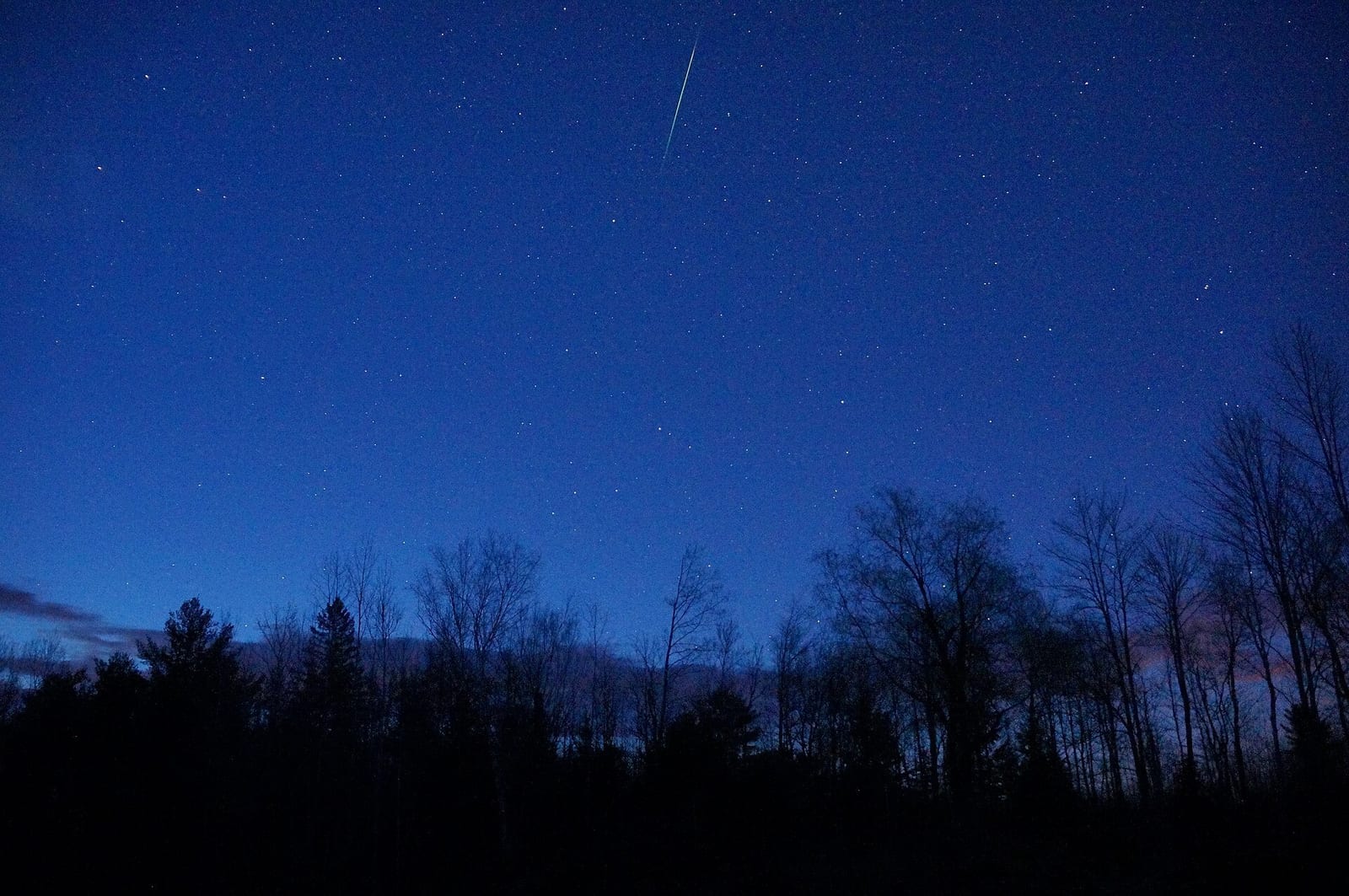
Foto: Mike Lewinski · CC BY 2.0, via Wikimedia Commons
Wat je in 2027 beter kunt overslaan
Drie dingen die op bijna elke generieke lijst met "luchtverschijnselen in 2027" opduiken, horen dit specifieke jaar niet thuis op een reisplan: de Geminiden, de Lyriden en alle drie de maansverduisteringen. Dit is het gedeelte dat een automatisch gegenereerde kalender niet kan produceren, omdat het controleren van de maanfase en het eclipstype voor elke afzonderlijke datum vereist is, in plaats van zomaar datten achter elkaar te plakken.
De Geminiden, doorgaans de beste zwerm van het jaar qua pure aantallen, pieken op 13-14 december 2027, precies onder een volle maan. De 2027-kalender van de IMO windt er geen doekjes om: "de volle maan bevindt zich dicht bij haar noordelijkste positie op de ecliptica en verstoort visuele waarnemingen daardoor ernstig." De Lyriden pieken van 22 op 23 april, drie dagen na volle maan, en hetzelfde rapport oordeelt glashelder: "Het maximum van de April-Lyriden kort na volle maan kent de slechtste omstandigheden." EarthSky's eigen telling van de hemel in die maand bevestigt de timing: de volle maan van april 2027 valt op 20 april om 22:27 UTC, drie dagen voor de piek, wat zorgt voor wat EarthSky omschrijft als een "dikke afnemende maansikkel" (red: een dikke afnemende bijna-volle maan) die "alle meteoren behalve de helderste zal doen verbleken," wat in lijn is met de verlichting van circa 95 procent in de onderstaande tabel. Beide zwermen zullen plaatsvinden. Geen van beide is een reis waard in 2027, omdat de enige variabele die een zwerm de moeite van het reizen waard maakt, namelijk een donkere hemel, ontbreekt.
Alle drie de maansverduisteringen van 2027 (20 februari, 18 juli, 17 augustus) zijn schimmige verduisteringen (penumbrale eclipsen), volgens NASA's overzicht, het zwakste type, waarbij de maan enkel door de buitenste schaduw van de aarde trekt en de meeste waarnemers niets opmerken. Heb je iets opgevangen over een gedeeltelijke maansverduistering in juli 2027? Dat is een vergissing: NASA's overzicht plaatst de volgende gedeeltelijke op 12 januari 2028, met een schaduwmagnitude van slechts 0,066, wat op zich al een geringe en makkelijk te missen gedeeltelijke eclips is.
Twee categorieën meer, die alleen genoemd worden om ze meteen weg te strepen: geen enkele geloofwaardige bron heeft voor 2027 een met het blote oog zichtbare kometen voorspeld. Een mijlpaal op het gebied van observatoria ligt lastiger. Het eerste licht van de Extremely Large Telescope valt in maart 2029 (ESO), wat echt buiten dit jaar valt. De Vera C. Rubin-telescoop is een ander verhaal: haar eerste gegevensrelease wordt verwacht 12 tot 14 maanden na de start van het LSST-overzicht, en dat overzicht zelf begon met het vastleggen van gegevens op 30 juni 2026, wat DR1 binnen 2027 plaatst, maar niemand heeft een exacte datum gepubliceerd, en een gegevensrelease is geen gedateerd publiek evenement zoals een zonsverduistering of de piek van een meteorenzwerm. Geen van beide biedt je dus om uiteenlopende redenen iets om in 2027 daadwerkelijk een reis omheen te plannen: de een komt echt te laat, de ander heeft geen vaste datum om tegenaan te boeken.
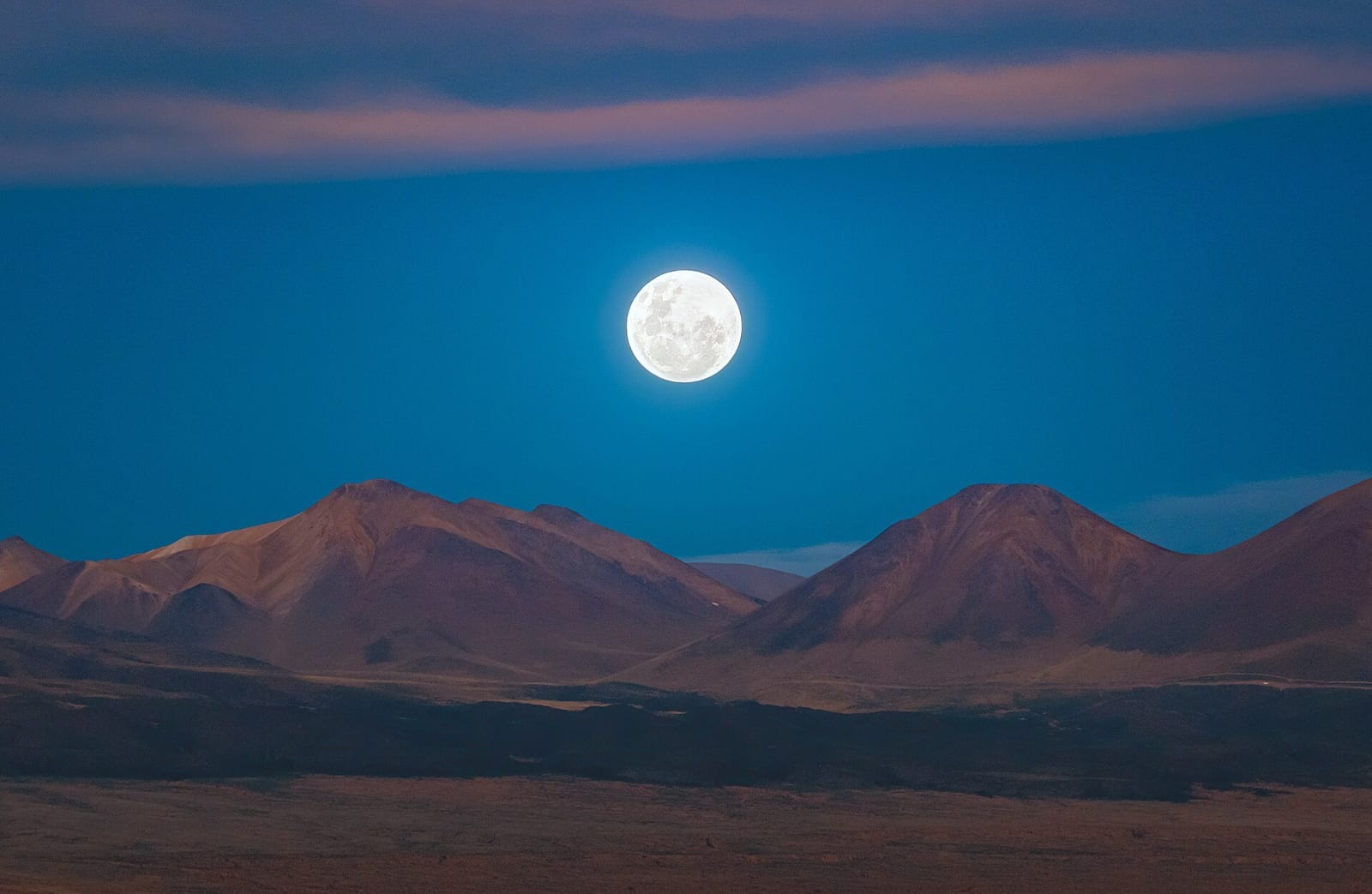
Foto: P. Horálek/ESO · CC BY 4.0, via Wikimedia Commons
Hoe we deze zes hebben gekozen
Elke inzending had vier voorwaarden nodig voordat deze de selectie haalde: een specifieke datum, een primaire bron (NASA, de IMO, Espenaks eigen referentiepagina's of een officiële toeristenorganisatie, nooit een verzamelsite van horen zeggen), een gebeurtenis die zich op geen enkele tijdschaal waar een doorsnee reiziger in plant echt herhaalt, en een eerlijk nadeel dat vooraf wordt benoemd in plaats van weggestopt.
Dat is precies de reden waarom een komeet of de mijlpaal van een observatorium hierboven ontbreekt: geen van alle heeft een gedateerde, van een bron voorziene aanleiding voor 2027. Het is ook de reden waarom de Geminiden en Lyriden een eigen sectie krijgen om over te slaan in plaats van dat ze doodgezwegen worden; een volle maan verpest beide, en dat is nuttiger om te weten dan een lijst die doet alsof ze niet bestaan.
Luchtverschijnselen zijn een nichereden om te reizen, maar niet eens zo heel klein: 45,6% van de reizen die worden gepland in TripProf noemt fotografie en uitzichten als interesse, op een totaal van 377 reizen per 2026-09-02. Elke reis kan er meer dan één kiezen, dus de percentages tellen op tot meer dan 100%; dit beschrijft de gebruikers van de app zelf, niet reizigers in het algemeen.
De volledige sterrenhemelkalender van 2027 vergeleken
Elk evenement van deze lijst, plus de drie om over te slaan, overzichtelijk naast elkaar.
| Gebeurtenis | Datum | Duur / ZHR | Maan op piek | Oordeel |
|---|---|---|---|---|
| Totale zonsverduistering (Luxor, Egypte / Cádiz, Spanje) | 2 aug 2027 | 6m 23s (max) | Nieuw (eclips) | Zelf geregeld / Reisaanbieder; Cádiz ~88% helder, Luxor alleen cirrus (Eclipsophile) |
| Ringvormige zonsverduistering (Esquel, Argentinië) | 6 feb 2027 | 7m 30s (Esquel) | Nieuw (eclips) | Zelf geregeld; bewolkingskansen nog niet bekend |
| Poollichtseizoen (Noord-Scandinavië, IJsland, Canada) | Heel 2027 | n.v.t. | Verschilt per nacht | Zelf geregeld / Reisaanbieder; venster van maanden, geen datum |
| Perseïden (donkere hemel, n. halfrond) | 12-13 aug 2027 | ZHR 100 | 84% (wassen) | Gratis; felle maan verbleekt groot deel van de show, te combineren met de reis van 2 aug |
| Boogschutters (donkere hemel, n. halfrond) | 3-4 jan 2027 | ZHR 120 | 13% | Gratis; donkerste hemel van de drie groten, smalle piek van enkele uren |
| Eta-Aquariden (z. halfrond: Australië, z. Afrika, z. Amerika) | 5-6 mei 2027 | ZHR 50 | 0% (nieuw) | Gratis; donkere hemel, stralingspunt komt in het noorden nauwelijks boven horizon |
| Geminiden (overslaan) | 13-14 dec 2027 | ZHR 150 | Vol | Overslaan Volle maan (IMO) |
| Lyriden (overslaan) | 22-23 apr 2027 | ZHR 18 | 95%, 3 dagen na volle maan (IMO) | Overslaan Slechtste omstandigheden van het jaar (IMO) |
| Maansverduisteringen (overslaan) | 20 feb / 18 jul / 17 aug 2027 | Penumbral (zwak) | Vol (per definitie) | Overslaan Zwakste type, niemand merkt het op |
Waar in een cel "niet vermeld" staat, heeft niemand dat datapunt tot nu toe gepubliceerd, en dat komt niet doordat we niet hebben gezocht.
Wat je wanneer kunt boeken, terugtellen vanaf 2 augustus 2027
De eclips dwingt je om het eerst knopen door te hakken over hotels en vluchten, dus dat is de ankerdatum.
- Nu, september 2026 Vergelijk de prijzen van vluchten en accommodaties in Spanje en Marokko voor augustus 2027. Georganiseerde reizen zitten al in de duurdere prijscategorieën en hotels langs de route raken vol (Euronews).
- Eind 2026 tot begin 2027 Zet hotelfluwelen vast in Luxor of Aswan voor Egypte; controleer of je eclipbrillen voldoen aan de ISO 12312-2 norm (AAS) voor elke fase behalve de totaliteit zelf.
- Winter 2027 Voor een reis naar het zuiden vallen de Boogschutters (3-4 januari) en de ringvormige eclips van 6 februari in hetzelfde venster en zijn ze te plannen als één reis.
- Eind juli 2027 Reis af naar je gekozen punt op de route van 2 augustus. Bouw een reserveringsdag in; zowel bewolking als vluchtvertragingen kunnen een eenmalig evenement in de soep laten lopen.
- 12-13 augustus 2027 Blijf nog even hangen voor de Perseïden tien dagen later als je nog in de buurt bent. De maan schijnt dan fel, maar je bent er nu eenmaal toch al.
Onze bredere reiskalender voor 2027 behandelt al het andere dat dat jaar plaatsvindt, zoals sportevenementen, beurzen en vliegroutes, voor het geval je een luchtverschijnsel wilt koppelen aan een grotere reis. En mocht de vraag over de boekingstermijn breder spelen dan alleen deze lijst, dan gaat onze gids over de werkelijke boekingstermijnen voor een reis in 2027 dieper in op de timing per bestemming.
Veelgestelde vragen
Is er een maansverduistering in 2027 waarvoor het loont om te reizen?
Nee. Alle drie (20 februari, 18 juli, 17 augustus) zijn penumbral, het zwakste type, volgens het eclips-overzicht van NASA. De meeste waarnemers met het blote oog zullen tijdens geen enkel van deze evenementen een zichtbare verandering aan de maan opmerken.
Bederft de maan de Perseïden in 2027?
Grotendeels. De maan staat tijdens de piek van 12-13 augustus op 84 procent verlichting (IMO), waardoor tijdens het traditionele venster na middernacht alles behalve de helderste meteoren worden weggespoeld. Verleg je blik liever naar de vroege ochtenduren na maansondergang.
Is de eclips van 2027 echt de langste van de eeuw?
Het is de langste totale zonsverduistering op gemakkelijk toegankelijk land deze eeuw, aldus Wikipedia. De eclips van 2009 duurde in totaal iets langer (6 minuten en 39,5 seconden tegenover 6 minuten en 23 seconden), maar dat maximum lag boven de open Stille Oceaan en niet op een plek waar een reiziger kon staan.
Wanneer vindt de volgende zonsverduistering in Spanje plaats na 2027?
Op 26 januari 2028, maar dat is een ringvormige bij zonsondergang, geen tweede totale verduistering (Spain.info). Onze budgetgids voor de Spaanse eclips van 2026 behandelt wat een Europese eclipsreis daadwerkelijk kost als je 2027 tegen 2028 afweegt.
Heb ik een georganiseerde reis nodig om de eclips van 2027 te zien?
Nee. Georganiseerde reizen (de Egyptetour van Harvard Alumni, de cruise van Holland America) maken de logistiek eenvoudiger tegen een hogere prijs, maar Spanje, Gibraltar en Marokko zijn op eigen houtje bereikbaar met standaardvluchten en -hotels, mits je op tijd boekt.
Wat is de allerbeste plek om de eclips van 2 augustus te bekijken?
Dat hangt af van je prioriteiten. Luxor wint op het gebied van duur (6 minuten en 22 seconden) en de bewolkingsstatistieken van Eclipsophile, maar brengt 42 graden hitte en de langste reistijd vanuit Europa met zich mee. Cádiz biedt minder dan 3 minuten maar de eenvoudigste logistiek en 88 procent kans op een heldere hemel.
Is 2027 een jaar van een zonne-maximum voor noorderlicht?
Niet direct. NASA en NOAA kondigden de periode van het zonne-maximum aan in oktober 2024, en in januari 2026 omschreef de Met Office de zon als verkerend in een dalende fase, eentje die "vaak krachtige gebeurtenissen kan opleveren."
Zijn eclipbrillen verplicht voor het gehele evenement?
Ja, behalve tijdens de totaliteit zelf. De American Astronomical Society stelt dat direct naar de zon kijken onveilig is "behalve tijdens de korte totale fase," en vereist ISO 12312-2 gecertificeerde zonnefilters voor elke gedeeltelijke fase en de gehele ringvormige verduistering.
Hoe zit het met een komeet of een nieuw observatorium in 2027?
Geen van beide levert je een reisaanleiding op. Geen enkele geloofwaardige bron heeft voor 2027 een met het blote oog zichtbare komeet voorspeld. Van de twee mijlpalen op het gebied van observatoria die mensen soms noemen, valt het eerste licht van de Extremely Large Telescope in maart 2029, wat echt buiten dit jaar valt (ESO). De eerste gegevensrelease van het Vera C. Rubin Observatorium staat gepland voor 12 tot 14 maanden na de start van het LSST-overzicht in juni 2026, wat het binnen 2027 plaatst, maar niemand heeft een exacte datum gepubliceerd, dus het is geen gedateerd publiek evenement zoals een eclips dat wel is (volgens de statuspagina van het observatorium zelf).
Belangrijkste punten
- Kies je plek op de route van 2 augustus op basis van je prioriteit, niet nabijheid. Cádiz biedt minder dan 3 minuten en eenvoudige Europese logistiek; Luxor biedt 6 minuten en 22 seconden en 42 graden hitte.
- De ringvormige zonsverduistering van 6 februari is de verrassing van het jaar. Esquels 7 minuten en 30 seconden behoren tot de langste vensters van elke verduistering in 2027, en bijna niemand plant daar momenteel een reis omheen.
- Jaag de Perseïden in 2027 niet achterna voor de hoeveelheid. Een voor 84% verlichte maan snoeit flink in het zichtbare aantal; zie het als een extra stop na de verduistering en niet als het hoofdevenement.
- Sla de Geminiden en Lyriden over dit jaar. Beide pieken vinden plaats naast een volle maan, dus de titel van "beste zwerm van het jaar" gaat naar de zwerm die daadwerkelijk een donkere hemel krijgt, niet naar de bekendste naam.
- Niets hiervan herhaalt zich op menselijke schaalgrootte. Mis je het venster van een willekeurige vermelding hier, dan wordt de eerlijke wachttijd voor een tweede kans gemeten in decennia, soms eeuwen.
- Negen landen, drie continenten, en voor elk stukje van de augustus-eclips gelden andere inreisregels. Een slimme reisapp zoals TripProf helpt je om de munteenheden, inreisvoorwaarden en seizoensgebonden notities helder te houden terwijl je het door jou gekozen stuk van deze lijst plant.
Boek op basis van de vlucht of de maanfase in plaats van de hype, en 2027 verandert van een generieke lijst met "luchtverschijnselen" in een echt, controleerbaar reisplan.
Bronnen
- NASA Eclipse Website: overzichtstabel zonsverduisteringen 2027, datums en regio's
- NASA Eclipse Website: kaartgegevens totale zonsverduistering 2 augustus 2027
- NASA Eclipse Website: kaartgegevens ringvormige zonsverduistering 6 februari 2027
- NASA Eclipse Website: overzichtstabel maansverduisteringen 2021-2030
- Wikipedia: duur en timing per stad voor de eclips van 2 augustus 2027
- Wikipedia: duur en timing per stad voor de eclips van 6 februari 2027
- Euronews: eclipsduur per stad en hoteladvies, augustus 2026
- Spain.info: eclipsroute en ringvormige details voor 2028 van het Spaanse verkeersbureau
- International Meteor Organization: meteorenzwermkalender 2027, analyse van maanomstandigheden
- International Meteor Organization: zwermdatums, ZHR en maanpercentages voor 2027
- EarthSky: timing volle maan april 2027 voor de piek van de Lyriden
- Astropixels (Fred Espenak): almanak van 2027, maanfasen en opposities
- Fred Espenaks Eclipse Primer: gemiddelde wachttijd tussen totale zonsverduisteringen
- NASA: aankondiging zonne-maximum oktober 2024
- UK Met Office: update van januari 2026 over de zonne-activiteit
- European Southern Observatory: data voor eerste licht van de ELT
- Vera C. Rubin Observatory / LSST: projectstatus en planning voor DR1
- Vera C. Rubin Observatory: startdatum LSST-overzicht, juni 2026
- Eclipsophile (Jay Anderson): wolkencelimatologie voor de route van 2 augustus 2027
- Tripadvisor: forumdiscussie over de Luxor-eclips
- Harvard Alumni Association: reisprijzen voor de Egypte-eclipstour
- Holland America Line: details van de eclipscruise
- Persbericht van Holland America Line: vertrekdatum en route van de Oosterdam
- American Astronomical Society: oogveiligheid bij eclipseren en vereisten voor brillen
Laatst bijgewerkt: 19 september 2026
Blijf lezen
Meer reistips en gidsen voor jou geselecteerd

Japan Cherry Blossom Trip 2027: What It Costs and When to Land
A cherry blossom week in Japan costs about $2,600 per person from New York and $2,200 from Los Angeles, flights included. We priced it line by line and tested 36 seasons of bloom records to find the date to land.
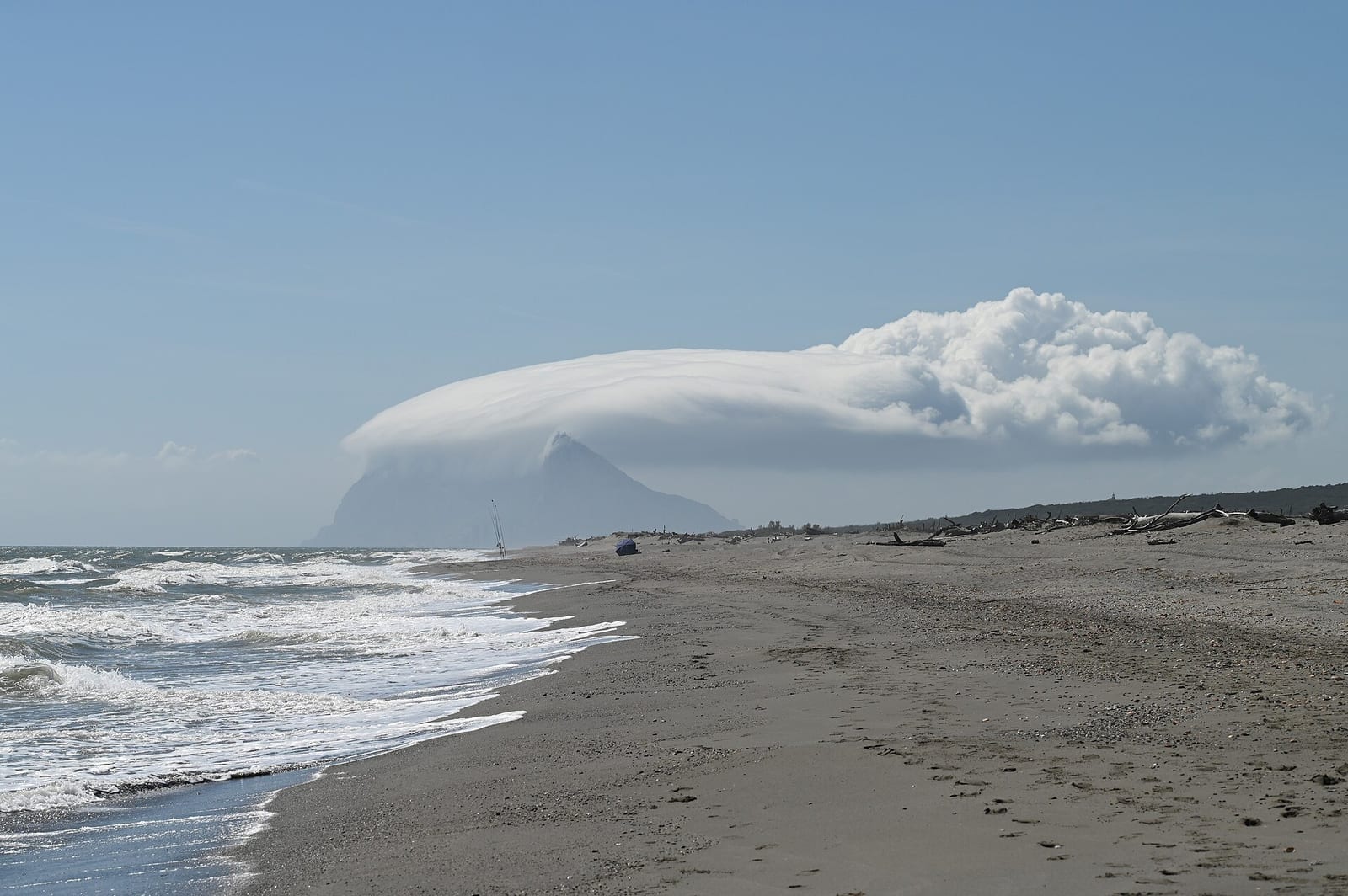
Gibraltar eclipse 2027: where to watch 4.5 minutes of totality, and where to sleep when the Rock is full
The Moon covers the Sun over Gibraltar for 4 minutes 28 seconds on 2 August 2027. Levanter cloud can pile up on the Rock's sunrise side, the airport is now a Schengen border, and Rock hotels are filling. Here's how seven bases compare for a UK group, and what the core trip costs.
8 beste dagtrips vanuit Wenen met de trein, gerangschikt op reistijd
Geen auto nodig. Acht echte dagtrips vanuit Wenen met de trein, gerangschikt van een sprong van 21 minuten tot een volle dag in Hallstatt, met actuele prijzen, reistijden en een eerlijk minpunt voor elke stop.