Europas julemarkeder 2026: Guide til budget og menneskemængder

Vigtigste pointer
- 1
- 2
- 3
+5 mere i opsummeringen nederst
Du bogmærker en lejlighed nær Strasbourgs julemarked i juli, halvt overbevist om, at sommeren er for tidlig til at tænke på gløgg. I oktober koster den samme gade 249 euro pr. nat, og det opslag, du gemte, er væk. Intet ved værelset har ændret sig. Du ventede bare tre måneder for længe.
Den kløft mellem at booke tidligt og sent er bredere end normalt i år, og selve kalenderen arbejder imod dem, der er sent ude. Julen 2026 falder på en fredag, hvilket ændrer på, hvilke weekender det rent faktisk kan betale sig at flyve ind til. Her er, hvad der er bekræftet, hvad der stadig er et gæt, og hvornår du bør låse tingene fast.
Det betyder mere end normalt at booke tidligt til Europas julemarkeder i 2026: efterspørgslen på udlejningsboliger stiger allerede hurtigere end sidste år, hvor Budapest har oplevet en stigning på 39 % i bookede nætter og er blevet 27 % dyrere pr. nat. Flyrejser bør bookes 6 til 9 måneder før. Da den 25. december 2026 falder på en fredag, er weekenden den 19. og 20. december den bedste kombination af åbne markeder og overskuelige menneskemængder, lige før nedlukningerne juleaften og nytårsbølgen. Kun syv store markeder, herunder Nürnberg, Dresden, Wien og Prag, har offentliggjort officielle datoer for 2026, mens dette skrives; Strasbourg, Budapest og København kører stadig efter forventede mønstre. Budapest, Metz og Kraków er i budgetklassen. Strasbourg, Colmar og Wien er de dyreste og mest overrendte.
Kalender for bekræftede julemarkeder 2026
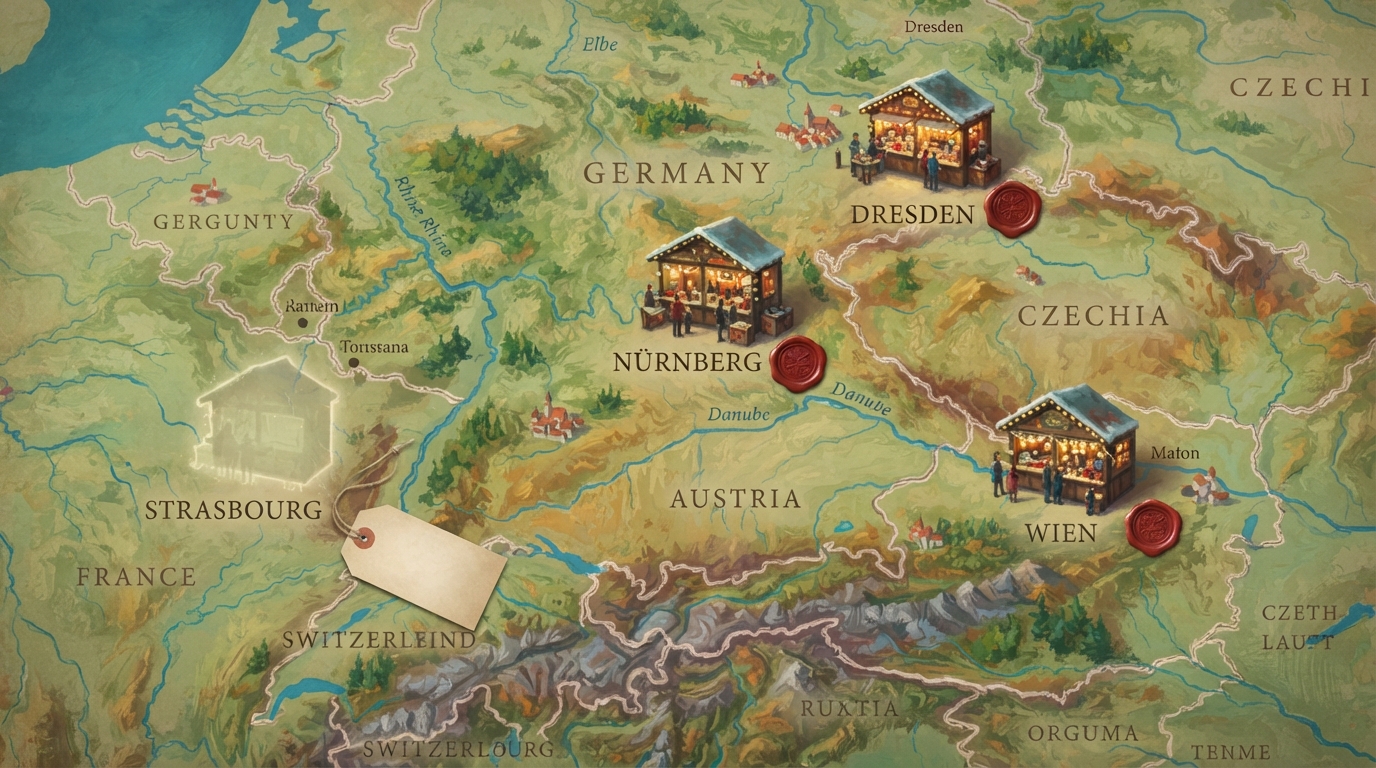
Pr. juli 2026 har kun syv af Europas store julemarkeder offentliggjort officielle datoer for 2026 på deres egne hjemmesider: Nürnberg, Dresden, Wiens Rathausplatz, Bruxelles' Winter Wonders, domkirkemarkedet i Köln, Colmar og Prags Gamle Rådhusplads. Alt andet herunder er et estimat baseret på sidste års mønster, ikke en bekræftet dato, og forskellen betyder noget, hvis du booker flybilletter, der ikke kan refunderes.
| Marked | Datoer 2026 | Status |
|---|---|---|
| Nürnberg Christkindlesmarkt | 27. nov. til 24. dec. | Bekræftet |
| Dresden Striezelmarkt | 25. nov. til 24. dec. | Bekræftet |
| Wien Rathausplatz | 13. nov. til 26. dec. | Bekræftet |
| Bruxelles Winter Wonders | 27. nov. til 3. jan. 2027 | Bekræftet |
| Prag Gamle Rådhusplads | 28. nov. til 6. jan. 2027 | Bekræftet |
| Colmar | 23. nov. til 29. dec. (gourmetmarked til 3. jan.) | Bekræftet |
| Köln Domkirkemarked | 16. nov. til 23. dec. | Bekræftet, markeret som foreløbig |
| Strasbourg Christkindelsmärik | Forventet slut-nov. til ca. 24. dec. | Estimeret |
| Budapest Vörösmarty-pladsen | Forventet ca. 13. nov. til 1. jan. 2027 | Estimeret |
| København Tivoli | Forventet ca. 13. nov. til 3. jan. 2027 | Estimeret |
| Tallinn Rådhuspladsen | Forventet ca. 20. nov. til 6. jan. 2027 | Estimeret |
Et par ting er værd at bemærke i den tabel. Kölns egen markedshjemmeside angiver datoen 16. november som "voraussichtlich", hvilket betyder foreløbig, selvom det er arrangørens egen offentliggjorte dato og ikke et gæt fra tredjepart. Kölns marked lukker også én dag midt i perioden, den 22. november (Totensonntag), en tysk mindedagstradition. Strasbourg er den største usikkerhed. Ved dette tjek i juli 2026 viste byens officielle juleside (noel.strasbourg.eu) stadig datoer for 2025, 26. november til 24. december, med en note om, at næste års layout blev planlagt "bag kulisserne". Strasbourgs egne nylige sæsoner har ikke fulgt én fast ugedagsregel; 2024 kørte fra 27. november til 27. december, 2025 kørte fra 26. november til 24. december, så det sikreste estimat er slutningen af november til juleaften frem for en enkelt gættet dato. Strasbourgs forsinkelse er også værd at holde øje med, fordi byen har brugt de sidste to år på at debattere foranstaltninger til menneskemængdekontrol for markedet, hvilket dækkes senere i denne guide, og en formel kapacitetsplan kunne plausibelt forsinke den offentlige udmelding.
Læg mærke til, hvilke markeder der mangler datoer, og hvilke der ikke gør. Nürnberg og Dresden, begge århundreder gamle markeder, der følger en fast borgerlig adventskalender, havde 2026-datoer låst fast længe før denne artikel blev skrevet, og Colmar var ikke langt bagefter. Strasbourg, Budapest, København og Tallinn er de fire, der stadig kører efter estimater frem for bekræftelse pr. juli 2026. Intet af dette garanterer noget om, at de endelige datoer ikke ændrer sig; det er blot en påmindelse om at tjekke markedets egen side, før du låser ikke-refunderbare rejser fast omkring det. Hvis du kombinerer flere markeder i Alsace- og Rhinområdet på én rejse, dækker vores guide til planlægning af en rejse til flere byer i Europa, hvordan du sekventerer stop uden at spilde rejsedage på at køre tilbage.
Hvorfor årets markeder bliver booket hurtigere (og dyrere)
Data om korttidsudlejning fra PriceLabs, der dækker 15 store europæiske julemarkedsbyer, viser, at antallet af bookede nætter stiger i næsten hver eneste af dem for december 2025, mens udbuddet af udlejningsboliger samtidig skrumper i de fleste. Den kombination - mere efterspørgsel, der jagter færre senge - er det, der presser priserne pr. nat op i 2026, før sæsonen overhovedet er åbnet.
PriceLabs' analyse, offentliggjort i december 2025, viste, at Budapest førte an på begge fronter: 39 % flere bookede nætter end året før og et hop på 27 % i gennemsnitsprisen pr. nat til 81 euro. Wiens pris steg 25 % til 231 euro, og Innsbrucks steg 24 % til 161 euro, de to stejleste stigninger efter Budapest. Frankfurt (+35 % bookede nætter), Basel (+26 %) samt Prag og Kraków (+24 % hver) runder de hurtigst voksende markeder af. Kun København viste uændret efterspørgsel år over år. Platformen for udlejningsmarkedet bnbnews.gr, der dækker det samme PriceLabs-datasæt, rapporterede, at faldet i udbuddet delvist var drevet af strammere regler for korttidsudlejning og stigende driftsomkostninger for værter, hvilket er en separat, strukturel årsag til, at priserne sandsynligvis ikke falder.
Resten af feltet, ifølge det samme PriceLabs-datasæt, voksede mere moderat, men overgik stadig uændret efterspørgsel: Nürnberg og Salzburg registrerede begge 16 % flere bookede nætter, Metz og Wien 9 % hver, Köln 7 %, Strasbourg 11 %, Innsbruck 10 %, og Bruxelles og Colmar var de langsomste med henholdsvis 3 % og 2 %. Det, der skiller sig ud, er, at selv de langsomst voksende markeder, Colmar og Bruxelles, stadig så efterspørgslen stige, ikke falde. I et normalt år ville man forvente, at mindst et par af de 15 byer ville køle af fra året før. I år voksede hver eneste by undtagen København. Det er forskellen på "book tidligt, fordi priserne normalt sniger sig op" og "book tidligt, fordi denne specifikke sæson kører varmere end de sidste mange".
Hvis du lægger budget i dollars frem for euro, tilføjer valutasiden endnu et lag. Bank of Americas prognose fra juli 2026 forventer, at euroen vil falde over for dollaren i tredje kvartal, før den genvinder terræn mod 1,15 ved udgangen af 2026, hvilket betyder, at den samme euro-prissatte booking kan koste mærkbart forskellige beløb i dollars afhængigt af, hvornår du rent faktisk betaler for den, kontra hvornår du booker den. Det er en separat risiko fra stigningerne i priser pr. nat ovenfor, og en som sammenligning af multivalutakort dækker mere detaljeret, hvis du betaler for overnatning, mad og transport på tværs af flere lande på én rejse.
Tidslinje for booking
Flyrejser til Europa bør bookes 6 til 9 måneder før afrejse, ifølge flyprissøgemaskinen Going.com, som fandt, at priserne stiger stejlt efter midten af september og igen i de sidste tre uger før afrejse. For et marked, der åbner i slutningen af november 2026, er det vindue allerede lukket: 9-måneders-mærket var i februar, og 6-måneders-mærket var i slutningen af maj. Så hvis du ikke har booket fly endnu, er du gået glip af det ideelle vindue, og priserne vil begynde at stige stejlt, når midten af september rammer.
- Book fly nu, hvis du ikke har gjort det; priserne stiger stejlt efter midten af september ifølge Going.coms data
- Book overnatning i Strasbourg eller Colmar tidligt; begge havde allerede 70 %+ belægning for 1.-20. dec. i 2025
- Undgå vinduet 20. dec. 2026 til 3. jan. 2027, hvis dine datoer er fleksible; det er årets dyreste rejseperiode
- Tjek et markeds officielle side direkte for datoer, før du booker ikke-refunderbare rejser; flere 2026-datoer er stadig ubekræftede
- Saml dokumenter og pakkelister ét sted i god tid før afrejse, ikke ugen før
Det sidste punkt fortjener sin egen advarsel, for det er den fejl, der koster mest.
Små byer bliver udsolgt før storbyer. Strasbourg og Colmar har langt færre senge end Wien eller Prag, så deres belægning rammer kapacitetsgrænsen, og deres priser stiger, uger tidligere i bookingcyklussen. En "se tiden an"-tilgang koster mere der end noget andet sted på denne liste.
Goings separate analyse af nytårsrejsevinduet fandt, at den tre uger lange periode fra omkring 17. december til 7. januar typisk er den dyreste tid at flyve på hele året, hvilket overlapper næsten præcis med anden halvdel af julemarkedssæsonen. Hvis dine datoer overhovedet er fleksible, er det den periode, du skal undgå, og det stemmer også overens med matematikken omkring menneskemængder i næste afsnit.
Og opdelingen mellem bekræftede og estimerede datoer fra tidligere ændrer også på, hvordan du bør booke. Hvis du er på vej til et marked med bekræftede datoer - Nürnberg, Dresden, Wien, Bruxelles, Köln, Colmar eller Prag - kan du booke fly, hoteller og endda markedsspecifikke billetter ud fra den rigtige kalender lige nu. Hvis dit mål stadig er estimeret - Strasbourg, Budapest, København eller Tallinn - så book fly med en fleksibel billettype eller et vindue for gratis ændringer, og vent med at låse overnatning fast til ikke-refunderbare priser, indtil byen offentliggør sine egne datoer. Kløften mellem den estimerede dato og den endelige bekræftede er normalt en dag eller to, ikke en uge, men en dag eller to betyder noget, hvis din togbillet eller ikke-refunderbare lejlighedsbooking var sat til et marked, der ikke er åbnet endnu.
Vi har set dette præcise kapløb ske hver december: et booking-regneark fra juli bliver opgivet inden oktober. En rejseplanlægnings-app som TripProf kan holde dine flybekræftelser, pakkeliste og dokumentscanninger ét sted, så intet går tabt mellem de to. For den mere fyldestgørende version af, hvad du skal have klar før enhver Europarejse, er vores tjekliste til rejsedokumenter et godt udgangspunkt.
Fordi julen 2026 falder på en fredag: Dine bedste (og værste) weekender at tage afsted
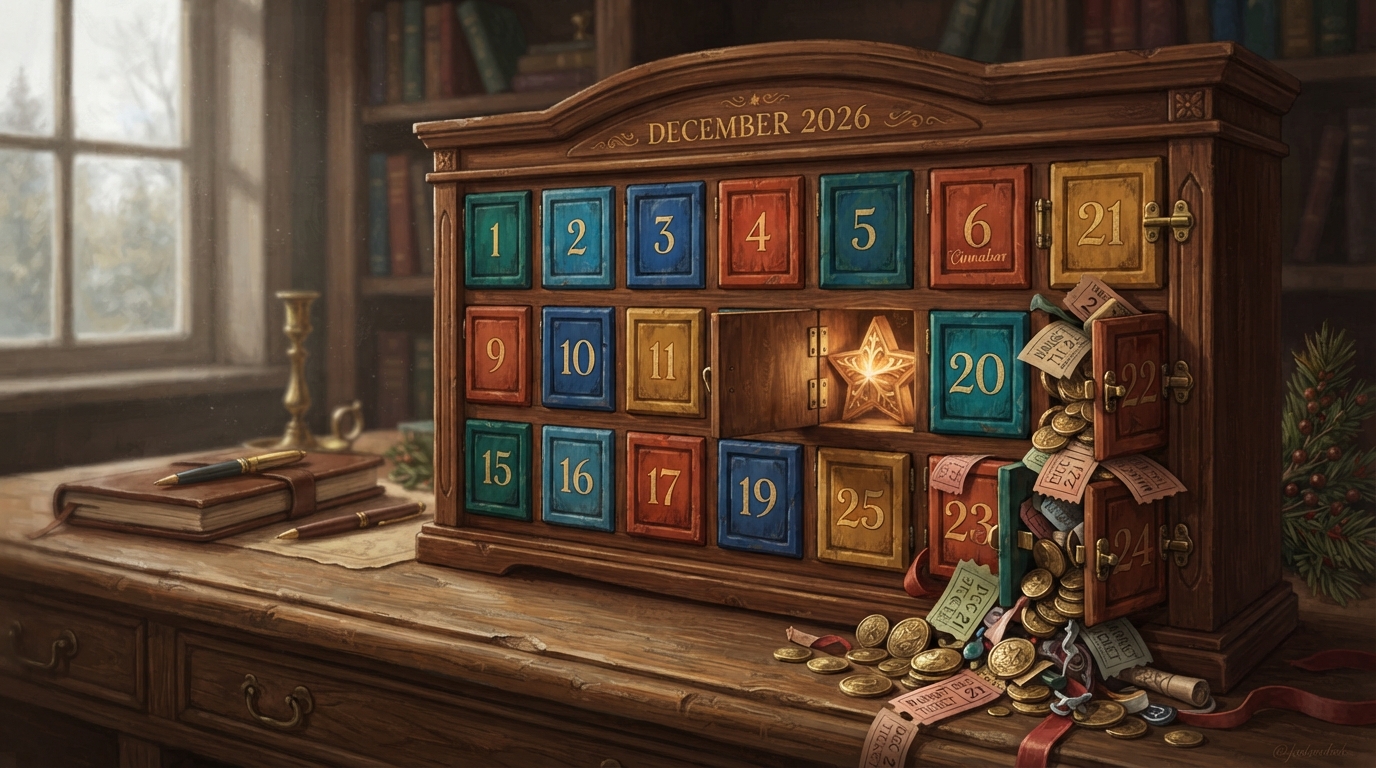
Den 25. december 2026 lander på en fredag, og det faktum alene omformer hele adventskalenderen. Første søndag i advent er 29. november, de fleste markeder åbner fredagen lige før, og juleaften falder på en torsdag. Det betyder, at den sidste fulde weekend før markeder, der lukker den 24. december, lukker ned, er 19. og 20. december, og det er den bedste weekend i kalenderen: alt er fuldt åbent, dekorationerne har haft tre uger til at falde på plads, og den bølge af menneskemængder, der rammer efter 20. december, er ikke startet endnu.
- 29. nov. 2026 Første søndag i advent. De fleste markeder er åbne på dette tidspunkt, og nogle åbner fredagen før, 27. nov.
- 19. til 20. dec. 2026 Sidste fulde weekend før nedlukningerne før jul. Den bedste kombination af fuldt program og færre mennesker.
- 24. dec. 2026 (torsdag) Juleaften. Nürnberg, Dresden og Köln lukker alle for sæsonen inden denne dato, de fleste med en kort sidste formiddag.
- 25. dec. 2026 (fredag) Juledag.
- 26. til 27. dec. 2026 En anden ferieweekend. Wien er åben på sin sidste dag den 26.; Prag, Bruxelles og Colmars gourmetmarked fortsætter forbi denne weekend og ind i nytårsmyldret også.
- 1. til 3. jan. 2027 Nytårsweekend. Den sidste bølge for ethvert marked, der stadig er åbent, og afslutningen på årets dyreste rejseperiode.
Hvis du ikke husker andet fra denne kalender, så husk den ene weekend.
Hvis du kun kan vælge én weekend, så vælg 19. og 20. december 2026. Det er den sidste weekend før nedlukningerne juleaften starter, hvilket betyder, at den undgår både myldret før nedlukningen og den anden bølge efter jul.
Den værste periode går den anden vej: alt fra 20. december til 3. januar stabler menneskemængder oven på årets dyreste fly- og hotelpriser. Det vindue rammer også tre grupper af markeder forskelligt. Nürnberg, Dresden, Köln og de estimerede Strasbourg-datoer lukker alle inden 24. december, så de undgår rebound-effekten den 26. og 27. december og nytårsmyldret fuldstændigt; deres sæson er simpelthen forbi. Wien kører til og med 26. december, hvor de fanger menneskemængden fra den anden ferieweekend, men lukker før nytårsbølgen ankommer. Prag, Bruxelles, Colmars gourmetmarked og de estimerede datoer for Budapest, København og Tallinn kører hele vejen ind i januar, hvilket betyder, at de absorberer begge bølger lige efter hinanden. Hvis det at undgå menneskemængder betyder mere for dig end en lang rejse, er et marked, der lukker tidligt, besøgt over 19. og 20. december, det roligere valg af natur, ikke held.
Hvis du bygger en længere Europarejse op omkring sæsonen frem for et enkelt markedsbesøg, bruger vores uge-for-uge guide til Europas kalender for 2026 den samme form for dato-først-tilgang for resten af året.
Budgetklasser: Billigt og roligt vs. dyrt og overrendt
Ikke alle julemarkeder koster det samme, og kløften har intet at gøre med kvalitet. PriceLabs' data fra december 2025 placerer Budapests gennemsnitlige pris pr. nat på 81 euro, mens Strasbourg og Colmar ligger over 248 euro, en tredobbelt spredning på tværs af markeder, der alle sælger nogenlunde den samme gløgg og ristede kastanjer.
Den billige og rolige klasse
| By | Gns. pris pr. nat | Årlig vækst i bookede nætter |
|---|---|---|
| Budapest | 81 € | +39 % |
| Metz | 83 € | +9 % |
| Kraków | 87 € | +24 % |
| Frankfurt | 105 € | +35 % |
| Prag | 106 € | +24 % |
Budapest er den billigste base med en klar margin, men det er værd at vide, at madpriserne ved boderne lige på Vörösmarty-pladsen ikke altid har matchet byens lave overnatningsomkostninger. Tilbage i december 2023 rapporterede Euronews, at hotdogs på markedet blev solgt for 21 euro og fyldte kålblade for 17 euro, mod en gennemsnitlig ungarsk månedsløn på under 830 euro på det tidspunkt.
Det er et datapunkt fra 2023, ikke en aktuel prisliste, men det mønster, det beskriver - mad fra markedsboder, der ligger langt over, hvad overnatningspriserne antyder - er værd at lægge budget efter frem for blot at antage det ud fra værelsesprisen alene.
"Dette er ikke designet til ungarske pengepunge."
Margit Varga, en markedsbesøgende fra Pécs, citeret af Euronews i december 2023.

Den dyre og overrendte klasse
| By | Gns. pris pr. nat | Årlig vækst i bookede nætter |
|---|---|---|
| Strasbourg | 249 € | +11 % |
| Colmar | 248 € | +2 % |
| Wien | 231 € | +9 % |
| Salzburg | 193 € | +16 % |
| Basel | 167 € | +26 % |
Strasbourg og Wien trak begge et slående ens antal i nyere historie: et officielt 3,3 millioner besøgende hver over deres sæsoner i 2023, Strasbourgs ifølge rapportering om markedets rekordbesøg, Wiens bekræftet direkte af Wien bys egen pressemeddelelse fra december 2023, som satte tallet til 3,3 millioner gæster over markedets 47-dages forløb. Strasbourgs tal pressede lokale embedsmænd til at begynde at diskutere adgangsbegrænsninger.
"Beredskabsopsætningen er forskellig for 100.000 kontra 80.000 mennesker."
Jacques Witowski, præfekt for Bas-Rhin, citeret om foreslåede foranstaltninger til menneskemængdehåndtering i Strasbourg.
Ingen hård adgangsbegrænsning er blevet bekræftet for Strasbourg, mens dette skrives, men selve debatten fortæller dig, hvad du kan forvente på stedet: kontrolposter, ensrettet trafik på de travleste dage og reel trængsel i weekenderne på Grande Île. Det er en del af et bredere mønster, der udspiller sig på tværs af europæiske turistdestinationer, hvilket vores guide til overturisme og turistskatter dækker mere i dybden.
Fem markeder ligger i midten og optræder ikke i nogen af tabellerne, ifølge de samme PriceLabs-data: Bruxelles (140 € pr. nat), Köln (156 €), Nürnberg (159 €), Innsbruck (161 €) og København (191 €). Ingen af dem er den billigste base på kontinentet, og ingen af dem tiltrækker den form for debat om overbefolkning, som Strasbourg gør. Hvis budgetklassen føles for langt fra begivenhederne, og den dyre klasse føles for overrendt, er denne mellemgruppe værd at se nærmere på, især Nürnberg, som byadministrationen siger trak mere end to millioner besøgende i 2024 og forventede nogenlunde det samme igen i 2025, til en pris pr. nat på under to tredjedele af Strasbourgs. Hvis mellemklassen stadig føles dyrere, end dit rejsebudget tillader, gennemgår vores guide til billigere rejsevinduer i Europa, hvor du ellers kan skære ned på udgifterne.
Ofte stillede spørgsmål
Hvornår skal jeg booke fly til Europas julemarkeder i 2026?
Book 6 til 9 måneder før afrejse. For et marked, der åbner i slutningen af november 2026, åbnede det vindue allerede i februar og lukker i slutningen af sommeren, hvorefter priserne stiger stejlt, især gennem toppen fra 20. december til 3. januar.
Hvad er det billigste julemarked at besøge i Europa i 2026?
Budapest havde den laveste gennemsnitlige pris pr. nat blandt 15 store markedsbyer i PriceLabs' analyse fra december 2025, på 81 euro, efterfulgt af Metz på 83 euro og Kraków på 87 euro.
Hvilken weekend har den bedste kombination af åbne markeder og overskuelige menneskemængder i 2026?
19. og 20. december 2026. Det er den sidste fulde weekend, før markeder, der lukker juleaften, lukker ned, og den falder før både myldret før nedlukningen og bølgen efter jul.
Er alle datoer for julemarkeder i 2026 officielle endnu?
Nej. Pr. juli 2026 har kun syv store markeder - Nürnberg, Dresden, Wien, Bruxelles, Köln, Colmar og Prag - offentliggjort bekræftede datoer for 2026. Strasbourg, Budapest, København og Tallinn kører stadig efter estimerede datoer baseret på tidligere års mønstre.
Begrænser Strasbourg antallet af besøgende til sit julemarked?
Embedsmænd har diskuteret kapacitetskontrol, efter at markedet trak rekordstore 3,3 millioner besøgende, men ingen adgangsbegrænsning var bekræftet, mens dette skrives. Præfekten for Bas-Rhin har sagt, at ressourcerne til håndtering af menneskemængder er væsentligt forskellige mellem 80.000 og 100.000 daglige besøgende.
Betyder euro-til-dollar-kursen noget for et julemarkedsbudget?
Ja, for alle, der betaler i dollars. Bank of Americas prognose fra juli 2026 forventer, at euroen vil falde over for dollaren i tredje kvartal, før den genvinder terræn mod 1,15 ved årets udgang, hvilket ændrer den reelle pris på en euro-prissat rejse afhængigt af, hvornår du veksler.
Hvilke julemarkeder kører ind i januar 2027?
Prag, Bruxelles og Colmars gourmetmarked er bekræftet til at køre forbi nytår. De estimerede datoer for Budapest, København og Tallinn strækker sig også ind i januar, hvilket betyder, at de alle rammer både juleugen og nytårsbølgen i besøgstal og prissætning.
Vigtige pointer
- Book fly 6 til 9 måneder før. For en markedsåbning i slutningen af november 2026 lukker det vindue denne sommer, ikke næste måned.
- Kun syv store markeder har bekræftede 2026-datoer pr. juli 2026. Betragt alle andre datoer på denne liste som et mønsterbaseret estimat, indtil byen offentliggør det officielt.
- 19. og 20. december 2026 er den bedste weekend at tage afsted: markederne er fuldt åbne, og de to store bølger af menneskemængder er ikke ramt endnu.
- Undgå vinduet 20. december til 3. januar, hvis dine datoer er fleksible; det er årets dyreste rejseperiode i Europa.
- Budapest, Metz og Kraków er budgetklassen for overnatning. Strasbourg, Colmar og Wien er de dyreste og mest overrendte.
- Små byer med færre senge, især Strasbourg og Colmar, bliver udsolgt og får prisstigninger tidligere end storbyer, så book dem først.
- En rejseplanlægnings-app som TripProf kan holde dine dokumentscanninger, pakkeliste og løbende udgiftsregnskab ét sted, så rejselogistikken ikke går tabt mellem et booking-regneark fra sommeren og en afrejse i december.
- I år belønnes de, der er tidligt ude, mere end normalt. Lås weekenden fast først, og byg derefter resten af rejsen op omkring den.
Kilder
- ShortTermRentalz: Efterspørgslen på ferieboliger stiger på tværs af Europas bedste julemarkedsdestinationer (PriceLabs-analyse, december 2025)
- BnB News: Øget efterspørgsel på korttidsudlejning ved europæiske julemarkeder (december 2025)
- Euronews: Lokale siger, at de er blevet presset ud af julemarkederne (december 2023)
- Going.com: Bedste tidspunkt at booke juleflyrejser
- Going.com: Guide til nytårsrejser
- ExchangeRates.org.uk: BofA euro-til-dollar-prognose (juli 2026)
- Wien Turistråd: Wiens julemarkeder
- Wien bys presseafdeling: Besøgstal for Wiener Christkindlmarkt 2023 (december 2023)
- Officiel side for julemarkedet ved domkirken i Köln
- ici (Radio France): Datoer for Colmars julemarkeder 2026
- Prag City Tourism: Julemarked på den Gamle Rådhusplads
- Officiel side for Nürnberg Christkindlesmarkt
- t-online: Besøgstal og økonomisk betydning for Nürnberg Christkindlesmarkt
- Économie Matin: Strasbourg begrænser adgang til julemarked
- Officiel side for Dresden Striezelmarkt
- Bruxelles by: Winter Wonders
- Strasbourg by: Officiel side for julehovedstaden
Sidst opdateret: 19. september 2026
Fortsæt læsningen
Flere rejsetips og guides udvalgt til dig

Ireland at Rugby World Cup 2027: what the trip costs from Dublin
Following Ireland at Rugby World Cup 2027 costs roughly 3,800 to 6,500 EUR per person from Dublin. Here are the fixtures in Irish time, how Irish fans buy packages in euro, the free eVisitor, and the route that keeps a Melbourne knockout open.

Japan Cherry Blossom Trip 2027: What It Costs and When to Land
A cherry blossom week in Japan costs about $2,600 per person from New York and $2,200 from Los Angeles, flights included. We priced it line by line and tested 36 seasons of bloom records to find the date to land.

Gibraltar eclipse 2027: where to watch 4.5 minutes of totality, and where to sleep when the Rock is full
The Moon covers the Sun over Gibraltar for 4 minutes 28 seconds on 2 August 2027. Levanter cloud can pile up on the Rock's sunrise side, the airport is now a Schengen border, and Rock hotels are filling. Here's how seven bases compare for a UK group, and what the core trip costs.