De bedste steder at se nordlys i 2027
Vigtigste pointer
- 1
- 2
- 3
+3 mere i opsummeringen nederst
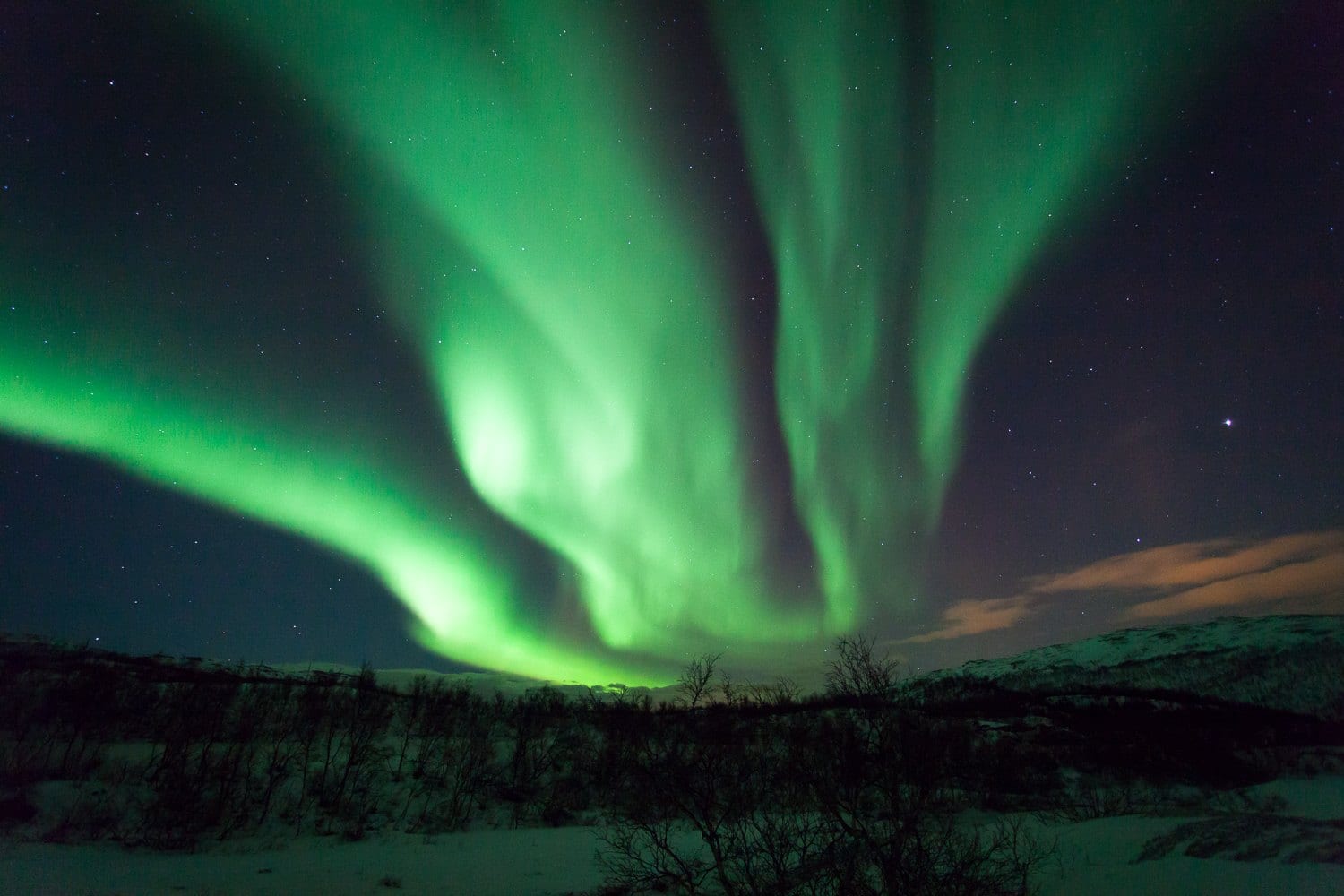
Du står på en kaj i Tromsø klokken 23.00, temperaturen viser -8, og himmelen over fjorden er lige gået fra sort til et svagt grønt slør, der bliver klarere, mens du kigger på det. Et sted bag dig tjekker en rejseleder flyradaren for solvindens hastighed. Om tre dage skal du efter planen sidde ved dit skrivebord igen. I aften er din eneste chance, du har booket.
Dette er udvalget til netop den slags aften: de bedste steder at se nordlys i 2027, valgt ud fra én ting over landskabet - en reel, tidsbestemt årsag til at rejse i denne specifikke sæson, ikke bare "nordlysland"-hype.
Solcyklus 25 nåede sit højdepunkt i oktober 2024, men årene lige efter et højdepunkt er der, hvor en anden og langsommere form for stormaktivitet har det med at bygge sig op, drevet af koronahuller frem for solpletter. Fra september 2026 betyder det, at 2026-27 og 2027-28 byder på hyppigere chancer for storme, for det meste beskedne af slagsen, før cyklussen aftager i det tidlige til midterste årti af 2030'erne. Denne guide rangerer 10 destinationer efter en tidsbestemt katalysator for 2026-27 - et nyt fly, en lufthavnsåbning, et genåbnet vartegn, en garanti - ikke efter de smukkeste billeder. Hvert indslag linker til, hvad det koster, eller henviser til vores fulde guide til omkostninger ved nordlysrejser i 2026.
De 10 bedste nordlysdestinationer i 2027 rangeret
Gennemse tabellen herunder for at finde det indslag, der passer til dine datoer, og spring derefter til dets afsnit for at se katalysatoren, prisen og den ene ting, du skal vide, før du booker.
| Destination | 2026-27 katalysator | Bedste måneder |
|---|---|---|
| Tromsø, Norge | 4 nye direkte vinterruter | Nov-jan (mørketid) |
| Abisko / Kiruna, Sverige | Genhuset kirke genåbner; "blåt hul"-himmel | Okt-mar |
| Finsk Lapland | 4 nye britiske ruter til Kittilä / Rovaniemi | Mar-tidlig apr |
| Island | Nye ruter til Gdańsk og Genève | Dec-jan, jævndøgn |
| Ilulissat / Nuuk, Grønland | Tredje lufthavn åbner; ny Københavns-forbindelse | 1-27 mar 2027 |
| Fairbanks, Alaska | Aurora Winter Train vender tilbage | Feb-mar |
| Yellowknife, NWT | Ny helårsflyvning til Edmonton | Midt-nov-tidlig apr |
| Svalbard | Sjældent vindue for dagssynligt nordlys | 14 nov-29 jan |
| Den norske kyst med skib | Pengene-tilbage-nordlysgaranti | Sep 2026-mar 2027 |
| Britiske / nordamerikanske breddegrader | Gratis stormvarslingstjenester | Ingen fast sæson |
Nye direkte flyvninger gør en stor del af arbejdet her - se vores oversigt over nye direkte fly, der lander i 2027 for ruter uden for nordlysland, og vores guide til omkostninger ved nordlysrejser i 2026 for, hvad disse rent faktisk koster. Hvis nordlys ikke er den eneste årsag til, at du rejser i denne vinter, dækker vores guide til de bedste steder at besøge i vinteren 2026-2027 destinationer, der ikke behøver en klar himmel.
Hvorfor netop 2027 (og hvorfor stormene ikke nødvendigvis bliver større)
Kort svar: 2026-27 ligger i årene lige efter solmaksimum, hvor geomagnetiske storme forekommer hyppigere, ikke hvor de bliver størst. Den forenkling, som de fleste antager - "vi er forbi toppunktet, så det aftager" - er stik modsat for den type storm, der fylder de fleste nætter med synligt nordlys.
Solcyklus 25 nåede sit højdepunkt i oktober 2024, stærkere end næsten nogen havde forudsagt. NASA og NOAA annoncerede maksimumfasen den måned, og Elsayed Talaat fra NOAA var ligefrem om, hvad det ikke betød: „Denne meddelelse betyder ikke, at dette er toppen af den solaktivitet, vi vil se i denne solcyklus.“ Maksimumfasen ville „vare et års tid endnu, før solen går ind i den aftagende fase“ - hvilket placerer 2026 og 2027 inde i den aftagende fase.
Men her er det, de fleste toplister springer over. Højhastigheds-solvindstrømme fra koronahuller, ikke solpletter, er årsagen: NOAA's egen side om koronahuller oplyser, at disse strømme er „mere almindelige og vedvarende i årene omkring solminimum“, hvilket er præcis der, hvor 2026-27 placerer sig på vejen ned fra 2024-toppunktet. FMI sætter tal på forsinkelsen: store nordlysdisplays følger solpletter „med et par års forsinkelse.“
NOAA's egen side om koronahuller fastslår loftet ærligt: kraftige koronahulsstrømme forårsager storme „til G1-G2-niveau (svage til moderate); selvom sjældnere tilfælde af kraftigere storme også kan forekomme.“ Oversættelse: flere nætter med en smule nordlys, for det meste beskedent, af og til større. Ikke en gentagelse af G5-stormen i maj 2024, som nåede til Irland, Portugal, Spanien og Sardinien som „den mest intense storm siden allehelgensaftens-solstormene i 2003“. Rumfysiker Tamitha Skov, citeret via Space.com i oktober 2025, kaldte en gentagelse for mulig, men ikke typisk: „chancerne for, at vi får endnu en stor G5 med disse sidste krampetrækninger, er ret høje“ - en chance, ikke en prognose, og nu næsten et år gammel i sig selv.
Book ikke 2027 i forventning om et større show end 2024. NOAA's egne G-skalatallene herunder viser, at de største storme er sjældne i alle dele af cyklussen. Det, der ændrer sig i den aftagende fase, er, hvor ofte de beskedne dukker op, ikke deres loft.
Wikipedias generelle artikel om solcyklussen læser næsten som en gendrivelse: storme „når et højdepunkt tæt på solpletmaximum“. Begge dele er sande. Ekstreme, CME-drevne storme hober sig op nær maksimum; de hyppige, koronahulsdrevne når deres højdepunkt senere, nu. Flere nætter, ikke større storme er hele argumentet for 2027.
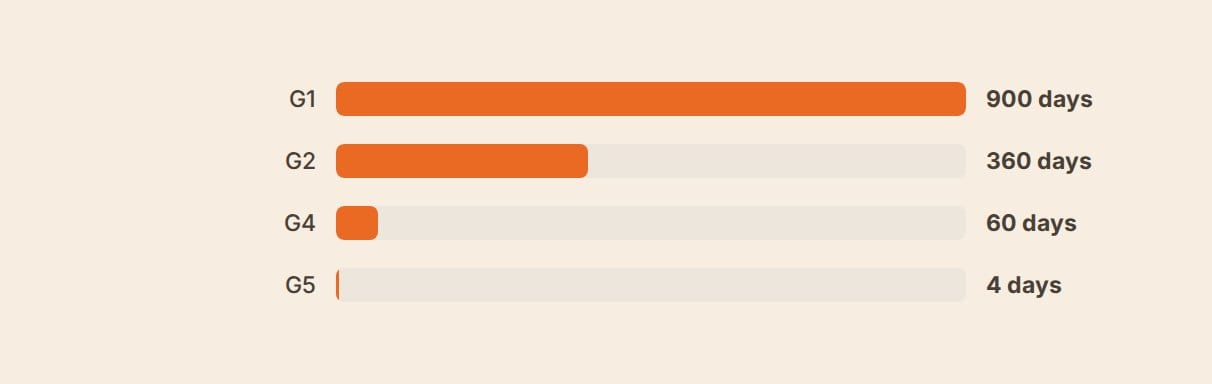
NOAA's G-skala opdeler en cyklussens stormdage efter størrelse:
Det er hele NOAA's G-skala: omkring 900 dages G1 pr. cyklus mod blot 4 dages G5. Planlæg ikke efter en G5. Planlæg efter G1 og G2 - det er det meste af det, „nordlyssæson“ betyder herunder.
Intet af dette afgør, hvornår det næste maksimum indtræffer. NOAA siger direkte, at „Solcyklus 26 forventes at begynde en gang mellem januar 2029 og december 2032“ og tilføjer: „Vi producerer endnu ikke en forudsigelse for Solcyklus 26.“ En fagfællebedømt model, Luo og Tan (2024), anslår det næste maksimum „mellem 2035 og 2036“ - ét holds prognose, ikke konsensus. Uanset hvad befinder 2026-27 og 2027-28 sig i det sidste vindue med hyppige storme, før det hele stilner af ind i det tidlige til midterste årti af 2030'erne.
Tromsø, Norge: Fire nye vinterruter for 2026-27
Tromsø er netop blevet lettere at nå fra tre nye steder på en gang - kysten nord for Polarcirklen har allerede nordlys at byde på næsten hver eneste klare nat så dybt inde i cyklussen.
Tre flyselskaber har tilføjet fire nye vinterruter for 2026-27. LOTs nye Warszawa-Tromsø-rute „vil lette den 1. december 2026“ og køre „til den 13. februar 2027“, to gange om ugen. Norwegians nye Helsinki-Tromsø-rute, bekræftet af Finavia, starter den 18. november 2026, ligeledes to gange om ugen, indtil midten af marts. Norwegians nye Glasgow-Tromsø-rute, ifølge Glasgow Chamber of Commerce (lufthavnens egen pressemeddelelse holdt op med at virke), kører fra den 11. december 2026 til den 22. marts 2027, mandage og fredage. Icelandair tilføjer en Tromsø-Keflavík-forbindelse med start i oktober 2026, to gange om ugen hele vinteren.
Tag af sted under mørketiden: 26. november til 15. januar, hvor solen ikke står op. Finlands meteorologiske institut lægger ikke imellem, når det gælder kysten: „man kan se nordlys næsten hver nat, når himlen er klar nok.“ Prisen varierer meget afhængigt af antallet af nætter og guidede ture versus kør-selv - se vores omkostningsguide for de faktiske tal.
„Og sørg for at booke en tur til den første dag. Mange selskaber tilbyder en gratis ny tur, hvis lyset ikke kan ses. [...] Bare husk på, at turene kan køre meget langt på jagt efter lyset. Det er ikke ualmindeligt, at de kører til Sverige eller Finland.“
Badger, Uppsala, Sverige - Rick Steves Travel Forum, august 2025
Ulempen er en, som Tromsø ikke kan ordne: skyer. Wikipedia bemærker, at kysten „ofte er udsat for skyede forhold, som forhindrer nordlys i at blive set, selv hvis de er til stede“. Spring Tromsø over, hvis du ikke kan binde dig til fire nætter, eller hvis en turistbus, der krydser ind i et andet land i jagten på klar himmel, lyder som en dealbreaker.
Abisko og Kiruna, Sverige: Et mikroklima plus en kirke, der lige er flyttet
Abiskos salgsargument er ikke en ny flyrute, det er et hul i skyerne, som viser sig mere pålideligt her end næsten noget andet sted i nordlyszonen - og i år har Kiruna en reel nyhedsbegivenhed at parre det med.
Kirunas mere end 100 år gamle trækirke blev rent fysisk flyttet cirka fem kilometer til byens nye centrum i 2025, og High North News rapporterede i august 2025, at den forventedes at „genåbne for offentligheden i 2026“. Ikke en nordlyskatalysator i sig selv, men en årsag til at bygge en dag op omkring Kiruna i stedet for bare at flyve igennem byen.
Det større trækplaster er himlen. Svenska Laplands turismeside oplyser, at området „får mindre nedbør end resten af Sverige“, og at „man i Abisko ofte har et blåt hul, selvom resten af himlen er dækket“, hvilket er synligt „hver nat fra oktober til slutningen af marts“. Svenska Turistföreningen, som driver fjeldstationen, er enige: den er „kendt som det blå hul, fordi himlen her ofte er klar, selv når det er skyet i nærheden.“ En stolelift når op til Aurora Sky Station på bjerget Njulla på cirka 30 minutter.
Planlæg det til det lange vindue: oktober til udgangen af marts. Prisstrukturen går gennem de samme regionale knudepunkter som Tromsø.
Det ærlige hul: tallet om „70% klare nætter“, der cirkulerer på rejseblogs, optræder hverken på turismebureauets side eller STF-operatørens side, så det holdes ude i stedet for at blive gentaget som en sandhed. Fjeldstationen har hverken indlagt vand eller elektricitet - enten charmen eller en grund til at bo i Abisko landsby i stedet. Spring Abisko over, hvis du ønsker en rigtig storbybase med et udvalg af restauranter efter mørkets frembrud.
Finsk Lapland: Nye britiske flyvninger, men de reelle chancer ligger 300 km mod nord
Finlands meteorologiske institut offentliggør de absolut bedst kildemærkede chancer på hele denne liste, og det er ikke for de byer, de nye fly rent faktisk lander i.
en.ilmatieteenlaitos.fi · 2026-09-03
Finavia har annonceret tre nye britiske ruter for vinteren 2026-27: London Luton til Kittilä fra den 24. november 2026, Liverpool til Kittilä fra den 25. november og Newcastle til Rovaniemi samme uge, alle to gange om ugen. En fjerde, BA Euroflyers Gatwick-Rovaniemi-forbindelse, starter den 4. december 2026, ligeledes to gange om ugen.
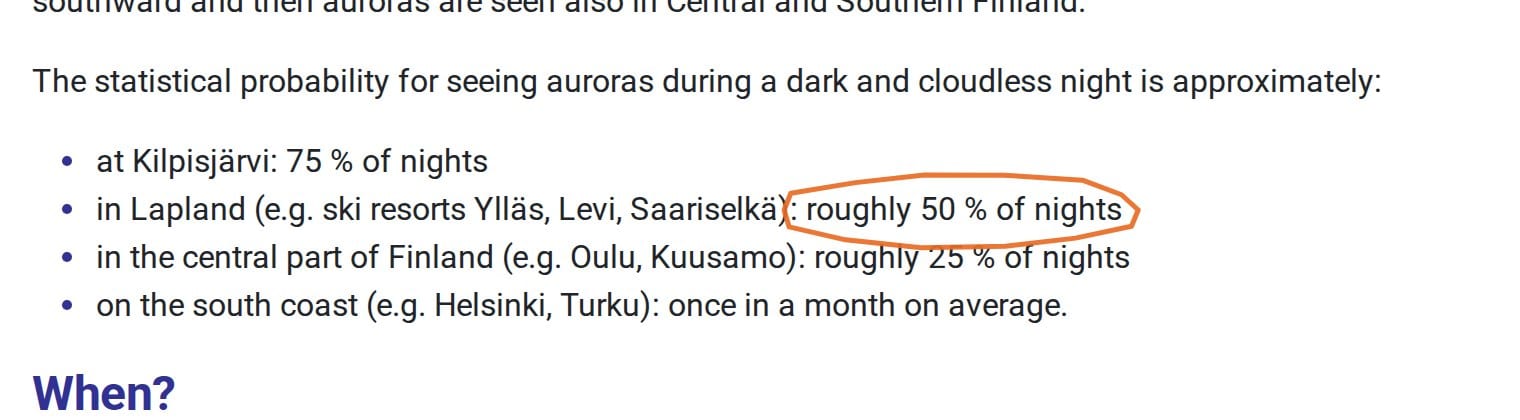
Det, de pressemeddelelser udelader: FMI's egne tal sætter chancerne til 75% af nætterne i Kilpisjärvi, mod „omkring 50% af nætterne“ i skiresortbæltet omkring Ylläs, Levi og Saariselkä - hvor disse nye fly rent faktisk lander. En anden FMI-side formulerer det lige så ærligt: „tre ud af fire nætter oplyses af nordlys i det nordlige Lapland (Kilpisjärvi-Utsjoki-området),“ mod hver anden nat i Sodankylä og en gang om måneden i Helsinki. FMI nævner det bedste vindue: „marts og det tidlige april.“
At komme til de gode chancer betyder normalt en udlejningsbil, en bus længere mod nord eller et nattog. VR's prisside lister „private kabiner fra EUR 49, kabiner med bad fra EUR 74“ - en af de få faste priser her, der ikke føres igennem en omkostningsguide. Se vores indlæg om nye europæiske togruter, der lanceres i 2026, hvis jernbanen er en del af planen uanset hvad.
Spring denne over, hvis du ikke vil leje en bil eller tage en bus nordpå fra Rovaniemi eller Kittilä. At flyve til skiresortbæltet og blive der giver dig de ca. 50% i chancer, ikke 75%, og de nye ruter ændrer ikke på det regnestykke.
Island: Nye ruter lander midt i nordlyssæsonen
Island har tilføjet to nye ruter timet til vinteren 2026-27, men landets eget prognoseværktøj for nordlys er ærlig talt et skykort - hvilket fortæller dig, hvad der rent faktisk afgør en rejse hertil.
Icelandair Group har annonceret en ny Gdańsk-rute med „3-4 ugentlige flyvninger“ med start den 18. september 2026 samt en Genève-rute, der kører „to gange om ugen... fra den 19. december 2026 og frem til påske 2027“. Læg den nye Tromsø-Keflavík-forbindelse ovenfor til, og Island har flere vinteradgangspunkter end i sidste sæson.
Det islandske meteorologiske institut (Vedurstofa Íslands) driver et nordlys-prognoseværktøj, hvor „grønne områder er skyede og hvide områder er klar himmel“, bedømt på aktivitet fra 0 til 9 ved midnat. Skydække først, aktivitetsniveau derefter. Reykjavik ligger på 64°08'N, et godt stykke syd for Tromsøs 69°40'N, og dagslængden falder der til „mindre end fem timer mellem den 2. december og den 10. januar.“
Værd at fastslå præcist, fordi det ofte rundes af: Det islandske meteorologiske instituts nyhedsfeed, opdateret den 18. august 2026, beskriver vulkansituationen som „det mest sandsynlige scenarie er fortsat langsom magmaophobning, som i sidste ende fører til en ny gangindtrængning og muligvis et vulkanudbrud.“ Et muligt fremtidsscenarie under aktiv overvågning - ikke en påstand om, at intet sker, og heller ikke en advarsel om et overhængende udbrud. Nogle rejsesider har rundet dette ned til, „at der ikke sker nogen udbrud“; den formulering stammer ikke fra meteorologisk institut.
Planlæg en rejse til jævndøgnsvinduerne eller det mørke december-januar-stræk for at få den mørkeste himmel. Se vores fulde gennemgang af omkostninger ved nordlysrejser for, hvad en typisk rejse koster. Spring Island over, hvis de rå chancer pr. nat betyder mest - der er ikke nogen FMI-lignende procentdel for Reykjavik, og breddegraden arbejder imod den sammenlignet med det nordlige Norge.
Ilulissat og Nuuk, Grønland: En tredje lufthavn åbner endelig
Grønland har netop tilføjet en tredje international lufthavn og en ny Københavns-rute timet til nordlyssæsonen, selvom den mere prangende amerikanske forbindelse til Nuuk er en sommerrute, der misser de mørke måneder næsten fuldstændigt.
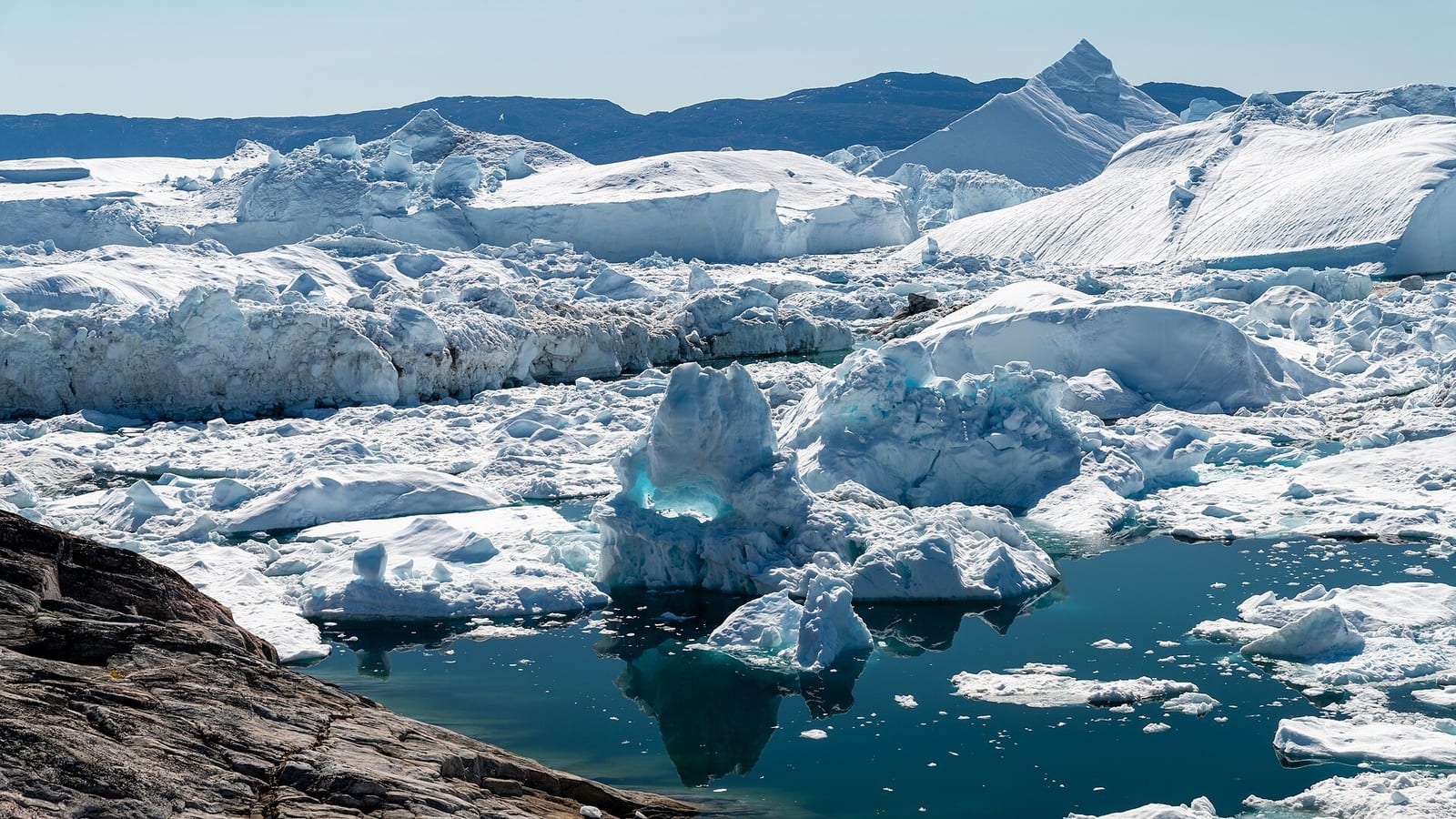
Foto: Christoph Strässler fra Oberdorf BL, Schweiz · CC BY-SA 2.0, via Wikimedia Commons
Euronews bekræftede, at Qaqortoqs nye lufthavn var åbnet i midten af april 2026 i overensstemmelse med Grønlands Lufthavnes egen udmelding, som havde haft som „mål... at åbne den 16. april 2026“, „efterfulgt af Ilulissat Lufthavn i oktober“. Helt efter tidsplanen lancerede Air Greenland en direkte Ilulissat-København-rute med start „torsdag den 29. oktober 2026“, én flyvning om ugen om onsdagen, stigende til to ugentlige afgange i „vintersæsonen fra den 1. til den 27. marts 2027“.
Nuuks egen lufthavn fik en genbygget rullebane, der åbnede den 28. november 2024, og United lancerede direkte flyvninger mellem Newark og Nuuk i juni 2025. Haken: Uniteds sæson i 2026 kører „to gange om ugen fra den 7. juni til den 23. september 2026“ - kun om sommeren, hvilket afsluttes cirka fem uger før Ilulissats egen nordlyssæsonflyvning starter den 29. oktober.
Det vindue, der betyder noget, hvis lyset er formålet, er det dobbelte frekvensstræk fra den 1. til den 27. marts 2027. Prissætningen er tynd - de fleste operatører fører passagerer igennem København for at få en komplet pakke. Spring Grønland over, hvis du har brug for en enkelt-mellemlands-rejseplan fra USA i februar eller marts: den eneste direkte amerikanske forbindelse er en sommerflyvning.

Fairbanks, Alaska: Aurora Winter Train vender tilbage
Fairbanks' eget turismebureau offentliggør et tal, som de fleste destinationer ikke tør røre ved: bliv i tre nætter og gå ud sent om aftenen, så stiger dine chancer for at se nordlyset til over 90%.
Explore Fairbanks slår det fast direkte: „Fairbanks' nordlyssæson er fra den 21. august til den 21. april“, og at blive „i minimum tre nætter og være aktivt ude i de sene aftenstimer“ presser chancerne „op på mere end 90 procent“. På en gennemsnitlig klar, mørk nat angiver den samme side synligheden til „fire ud af fem nætter“. Wikipedia tilføjer en skarp detalje: Fairbanks får blot „3 timer og 41 minutters sollys den 21. og 22. december“, og nordlyset er „synligt i gennemsnit mere end 200 dage om året.“
Book datoerne, ikke en ændring: Alaska Railroads Aurora Winter Train for 2026-27 kører „lørdag den 19. september 2026 - søndag den 9. maj 2027“, med ekstra midtvejsafgange tilføjet i februar og marts - det samme sæsonmønster, som jernbanen har kørt i de fleste vintre, ikke en ny rute eller et nyt fartplanmønster for 2026-27. Turen fra Anchorage til Fairbanks tager 12 timer hver vej, en fuld rejsedag. UAF Geophysical Institute bekræfter den samme sæson og indsnævrer det ideelle tidsrum om natten til „tre eller fire timer centreret omkring midnat“.
Februar og marts er de måneder, der skal bookes, hvor midtuge-togtilføjelserne passer med det mørkeste stræk. Fordel budgettet gennem de reelle tal i vores omkostningsguide. Den ærlige ulempe: den 12 timer lange tur er naturskøn, ikke effektiv, og ingen ny non-stop flyrute genvejsbinder den. Spring Fairbanks over, hvis det, du ønsker, er en kort weekendtur - denne destination belønner dig for at blive et stykke tid.
Når du har valgt en af disse og stirrer på en rejseplan med flere stop - et fly til et knudepunkt, en forbindelse, datoer blokeret omkring nymåne - bliver planlægningen hurtigt uoverskuelig på tværs af e-mailbekræftelser og browservinduer. Værktøjer som TripProf holder fly, overnatning og en tjekliste til koldt vejr samlet på ét sted i stedet.
www.explorefairbanks.com · 2026-09-03
Yellowknife, NWT: Et helårsfly lander under ovalen
Nordvestterritoriernes eget turismebureau underdriver ikke denne: en breddegrad, som de beskriver som placeret lige under selve nordlysovalen, nu med en helårsflyvning til at nå den.
Cabin Radio rapporterer, at Air North fra december „vil drive helårsflyvninger, der forbinder Yellowknife, Edmonton og Whitehorse to gange hver uge“, med sæsonbestemt Toronto-betjening „mellem det tidlige december 2026 og det tidlige januar 2027, derefter igen i februar og det meste af marts 2027“. Open Jaw giver de præcise datoer: „15DEC26-06JAN27 og 16FEB27-24MAR27“.
Spectacular NWT angiver „op til 240 nætter med aktivt nordlys om året“, med en „efterårssæson fra midten af august til slutningen af september“ og en „vintersæson fra midten af november til det tidlige april“, ved „62.4540°N... lige i nordlysovalen“. En guidet dagsudflugt koster „199 CAD + 5% moms pr. person“. Det nærliggende Whitehorse er synligt „mellem det sene august og det tidlige april“, bedst „kl. 22.00 til 03.00“, selvom det ikke offentliggør et sammenligneligt tal for nætter pr. år.
Midten af november til det tidlige april er vinduet, hvor de nye flyvninger overlapper med spidsmørket. Det ærlige hul er oktober til midten af november, mellem NWT's efterårs- og vintersæson, hvor bureauets materialer går i stilhed - og Spectacular NWT bemærker selv, at „nordlysaktiviteten faktisk følger en 11-årig cyklus“. Spring Yellowknife over for en kortdistanceflyvning; det her er langdistancerejse af gode grunde. Spring Whitehorse over, hvis du har brug for et tal på nætter pr. år.
Svalbard: Det ene sted med en chance for dagtidsnordlys
Svalbard har netop fået en ny måde at kombineres med fastlandet på: Hurtigrutens nye „Northern Delights: Svalbard and Arctic Norway“-rejseplan parrer overnattingsdage på land i Longyearbyen med en flyvning til Tromsø og en kystsejlads til Kirkenes på 11 udvalgte datoer mellem den 6. december 2026 og den 23. marts 2027, fra £1.636 pr. person.
Svalbard er også den eneste destination på denne liste, hvor turismebureauet lufter muligheden for at se nordlys i fuldt dagslys, selvom dens egen ordlyd holder det fast i „hvis du er heldig“-territoriet, ikke et løfte.
Visit Svalbards egen side sætter den mørke sæson til „omkring slutningen af oktober til midten af februar“, hvor den egentlige mørketid forløber „mellem den 14. november og den 29. januar“. I det tidsrum, bemærker den samme side, „kan du endda se nordlys midt på dagen, hvis du er heldig!“
Mørketidsvinduet løber fra den 14. november til den 29. januar. Uden for den nye Hurtigruten-rejseplan ovenfor prissættes et uafhængigt ophold i Longyearbyen gennem den samme logistik for Norge som Tromsø.
Haken: „hvis du er heldig“ er turismebureauets egen formulering, ikke denne artikel, der bløder en stærkere påstand op. Longyearbyen ligger også på kanten af det område, hvor det meste af aktiviteten koncentrerer sig - NOAA placerer den bedste nordlysobservation mellem cirka 60 og 75 graders breddegrad, et bælte Svalbard ofte ligger uden for. Spring Svalbard over, hvis du er ude efter dagslysaktiviteter eller det klassiske overhængende gardin-look.
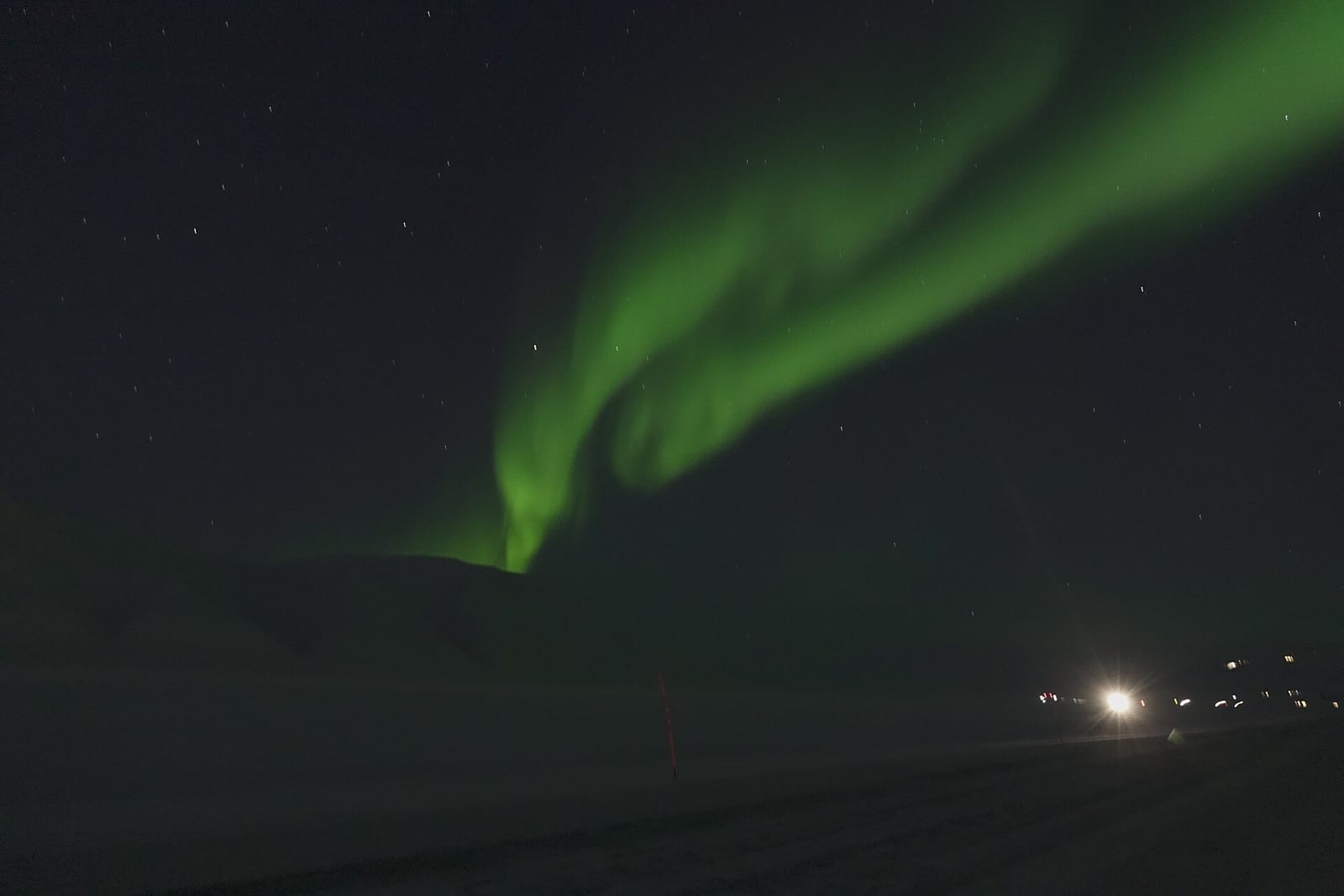
Foto: Andre Shutterbird · CC BY-SA 4.0, via Wikimedia Commons
Den norske kyst med skib: Gå glip af lyset, sejl igen gratis
Dette er det ene indslag på listen med en reel garanti tilknyttet: book den rigtige sejlads, og hvis du ikke ser nordlyset, sætter rederiet dig tilbage på et skib gratis.
Hurtigrutens egne betingelser angiver, at du på en rejse på 11 dage eller derover, hvor der sejles „mellem den 20. september 2026 og den 31. marts 2027“, vil modtage en „6-dages sydgående eller 7-dages nordgående kystekspres-klassisk rejse“, hvis der ikke observeres nordlys. En returrejse starter „fra 2.141 USD“ ifølge selskabets egen anførte pris.
Læs den garanti som en kendsgerning om ét produkt, ikke som en erstatning for videnskaben ovenfor - et kommercielt løfte er ikke en solcyklusprognose. Den er heller ikke ny for 2026-27: Hurtigrutens eget nyhedsrum oplyser, at de „indførte nordlysgarantien for 10 år siden“, hvilket placerer lanceringen i 2014, og kun dens startdato i september blev opdateret for sæsonen 2024-25. Den gør sig fortjent til en plads på denne liste for det, den gør, ikke for noget, der ændrede sig i år. De bedste måneder flugter med det generelle vindue for Norge: mørkere betyder bedre chancer langs hele kysten. Den ærlige ulempe: det kræver en rejse på 11 dage eller mere for at kvalificere sig. Spring denne over, hvis din rejse er under 11 dage.
Stormjæger-breddegrader: Hvad en stærk cyklus giver Storbritannien og det nordlige USA
Dette er ikke en destination, der kan bookes; det er, hvad den nuværende solaktivitet giver alle andre: på en nat, der er stærk nok, kommer nordlyset til Skotland, det nordlige England eller det nordlige USA, uden at nogen behøver at booke en flyvning mod nord.
Mekanismen er den samme G-skala fra tidligere i denne artikel. Ved G3 har nordlyset nået „Illinois og Oregon“. Ved G4 „Alabama og det nordlige Californien“. Ved G5, „Florida og det sydlige Texas“. Stormen i maj 2024 beviste, at det ikke var teoretisk, idet den nåede „helt til det sydlige Irland, Portugal, Spanien og Sardinien“ i Europa. NOAA's egen vejledning til observations-tips bemærker, at det synlige bælte flytter sig længere væk fra polerne, efterhånden som Kp stiger.
Spring de betalte apps over. AuroraWatch UK er gratis og „drevet af forskere i Space and Planetary Physics-gruppen ved Lancaster Universitys Department of Physics“ - den advarer dig, når forholdene er værd at gå udenfor for.
Pris: ingenting. Dette er ikke en rejse, du planlægger ud fra, det er en sms-alarm, du handler på, hvis den kommer. Den ærlige begrænsning er hyppighed: G4-niveau storme varer i ca. 60 dage pr. 11-årig cyklus, ikke noget, man bygger en ferie op omkring. Betragt dette som en bonus, ikke som en strategi. Hvis det bryder løs, mens du er et mørkt sted, så gå udenfor. Det var det.
Før du låser datoer fast
Hør her, den hurtigste måde at spilde en af disse rejser på er at stole på en tilfældig nordlys-app fra en app-butik frem for det agentur, der faktisk sporer dette. Reelle driftsdatoer og et prognoseværktøj, der ikke gætter sig frem, adskiller en god rejse fra en spildt.
NOAA's 30-minutters prognose, UAF Geophysical Institute-prognosen, det islandske meteorologiske instituts nordlysside og AuroraWatch UK drives alle af de myndigheder, der rent faktisk indsamler disse data.
Så simpelt er det. Arbejd dig derefter igennem resten, før du forpligter dig på datoer.
- Bekræft den nøjagtige driftsperiode for enhver ny 2026-27-rute - de fleste kører fra nov/dec til feb/mar, ikke hele vinteren
- Tjek nymånedatoer i forhold til dit rejsevindue: 11. sep, 10. okt, 9. nov, 9. dec 2026, derefter 7. jan, 6. feb, 8. mar, 6. apr 2027 - en fuldmåne udvisker et svagt nordlys
- Book din første tur eller udflugt til den første nat, ikke den tredje nat, så en klausul om gratis ombooking stadig har nætter tilbage at bruge af
- Pak tøj til eksponering i -15C til -25C, hvis turen går til Tromsø, Abisko eller Fairbanks i december
- Køb en rejseforsikring, der rent faktisk dækker vejrrelaterede forsinkelser, ikke kun medicinske omkostninger
Chancer fordelt på destinationer
| Destination | Chancer eller nætter pr. år | Kilde |
|---|---|---|
| Kilpisjärvi | 75% af nætterne | FMI |
| Ylläs, Levi og Saariselkä | Ca. 50% af nætterne | FMI |
| Fairbanks, Alaska | Over 90% efter 3 nætter | Explore Fairbanks |
| Tromsø-kysten | Næsten hver klar nat | FMI |
| Yellowknife, NWT | Op til 240 nætter om året | Spectacular NWT |
| Svalbard | Ingen offentliggjort procentdel; forbehold for breddegrad gælder | NOAA |
| Island | Ingen offentliggjort procentdel; kun skykortværktøj | Det islandske meteorologiske institut |
Sådan udvalgte vi disse 10
Hver destination skulle bestå tre krav: en tidsbestemt 2026-27-katalysator fra en primær kilde (et flyselskabs egen udmelding, et turismebureau, en lufthavnsoperatør, aldrig en salgstekst); tal for chancer, mørke eller sæson fra et officielt organ, ikke en rejseblog; og én ulempe, vi faktisk kunne finde en kilde til i stedet for at opfinde den for at skabe balance. Tre indlæg bryder vores egen katalysatorregel med vilje. Muligheden for stormjagt i Storbritannien/det nordlige USA, fordi den intet koster og slet ikke kræver en rejse, kun aktuel solaktivitet for at gøre den relevant. Hurtigruten-garantien, fordi et årtiet gammelt, betingelsesløst pengene-tilbage-løfte besvarer et reelt læserspørgsmål - „hvad nu hvis jeg ikke ser dem“ - som ingen tidsbestemt katalysator kan, selvom intet ved selve løftet er nyt i denne sæson. Og Fairbanks' Aurora Winter Train, der har kørt siden sin første tur i oktober 1947 efter det samme sæsonmønster hver vinter: det forbliver på listen, fordi et 12 timers naturskønt tog under nogle af de bedste chancer i Nordamerika er værd at kende til, ikke fordi noget ændrede sig for 2026-27.
Og det krav siede reelle kandidater fra. Churchill i Manitoba hævder at have „over 300 nætter med nordlysaktivitet hvert år“ og et bedst vindue i „februar og marts“, hvilket ville placere det nær toppen udelukkende på chancer - men der dukkede ingen ny 2026-27-rute op for det, så det holdes ude i stedet for at blive fyldt op som fyldstof. Lofoten, Alta og Senja deler Tromsøs egne ruter uden en egen katalysator, så de er foldet ind i det indslag.
Er du stadig ved at afgøre, hvornår du skal låse datoer fast i forhold til flypriser? Vores guide til booking af rejser i 2027 dækker timingmekanikken ud over blot nordlyssæsonen.
Ofte stillede spørgsmål
Er 2027 for sent til nordlyset, da solmaximum allerede har fundet sted?
Nej, og det er et godt år for chancer mere end vished. Solcyklus 25 nåede sit højdepunkt i oktober 2024, men NASA sagde, at maksimumfasen ville „vare et års tid endnu“, og FMI's egne data siger, at store visuelle shows halter bagefter solpletter „med et par års forsinkelse“. NOAA's side om koronahuller viser, at den koronahulsdrevne komponent af aktiviteten stadig bygger sig op så langt inde i nedgangen, ikke aftager, og den sætter et loft for det meste af den aktivitet på „G1-G2 (svag til moderat)“, hvor sjældnere og større storme stadig er mulige.
Hvor mange nætter har man rent faktisk brug for?
Tre, som minimum, ifølge Explore Fairbanks, som angiver tre nættemæssige observationer i de sene aftenstimer til at give over 90% i chancer.
Island eller Norge?
Afhænger af, hvad der betyder mest for dig. FMI siger, at det nordlige Norges kyst ser nordlys „næsten hver nat, når himlen er klar nok“, mens Islands prognoseværktøj i bund og grund er et skykort, og Reykjaviks 64°08'N ligger et godt stykke syd for Tromsøs 69°40'N.
Kan man se nordlyset i september?
Ja, sæsonen er teknisk set åben på det tidspunkt. UAF Geophysical Institute sætter vinduet til „ca. 21. august til 21. april“, og NOAA bemærker „en tendens til større geomagnetiske storme“ nær jævndøgnene - den sene september kvalificerer sig på begge punkter.
Hvilket Kp-indeks har man rent faktisk brug for?
UAF Geophysical Institute definerer tærsklen klart: „Alt over en Kp 5 klassificeres som en geomagnetisk storm“ (Kp løber på en skala fra 0-9 for geomagnetisk uro), hvilket flugter med NOAAs G1-niveau. Højere Kp skubber det synlige bælte længere væk fra polerne, selvom NOAA ikke udgiver én fast afstand pr. niveau.
Hvor langt mod syd kan en stor storm rent faktisk nå?
På NOAAs G3-niveau er nordlys blevet set så langt som „Illinois og Oregon“. På G5, „Florida og det sydlige Texas“. Stormen i maj 2024, den kraftigste siden 2003, nåede „Irland, Portugal, Spanien og Sardinien“ i Europa.
Hvornår er det næste solmaximum?
Uofficielt ukendt. NOAAs eget Space Weather Prediction Center siger: „Vi producerer endnu ikke en forudsigelse for Solcyklus 26.“ Én fagfællebedømt model, Luo og Tan, anbringer det „mellem 2035 og 2036“ - ét holds fremskrivning, ikke en myndighedsprognose.
Vigtigste pointer
- 2026-27 er et hyppighedsvindue, ikke et vindue for større storme. NOAA's egne koronahulsdata siger, at nedgangen medfører flere G1-G2-nætter, ikke en gentagelse af 2024's G5.
- Afstem destinationen med de chancer, du rent faktisk ønsker. FMI's 75% for Kilpisjärvi og det ca. 50% tal for skiresortbæltet er ikke den samme rejse, selvom begge kaldes „Finsk Lapland“.
- Enhver katalysator her har en udløbsdato. De fleste nye 2026-27-ruter kører fra november eller december til februar eller marts, ikke hele vinteren - tjek de faktiske datoer, før du booker omkring en af dem.
- Book den første tur-nat først. Flere operatører ærer kun en klausul om gratis ombooking, hvis det oprindelige forsøg skete tidligt nok til stadig at have nætter tilovers.
- Planlæg logistikken én gang, ikke fem gange. En arktisk rejse med flere stop har flere bevægelige dele end en uge ved stranden - værktøjer som TripProf kan holde rejseplanen, pakkelisten og bekræftelserne samlet i stedet for spredt ud på apps.
- Det næste reelle spring ligger år ude i fremtiden. NOAA placerer det næste solminimum mellem 2029 og 2032, og én fagfællebedømt prognose placerer det følgende maksimum i 2035-2036 - book 2027 for de chancer, der findes nu.
Kilder
- NOAA SWPC: solcyklussens progression
- Wikipedia: Solcyklus 25
- NASA: solen når maksimumfase
- FMI: nordlys i Finland
- FMI: nordlys
- NOAA SWPC: koronahuller
- Wikipedia: solcyklus
- Space.com via Yahoo: nordlys kan blive stærkere inden for 2 år
- Luo og Tan (2024), arXiv: cyklus 26-prognose
- NOAA SWPC: G5-forhold observeret
- Wikipedia: solstorme i maj 2024
- NOAA: forklaring på skalaer
- NOAA SWPC: tips til at se nordlys
- Wikipedia: Aurora Winter Train
- Hurtigrutens nyhedsrum: fejrer 10 år med nordlysgarantien
- Hurtigrutens nyhedsrum: nordlysgaranti udvidet til 2024-25-sæsonen
- NOAA SWPC: grundlæggende om nordlysobservation
- LOTs pressekontor: Warszawa-Tromsø-rute
- Finavia: Helsinki-Tromsø-rute
- Glasgow Chamber of Commerce: Norwegians Glasgow-Tromsø-rute
- NTB / Avinor: Icelandair Tromsø-Keflavík-rute
- Wikipedia: Tromsø
- High North News: flytning af Kiruna kirke
- Swedish Lapland: Abiskos mikroklima
- STF: Aurora Sky Station
- Finavia: ruter fra UK til Kittilä og Rovaniemi
- Finavia: Rovaniemi-Gatwick-rute
- VR: nattog
- Icelandair Group: ny Gdańsk-rute
- Det islandske meteorologiske institut: nyheder
- Det islandske meteorologiske institut: nordlysprognose
- Wikipedia: Reykjavik
- Euronews: Qaqortoq Lufthavn åbner
- Grønlands Lufthavne: åbning af Qaqortoq og Ilulissat
- Air Greenland: vinterfartplan for Ilulissat
- Wikipedia: Nuuk Lufthavn
- Grønlands Lufthavne: Uniteds flyvninger mellem New York og Nuuk
- Alaska Railroad: fartplaner
- Alaska Railroad: Aurora Winter Train
- Explore Fairbanks: nordlyssæson
- Wikipedia: Fairbanks, Alaska
- UAF Geophysical Institute: nordlysprognose
- Cabin Radio: Air Norths Yellowknife-rute
- Open Jaw: Air North lancerer helårsrute til Edmonton
- Spectacular NWT: lyset i tal
- Travel Yukon: nordlys
- Visit Svalbard: mørketid
- Hurtigruten: rejseplan for Northern Delights, Svalbard og det arktiske Norge
- Hurtigruten: nordlysgaranti
- AuroraWatch UK, Lancaster University
- NOAA SWPC: 30-minutters nordlysprognose
- Travel Manitoba: Churchills nordlys
Citatet fra Badger i Tromsø-afsnittet er en rejsendes egen beretning fra Rick Steves Travel Forum, præsenteret som en stemme, ikke som en datakilde.
Sidst opdateret: 7. september 2026
Fortsæt læsningen
Flere rejsetips og guides udvalgt til dig

Japan Cherry Blossom Trip 2027: What It Costs and When to Land
A cherry blossom week in Japan costs about $2,600 per person from New York and $2,200 from Los Angeles, flights included. We priced it line by line and tested 36 seasons of bloom records to find the date to land.
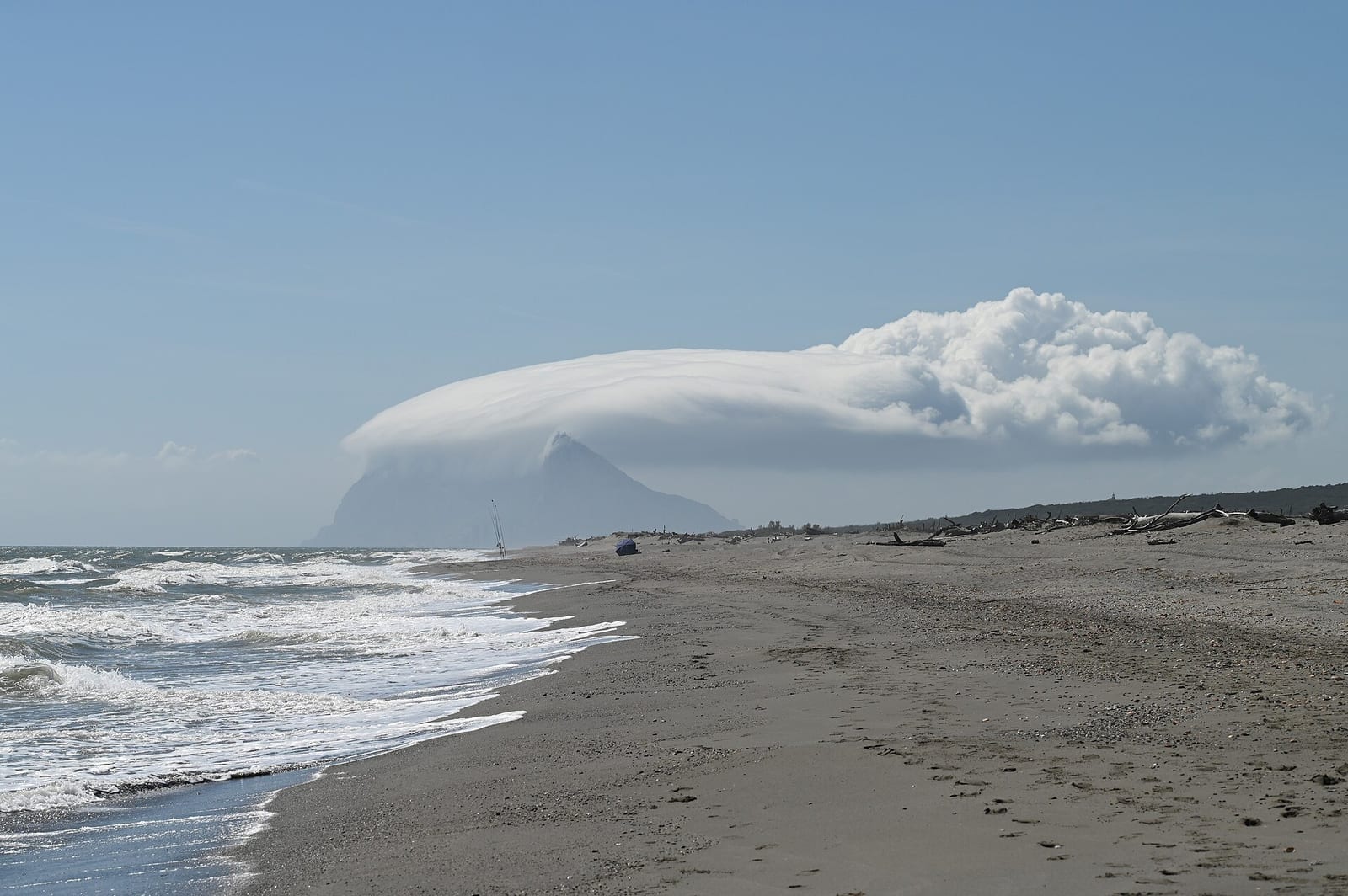
Gibraltar eclipse 2027: where to watch 4.5 minutes of totality, and where to sleep when the Rock is full
The Moon covers the Sun over Gibraltar for 4 minutes 28 seconds on 2 August 2027. Levanter cloud can pile up on the Rock's sunrise side, the airport is now a Schengen border, and Rock hotels are filling. Here's how seven bases compare for a UK group, and what the core trip costs.

8 bedste dagsture fra Wien med tog, rangeret efter rejsetid
Ingen bil nødvendig. Otte rigtige dagsture fra Wien med tog, rangeret fra et smut på 21 minutter til en hel dag i Hallstatt, komplet med aktuelle priser, rejsetider og en ærlig ulempe ved hvert stop.