De bedste lande for amerikanske rejsende i 2027, og hvorfor indrejsereglerne lige er ændret

Vigtigste pointer
- 1
- 2
- 3
+3 mere i opsummeringen nederst
Du står ved en udgang i Newark med dit boardingpas på telefonen, da flyselskabets skærm blinker rødt. Ikke din billet. Din ETA. Den, du ikke vidste, at Storbritannien var begyndt at tjekke før ombordstigning, og ikke efter. Dit fly letter om elleve minutter. Gateagenten trækker på skuldrene: ingen gyldig tilladelse, intet sæde. Det er hvad 2026 gjorde ved amerikanske rejser: i stilhed og permanent begyndte man at tjekke dine papirer, før du overhovedet forlader jorden.
Kortet over indrejsekrav for amerikanere ændrede sig markant i 2026. Storbritanniens ETA (£20) er allerede obligatorisk og tjekkes ved gaten før ombordstigning. Europas ETIAS (€20) er blevet forsinket igen, sandsynligvis til april 2027. Sydkoreas K-ETA-fritagelse for amerikanere udløber den 31. december 2026. Kina vil stadig ikke give amerikanere det 30-dages visumfrie pas, som det meste af Europa får. Hjemme i USA koster det nu et gebyr på 45 dollars i TSA-sikkerhedskontrollen, hvis man møder op uden et gyldigt REAL ID. Intet af dette ændrer noget for Mexico, Canada, Turkiet eller Japan, hvor man stadig kun skal bruge et pas og et stempel. Denne guide rangerer 17 destinationer efter faktisk indrejsebesvær frem for natur, så du ved, hvilke rejser du skal booke nu, og hvilke der kræver seks ugers papirarbejde først.
Skiftet: Hvad der rent faktisk ændrede sig i 2026
To ting skete på en gang, og de fleste rejsende lagde kun mærke til den ene. Europas nye indrejsesystem, som har været undervejs i årevis, kom endelig i gang. Og USA gjorde i stilhed det samme mod sig selv. Resultatet er et landskab af besvær, som ser helt anderledes ud end i januar 2026 - ikke fordi destinationerne er blevet sværere at elske, men fordi det at komme ind i dem er blevet tjekket, før du overhovedet er ved gaten.
Start med Europa. EU's ind- og udrejsesystem (EES), som erstatter manuelle passtempler med fingeraftryk og ansigtsscanninger ved Schengen-grænserne, blev fuldt operationelt i alle Schengen-lande den 10. april 2026, har EU-Kommissionen bekræftet. Mere end 52 millioner ind- og udrejser var blevet registreret ved lanceringen den 10. april 2026 med over 27.000 afvisninger ved grænsen. Den del er på plads. ETIAS, den forhåndsgodkendelse til 20 euro, som skulle komme som det næste, er det ikke. I slutningen af juli 2026 fortalte kilder i branchen til Forbes, at april 2027 er „den tidligste realistiske lanceringsdato“, efter at eu-LISA erkendte, at det oprindelige mål for slutningen af 2026 ikke længere var muligt på grund af tekniske problemer med EES. Dette er den femte eller sjette ETIAS-forsinkelse, siden systemet første gang blev bragt på bane i 2016. Book ikke ud fra en lanceringsdato, der bliver ved med at flytte sig.
I mellemtiden ventede Storbritannien, der kører sit eget separate system, ikke. Siden den 25. februar 2026 har den britiske regering håndhævet princippet om „ingen tilladelse, ingen rejse“ for de 85 visumfrie nationaliteter, herunder USA: fly- og færgeselskaber tjekker for en gyldig ETA, før du får lov til at gå ombord, ikke efter du lander. Gebyret steg også - fra £16 til £20 i april 2026 ifølge Home Offices eget faktablad. De fleste ansøgninger behandles på få minutter gennem den officielle app. Men „de fleste“ er ikke „alle“: i begyndelsen af juni 2026 rapporterede The Points Guy, at et flere dage langt nedbrud i ETA-systemet betød, at „visse rejsende blev nægtet ombordstigning, efter at deres ETA-ansøgninger sad fast i behandlingen“, selvom Home Office oplyser, at det siden er blevet løst. Ansøg den uge, du booker, ikke den uge, du flyver.
Nu til den indenlandske halvdel. Den 7. maj 2025 begyndte TSA rent faktisk at håndhæve REAL ID ved sikkerhedskontrollen efter to årtier med udskudte frister. Den del gav næsten ingen overskrifter, fordi de fleste allerede havde et gyldigt kørekort. Det, der ændrede sig i år, er straffen for dem, der ikke havde det: Siden den 1. februar 2026 skal alle, der møder op uden et kørekort, der overholder REAL ID, eller et andet acceptabelt dokument, betale et ikke-refunderbart ConfirmID-gebyr på 45 dollars, ifølge Good Morning Americas gennemgang af det nye program, og igennem en separat identitetsbekræftelse, der kan tage op til 30 minutter - uden garanti for, at det virker. TSA anslog, at 94% af de rejsende allerede levede op til kravene i januar 2026 (et tal der steg til 95-99% få uger efter udrulningen af ConfirmID ifølge TSAs egen opdatering fra februar 2026), så dette rammer primært folk, der har glemt deres ID, snarere end folk, der slet ikke har et. Alligevel: Det er en indenrigsflyvning i dit eget land, som nu koster en rigtig kontant bøde for forkerte papirer.
Der er et ironisk punkt til alt dette. Det gebyr, som udenlandske besøgende betaler for at komme ind i USA, kaldet ESTA, steg fra 21 dollars til 40 dollars i september 2025 og derefter til præcis 40,27 dollars den 1. januar 2026 ifølge det amerikanske Department of Homeland Securitys egen meddelelse i Federal Register. Det er ikke noget, amerikanere betaler - det gælder for udenlandske statsborgere, der flyver til USA under Visa Waiver-programmet - men det er alligevel et nyttigt datapunkt. Hvert eneste land i denne artikel hæver prisen for adgang på omtrent samme tid. Det er ikke et europæisk problem eller et koreansk problem. Det er den æra, som alle rejsedokumentsystemer er trådt ind i på samme tid, og USA gør nøjagtig det samme mod alle andre, som alle andre nu gør mod amerikanere.
Besværs-niveauerne i et overblik
Vi har rangeret 17 destinationer, der er populære blandt amerikanske rejsende, efter faktisk indrejsebesvær, ikke skønhed: hvad du behøver, hvad det koster, og hvor lang tid det tager at blive godkendt. Fire niveauer, fra „mød op med et pas“ til „start seks uger før, eller overvej rejsen en ekstra gang.“
| Destination | Niveau | Hvad du har brug for | Pris | Behandlingstid |
|---|---|---|---|---|
| Mexico | Niveau 1 | Pas + FMM-turistkort | Ca. 57 $, lagt ind i flybilletten | Med det samme ved ankomst |
| Canada | Niveau 1 | Kun pas, ingen eTA | Gratis | Med det samme |
| Turkiet | Niveau 1 | Kun pas, visumfri i 90/180 dage | Gratis | Med det samme |
| Japan | Niveau 1 | Kun pas (JESTA er ikke i drift før 2028) | Gratis | Med det samme |
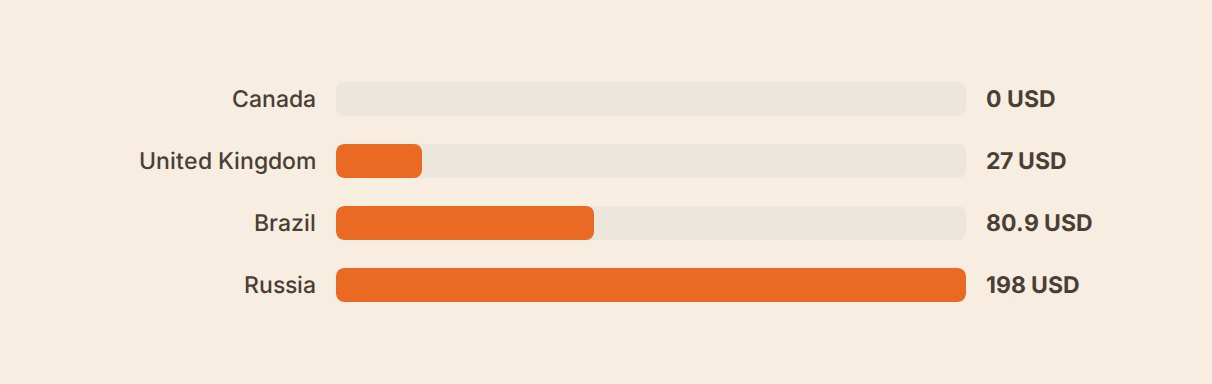
| Storbritannien | Niveau 2 | UK ETA, tjekkes før ombordstigning | £20 (ca. 27 $) | Fra minutter til 3 dage |
| Schengen-Europa | Snart niveau 2 | Kun pas indtil videre; ETIAS når det lanceres | €20 (ca. 23 $), opkræves ikke endnu | Ca. 10 min. når det er i drift |
| Australien | Niveau 2 | ETA (subclass 601) via officiel app | AUD 20 (ca. 13 $) | Normalt under 24 timer |
| New Zealand | Niveau 2 | NZeTA + besluttet turistafgift | NZD 17-23 + NZD 100 i afgift | Op til 72 timer |
| Sri Lanka | Niveau 2 | ETA, gratis for amerikanere siden maj 2026 | Gratis | Minutter |
| Thailand | Niveau 2 | Gratis digitalt ankomstkort (TDAC); 60 dages visumfritagelse, 30 dages nedsættelse godkendt men endnu ikke trådt i kraft | Gratis | Udfyldes senest 72 timer før ankomst |
| Sydkorea | Niveau 2, skifter | Fritaget t.o.m. 31. dec. 2026; K-ETA påkrævet fra 1. jan. 2027 | Gratis t.o.m. 2026; ca. 10.000 KRW (ca. 7 $) derefter | Op til 72 timer |
| Indien | Niveau 3 | e-turistvisum | 10-40 $ for kort ophold; op til 160 $ for det 5-årige e-visum til USA | 2-5 hverdage |
| Vietnam | Niveau 3 | e-visum | 25 $ enkelt / 50 $ med flere indrejser | 3-5 hverdage |
| Brasilien | Niveau 3 | e-visum, krav genindført i 2025 | 80,90 $ | Typisk et par dage |
| Kina | Niveau 3 | Visum til de fleste ophold; begrænsede visumfrie muligheder findes | Visumgebyr varierer; transit/Hainan gratis | Dage for et visum; med det samme for transit/Hainan |
| Egypten | Niveau 3 | e-visum | 30 $ enkelt / 65 $ med flere indrejser | 3-7 hverdage |
| Rusland | Niveau 4 | Konsulatsvisum + invitationsbrev | 198 $ i officielle minimumsgebyrer, typisk 475-550$+ + 25-80$ for brev | Ca. 10 hverdage |
Kilder til tabellens tal er linket i hvert niveaus afsnit herunder samt på kildelisten.
Et par af disse er værd at læse to gange. Thailand og Sydkorea er på niveau 2 i dag, men er kun en offentliggørelse i statstidende eller et kalenderskift fra at blive sværere. Kina er det land, som alle antager bør være nemmere, end det er - mere om det herunder.
Niveau 1: Stadig det enkleste
Fire destinationer på denne liste fungerer stadig på den gamle måde: land, aflever dit pas, få et stempel, færdig. Mexico, Canada, Turkiet og Japan har ikke tilføjet en forhåndsgodkendelse af rejser for amerikanere, og ingen af dem har i øjeblikket en på vej i år.
Mexicos FMM-turistkort lyder som papirarbejde, men er det ikke - hvis du flyver ind, er gebyret på ca. 57 dollars (983 pesos) i henhold til Mexicos Instituto Nacional de Migracións gebyrtarif for 2026 inkluderet i din flybillet, og kortet bliver stukket i hånden på dig, før du overhovedet lander. Canada kræver overhovedet ikke en eTA fra amerikanske statsborgere, i modsætning til de fleste andre visumfrie nationaliteter, ifølge Canadas officielle immigrationsside. Japan har ikke lanceret noget endnu: Deres JESTA-system, som er modelleret efter det amerikanske ESTA, forventes ikke før regnskabsåret 2028 ifølge Japans eget justitsministeriums tidsplan, så intet ændrer sig for en rejse i 2027. Og Turkiet er den glædelige overraskelse på denne liste. Amerikanere plejede at skulle bruge et e-visum til over 50 dollars her; ifølge den amerikanske ambassade i Turkiets egne gældende retningslinjer er „indehavere af almindelige pas fritaget for visum i op til 90 dage inden for en periode på 180 dage.“ Ingen ansøgning, intet gebyr, intet andet at gøre end at møde op.
Vores vurdering: Hvis du har en rejse, du har udskudt, så læg den her først. Disse fire destinationer er dem, hvor „jeg finder ud af papirarbejdet senere“ reelt koster dig ingenting, fordi der intet er.

Niveau 2: Nyt papirarbejde, stadig overkommeligt
Dette er det største og hurtigst bevægelige niveau, og det er her, de fleste amerikanere er ved at få deres første rigtige smagsprøve på forhåndsgodkendelse af rejser. Den gode nyhed: Ingen af disse tager mere end et par minutter at ansøge om. Den dårlige nyhed: Springer du trinnet over, kommer du ikke med flyet.
At ansøge om en UK ETA eller K-ETA om morgenen på din flyrejse. De fleste godkendes på få minutter, men en lille brøkdel bliver markeret til manuel gennemgang, og Storbritannien tjekker nu ved gaten - ikke ved immigrationen ved ankomsten. Ansøg den uge, du booker.
Storbritannien er den, man skal holde bedst øje med, fordi det er den eneste destination på niveau 2 her, der allerede håndhæver en decideret afvisning ved ombordstigning. Book din flyrejse, ansøg om ETA'en til £20 inden for en dag eller to, og så er du klar - den bliver normalt godkendt på få minutter gennem den officielle app. Vores guide til UK ETA vs. ETIAS forklarer, hvorfor det er to separate systemer, der opkræver to separate gebyrer, hvilket konstant forvirrer folk på kombinerede rejser til Storbritannien og Europa. Apropos det: Schengen-Europa er stadig på niveau 1 i praksis lige nu, da ETIAS ikke er lanceret, men budgetter med, at det ændrer sig engang omkring det gebyr på 20 euro, som vores ETIAS-guide gennemgår i detaljer, og læs op på, hvordan ind- og udrejsesystemet nu scanner dine fingeraftryk ved grænsen, selv før ETIAS eksisterer.
Australien og New Zealand er de to nemmeste apps at udfylde på hele denne liste - begge tager under fem minutter på en telefon. Australiens ETA (subclass 601) koster 20 AUD (ca. 13 $) gennem Department of Home Affairs' officielle ETA-app. New Zealands samlede regning er den, der overrasker folk: NZeTA-gebyret på 17-23 NZD er ubetydeligt, men den obligatoriske International Visitor Levy på 100 NZD lægger ifølge den newzealandske regerings egen side om turistafgiften mere end fem gange selve tilladelsesgebyret oveni. Sri Lanka gik den modsatte vej: Siden den 25. maj 2026 har regeringen droppet sit ETA-gebyr fuldstændigt for 40 nationaliteter, herunder USA, selvom du stadig skal ansøge online gennem Sri Lankas officielle ETA-portal, før du flyver - se vores fulde gennemgang af den gratis Sri Lanka ETA for de små bogstaver.
Så er der det skift, der er i gang. Sydkoreas K-ETA-fritagelse for amerikanere, der er blevet forlænget gentagne gange siden 2023, udløber i øjeblikket den 31. december 2026 ifølge Koreas egen K-ETA-portal og konsulære meddelelser. Fra den 1. januar 2027 skal amerikanske rejsende igen have en K-ETA-godkendelse, som koster ca. 10.000 KRW (ca. 7 $), præcis som alle andre. Vores guide til Korea K-ETA dækker præcis, hvad der ændrer sig, og hvornår. Thailand gør noget lignende i bakgear: Bangkoks ministerråd godkendte at skære det visumfrie ophold ned fra 60 dage til 30 den 19. maj 2026, men i skrivende stund er denne ændring stadig ikke blevet offentliggjort i Statstidende (Royal Gazette) ifølge Tourism Authority of Thailands eget nyhedscenter, så det gamle vindue på 60 dage er stadig det, du reelt får - vores tracker for visumkuttet i Thailand har live-status. Uanset hvad har alle, der rejser ind i Thailand med fly, land eller skib, skullet bruge et gratis digitalt ankomstkort siden maj 2025, så spring ikke det trin over, selvom det ingenting koster.

Niveau 3: Rigtigt papirarbejde, planlæg i god tid
Fem destinationer her kræver en reel ansøgning med dokumenter, dages behandlingstid og et gebyr, der ikke er småpenge. Ingen af dem er som sådan svære. Men ingen af dem er heller en booking, du foretager samme uge.
Indien og Vietnam er de to mest ligetil e-visa på denne liste: upload et pasbillede, besvar et par spørgsmål, vent 2-5 hverdage. Indiens gebyr svinger med årstiden - helt ned til 10 dollars for et 30-dages visum fra april til juni, 25-40 dollars for andre korttidsvisa og 160 dollars for det 5-årige e-visum specifikt for amerikanske statsborgere, hvilket faktisk er lavere end standardtaksten på 200 dollars for fem år, som de fleste andre nationaliteter betaler, ifølge Indiens officielle landespecifikke e-visumgebyroversigt. Vietnam er mere fast på 25 dollars for enkelt indrejse eller 50 dollars for flere indrejser ifølge portalen for Vietnams nationale elektroniske visum. Egypten ligger på et lignende niveau, 30 til 65 dollars afhængigt af hvor mange indrejser du vil have, via regeringens egen visa2egypt.gov.eg-portal.
Brasilien er den nyeste ankomst på dette niveau, og det er det klareste eksempel på, at gensidighed styrker politikken. Brasilien droppede sit visumkrav for amerikanere tilbage i 2019 - for derefter at genindføre det den 10. april 2025, hvilket den amerikanske ambassade i Brasilien bekræftede, specifikt for at matche de visumregler, som USA, Canada og Australien anvender for brasilianske statsborgere. Selve e-visumet er nemt nok - 80,90 dollars gennem den regeringsautoriserede VFS Global e-visa-portal, godkendt på et par dage, gyldigt i 10 år - men det er stadig et dokument, du ikke behøvede at tænke på for to år siden.
Kina er det afvigende tilfælde, som alle tager fejl af. Halvtreds lande fik 30 dages visumfri adgang til Kina i 2026. USA er ikke blandt dem, og der er intet tegn på, at det vil ændre sig. Det, amerikanere reelt får, er mere begrænset: en 240-timers (10 dages) visumfri transit, hvis du rejser igennem til et tredjeland, hvilket er bekræftet af Kinas nationale immigrationsadministration som gældende for amerikanske pasindehavere i 65 udpegede havne, eller et selvstændigt 30 dages visumfrit ophold, hvis du flyver direkte til Hainan-provinsen og bliver der - ingen ture til fastlandet er tilladt, jævnfør den kinesiske ambassades egen offentliggjorte politik. Intet af det erstatter et rigtigt Kina-visum, hvis Beijing eller Shanghai er formålet med rejsen. Vores fulde guide til visumfri rejse i Kina gennemgår, hvilken af de tre ruter der rent faktisk passer til din rejseplan.

De fleste tilladelser på niveau 2 og niveau 3 forbliver gyldige i et år eller mere - nogle i op til tre. Hvis du ved, du skal derned igen, så søg så snart dit pas tillader det, i stedet for ugen før hver rejse. Én K-ETA eller UK ETA kan dække flere besøg.
Niveau 4: Højt besvær, overvej det en ekstra gang
Én destination på denne liste står helt alene i bunden, og det er ikke tæt på. Rusland kræver, at amerikanske rejsende ansøger om et traditionelt konsulatsvisum personligt eller pr. post - der findes ingen e-visum-mulighed for amerikanske statsborgere på den måde, det gør for det meste af Europa. Den officielle prisliste viser et konsulatsgebyr på 160 dollars plus et servicegebyr til visumcenteret på 38 dollars, altså ca. 198 dollars i minimum, ifølge Rusland Visa Application Centres egen gebyrside. Rejsende fra den seneste tid rapporterer, at de i praksis betaler væsentligt mere, hvor 475-550 dollars alt inklusive er et ofte nævnt beløb i den virkelige verden, da visumcentrenes provisioner er steget markant siden 2022. Oven i det uanset hvilket samlede beløb du lander på, er et separat invitationsbrev på 25-80 dollars (et „turistvoucher“) fra et russisk hotel eller bureau et lovkrav og ikke bare en anbefaling. Behandlingen tager cirka 10 hverdage på et af de fire russiske konsulater i USA - tjek hvilket konsulat der i øjeblikket behandler visa, før du ansøger, da tilgængeligheden skifter.
Papirarbejdet er ikke engang den egentlige forhindring. Det amerikanske udenrigsministerium opretholder en rejsevejledning på niveau 4: Rejs ikke til Rusland, som er deres højeste advarselsniveau, med henvisning til terrorisme, risiko for uretmæssig fængsling og vilkårlig håndhævelse af lokal lovgivning. Amerikanske konsulærtjenester i Rusland er blevet suspenderet, hvilket betyder, at ambassaden har begrænset mulighed for at hjælpe en amerikaner, der havner i juridiske problemer derovre. Dette er ikke et „medbring ekstra tålmodighed“-niveau. Det er et „læs hele rejsevejledningen, før du booker noget“-niveau, og vores guide til steder, man ikke bør rejse til i 2027, dækker andre destinationer med aktive restriktioner, som er værd at tjekke, før du forpligter dig.

Før du booker: En hurtig tjekliste
Alle regler her afspejler officielle retningslinjer i skrivende stund - indrejsekrav ændrer sig hurtigt, så dobbelttjek destinationens officielle portal (linket til over det hele), før du booker, og ikke efter. Gennemgå denne, før du trykker på køb på en international flybillet, ikke bagefter. Det tager fem minutter, og det er forskellen mellem en glat afgang og at stå ved en gaten og skændes med en agent, der har nul muligheder for at tilsidesætte systemet.
- Pas gyldigt i 6+ måneder ud over din hjemrejsedato - den absolut mest almindelige årsag til afvisning på tværs af alle niveauer
- Flyrejser til Storbritannien: ETA ansøgt om og godkendt, ikke bare indsendt, før du tager af mod lufthavnen
- Rejser til Korea efter den 1. januar 2027: K-ETA ansøgt mindst 72 timer i forvejen
- Indenrigsflyvninger i USA: et REAL ID-kompatibelt kørekort, pas eller Global Entry-kort ved hånden - undgå gebyret på 45 dollars helt
- Destinationer på niveau 3: visumansøgning indsendt mindst 2-3 uger før afrejse, ikke i ugens løb
- Skærmbilleder eller downloadede kopier af alle godkendelser gemt offline - lufthavnens wi-fi er ikke en plan
For en komplet gennemgang før afrejse - pas, visa, forsikring, boardingdokumenter - kan du se vores komplette tjekliste over rejsedokumenter.
Det sidste punkt er der, hvor de fleste rejsende rent faktisk falder i: En godkendelse, der kun findes i en e-mail, du ikke kan hente i en udenlandsk lufthavn, er ikke en godkendelse, du kan bruge. Opbevar scannede pas, visumgodkendelser og boardingdokumenter et sted, der fungerer uden signal - en mappe på din telefon, en udprintet kopi i din taske eller et rejseplanlægningsværktøj som TripProf, der gemmer alt ét sted i stedet for at være spredt ud over e-mailtråde og skærmbilleder.
Ofte stillede spørgsmål
Har amerikanere brug for et visum til Europa lige nu?
Nej. Pr. august 2026 rejser amerikanske pasindehavere stadig ind i Schengen-Europa med blot et pas. ETIAS, som er forhåndsgodkendelsen til 20 euro, er blevet forsinket gentagne gange og forventes ikke før omkring april 2027.
Hvornår lancerer ETIAS rent faktisk?
Der er ingen bekræftet dato. EU droppede sit mål for slutningen af 2026 i midten af 2026 med henvisning til tekniske problemer med det tilhørende ind- og udrejsesystem, og branchekilder peger på april 2027 som den tidligste realistiske lancering. EU-Kommissionen har sagt, at den vil offentliggøre den reelle dato flere måneder i forvejen.
Hvad sker der, hvis jeg flyver indenrigs uden et REAL ID?
Siden den 1. februar 2026 kan du betale et ikke-refunderbart TSA ConfirmID-gebyr på 45 dollars og gå igennem en identitetsbekræftelse, der kan tage op til 30 minutter, uden garanti for et vellykket resultat. Et pas eller Global Entry-kort virker i stedet for et REAL ID og undgår gebyret helt.
Er Mexico stadig visumfrit for amerikanere?
Ja. Amerikanske statsborgere får et FMM-turistkort, som typisk er inkluderet i flybilletten, når de flyver ind, gældende til ophold i op til 180 dage efter immigrationens skøn. Ingen forudgående ansøgning nødvendig.
Har amerikanere brug for en K-ETA til Sydkorea lige nu?
Ikke endnu. Fritagelsen for amerikanske statsborgere gælder t.o.m. den 31. december 2026. Fra den 1. januar 2027 skal amerikanere igen have standard K-ETA-godkendelse, som koster ca. 10.000 KRW (ca. 7 $) og tager op til 72 timer at behandle.
Kan amerikanere besøge Kina uden visum?
Kun under begrænsede omstændigheder. Den generelle 30-dages visumfrie politik dækker 50 andre lande, ikke USA. Amerikanere kan bruge en 240-timers visumfri transit, hvis de rejser videre til et tredjeland, eller et selvstændigt 30-dages visumfrit ophold, der udelukkende er begrænset til Hainan-provinsen. Alle andre steder i det kinesiske fastland kræver stadig et standardvisum.
Er det lovligt for amerikanere at rejse til Rusland?
Ja, men det kræver et traditionelt konsulatsvisum plus et invitationsbrev, og Udenrigsministeriet opretholder sin rejsevejledning på højeste niveau med teksten Rejs ikke, idet der henvises til risiko for uretmæssig fængsling og suspenderede konsulærtjenester. Det er juridisk muligt og operationelt frarådet på samme tid.
Vigtigste pointer
- Book rejser til niveau 1 uden tøven. Mexico, Canada, Turkiet og Japan kræver stadig intet andet end et pas, og ingen af dem har et tilladelsessystem på vej i år.
- Ansøg om tilladelser til Storbritannien og Korea den uge, du booker, ikke den uge, du flyver. Storbritannien blokerer allerede for ombordstigning uden en godkendt ETA, og Koreas fritagelse udløber den 31. december 2026.
- ETIAS er ikke presserende endnu. Det er forsinket til tidligst omkring april 2027, så byg ikke en rejse i 2026 op omkring et system, der ikke kører.
- Medbring et REAL ID-kompatibelt ID eller et pas til indenrigsflyvninger. Det er de letteste 45 dollars, du nogensinde kommer til at undgå at bruge.
- Kina er stadig ikke det samme som resten af Asien. Budgetter med et rigtigt visum, medmindre din rejse passer ind i de snævre undtagelser for transit eller udelukkende Hainan.
- Gem alle godkendelser et sted, der virker offline. Et værktøj som TripProf, der gemmer dine dokumenter sammen med resten af din rejseplanlægning, slår det at rode igennem e-mails ved en udenlandsk gate.
Kilder
- EU-Kommissionen - EES fuldt operationelt, april 2026
- Forbes - ETIAS forsinket til 2027
- Britisk regering - Håndhævelse af ETA „ingen tilladelse, ingen rejse“
- UK Home Office - ETA-faktablad, april 2026
- Good Morning America - REAL ID ConfirmID-gebyr på 45 $
- CNBC - Overholdelsesrate for TSA REAL ID-gebyr
- Federal Register / DHS - ESTA-gebyr fastsat til 40,27 $
- The Points Guy - Nedbrud i UK ETA-systemet, juni 2026
- Officiel K-ETA-portal, Korea Immigration Service - status for fritagelse og gebyr
- Kinas nationale immigrationsadministration - 240-timers transitpolitik
- Kinesisk ambassade i USA - 30-dages visumfri politik for Hainan
- Amerikansk ambassade i Brasilien - visumkrav genindført for amerikanske statsborgere
- Amerikansk udenrigsministerium - Rejsevejledning niveau 4 for Rusland
- Ruslands visumansøgningscenter - officielle konsulære og servicegebyrer
- Amerikansk ambassade i Turkiet - visumfritagelse for amerikanske statsborgere
- Canadas regering - eTA-fritagelse for amerikanske statsborgere
Fortsæt læsningen
Flere rejsetips og guides udvalgt til dig
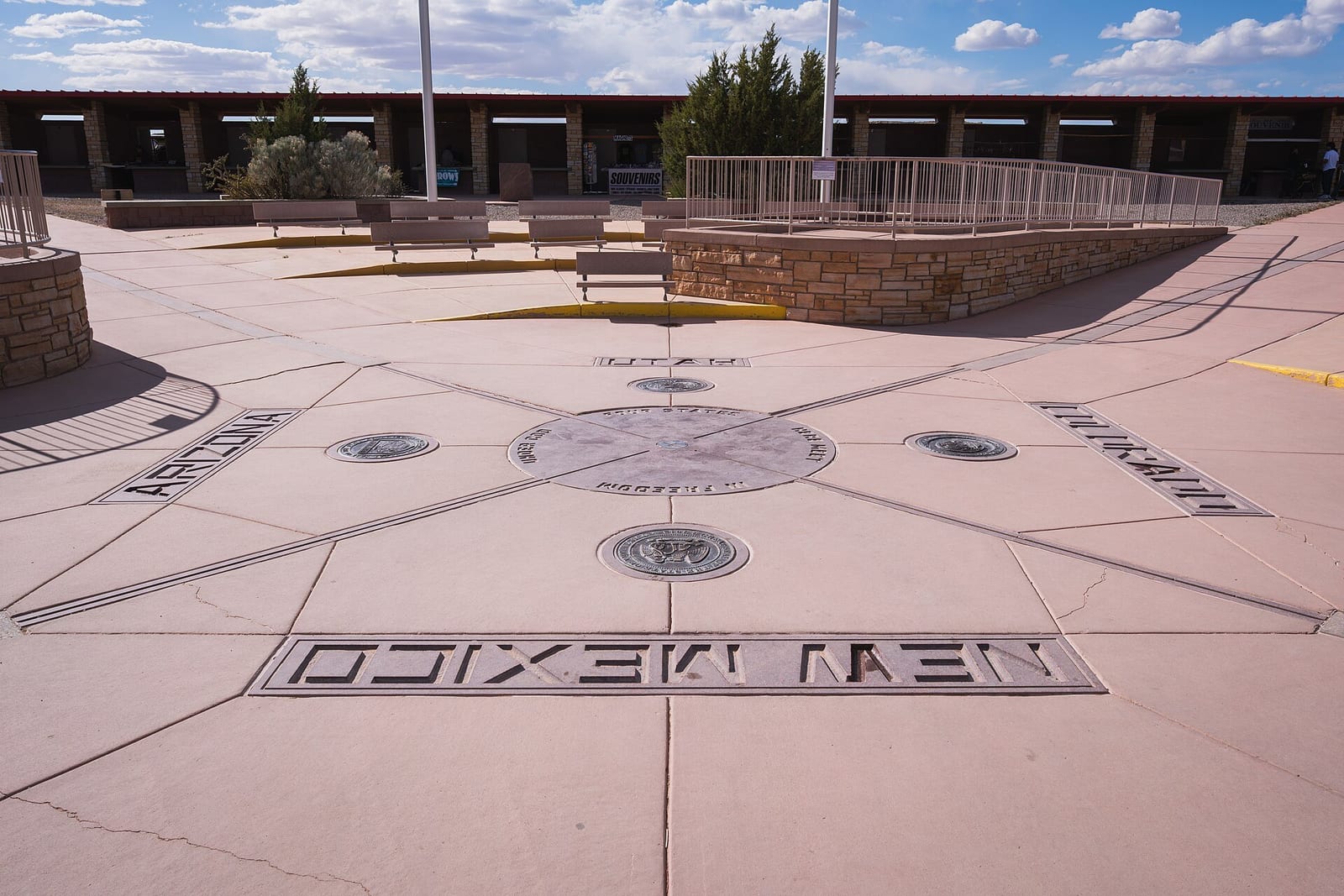
What counts as visiting a state? Layovers, drive-throughs and the rules 50-staters use
Only 2% of Americans name a plane change as the minimum that counts as visiting a state, while 27% set the bar at driving through. Here's a three-tier rubric, a lookup table for the edge cases from Four Corners to D.C., and one trip counted three ways.

Falsk SBB-billetside stjæler kreditkort- og Twint-oplysninger fra rejsende
Zürichs kantonale politi har bekræftet, at en falsk SBB-billetside stjæler kreditkort- og Twint-betalingsdetaljer fra rejsende, der finder den via en almindelig Google-søgning. Her kan du se, hvordan du genkender den, og hvad du skal gøre, hvis du allerede har betalt.

Advarsel om UK ETA-svindel: Falske hjemmesider tager op til 900 euro fra østrigere
Falske UK ETA-hjemmesider opkræver hundreder af euro fra østrigske og EU-rejsende for en formular, der koster 20 pund. Her kan du læse, hvordan den rigtige fungerer, og hvordan du opdager svindel, før du betaler.