FIFA World Cup 2026 Budget Travel Guide: How to Attend Without Going Broke

Key Highlights
- 1
- 2
- 3
+5 more in the takeaways below
The first FIFA World Cup with 48 teams, 104 matches, and 16 host cities across three countries kicks off June 11. Tickets start at $60 for the Supporter Entry tier, but the real cost of attending the 2026 World Cup has almost nothing to do with the match ticket. Between hotels averaging $583/night in New York and Airbnb listings hitting $6,000/night in New Jersey, the biggest challenge isn't getting into the stadium. It's paying for everything around it.
This 2026 World Cup budget travel guide breaks down every cost so you can plan smarter. The gap between the cheapest and most expensive host city is enormous. Pick the right city, time your bookings, and use the strategies below, and you can watch live World Cup football for a fraction of what most fans will spend.
A realistic budget World Cup trip (2 group matches, 5 days) costs $1,300 to $2,300 per person if you pick the right city. Houston, Guadalajara, and Monterrey are the cheapest host cities by far. Mexico's three venues cut daily costs by 50% compared to US cities. Last-minute ticket sales open April 1 on a first-come, first-served basis. Free fan zones in all 16 cities screen every match. FIFA just canceled thousands of hotel rooms that are returning to the market right now. Split costs with a group, skip the tourist traps, and the World Cup becomes surprisingly reachable.
What the World Cup Actually Costs: Three Budget Tiers
Forget the vague "it depends" answers. Based on verified pricing data from World Cup Fans Guide and ESPN's cost breakdown, here's what a 5-day trip with two group-stage matches actually costs per person, including international flights from Europe.
What separates tiers is three choices: which city, what accommodation, and how many matches. A budget traveler in Houston spending $173/night on a hotel and $80/day on food and transport lands at the low end. The same trip in New York or Vancouver, with $500+ hotel nights, easily hits premium territory.
Daily spending in US host cities runs $80 to $150 per day for food, local transport, and incidentals. In Mexico's three host cities, that drops to $40 to $70/day. That's where the real savings hide.
The Cheapest Host Cities, Ranked by Real Numbers
Not all 16 host cities are equal. SmarterTravel's matchday value index ranked every venue using hotel rates, stadium food prices, transit costs, and local dining. The results are striking.
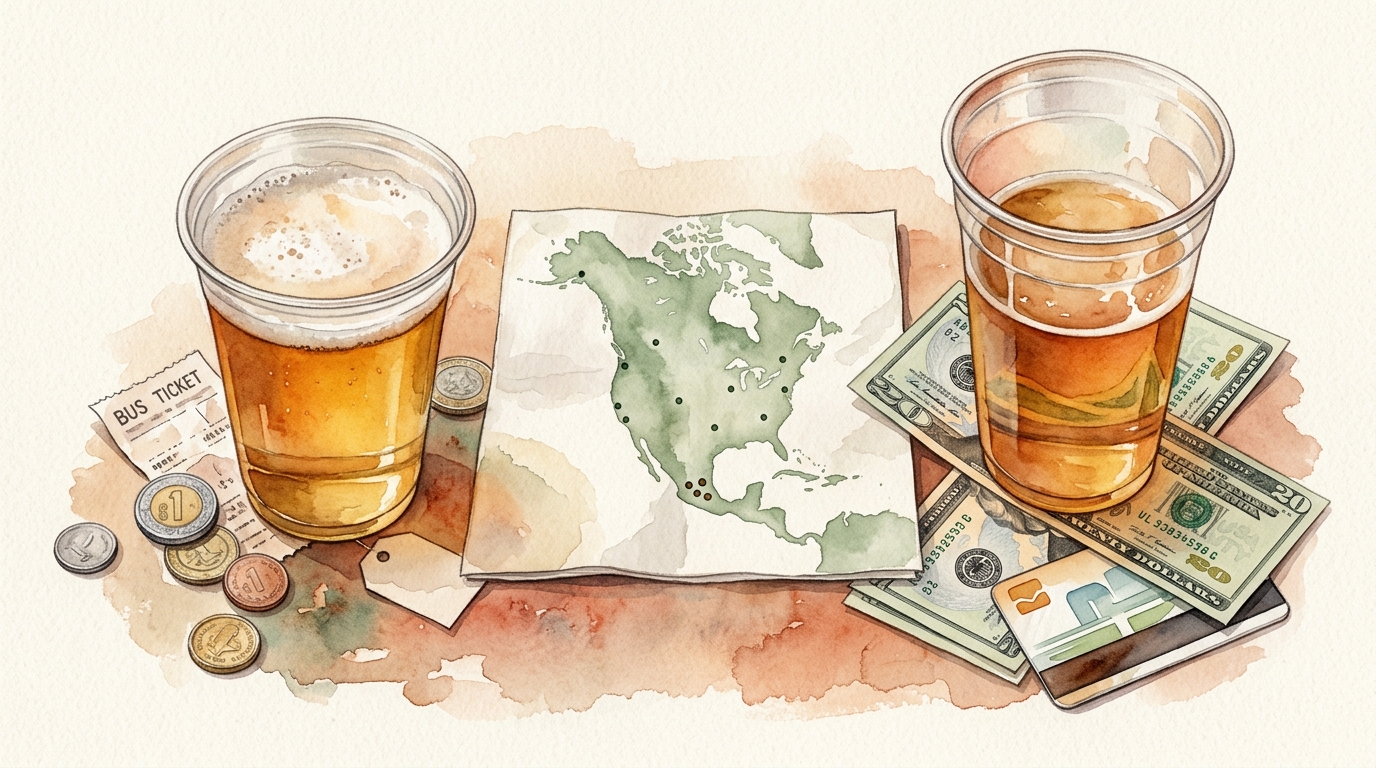
| City | Value Index | Avg Hotel/Night | Stadium Beer | Transit/Ride |
|---|---|---|---|---|
| Houston | 94.66/100 | $173 | $2.79 | $1.25 |
| Monterrey | 85.36/100 | $207 | N/A | $0.87 |
| Guadalajara | 85.34/100 | $207 | N/A | $0.55 |
| Mexico City | 72.00/100 | $267 | N/A | $0.35 |
| Atlanta | Mid-range | $200-$400 | ~$10 | $2.50 |
| San Francisco | 14.66/100 | $343 | $14.37 | $5.50 |
| NY/NJ | Low | $583 | ~$16 | $2.90 |
Note: Atlanta and NY/NJ show qualitative ratings ("Mid-range" and "Low") instead of numeric scores because SmarterTravel's index did not include final venue pricing data for these cities at the time of publication.
Put simply: Houston is the best-value city by a wide margin. A stadium beer costs $2.79 there vs. $14.37 in San Francisco. That's not a rounding error. And Mexico's three cities dominate the next tier, with transit costs under $1 per ride and daily food budgets that are roughly half of what you'd spend in a US city.
If you're flexible about which matches to attend, pick your city first and your games second. The math works out every time.
Tickets: What They Really Cost and How to Get Them Now
FIFA's ticket pricing for the 2026 World Cup uses four categories, plus a special federation-only tier. And for the first time ever, FIFA is using dynamic pricing, which means prices shift between sales windows based on demand.
Here's the actual breakdown for group-stage matches:
- Supporter Entry Tier: $60 fixed, but only available through participating national football federations, not the general public
- Category 3 (cheapest public): Starting at $120 for neutral group-stage matches, plus a 15% FIFA service fee
- Category 1 Final: Up to $7,875
Dynamic pricing has already produced wild swings. Final tickets jumped from $2,790 to $4,185 between sales phases, a 50% increase. But it works both ways: some group matches actually dropped in price. All five San Francisco group-stage games saw decreases in later phases.
FIFA's final ticket sales phase launched April 1 at 11:00 ET on a first-come, first-served basis, with tickets released on a rolling basis until the end of the tournament. For the first time, you can pick specific seats from a stadium map. The official resale marketplace also reopened April 2, though both buyer and seller pay a 15% fee each.
Your cheapest path: check your national federation first for the $60 Supporter Entry tier. If that's gone, target neutral group-stage matches in the last-minute phase. A Category 3 ticket for a match you hadn't planned on watching might be the best $138 (with fees) you spend all summer.
The Accommodation Crisis (And How to Beat It)
You're scrolling through hotels in New Jersey, and a Holiday Inn Express is listed at $800/night. A basic two-bedroom Airbnb in Kansas City pops up at $20,000/night. You close the tab. Sound familiar?
Hotel rates across host cities surged over 300% on average after the December 2025 draw revealed which teams play where. But there's a development most fans haven't caught yet.
The FIFA Room Dump: Thousands of Rooms Just Hit the Market
In March 2026, FIFA canceled hotel room blocks across all 16 host cities. In Philadelphia alone, roughly 2,000 rooms returned to the open market. In Mexico City, FIFA dropped approximately 40% of its block. These were rooms reserved for FIFA staff, referees, and operations crews, and they're now bookable by fans.
This is happening right now. If you searched for rooms two weeks ago and found nothing, search again.
Budget Accommodation Alternatives
Hotels aren't the only option, and for budget travelers, they shouldn't be the first choice. We'd take a suburban hotel with a kitchen over a $500/night downtown shoebox every time.
- University dorms: CSM Travel is securing dorm rooms at universities in host cities. Simon Fraser University in Vancouver has double-room options starting around $250/night, still cheaper than the city's $404 average hotel rate
- Hostels: Still the cheapest bed in most cities, with dorm rooms running $30-$60/night in US cities and $15-$30 in Mexico in normal periods (expect surcharges on match weekends)
- Suburban hotels: Stay 30+ minutes from the stadium and prices drop significantly. A hotel in Sugar Land (25 minutes from Houston's NRG Stadium) costs a fraction of downtown rates
- Group house rentals: Split a 4-bedroom Airbnb four ways and the per-person rate becomes competitive with hostels, with a kitchen that saves on restaurant meals
More than 75 New Jersey municipalities prohibit short-term rentals entirely, with fines up to $750/day. Verify your booking is in a municipality that permits short-term rentals before you pay. A last-minute cancellation or fine days before a match would leave you scrambling for a hotel at peak prices.
"I searched for a basic hotel in Jersey City and the cheapest option was $740 a night. For a Holiday Inn. I literally closed my laptop and started looking at flights to Monterrey instead."World Cup fan on Reddit's r/worldcup, March 2026
Mexico: The Budget MVP of This World Cup
Three of the 16 host cities are in Mexico, and this is the single biggest budget advantage of the 2026 tournament. Guadalajara, Mexico City, and Monterrey aren't just cheaper - they're a different pricing universe. Honestly, if you can handle the June heat, there's no reason to pay double in a US city.
Daily spending in Mexican host cities runs $40 to $70 per person, compared to $80 to $150 in US cities. Transit costs tell the story most clearly: a single ride in Guadalajara costs $0.55, Mexico City is $0.35, and Monterrey is $0.87. In San Francisco, you'll pay $5.50 for the same ride.
Flights between Mexico's three host cities take about two hours and run under $150 round-trip on Volaris or Aeroméxico. That means you could realistically attend matches in two or three Mexican cities without blowing your transport budget.
Mexico is hosting the tournament opener at Estadio Azteca on June 11, and the national team plays all three group matches at home. Expect electric atmospheres at lower prices. If your goal is to experience the World Cup on a budget, Mexico is where you go.
Safety for First-Time Visitors
If you've never been to Mexico, safety concerns are natural. The US State Department rates all three host states at Level 2 ("Exercise Increased Caution"), the same advisory level as France, the UK, and Germany. Guadalajara (Jalisco), Mexico City (CDMX), and Monterrey (Nuevo Leon) are major metropolitan areas with heavy tourism infrastructure. Stick to well-traveled areas, use official taxis or ride-hailing apps like Uber and DiDi, and you'll be fine. Millions of American and European tourists visit these cities every year without incident.
Food Budget: Street Tacos vs. Restaurants
One of the biggest advantages of Mexico's host cities is the food cost. Street tacos run $2-$4 each, a full comida corrida (set lunch menu) costs $4-$7 at local fondas, and even sit-down restaurant meals with drinks stay in the $15-$25 range. Compare that to $20-$40 per meal at a mid-range US restaurant near a stadium, and the savings add up fast over five days.
Getting from the Airport to the Stadium
In Mexico City, the Metro (Line 2) reaches Estadio Azteca at the Tasquena end for just $0.35 per ride. From the airport (MEX), take Metro Line 5 to Pantitlan, transfer to Line 2, and you're at the stadium in under an hour. Uber from the airport runs $8-$15. In Guadalajara, Uber from the airport (GDL) to Estadio Akron costs roughly $10-$15, and the city's Macrobus and Mi Tren light rail connect most tourist areas for under $1. In Monterrey, the Metrorrey subway system costs $0.87 per ride and connects the airport area to the Estadio BBVA district via bus transfer.
Getting Between Cities Without Getting Gouged
With 16 cities spread across three countries, inter-city travel is one of the biggest hidden costs. FIFA parking alone runs $100 to $300 per match. Rental car prices have skyrocketed, with reports of SUVs jumping from $433 to $1,800 for the same six-day period. Don't rent a car unless you absolutely must.
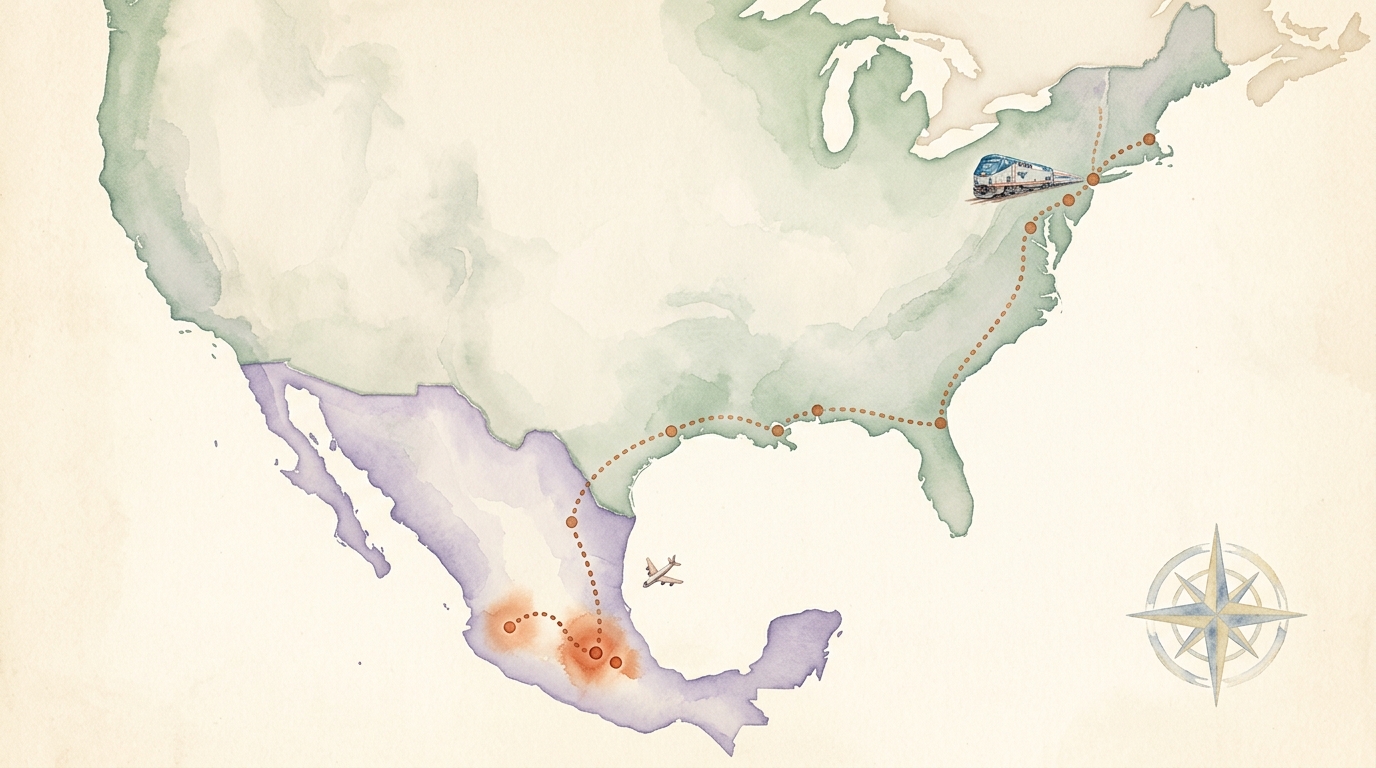
The Smart Routes
Several host cities are close enough to drive between, which opens up multi-match trips without flights:
- NY/NJ to Philadelphia: ~1 hour 40 minutes by car, or Amtrak Northeast Corridor trains running frequently
- Seattle to Vancouver: ~2.5 hours. Amtrak Cascades trains connect both cities directly (new Airo trainsets may debut later in 2026, but the existing service runs multiple daily departures)
- Dallas to Houston: ~3.5 hours by car (no direct train)
- Boston to NY/NJ: ~4 hours on Amtrak, faster than driving on summer weekends
For the Eastern region, Amtrak is your best friend. The Northeast Corridor connects Boston, New York, Philadelphia, and beyond, and Amtrak has committed to posting additional maintenance crews and rescue locomotives on major match days to prevent service disruptions.
Gillette Stadium is in Foxborough, 27 miles from Boston, with no regular transit service. The MBTA plans to run special trains, but tickets will cost approximately $75+ per person round-trip, nearly quadruple the normal event fare. Budget for this separately if you're attending Boston matches.
If you're juggling multiple group travel logistics across cities, keeping everything in one place (tickets, transit schedules, hotel confirmations) will save you from costly mistakes. Tools like TripProf let you store documents offline and split expenses as you go, which matters when you're bouncing between three countries. our autumn 2026 destination rankings
The Free World Cup: Fan Zones and Watch Parties
Here's something most budget guides overlook entirely: you can experience the World Cup without a single match ticket.
FIFA Fan Festivals will run in all 16 host cities for all 39 days of the tournament, from June 11 to July 19. Every one of the 104 matches will be screened live on giant LED screens. Entry is free. No ticket required.
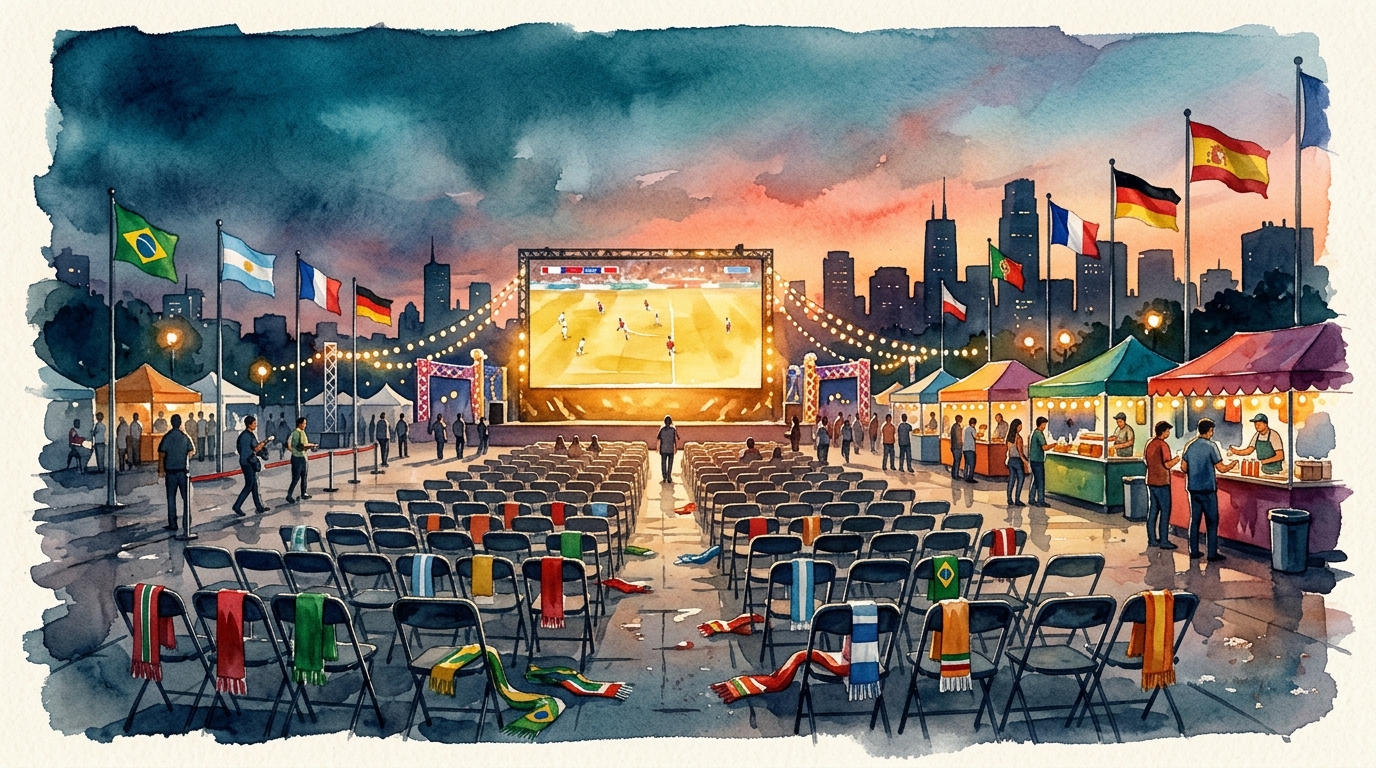
These aren't afterthought setups with a projector and a folding chair. Kansas City's fan festival features a 45 x 25-foot main screen backed by the National World War I Museum. Philadelphia is the only US city running its fan festival for all 39 days, with free walk-in access throughout.
Beyond the official FIFA events, states are adding their own free zones. Pennsylvania announced three additional free fan zones in Pittsburgh, Reading, and Scranton with live entertainment, interactive games, and food vendors.
The Fan Zone Budget Strategy
A "fan zone only" trip is a legitimate way to experience the World Cup atmosphere:
- Total cost for 5 days in Houston or a Mexican city: $500-$900 per person (author's estimate based on sourced accommodation and daily spending figures, zero tickets)
- What you get: Live screenings of every match, live music, food courts, interactive football areas, and thousands of fans from around the world
- What you miss: Being physically inside the stadium (though fan zone atmospheres during knockout rounds can be just as intense)
If you've attended a major tournament fan zone before, you know: some of the best memories happen outside the stadium. We watched the 2006 World Cup from Berlin's fan miles, and the atmosphere rivaled anything inside the grounds. The 2026 version will stretch across 16 cities and three countries.
Visas and Entry: Don't Let Paperwork Kill Your Trip
With three countries on the itinerary, each has different entry requirements. Getting this wrong can end your trip before it starts. If you've made first-time international travel mistakes before, this is where they matter most.
United States (11 host cities)
Citizens of the 42 Visa Waiver Program countries can enter using ESTA (Electronic System for Travel Authorization), a quick online application. Everyone else needs a B1/B2 visitor visa, which requires an in-person embassy interview.
FIFA PASS is a new, voluntary system that gives World Cup ticket holders priority scheduling for US visa interview appointments. It doesn't guarantee approval, but it gets you an appointment faster, which matters when embassies are overwhelmed with summer travel requests.
Canada (Vancouver, Toronto)
Most visitors need an eTA (Electronic Travel Authorization) or a visitor visa, depending on nationality. US citizens and permanent residents don't need either.
Mexico (Guadalajara, Mexico City, Monterrey)
Citizens of many countries can enter Mexico visa-free for up to 180 days. Check Mexico's immigration website for your specific nationality.
- Passport valid for at least 6 months beyond your travel dates
- ESTA approved (US) or eTA approved (Canada) before departure
- FIFA PASS submitted if you need a US visa interview
- Hotel confirmation and return flight documentation ready for customs
- FIFA World Cup 2026 app downloaded (mandatory for mobile ticket delivery)
- Travel document checklist completed for each country you're entering
Travel Insurance and Health Considerations
With matches spread across three countries over 39 days, travel insurance is not optional. A basic policy covering trip cancellation, medical emergencies, and lost baggage runs $50-$100 for a week-long trip. Given that a single ER visit in the United States can cost thousands of dollars without insurance, this is one of the smartest $50 you'll spend. Make sure your policy covers all three countries if you're crossing borders, and check whether it includes event cancellation in case FIFA reschedules matches due to weather or security concerns.
Match-Day Spending: The Costs Nobody Warns You About
Your ticket gets you through the gate. After that, prepare your wallet. Stadium concession prices at major US venues are brutal. Based on ESPN's Super Bowl LIX benchmarks from the same stadiums, here is what to expect:
| Item | US Stadium Price | Eat-Before Alternative |
|---|---|---|
| Hot dog | ~$15 | $2-$4 (street vendor) |
| Water bottle | ~$7 | $0 (refill station inside) |
| Beer / alcoholic drink | ~$16.50+ | $5-$8 (bar near stadium) |
| Replica kit | $80-$105 | $20-$40 (street vendor outside) |
Add $100-$300 for parking if you drive, and a single match day can easily cost $200+ beyond the ticket itself.
Eat a full meal before entering the stadium. Bring a sealed, empty water bottle (most US stadiums allow this and have refill stations). Buy your team's kit from a street vendor outside the fan zone, not inside the stadium. These three moves save $50+ per match day.
If you're attending with friends, tracking who paid for what across multiple match days in multiple cities gets complicated fast. Our guide to splitting trip costs covers the strategies that prevent money from ruining the experience.
The Group Travel Advantage
Traveling in a group is the single most effective way to cut per-person costs at any World Cup. Here's how the math changes with four people vs. solo:
| Expense | Solo Traveler | Group of 4 (per person) |
|---|---|---|
| Accommodation (Houston, 5 nights) | Hotel $173/night = $865 | 4-bed Airbnb $62/night = $310 |
| Rental car (if needed) | $150/day = $750 | $37/day = $187 |
| Match tickets (Cat 3, 2 games) | $276 | $276 |
| Food and transport (5 days) | $500 | $400 (shared cooking) |
| Total | $2,391 | $1,173 |
The group discount on accommodation alone saves each person over $500 compared to a solo hotel stay. Add shared cooking in an Airbnb kitchen (breakfast and one meal/day at home) and you're looking at a 51% reduction in total trip cost.
The catch? Group trips need coordination - who books what, who pays first, how to split costs that aren't perfectly even. That's a solvable problem with the right tools, and we've covered it extensively in our guide to group travel planning apps.
Your Budget World Cup Game Plan
Putting it all together, here's the step-by-step approach to attending the 2026 World Cup without going broke:
- Pick your city by budget, not by team Houston, Guadalajara, or Monterrey offer the best value. If you want the cheapest possible trip, Mexico's three cities are 50% cheaper on daily costs than any US city.
- Check last-minute tickets now The final sales phase is live at FIFA.com/tickets. Target neutral group-stage matches for the lowest prices. Check the resale marketplace too.
- Search for FIFA-dumped hotel rooms Thousands of rooms across all 16 cities returned to the market in March 2026. Hotels that showed "sold out" two weeks ago may have availability now.
- Book accommodation outside the city center Suburban hotels, university dorms, and hostels are all cheaper alternatives. If traveling in a group, split a multi-bedroom rental.
- Handle visas and entry docs immediately ESTA applications, eTA approvals, and visa interviews all take time. FIFA PASS gives ticket holders priority visa appointments, but you have to opt in.
- Use trains, not rental cars Amtrak connects Eastern cities efficiently. Amtrak Cascades links Seattle and Vancouver. Mexico has cheap domestic flights between all three host cities.
- Budget for match-day extras separately Plan $200+ per match day beyond the ticket for concessions, transport, and gear. Or eat before, bring water, and cut that in half.
Frequently Asked Questions
How much does it really cost to attend the 2026 World Cup?
A budget trip (2 group matches, 5 days) costs $1,300-$2,300 per person all-in. Mid-range runs $2,500-$4,800. The biggest variable is your host city: Houston costs roughly one-third of what New York does for the same trip.
What are the cheapest host cities for World Cup 2026?
Houston ranks first (94.66/100 value index), followed by Monterrey (85.36) and Guadalajara (85.34). Mexico's three cities average $40-$70/day vs. $80-$150 in US cities. San Francisco and NY/NJ are the most expensive.
Can I attend the World Cup without buying match tickets?
Yes. Free FIFA Fan Festivals in all 16 host cities screen every match on giant screens for all 39 tournament days. Pennsylvania added three additional free fan zones. No ticket required.
When is the last chance to buy World Cup 2026 tickets?
FIFA's last-minute sales phase launched April 1, 2026. Tickets are released on a rolling, first-come, first-served basis through the end of the tournament. The resale marketplace reopened April 2. All sales at FIFA.com/tickets.
Do I need a visa for the 2026 World Cup in the USA?
Citizens of 42 Visa Waiver Program countries can use ESTA. Everyone else needs a B1/B2 visitor visa. FIFA PASS gives ticket holders priority interview scheduling but doesn't guarantee approval.
Is it safe to travel to Mexico for the World Cup?
All three Mexican host cities (Guadalajara, Mexico City, Monterrey) are in states rated Level 2 by the US State Department, the same level as France and Germany. Stick to tourist areas, use ride-hailing apps, and follow standard travel precautions.
Are there budget accommodation options like hostels or dorms?
Yes. Hostels run $30-$60/night in US cities and $15-$30 in Mexico. University dorms are available through CSM Travel. FIFA's March 2026 hotel cancellations freed thousands of rooms across all 16 cities. Suburban hotels 30+ minutes out offer much lower rates.
Key Takeaways
- A budget World Cup trip (2 matches, 5 days) runs $1,300-$2,300 per person. Your city choice matters more than almost any other decision.
- Houston, Guadalajara, and Monterrey are the three best-value cities. Mexico's venues cut daily costs by roughly 50%.
- FIFA's last-minute ticket sales are live now (April 1, first-come first-served). Target neutral group-stage matches for the lowest prices.
- Thousands of hotel rooms just hit the market after FIFA canceled blocks in all 16 cities. Search again if you struck out before.
- Free fan zones in every host city screen all 104 matches. You don't need a ticket to experience the World Cup atmosphere.
- Group travel drops per-person costs by 50%+ on accommodation. Tools like TripProf help coordinate logistics and split expenses across a multi-city, multi-country trip.
- Handle travel documents and visa applications now. ESTA, eTA, and embassy appointments all have processing times.
- Budget separately for match-day spending ($200+ per day beyond tickets) and transport between cities. Amtrak and Mexico's budget airlines are your best options.
Somewhere in Houston right now, a $2.79 stadium beer and a Category 3 seat are waiting for the fan who planned ahead. That could be you. With 16 cities across three countries and a 39-day window, there are more ways to attend on a budget than any previous World Cup. But the last-minute window won't stay open forever. The fans who act now, pick the right city, and travel smart will be the ones who actually enjoy the experience without the financial hangover.
Sources
- FIFA: World Cup 2026 Hosts, Cities, Dates: fifa.com
- FIFA: New Ticket Pricing Tier: fifa.com
- ESPN: 2026 World Cup Tickets, FIFA Dynamic Pricing: espn.com
- ESPN: Cost of the 2026 World Cup, USMNT Fan Estimate: espn.com
- ESPN: Ticket Price Increases Between Sales Phases: espn.com
- SmarterTravel: Host Cities Ranked by Value for Money: smartertravel.com
- Fortune: Airbnb Nightly Rates Topping $6,000: fortune.com
- 6abc Philadelphia: FIFA Releases 2,000 Hotel Rooms: 6abc.com
- Travel Weekly: Room Cancellations Across Host Cities: travelweekly.com
- NPR: Last-Minute Ticket Sales and Pricing: npr.org
- FIFA: Last-Minute Sales Phase Announcement: inside.fifa.com
- FIFA: Travel, Visas, and FIFA PASS: fifa.com
- US State Department: FIFA World Cup 26 Visas: state.gov
- FIFA: Fan Festival 2026: fifa.com
- Visit Philadelphia: FIFA Fan Festival: visitphilly.com
- Commonwealth of Pennsylvania: Free Fan Zones: pa.gov
- Kansas City Fan Fest: kansascityfwc26.com
- Amtrak: Booking Early for Summer 2026 Events: media.amtrak.com
- CBS Boston: MBTA World Cup Train Ticket Costs: cbsnews.com
- World Cup Fans Guide: Trip Cost Calculator: worldcupfansguide.com
- Jetpac Global: World Cup Ticket Price Guide: jetpacglobal.com
- The World Cup Guide: 2026 Ticket Prices by City: theworldcupguide.com
- Hotel Online: KC Airbnb Spikes to $20,000/night: hotel-online.com
- The World Cup Guide: Budget Lodging: theworldcupguide.com
- Wise: World Cup Mexico City 2026 Travel: wise.com
- Gothamist: Booking an Airbnb in NJ for the World Cup: gothamist.com
- US State Department: Mexico Travel Advisory: travel.state.gov
Last updated: July 3, 2026
Keep Reading
More travel tips and guides picked for you
Christmas markets from London by train: what 3 nights really costs per person in 2026
Three nights at a Christmas market from London cost £426 to £704 per person. We priced Eurostar fares, central hotels and food for Lille, Brussels, Bruges and Cologne.
Wizz Air and Ryanair are cutting Vienna flights: what to book instead
Wizz Air has fully left Vienna and Ryanair has cut five aircraft over Austria's aviation tax. Here's exactly what changed, why it happened, and how to still book a cheap flight this winter.
Mallorca's tourist tax hike got cancelled. Here's what a 2026 trip really costs
The Balearic tourist tax hike everyone's still warning about got cancelled in February. Here's what a week on Mallorca actually costs in 2026, flights, hotel, tax, and food, with real numbers.